
Streamlining Transitions with Secure Storage Solutions
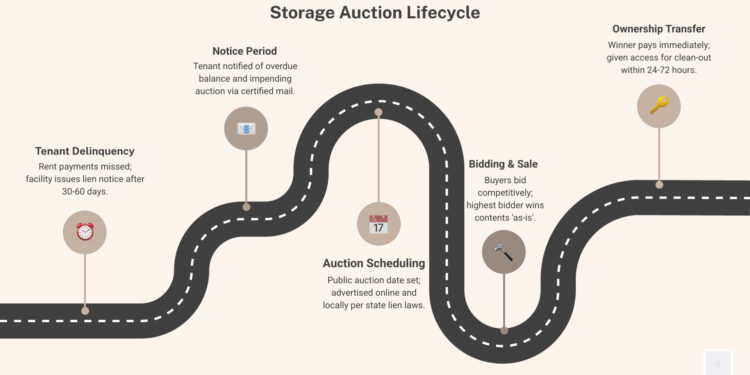
Table of Contents
Winning a storage auction can be an exciting moment. You’ve placed the winning bid, and now a unit full of potential treasures is yours. But the journey doesn’t end there.
The next crucial step is getting your newly acquired items safely and legally back into your possession. This process involves more than just showing up with a truck. It requires understanding specific procedures, legal rights, and potential challenges.
In this comprehensive guide, we will help you navigate the essential steps for a smooth retrieval. We’ll explore everything from the immediate actions you need to take after winning, to understanding documentation, and resolving common disputes.
Our goal is to ensure your transition from winning bidder to proud owner is as streamlined and stress-free as possible.
Storage auctions, often popularized by television shows, are a legitimate and common practice within the self-storage industry. They occur when a tenant fails to pay their rent for an extended period, leading the storage facility to exercise its lien rights to recover unpaid dues. These lien laws are enshrined in state statutes, allowing facilities to sell the contents of delinquent units to recoup their losses. Understanding these foundational elements is crucial for anyone considering participating in or having won an auction.
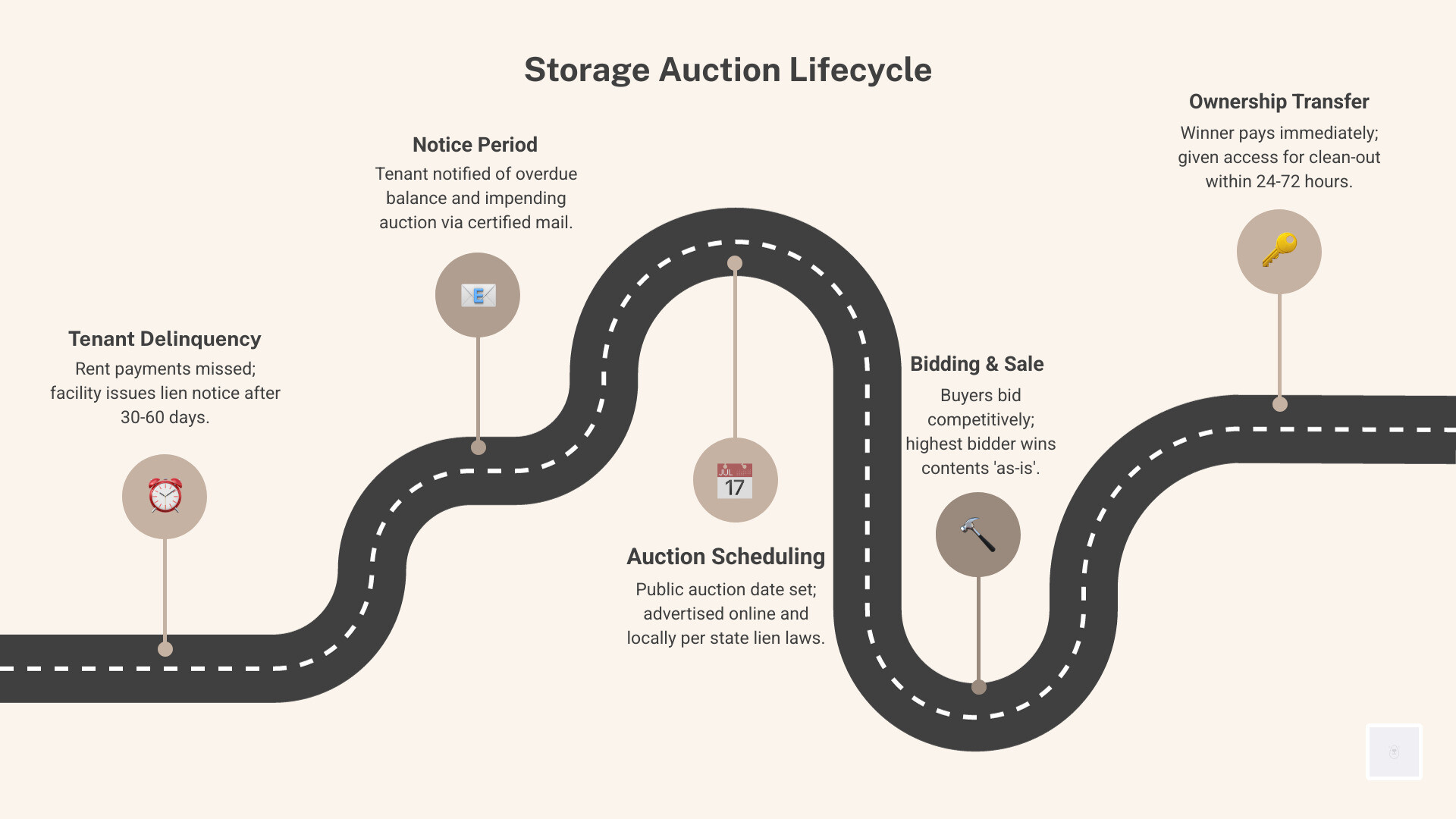
The process typically begins with the tenant falling behind on rent. After a specified grace period, the facility sends out delinquency notices, often registered mail, giving the tenant a final opportunity to pay their outstanding balance. If the debt remains unpaid, the facility can then initiate the lien sale process, which includes advertising the auction in local papers or on online platforms, as required by law. These public auctions are open to bidders who are looking to acquire the contents of the unit, usually sight unseen beyond a brief glance from the doorway.
For buyers, it’s important to recognize that winning a storage auction means acquiring the unit’s contents “as-is” and “where-is.” This means there are no guarantees about the condition, quantity, or functionality of the items inside. Once the final bid is accepted and payment is made, the ownership of the items within that unit legally transfers from the storage facility to the winning bidder. This transfer is typically immediate upon payment, granting the buyer the right to access and remove the items. Many facilities, like those offering diverse Middletown storage solutions, clearly outline these terms and conditions to ensure transparency for all participants. Familiarizing yourself with these specifics before bidding can prevent misunderstandings and streamline the retrieval process.
Maximizing Efficiency with Professional Storage Solutions
The landscape of storage auctions has evolved significantly, with many facilities now leveraging online platforms to conduct their sales. This shift has dramatically increased accessibility for bidders, allowing individuals from various locations to participate without needing to be physically present at the facility. Online bidding platforms often provide more detailed photos (within legal limits, usually from the doorway) and descriptions, though the “as-is” nature remains paramount. This increased accessibility has also contributed to the wide range of auction prices, which can fluctuate dramatically based on location, perceived value of contents, and bidder interest. The average storage unit auction price can range from a mere $10 for a small, seemingly empty unit to over $10,000 for units believed to contain high-value items, showcasing the diverse opportunities available.
Storage auctions can yield an astonishing variety of items. It’s not uncommon to find everything from everyday household furniture, electronics, and clothing to more specialized goods like rare collectibles, vintage toys, musical instruments, and even vehicles. Successful bidders often enter the auction with an eye toward reselling items for a profit, and with careful selection and a bit of luck, some report significant returns on their investment. The potential for discovering hidden gems is a major draw, but it also underscores the need for a clear strategy for retrieval and organization once a unit is won. Having a plan for what to do with the diverse contents, whether for personal use, resale, or donation, is a key aspect of maximizing efficiency post-auction.
Immediate Steps After Winning a Storage Unit
Congratulations, you’ve won a storage auction! The adrenaline of the bidding process might still be high, but now it’s time to shift your focus to the practicalities of claiming your prize. The first crucial step is to understand and adhere to the payment terms set by the storage facility. Most auctions require immediate payment, often in cash, credit card, or certified check, directly after the auction concludes. Ensure you have the necessary funds or payment methods readily available. Once payment is processed, you’ll typically be given a specific clean-out period – this is the timeframe within which you must completely empty the unit. This period can vary, from 24 to 72 hours, or sometimes a bit longer, so confirm this with the facility manager right away. Failing to clear the unit within the specified time can result in additional fees or even forfeiture of the unit’s contents.
During this initial phase, it’s also essential to inquire about the facility’s specific rules and procedures for unit access and clean-out. This includes understanding gate access hours, any restrictions on vehicle types, and where to dispose of unwanted items (many facilities have designated dumpsters, but some require you to haul everything away). You may also be required to pay a refundable security deposit for the unit, which is returned once the unit is completely emptied and swept clean to the facility’s satisfaction. This deposit incentivizes bidders to leave the unit in a ready-to-rent condition.
Essential Documentation for Claiming Items
To smoothly claim your items and avoid any delays, having the correct documentation on hand is paramount. Here’s a list of what is typically required:
- Sales Receipt or Auction Invoice: This is your proof of purchase and legal ownership of the unit’s contents. It will detail the unit number, the amount paid, and the date of the auction. Keep this document safe and accessible.
- Government-Issued Photo ID: You will need a valid driver’s license or other government-issued identification to verify your identity. This is standard procedure for security and to confirm you are the legitimate winning bidder.
- Unit Number Verification: While it will be on your invoice, reconfirming the exact unit number with the facility staff ensures you’re accessing the correct unit. Mistakes can happen, so double-check.
- Gate Codes/Access Information: If the facility has electronic gates or specific access procedures, ensure you receive the correct codes or instructions to enter and exit the premises during your clean-out period.
- Any Specific Contracts or Agreements: Some facilities may require you to sign a brief agreement outlining the clean-out terms, liability waivers, or confirming the “as-is” purchase. Read these carefully before signing.
Having these documents ready will expedite your access and removal process, allowing you to focus on the task of sorting and transporting your new acquisitions. For more general information about facility operations, you might find answers in a comprehensive FAQ section provided by the storage provider.
Overcoming Challenges in Retrieving Auctioned Items
While most storage auction retrievals proceed smoothly, challenges can occasionally arise. Being prepared for potential issues can save you time and frustration. One common area where difficulties can emerge is related to facility access or disputes with staff. Sometimes, a facility manager might be uncooperative, either due to misunderstanding the auction terms, being unfamiliar with their own procedures, or simply due to a busy schedule. If you encounter resistance, always remain polite but firm, referring back to your sales receipt and the terms agreed upon at the auction.
Another challenge can involve the condition or presence of items. Although units are sold “as-is,” occasionally items may be missing that were visible during the initial viewing, or damage might be more extensive than anticipated. While recourse is often limited due to the “as-is” nature of the sale, documenting any significant discrepancies with photos or videos immediately upon opening the unit can be helpful if a dispute escalates. Access restrictions, such as limited hours or unexpected gate closures, can also impede your clean-out. Always confirm these details beforehand and have a contingency plan. If initial attempts to resolve issues with the on-site manager are unsuccessful, escalating the matter to corporate management or the regional office of the storage company is often the next step.
Aspect Online Auction Retrieval In-Person Auction Retrieval Payment Process Often processed online immediately or at facility upon first visit. Typically required immediately after winning bid, on-site. Access to Unit May require setting an appointment for initial access; gate codes provided remotely. Usually immediate access after payment; gate codes provided on-site. Clean-out Period Varies, often communicated digitally; confirm specific hours for access. Clearly stated at auction; typically 24-72 hours from payment. Documentation Digital invoice/receipt, physical ID required at facility. Physical receipt/invoice, physical ID required at facility. Dispute Resolution Often starts with online platform support, then facility management. Direct interaction with facility management, then corporate escalation. Logistics May involve coordinating with facility for first entry if not immediate. More straightforward, as you’re already on-site. Long-term Benefits of Secure Storage Solutions
Beyond the immediate excitement of an auction win, the broader self-storage industry offers numerous benefits that extend to both auction buyers and general renters. Professional storage solutions prioritize inventory safety through robust security measures, including surveillance cameras, alarmed units, and secure gate access. For auction buyers, this means that once you’ve retrieved your items, if you don’t have immediate space, you can often rent a new unit on-site to sort and store your acquisitions securely. Facilities that offer climate control can be particularly beneficial for preserving sensitive items like electronics, documents, or antique furniture, protecting them from extreme temperatures and humidity.
The reputation of a storage facility, built on professional management and excellent site security, plays a significant role in minimizing disputes and ensuring a smooth experience for all users, including auction participants. Facilities with clear policies and responsive staff are better equipped to handle any issues that may arise, from access problems to questions about lien laws. Understanding the standards of professional self-storage can help you choose reliable partners, whether you’re bidding on units or seeking a place to store your own belongings. For those interested in the broader scope of self-storage options, exploring what makes a facility reliable can be very insightful. You can learn more about general Self Storage practices and benefits.
Legal Compliance and Best Practices for Storage Solutions
Navigating the legal landscape of storage auctions is crucial for both facilities and winning bidders. The legality and process of storage unit auctions are governed by state laws, which can vary significantly across different jurisdictions. These state statutes dictate everything from the required notice periods for delinquent tenants to the advertising methods for auctions and the specific procedures for conducting the sale. For instance, some states require newspaper advertisements, while others permit online postings. Understanding these lien sale regulations is not only important for the facility but also for the buyer, as it ensures the auction you participated in was conducted legitimately, validating your ownership of the acquired items.
Local ordinances may also play a role, particularly concerning the removal of certain types of items or waste disposal. It’s the buyer’s responsibility to ensure they are not violating any laws or regulations when removing items from the unit and disposing of unwanted contents. This includes adhering to environmental regulations for hazardous materials or proper disposal of large items. Facilities typically have policies to protect themselves from liability, and as a buyer, understanding these can help you avoid unintended legal complications. This often includes signing waivers or agreements that confirm you will remove all items and leave the unit clean. The process also implicitly involves tenant notification requirements, ensuring the original tenant had every legal opportunity to reclaim their property before the auction.
Finding Local Regulations and State Laws
Given the variability of laws, knowing where to find accurate information is key. For specific details on storage auction laws in your area, the best starting point is your state government’s official website. Look for sections pertaining to commercial law, property law, or consumer affairs. Many states have specific statutes dedicated to self-storage facilities and lien sales. Another excellent resource is the Self Storage Association (SSA), which often provides summaries of state laws and advocates for the industry. While the SSA provides general information, it’s always best to consult the actual state statutes or seek advice from legal counsel if you have specific concerns or encounter complex situations. Legislative databases, often accessible through state government websites, allow you to search for specific laws by keyword, such as “self-storage lien” or “abandoned property.” Being well-informed ensures you conduct your retrieval legally and ethically.
Frequently Asked Questions about Storage Auctions
What happens if the original tenant pays their back rent before the auction?
This is a critical scenario that every storage auction bidder should be aware of. In most jurisdictions, the original tenant has a legal “right of redemption.” This means that up until the moment the auctioneer declares the unit “sold” and the winning bidder pays, the original tenant can pay their outstanding balance, including any late fees and auction costs, to reclaim their unit. If this occurs, the auction for that specific unit will be immediately canceled.
For bidders, this means that even if you’ve placed the winning bid, the sale isn’t final until payment is processed. If the tenant pays before this point, the unit is withdrawn from the auction, and you will not have the opportunity to purchase its contents. While this can be disappointing for a bidder, it is a legal right designed to protect the tenant. Facilities are legally obligated to accept the tenant’s payment and cancel the auction, prioritizing the tenant’s right to their property. You would simply move on to the next available unit.
How should I organize and catalog the items I retrieve?
Once you’ve successfully retrieved the contents of your storage unit, the next challenge is often managing the sheer volume and variety of items. Effective organization and cataloging are crucial, especially if you intend to resell items or incorporate them into your own inventory. Start by sorting items into broad categories as you remove them from the unit or immediately upon arrival at your sorting location. Common categories include: “keep,” “resell,” “donate,” “dispose,” and “research” (for items of unknown value).
Consider using clear plastic bins for smaller items, allowing you to see contents at a glance, and label all boxes clearly. For valuable items, or those you plan to resell, take photographic evidence of their condition immediately. This serves as a record and can be useful for online listings. Many successful auction buyers utilize inventory apps or simple spreadsheets to catalog items, noting their description, estimated value, and intended fate. This systematic approach not only helps with resale preparation but also provides a clear overview of your acquisition. Item valuation can be done by researching similar items on online marketplaces or consulting with experts for specialized goods. A well-organized approach maximizes your potential profit and minimizes post-auction clutter.
What should I do if the storage facility manager is uncooperative?
Encountering an uncooperative storage facility manager can be frustrating, especially when you’re on a tight clean-out schedule. The first step is to maintain a calm and professional demeanor. Clearly state your issue, referencing your sales receipt and any relevant auction terms. If the manager remains uncooperative or dismissive, document everything. Keep a detailed communication log, noting the date, time, names of individuals you spoke with, and a summary of the conversation.
If the issue cannot be resolved at the local level, the next course of action is to escalate the matter to the storage facility’s corporate office or regional management. Most larger storage companies have customer service departments equipped to handle such disputes. Provide them with your communication log and a clear explanation of the problem. If corporate channels also prove unhelpful, and you believe your legal rights as a buyer are being violated, you may need to review your contract (if any was signed) and consider legal recourse. This could involve consulting with an attorney specializing in consumer law or property rights, or contacting local law enforcement if you believe a criminal act (like theft of items) has occurred. Always ensure you understand your rights and the facility’s obligations as outlined in the auction terms and state laws. For insights into standard practices, you might want to look at our Auctions page for details on how they typically operate.
Conclusion
Winning a storage auction is just the beginning of an exciting journey. By understanding the intricate processes, legal rights, and potential challenges involved in retrieving your newly acquired items, you can transform a successful bid into a truly rewarding experience. From the immediate steps of payment and clean-out to the meticulous task of organizing and cataloging, each phase requires strategic planning and attention to detail. Being prepared for potential disputes and knowing how to navigate them with professionalism and legal awareness ensures a smooth transition.
Whether you’re a seasoned auction enthusiast or a first-time bidder, adhering to best practices and understanding the standards of professional storage solutions will streamline your transitions and help you maximize your asset recovery. We hope this guide has provided you with the insights and confidence needed to successfully get your stuff back from a storage auction and embark on your next venture.
For more information on storage solutions and auction procedures, or to find a secure unit for your own belongings, visit: https://www.middletownstorage.com/info/auctions