





Shipping Container Home Plans
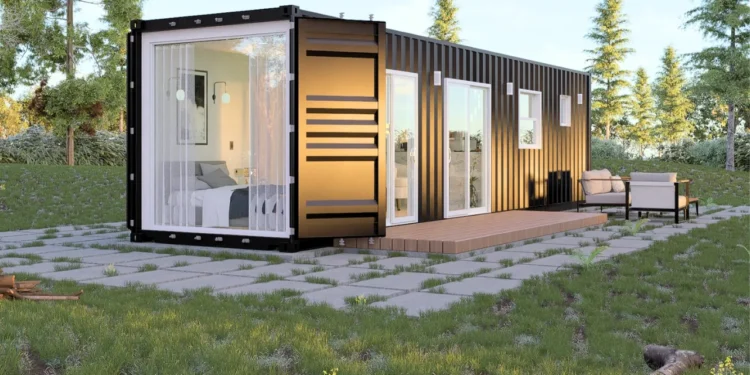
Building a shipping container home takes just 3-6 months, while traditional houses need 12+ months or more to complete. This modern housing approach has become a hit with homeowners who want affordable and sustainable living spaces.
The typical 4-bedroom container home combines 3-6 containers to create separate areas for sleeping, living, and entertaining. These homes use recycled steel structures that stand strong against weather and come with all the essentials – insulation, plumbing, and wiring. The living space ranges from 1,280 to 1,920 square feet, giving families plenty of room to live comfortably.
Container house plans work well for almost any lifestyle, from studio apartments to large family homes. The prices vary based on size and container condition. New 40-foot containers start at $5,100, while used ones cost as little as $2,200. This piece covers everything about container home floor plans, pricing elements, and ways to save money that will help you explore this innovative housing market in 2024.
Table of Contents
- 1 How much do shipping container home plans cost in 2024?
- 2 Cost by container type and size
- 3 Popular layout options and their price impact
- 4 Key factors that affect container home plan pricing
- 5 Tips to save money on container home plans
- 6
- 7 Here are some FAQs about shipping container home plans:
- 7.1 How much does a 40ft container home cost?
- 7.2 What is the downside of container homes?
- 7.3 How much does a 40 feet container cost?
- 7.4 Do you need a foundation for a shipping container home?
- 7.5 Do container homes rust easily?
- 7.6 What is the lifespan of a 40ft container?
- 7.7 What is the life expectancy of a container house?
- 7.8 Why do shipping containers only last 25 years?
- 7.9 Is it hot inside a container house?
How much do shipping container home plans cost in 2024?
The container home market keeps growing in 2024. More budget-conscious homeowners are learning about this alternative housing option. You need to understand the actual costs to plan your build properly.
Average cost range for basic to custom plans
Container home plans in 2024 come with widely different price tags based on size and complexity. A single-container home costs between $25,000 and $80,000. You’ll spend $80,000 to $250,000 for multi-container designs. Luxury versions can reach $400,000 or more.
The cost per square foot ranges from $150 to $350. Several factors affect this price:
- Prefabricated container homes run about $120 to $300 per square foot
- Custom-designed container houses cost $250 to over $400 per square foot
A comfortable 4-bedroom design needs 4-6 containers. This creates 1,280 to 1,920 square feet of living space. You get multiple bedrooms, bathrooms, and spacious living areas while keeping the structure sound.
What’s included in a typical home plan package?
Plan packages come with everything you need to create a livable space. The container itself makes up just a small part of your budget. Each unit costs $1,200 to $10,000 depending on its size, age, and condition.
A standard shipping container home plan package covers:
- Basic structural modifications (roof changes, wall cutouts)
- Essential utility specifications (electrical work at $2-4 per square foot, plumbing at $4-6 per square foot)
- Insulation requirements ($0.80 to $4.50 per square foot)
- Window and door placements (windows start at $400 each, doors cost $500-2,000)
- Foundation recommendations (concrete slabs: $5,000-15,000, piers/footings: $3,000-10,000)
Simple container home plans don’t include site preparation ($2,000-10,000), HVAC systems ($2,000-10,000), and utility hookups like water ($2,000-5,000) and sewer ($5,000-10,000).
How pricing has changed over the last several years
The global container homes market keeps expanding. It reached $61.83 billion in 2023 and should hit $108.70 billion by 2032. That’s a CAGR of 6.7%. More people want affordable, eco-friendly housing options.
The COVID-19 pandemic changed container home pricing and availability substantially. Supply chain issues limited materials like steel, iron, glass, and hardware. This delayed many projects and pushed costs higher.
People now want well-equipped homes more than ever, especially where traditional concrete construction faces restrictions. This drives interest in adaptable container solutions. Container homes have become a realistic housing choice in today’s cost-conscious market. Traditional construction still struggles with rising labor and material costs.
Cost by container type and size
The size of your containers plays a key role in determining costs for your shipping container home project. Knowing how different container types affect your budget helps you create your ideal living space economically.
20-foot container home plans
A 20-foot container makes a great starting point for smaller shipping container homes. These units are 20 feet long, 8 feet wide, and 8’6″ tall, giving you about 160 square feet of usable space. New 20-foot containers cost between $3,000-$5,000, while used ones go for $1,500-$3,000.
You can find used 20-foot containers for as low as $1,200. These compact units work great as studio apartments, guest houses, or extra spaces in bigger container home designs. A complete single 20-foot container home costs $25,000-$50,000. This makes it one of the most economical options in container housing.
40-foot shipping container home plans
Most people choose 40-foot containers for their homes because they offer better value. Each unit gives you about 320 square feet of living space – double what you get with a 20-foot container. New 40-foot containers cost $5,000-$8,000, and used ones run $2,500-$4,500.
Price analysis shows that 40-foot containers give you more value per square foot despite higher upfront costs. A finished single 40-foot container home costs $40,000-$80,000. This gives you enough room for a comfortable one-bedroom layout with kitchen and bathroom.
Larger homes, like 4-bedroom designs, need several 40-foot units combined. A typical 4-bedroom setup uses 4-6 containers and creates 1,280-1,920 square feet of living space. Just the containers cost $14,000-$24,000, while total construction runs $140,000-$210,000.
High cube vs standard containers
Height differences between standard and high cube containers affect livability and building costs substantially. Standard containers have 8’6″ interior height, while high cube containers give you 9’6″ ceilings. That extra foot becomes really valuable once you add insulation, flooring, and ceiling installations.
High cube 40-foot containers are the top choice for container homes because:
- You get standard 8-foot ceilings even after adding insulation and utilities
- They work well with standard building materials
- There’s more room for HVAC, electrical, and plumbing installations
High cube containers cost 10-20% more than standard height units, but builders say the improved living experience justifies this extra cost.
Mixing container sizes for better layouts
The best and most economical floor plans often come from mixing different container sizes. Many successful designs use 40-foot containers for living areas and 20-foot units for bedrooms, bathrooms, and utility spaces.
This mixed approach has several benefits:
You get spacious areas while keeping construction efficient since fewer structural changes are needed. The 20-foot containers fit perfectly as bathrooms or home offices where you don’t need lots of space. Mixing sizes also creates unique architectural possibilities that uniform containers can’t match.
Homes with multiple bedrooms using mixed designs typically cost $100,000-$180,000 for a 2-3 container setup (840-960 sq ft). Larger projects with 4+ containers range from $140,000-$400,000+ based on size, complexity, and finishing choices.
Popular layout options and their price impact
Your shipping container home’s layout configuration shapes its functionality and final cost. The way you arrange containers creates unique opportunities that optimize space and enhance visual appeal.
Linear and L-shaped designs
A straight-line arrangement of containers creates the most budget-friendly approach to shipping container home plans. This setup needs minimal structural changes and reduces labor costs. L-shaped designs connect containers at 90-degree angles and create perfect semi-private outdoor spaces that work great for patios or gardens.
The “Taylor” model shows how an L-shaped design can work effectively. It combines a 20-foot and 40-foot container to create over 450 square feet of living space. This model features two bedrooms and two bathrooms with prices starting at $68,000. The L-shape naturally divides living functions – one wing houses bedrooms and bathrooms while the other contains shared spaces. The kitchen usually sits at the connecting point.
Two-story and stacked layouts
Vertical stacking doubles your living space without expanding the building footprint. This makes two-story designs perfect for narrow lots or urban settings. The design naturally separates public and private areas. Upper bedrooms get better views and more natural light.
A comfortable two-story home needs 4-6 forty-foot high cube containers. This setup yields 1,280-1,920 square feet with 2-4 bedrooms, 2 bathrooms, and open living areas. Family homes work best with five containers – three on ground level supporting two upstairs.
Two-story configurations offer these key benefits:
- Cantilever designs offset second-floor containers to create dramatic overhangs that shade lower areas
- Side-by-side stacking places containers next to each other on each level for wider, traditional-feeling floor plans
- Cross-stack arrangements position containers perpendicularly to create built-in outdoor spaces
Courtyard and U-shaped plans
U-shaped and courtyard designs represent high-end container home layouts with prices that reflect their complexity. The “Horseshoe Model” U-shaped home combines one 40-foot and two 20-foot containers. It creates functional wings around a central outdoor space and starts at $175,000.
These layouts excel at blending indoor and outdoor living while ensuring privacy. The central courtyard becomes the home’s heart – perfect as an entertaining space, garden retreat, children’s play area, or outdoor dining room. Northern climate homes benefit when the U’s open end faces south to capture winter sun for passive heating.
4 bedroom shipping container home plans
A standard 4-bedroom container home needs 4-6 containers arranged in zones for sleeping, living, and entertaining. This setup provides 1,280-1,920 square feet – enough room for family living.
The rectangular grid puts four 40-foot containers in a 2×2 pattern. This creates 1,280 square feet with bedrooms at the ends and living spaces in the middle. The design minimizes cuts and modifications to keep construction costs down. Another option uses 5-6 containers in a U-shape to create a protected central courtyard. Multiple rooms open onto this shared outdoor space through sliding doors.
Multi-container 4-bedroom designs typically cost between $140,000-$210,000 based on complexity and finish quality.
Key factors that affect container home plan pricing
Several key factors affect shipping container home plan pricing beyond design priorities. Builders need to understand these elements to make smart financial decisions as they plan their projects.
Customization level and design complexity
The best container home plans balance customization with what you can afford. Simple builds with basic insulation, flooring, and drywall are the most affordable options. Luxury builds with custom cabinetry and premium materials cost more. High-end container homes with smart systems and designer features sit at the top of the price range.
Changes to the structure are a big cost factor. You’ll need professional welding and reinforcement to create windows, doors, and join containers, which adds $5,000-$20,000 to your budget. When you remove container walls to create open spaces, you need steel reinforcement beams that cost between $5,000-$15,000 for major changes.
Site conditions and local regulations
Land prices change a lot between locations. Urban plots cost way more than rural options. Getting your site ready—clearing, leveling, and installing utilities—adds $5,000-$30,000+ to your project budget.
You can’t skip getting proper permits, which cost $1,000-$10,000+ depending on where you build. These costs cover building permits, zoning approvals, impact fees, and required inspections. You’ll also need geotechnical soil reports in many areas to figure out foundation requirements, especially in earthquake-prone places like Los Angeles.
Pre-modified vs raw containers
Your choice of container makes a real difference in project costs. Used containers (WWT – Wind and Watertight) with 10-15 years of service cost 20-40% less than new ones but need lots of prep work like sandblasting and rust repair. “One-trip” containers that made just a single cargo trip have minimal rust and clean floors. They cost $1,500-$2,000 more upfront but could save you $3,000-$5,000 in prep work.
Architect or DIY design services
Professional design services are a major investment. Custom architectural plans cost $8,000-$20,000+ (or 8-15% of total construction cost). Engineering reports add another $5,000-$20,000 to verify structural integrity. All the same, many builders choose pre-designed, permit-ready plans to save thousands in design fees while meeting code requirements.
People with technical skills can reduce container home costs to between $25,000-$80,000 by doing it themselves. This lets you build in phases as money becomes available, but you need to know which skilled tasks (welding, electrical, plumbing) require professional help.
Tips to save money on container home plans
Smart planning during the original design phase helps build a shipping container home on a budget. Your early choices can prevent modifications that get pricey later and save thousands on your project.
Use pre-designed container house plans
Pre-designed shipping container home plans save money compared to custom architectural designs. Permit-ready plans from experienced architects help homeowners save thousands in design fees. Custom architectural plans cost $8,000-$20,000+, while pre-designed options give you code-compliant blueprints at a lower price. You should be careful with “free” container house plans online—these rarely meet building codes and need expensive changes.
Choose efficient floor plans
The quickest way to build is to maximize every square foot without wasting resources. Open layouts need fewer internal walls and materials while letting in more natural light. Your design should stay simple because each extra cut or change makes welding costs go up. To name just one example, see how mixing 20-foot containers for bedrooms and 40-foot containers for shared spaces works in multi-container designs.
Work with experienced container home designers
A hybrid approach saves money—use pre-designed permit-ready plans, then get a local contractor to manage construction. This gives you professional quality without paying premium prices for fully custom designs. Container homes need specialized knowledge, so experienced designers help you avoid structural mistakes that cost more.
Bundle design with container purchase
Many suppliers bundle container inspection, structural changes, and design services together. You can get volume discounts for multi-container projects, making this perfect for larger homes. Getting delivery quotes upfront helps avoid surprise shipping costs that can hurt your budget.
Container homes are a great alternative to traditional housing in 2024. You can find these homes priced anywhere from $25,000 for simple single-container studios to $400,000 for luxury multi-container designs. These prices make them available to buyers of all budget levels. Budget-conscious buyers should think over used containers that start at $1,200 for 20-foot units. One-trip containers cost more upfront but offer better value in the long run.
Your layout choice will substantially affect both function and price. Linear designs help save money, while L-shaped and U-shaped layouts create unique living spaces at higher costs. A typical four-bedroom container home needs 4-6 containers and runs between $140,000-$210,000 – less than traditional construction methods.
Smart planning helps manage your budget effectively. Pre-designed plans can save thousands compared to custom architectural work. The right container selection balances quality and cost. On top of that, it makes sense to mix container sizes. Smaller 20-foot units work great for bedrooms, and larger 40-foot containers create open living areas.
Local rules and site conditions are vital factors in project costs. Permit fees range from $1,000-$10,000 depending on location. Land preparation costs also vary widely. A full picture of these factors before buying property helps avoid costly surprises.
Container homes take 3-6 months to build compared to 12+ months for traditional homes. This faster timeline and eco-friendly building approach attracts homeowners who want to be environmentally responsible while saving money in today’s tough housing market.
The container home market will reach $108.70 billion by 2032. This is a big deal as it means that these homes have become a legitimate construction choice rather than just a trend. Smart buyers who research well, choose materials carefully, and work with experienced pros can build stylish, durable, and affordable homes from these innovative steel structures.
Here are some FAQs about shipping container home plans:
How much does a 40ft container home cost?
The total cost for a finished 40ft container home can vary widely from roughly $40,000 to over $150,000 depending on the level of finish, design complexity, and location. The price is heavily influenced by the specific shipping container home floor plans you choose and the cost of site work. Basic 40 foot shipping container home plans will be on the lower end, while highly customized designs increase the budget significantly.
What is the downside of container homes?
A significant downside of container homes is the need for extensive modification, including cutting openings for doors and windows, which requires professional engineering to maintain structural integrity. Proper insulation is also a major challenge to prevent thermal bridging and condensation issues. Navigating local building codes and zoning for such unconventional structures can also be difficult and time-consuming.
How much does a 40 feet container cost?
The cost for a new, unused 40-foot shipping container typically ranges between $4,000 and $6,000. A used “one-trip” container in good condition may cost slightly less, while a heavily used container can be cheaper but may require more repair. This is just the starting shell cost before any modifications from your 40′ shipping container home plans.
Do you need a foundation for a shipping container home?
Yes, you almost always need a foundation for a shipping container home to provide stability, prevent moisture issues, and meet building codes. Common foundations include concrete piers, a slab-on-grade, or continuous perimeter footings. The type of foundation required will depend on your soil conditions and the final design of your shipping container home floor plans.
Do container homes rust easily?
Container homes can rust if the protective Corten steel exterior is compromised by scratches, moisture traps, or a corrosive environment. Proper site preparation, meticulous sealing of all cuts and welds, and applying a fresh protective coating are essential preventative measures. Regular maintenance is required to inspect and address any potential rust spots over time.
What is the lifespan of a 40ft container?
A standard 40ft shipping container used in maritime transport is typically rated for about 10-15 years of harsh ocean-going service. When retired and repurposed into a home, its lifespan can be extended to 25-30 years or more with proper maintenance and protection from the elements. Following good 40 foot shipping container home plans includes strategies to maximize this longevity.
What is the life expectancy of a container house?
The life expectancy of a well-built and properly maintained container house can be 50 years or more, comparable to a conventional home. The key factors are the quality of the initial construction, the foundation, and ongoing upkeep to prevent rust and water damage. Using detailed shipping container home floor plans that address insulation and structural modifications is crucial for long-term durability.
Why do shipping containers only last 25 years?
The 25-year figure often cited refers to a container’s economic lifespan in the harsh, corrosive environment of international shipping, where they endure constant stress and saltwater exposure. Once retired from shipping and placed on a stable foundation as a home, their lifespan can be greatly extended. This potential for longevity is a key consideration in 4 bedroom shipping container home plans and other residential designs.
Is it hot inside a container house?
A bare, uninsulated metal container house can become extremely hot in the sun and very cold in winter due to thermal conductivity. Effective climate control is achieved through comprehensive insulation systems installed on the exterior interior, or both, as detailed in proper 40′ shipping container home plans. Strategic window placement for cross-ventilation and reflective roof coatings are also critical for temperature management.

