

Safe Ways to Manage Common Urban Wildlife Encounters
Urban expansion has led to increasingly frequent encounters between people and wildlife. Knowing how to respond safely protects both residents and animals, while promoting harmony in shared spaces. Whether you’re a homeowner, pet parent, or outdoor enthusiast, adopting responsible habits helps minimize unwanted visits and keeps neighborhoods safe. If you notice repeated wildlife activity in your area and need support, consider hiring a professional critter control service to address and prevent invasions in a humane way.
Wildlife often adapts quickly to city life, taking advantage of easily available resources and shelter. Adopting proactive strategies to limit encounters is essential. This not only reduces risks to property and pets but also supports the environment and prevents animals from becoming a nuisance or danger to the community.
Many cities have seen spikes in raccoon, fox, or coyote sightings, particularly in neighborhoods near parks or waterways. Wildlife adapts by exploiting unsecured garbage, pet food, and shelter around homes or sheds. Without proper management, these encounters can escalate, endangering both animals and people. Creating a wildlife-aware community is vital to long-term safety and coexistence.
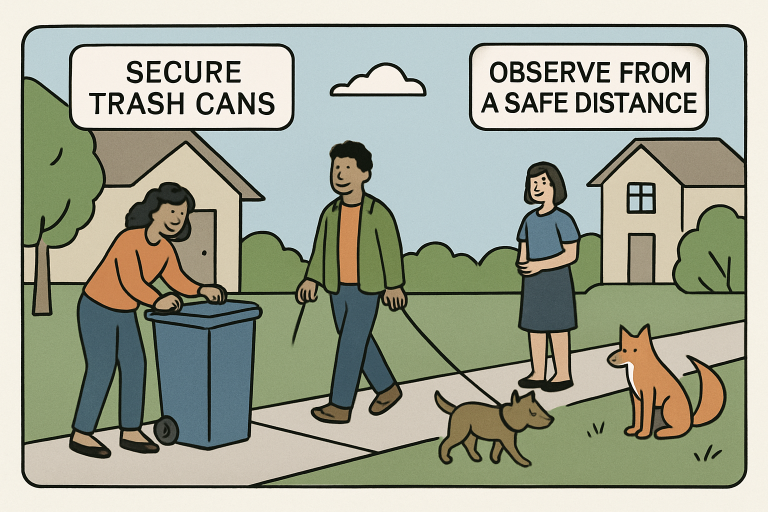
Table of Contents
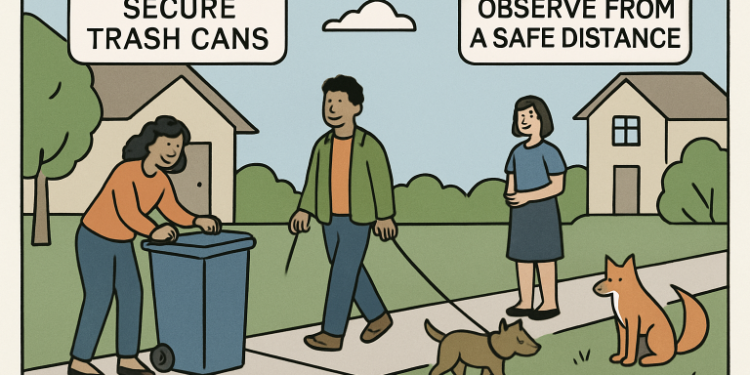
Secure Trash and Food Sources
One of the leading causes of urban wildlife problems is access to human food. Wildlife ranging from raccoons to bears are drawn to easy meals and will return if they are successful.
- Use trash cans with locking or tight-fitting lids and store them inside garages or sheds until pick-up day.
- Feed pets indoors whenever possible and avoid leaving dishes or spilled food outside.
- Pick ripe fruits or vegetables from your yard promptly, and clean up any fallen produce to prevent attracting animals.
Proactive steps to secure all potential food sources are among the most effective ways to minimize wildlife disturbances in cities and suburbs.
Keep Pets Safe
Pets may be at risk during wildlife encounters. Protective measures keep both domestic animals and urban wildlife out of harm’s way.
- Supervise pets when outside, especially at dawn and dusk, when wildlife activity is highest.
- Always keep dogs on a leash during walks; cats are safer indoors, where they are less likely to become prey or disrupt native wildlife.
Paying close attention to your pets’ habits and whereabouts is crucial to safe urban living.
Avoid Feeding Wildlife
Though feeding wildlife may seem compassionate, it can cause animals to lose fear of humans, increasing the risk of aggression, disease transmission, and property damage.
- Never intentionally feed wildlife, including squirrels, raccoons, or birds of prey, to avoid encouraging dependency.
- Teach children not to approach wild animals and explain the health and safety risks of interacting with them.
Preserving natural foraging behaviors is essential, both for animal well-being and public safety.
Be Prepared During Outdoor Activities
Urban parks and wooded neighborhoods can be home to a surprising variety of wildlife, some of which may be potentially dangerous to people.
- Stay vigilant and make noise when exploring trails or green spaces to avoid startling animals, particularly in areas known for larger wildlife.
- In bear-populated regions, always carry bear spray and travel in groups if possible.
- Stick to established paths and avoid hiking or jogging at dawn or dusk, when many animals are most active.
Preparedness and awareness can greatly reduce the risk of a close call or an unwanted confrontation during outdoor leisure activities.
Protect Your Home
Securing your property helps prevent animals from nesting or foraging too close to your living space.
- Seal up gaps, cracks, and entry points in your foundation, attic, or basement where wildlife might enter.
- Install chimney caps and cover vents or other access points to deter nesting.
- Trim trees and shrubs that touch or hang near your house to block off access to roofs and eaves.
These home improvements can significantly reduce the risk of wildlife intrusions and the costly damage they may cause.
Respect Wildlife Habitats
Maintaining a healthy balance between city life and wildlife requires respect for natural habitats.
- Always stay on marked trails and avoid entering wildlife refuges or protected areas without permission.
- View animals from a safe distance, using binoculars or cameras rather than approaching for a closer look.
- Do not remove plants or animals, as altering habitats can have serious consequences for biodiversity and ecosystems.
Encouraging responsible recreation in natural areas supports conservation and enhances the well-being of wildlife populations.
Educate Yourself and Others
Preventing wildlife conflicts and promoting peaceful coexistence begins with learning and sharing knowledge.
- Read up on the wildlife species found in your city and their seasonal behaviors or migration habits.
- Join or support community education programs and conservation projects.
- Talk to neighbors and participate in online community forums about wildlife sightings and best practices for urban cohabitation.
Education empowers communities to work together, fostering a safer and more connected experience for all residents—human and animal alike.
Applying these practical tips, neighborhoods can enjoy the best of urban living while safeguarding local wildlife and natural beauty for future generations.