


Table of Contents
- 1 The Strategic Link Between Marine Maintenance and Insurance
- 2 Core Functionality of Marine Asset Management Systems
- 3 Feature/Aspect Manual Spreadsheets & Paper Integrated Asset Management System Maintenance Tracking Disjointed, error-prone Automated, scheduled, real-time Inventory Control Inaccurate, stock-outs Optimized, multi-location, auto-requests Compliance Tedious, audit risks Automated records, easy reporting Data Visibility Fragmented, siloed Centralized, fleet-wide insights Cost Control Reactive, difficult to track Proactive, data-driven optimization Efficiency Low, labor-intensive High, streamlined workflows Decision Making Intuitive, delayed Data-driven, real-time Scalability Limited, complex High, modular, adaptable Operational Efficiency through Real-Time Data and AI
- 4 Frequently Asked Questions about Marine Asset Management
- 5 Conclusion
The Strategic Link Between Marine Maintenance and Insurance

We understand the intricate balance needed to maintain a thriving maritime business. It requires a comprehensive approach that blends technical prowess, diligent maintenance, and strategic risk mitigation. This article will explore how robust marine asset management practices are vital for ensuring vessel seaworthiness, maximizing asset lifecycle, and optimizing B2B operations. We will examine the core elements that drive operational efficiency and fleet uptime, offering insights into how proactive management transforms potential liabilities into predictable successes.

The maritime industry is inherently high-risk, making the strategic link between robust marine maintenance practices and insurance paramount. Effective Marine maintenance asset management directly influences a vessel owner’s risk profile, impacting everything from liability exposure to insurance premiums. By prioritizing proactive and well-documented maintenance, owners can significantly reduce the likelihood of equipment failure, unscheduled repairs, and potential accidents, all of which can lead to costly insurance claims and increased premiums.
Technical management, a cornerstone of marine asset management, focuses on maintaining vessel seaworthiness through meticulous planning and execution. This includes regular dry-docking, a critical process for hull inspection and repair, and comprehensive preventive maintenance programs for all onboard systems. When these activities are systematically managed and recorded, they provide irrefutable evidence of due diligence, which can be invaluable during insurance assessments or in the event of a claim. Furthermore, having access to expert technical assistance, like that offered by specialized helpdesk services, can be crucial for resolving issues promptly and maintaining operational continuity, reinforcing a strong risk management posture.
Reducing Liability Through Marine Maintenance and Insurance
Equipment failure is a leading cause of maritime incidents, which can result in significant financial losses, environmental damage, and human casualties. A well-implemented marine asset management system is designed to prevent such failures by tracking maintenance schedules, monitoring equipment performance, and flagging potential issues before they escalate. This proactive approach minimizes unplanned downtime, which is not only costly in terms of lost revenue but also increases the risk of operational mishaps.
Adherence to stringent safety standards, such as those mandated by the International Safety Management (ISM) Code, is non-negotiable. These codes are designed to ensure the safe operation of vessels and prevent pollution. Marine asset management systems integrate compliance checks and documentation, helping operators maintain high standards for crew safety and machinery reliability. By embedding risk assessment and incident prevention protocols into daily operations, these systems create a culture of safety that significantly reduces liability. Regular drills, safety meetings, and corrective actions, all tracked within the system, demonstrate a commitment to safety that can positively influence insurance terms and conditions.
Standardizing Records for Marine Maintenance and Insurance
The ability to produce clear, comprehensive, and standardized records is fundamental for both effective maintenance and favorable insurance outcomes. Marine asset management systems excel at creating detailed audit trails, digital logs, and certification tracking for every piece of equipment and every maintenance activity. This inspection history is critical for demonstrating regulatory compliance to auditors and regulators, ensuring transparency in operations.
Beyond compliance, well-maintained records are essential for optimizing Operational Expenditure (OPEX) management. They provide insights into maintenance costs, spare parts consumption, and vendor performance, enabling data-driven decisions that reduce overall operating expenses. In the context of insurance, robust historical data simplifies the claims processing procedure, providing insurers with the necessary documentation to assess damages and expedite payouts. This level of transparency and accountability, facilitated by digital records, builds trust with insurance providers and can lead to more favorable policy terms.
Core Functionality of Marine Asset Management Systems
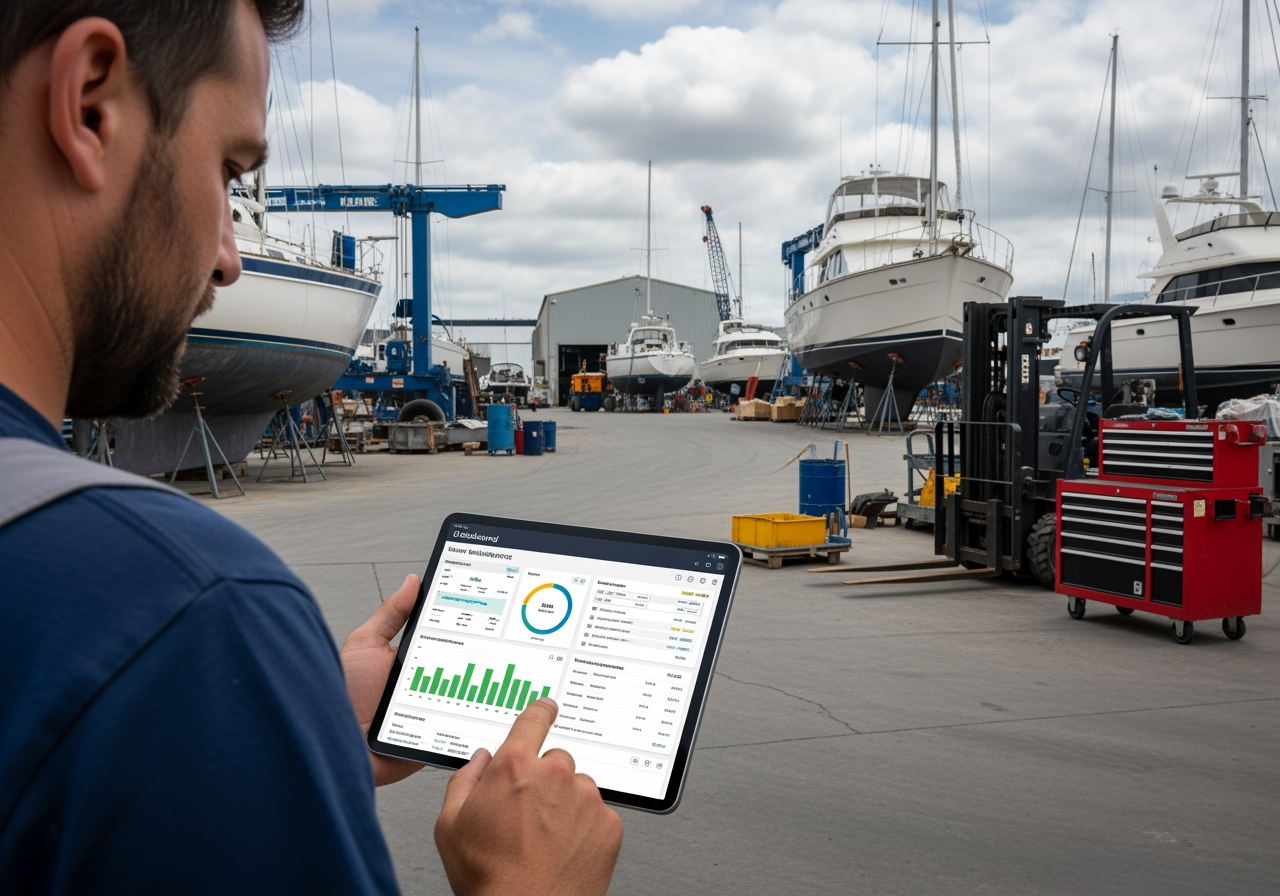
Modern marine asset management systems are sophisticated platforms designed to integrate various aspects of vessel operations into a cohesive framework. At their core, these systems revolve around a Planned Maintenance System (PMS), which automates the scheduling, execution, and tracking of maintenance tasks. Beyond maintenance, they typically include robust modules for inventory control, procurement, and cost management, offering a holistic view of a vessel’s operational health and financial performance.
The impact of these integrated systems on efficiency and cost reduction is substantial. For instance, some leading solutions have demonstrated an average cost reduction of 25% through optimized maintenance and operations. The trust placed in these systems is evident, with some platforms protecting over 10,000 vessels worldwide and benefiting from more than 40 years of maritime innovation. The trend toward interconnected digital solutions is clear, as vessel owners increasingly seek to unlock the full potential of their data through a digital ecosystem built for maritime innovation.
Inventory and Procurement Optimization
Effective inventory and procurement management are critical for controlling costs and ensuring operational continuity. Marine asset management systems provide granular control over multi-location stock, allowing operators to track spare parts and supplies across various vessels and warehouses. They facilitate the setting of optimal re-order levels and safety stock thresholds, often triggering automatic requests for replenishment based on consumption rates or scheduled maintenance needs. This proactive approach prevents shortages that could lead to costly delays or unplanned downtime.
These systems streamline the entire supply chain, from vendor management and quotation evaluation to purchase order generation and invoice processing. Integration with Enterprise Resource Planning (ERP) systems further enhances efficiency by synchronizing financial data and operational workflows. The goal is to implement a just-in-time inventory strategy, ensuring that necessary materials are available precisely when needed, minimizing storage costs and reducing waste. This level of material management provides unprecedented visibility into spare parts, enabling focused efficiency.
Crew Management and Training Integration
The human element is central to safe and efficient maritime operations. Integrated marine asset management platforms often include modules for crew management, recognizing that the performance of assets is intrinsically linked to the competence and well-being of the crew. These modules facilitate skill tracking, ensuring that crew members possess the necessary qualifications and certifications for their roles. Seafarer certification management helps maintain compliance with international regulations and company policies.
Beyond basic administration, these systems support comprehensive training programs, including safety drills and competency development initiatives. They can track individual training records, identify skill gaps, and schedule refresher courses. By fostering a culture of continuous learning and operational harmony, these platforms contribute significantly to the overall safety and efficiency of the fleet. Global manning offices, leveraging these systems, can ensure rigorous recruitment and robust training frameworks, ultimately enhancing vessel performance.
Selecting the Right System for Fleet Complexity
Choosing the appropriate marine asset management system is a strategic decision that depends heavily on the size and complexity of a fleet. Scalability is a key consideration, as the system should be able to grow with the organization, supporting everything from a few vessels to global enterprises. Most advanced systems offer a modular architecture, allowing operators to select and integrate specific functionalities as needed, rather than adopting an entire suite at once. This flexibility ensures that the system is tailored to the unique needs of the fleet, whether it’s a small operation or a large, diverse group of vessels.
Custom workflows, a user-friendly interface, and specific technical requirements (e.g., cloud-based vs. on-premise, mobile accessibility) are also critical factors. The goal is to find a system that not only meets current operational demands but also provides vendor-neutral flexibility, preventing lock-in and allowing for future integrations. The following table highlights the stark differences between managing assets with traditional methods versus an integrated system:
Feature/Aspect Manual Spreadsheets & Paper Integrated Asset Management System Maintenance Tracking Disjointed, error-prone Automated, scheduled, real-time Inventory Control Inaccurate, stock-outs Optimized, multi-location, auto-requests Compliance Tedious, audit risks Automated records, easy reporting Data Visibility Fragmented, siloed Centralized, fleet-wide insights Cost Control Reactive, difficult to track Proactive, data-driven optimization Efficiency Low, labor-intensive High, streamlined workflows Decision Making Intuitive, delayed Data-driven, real-time Scalability Limited, complex High, modular, adaptable Operational Efficiency through Real-Time Data and AI
The advent of real-time data analytics and artificial intelligence (AI) has revolutionized marine asset management, pushing operational efficiency to unprecedented levels. Digital twins, virtual replicas of physical assets, allow operators to monitor vessel performance, predict potential failures, and simulate maintenance scenarios without impacting live operations. This capability, combined with real-time data streaming from onboard sensors, forms the backbone of predictive maintenance strategies. Instead of adhering to fixed schedules or reacting to breakdowns, maintenance can be performed precisely when needed, optimizing asset uptime and reducing costs.
The integration of advanced technologies like blockchain security is also emerging, providing immutable records for critical operations, especially in complex environments like underwater asset management. For instance, platforms like MarineStream™ leverage AI and blockchain to transform fragmented data into unified, traceable digital records for subsea assets, ensuring transparency and compliance. The widespread adoption of these advanced systems is evident, with solutions trusted by over 7,000 vessels owned by hundreds of customers globally.
Cloud-based platforms and mobile accessibility are transforming how operations are managed at sea and ashore. Crew members can access and update maintenance logs, checklists, and work orders directly from their mobile devices, even in areas with limited internet connectivity. Many systems offer identical functionality online and offline, with seamless synchronization once a connection is re-established. This ensures that operations continue uninterrupted, regardless of bandwidth limitations, with some systems boasting single-digit millisecond performance for data access.
Sustainability and Emission Tracking
As the maritime industry faces increasing pressure to reduce its environmental footprint, marine asset management systems are becoming indispensable tools for achieving sustainability goals. These platforms enable comprehensive emission tracking, allowing operators to monitor and report on greenhouse gas emissions, fuel consumption, and other environmental indicators. This data is crucial for developing strategies to achieve net zero emissions and comply with evolving regulatory requirements.
Beyond tracking, these systems support operational optimization aimed at reducing environmental impact. This includes optimizing vessel routes for fuel efficiency, managing biofouling to reduce drag and fuel consumption, and monitoring ballast water treatment to prevent the spread of invasive species. By integrating environmental data with operational insights, vessel owners can make informed decisions that contribute to green shipping initiatives, enhancing their reputation and potentially reducing operational costs associated with environmental compliance.
Future Trends in Maritime Technology
The future of marine asset management is being shaped by several transformative trends. Blockchain technology is poised to enhance supply chain transparency, providing secure and verifiable records for everything from spare parts provenance to regulatory compliance. Open ecosystems and robust API integration are breaking down data silos, allowing seamless communication between various maritime systems, from ERPs to third-party logistics platforms. This fosters a more collaborative and efficient operational environment.
The proliferation of IoT sensors on vessels is generating vast amounts of data, fueling the development of more sophisticated predictive maintenance models. Advanced imaging and data collection techniques, such as 4K imaging and sonar data analysis, are providing unprecedented insights into asset condition, particularly for underwater infrastructure. Automated reporting, driven by AI and machine learning, is reducing administrative burdens and providing quicker, more accurate insights. These trends empower vessel owners with greater data ownership and control, enabling smarter, more sustainable, and more resilient operations.
Frequently Asked Questions about Marine Asset Management
What are the primary implementation challenges for new systems?
Adopting a new marine asset management system, while highly beneficial, can present several challenges. One of the most significant is data migration, which involves accurately transferring historical maintenance records, equipment registers, and inventory data from existing systems or spreadsheets into the new platform. This process requires meticulous planning and execution to ensure data integrity.
Another common challenge is change management. Introducing new technology often requires a shift in established workflows and practices, which can be met with resistance from personnel. Comprehensive personnel training is essential to ensure that crew members and shore-based staff are proficient in using the new system. Furthermore, setting up the equipment register, configuring technical coding (like SFI coding for standardized data), and ensuring seamless system integration with other maritime or enterprise systems (e.g., ERP, crewing software) can be complex and require specialized expertise. Best practices include a holistic approach, dedicated support for data migration, and a tailored change management strategy.
How do these systems ensure ROI for vessel operators?
Marine asset management systems deliver a substantial return on investment (ROI) by optimizing various aspects of vessel operations. By implementing predictive and proactive maintenance strategies, these systems significantly reduce unplanned downtime, which is a major cost driver for vessel operators. They optimize spare parts inventory, minimizing carrying costs while ensuring critical components are available when needed.
The enhanced record-keeping and compliance capabilities can lead to lower insurance premiums by demonstrating a strong commitment to risk management and safety. Extending the operational life of assets through better maintenance planning also contributes to ROI by delaying costly replacements. Furthermore, streamlining procurement processes and improving fuel efficiency through operational optimization directly impact the bottom line. With guaranteed reliability, often backed by high availability SLAs (e.g., up to 99.999% availability), operators can trust these systems to consistently deliver value.
Can asset management software function without internet connectivity?
Yes, many modern marine asset management software solutions are designed with the unique challenges of the maritime environment in mind, offering robust offline functionality. This is crucial for vessels operating in remote areas or those with intermittent internet access. These systems typically employ sophisticated offline synchronization mechanisms, allowing users to access, update, and manage data locally on their devices even when disconnected.
Once internet connectivity is restored, the system automatically synchronizes all changes with the central database, ensuring data consistency between ship and shore. This capability effectively overcomes bandwidth limitations and enables remote access and management without interruption. Mobile-first design principles ensure that the user experience is seamless across devices, with some platforms boasting single-digit millisecond performance regardless of connection speed. This continuous operation, whether online or offline, is vital for maintaining operational efficiency and data integrity across the fleet.
Conclusion
Marine asset management is the digital backbone of modern maritime operations, bridging the gap between technical maintenance and financial risk management. By integrating real-time data, comprehensive crew training, and proactive maintenance strategies, vessel owners can ensure both operational excellence and long-term asset value. The strategic implementation of these systems not only mitigates risks and ensures compliance but also drives significant cost savings and fosters a culture of efficiency and sustainability.
Investing in a robust marine asset management system is an investment in the future resilience and profitability of your fleet. If your marine service team is ready to replace spreadsheets with a real scheduling and maintenance system, Yacht Logic Pro was built specifically for yacht service businesses. Discover how our features can transform your operations. Book a demo or start a free trial today.