
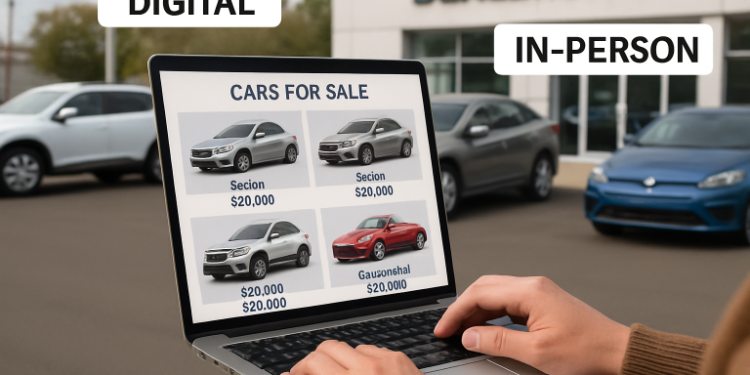
In recent years, the car-buying landscape has shifted dramatically. Forward-thinking dealerships and manufacturers are leveraging technology to reshape customers’ expectations, using digital tools and artificial intelligence to streamline every step of the journey. For those interested in leveraging these modern advancements and the latest services, learn more about how dealer groups are integrating these trends into their processes.
The traditional in-person dealership visit is no longer the only or even primary step for many buyers. Instead, a blend of online research, automated recommendations, and new purchasing models is creating a hybrid car buying experience that is more efficient and customizable than ever before. While convenient technology-based services are leading the way, there is still a growing appreciation for in-person verification and the ability to inspect a vehicle firsthand before making a final commitment.
With every innovation, the industry is learning to balance efficiency with the personal touch and flexibility with affordability. These changing trends are not just reshaping how vehicles are sold; they are shaping consumer expectations and driving the evolution of the entire automotive retail landscape. As the industry progresses, the focus remains on crafting a buying experience that prioritizes the consumer at every touchpoint.
Omnichannel offerings, increased personalization, and subscription models are no longer the exception but the rule, as dealerships respond to shifting demands. Even as technology improves, practical considerations such as affordability, transparency, and the assurance of being able to see a vehicle in person continue to factor heavily into buyer satisfaction.
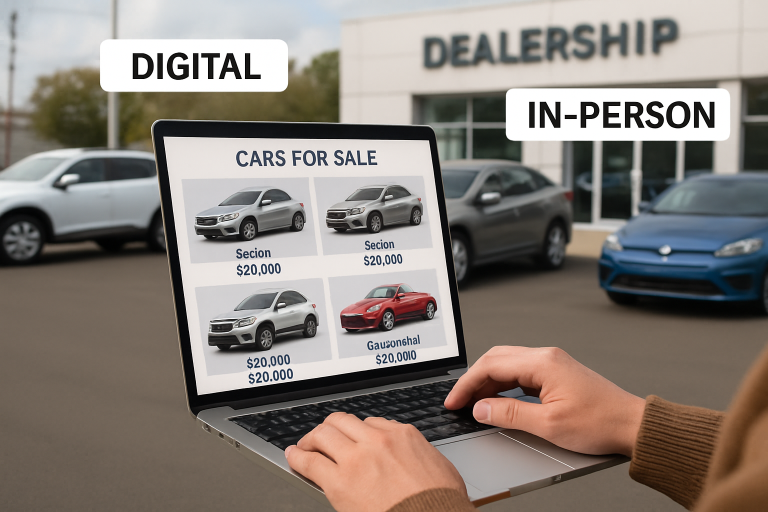
Table of Contents
Digital Tools and AI Enhancing the Buying Process
The car-buying process is being profoundly reshaped by digital tools and the integration of artificial intelligence. According to Cox Automotive’s 2024 Car Buyer Journey Study, customer satisfaction among new-car buyers has reached record levels, largely due to the ease and efficiency digital tools offer. With platforms enabling buyers to handle much of the paperwork online, review inventories in real-time, and schedule test drives at their convenience, consumers are experiencing unprecedented convenience and control over their purchase. As a result, tasks that once required multiple dealership visits are now being completed swiftly and with minimal friction. These advancements are making car buying more accessible and user-friendly for everyone involved.
AI is likewise revolutionizing the process, supporting both buyers and sellers. Chatbots and virtual assistants help customers answer questions and provide relevant information at any time, while dealership staff use AI-driven analytics to offer personalized recommendations. These smart systems can predict what type of vehicle a customer might be interested in based on browsing habits, search history, and even financial preferences. Improvements in online-to-offline integration mean that an individual’s digital journey seamlessly connects with the in-person dealership experience.
The Rise of Online Research and Omnichannel Approaches
Consumers are doing more of their research and initial interactions through online channels than ever before. Studies by CarGurus reveal that over 80 percent of car buyers now prefer to start their buying journey at home and feel comfortable performing the first steps online. Buyers are researching vehicle reviews, comparing prices, exploring financing options, and even making initial offers via digital platforms. However, nearly 9 in 10 still say they want to physically view and test-drive a car in person before making a final decision. This demonstrates the continued importance of in-person touchpoints for building trust and ultimately closing a sale.
Omnichannel strategies bridge these experiences by allowing shoppers to move back and forth between online and in-person steps without losing progress or information. Dealerships that offer this seamless experience tend to see higher customer satisfaction and loyalty because they make it easy for consumers to control their journey. This approach allows for a tailored process that reflects individual buying habits and communication preferences. According to a report from The Wall Street Journal, the pandemic accelerated omnichannel adoption, making these models not only popular but necessary for dealerships to stay competitive.
Personalization at Scale
Modern dealerships are applying data analytics and AI to create experiences tailored to each customer. Personalization now goes far beyond simply addressing a buyer by name. AI-driven recommendation engines draw on massive data sets to suggest vehicles based on a consumer’s previously expressed preferences, geographic area, and budget. This helps inventory selections and marketing messages become far more relevant, boosting engagement and satisfaction. Personalized maintenance schedules and service notifications further enhance value by prompting customers when their vehicle is due for service or when relevant offers are available.
Industry research from McKinsey finds that brands that employ advanced personalization strategies can increase conversion rates by up to 30 percent, while customer engagement can rise by as much as 50 percent. These tactics make consumers feel understood and appreciated, translating into greater brand loyalty and higher overall satisfaction. The use of AI for these efforts also enables personalization at scale, ensuring that each customer receives the individual attention previously possible only in a boutique setting.
Subscription Models Offering Flexibility
An emerging trend in automotive retail is the introduction of vehicle subscription services. Unlike traditional buying or leasing, subscriptions provide ultimate flexibility. Customers can switch vehicles every few months, enjoy all-inclusive monthly payments that cover insurance and maintenance, and avoid long-term commitments. These programs are particularly appealing to younger urban professionals and to those who need different vehicles for different seasons or lifestyles. Dealerships benefit as well, as these subscriptions foster ongoing customer relationships and generate new revenue streams beyond one-time vehicle sales.
As the popularity of subscription models grows, automakers and dealers are experimenting with varying levels of commitment, customization, and service bundles. This adds yet another layer of choice and personalization, reflecting the evolving demands of modern car buyers. In some markets, vehicle subscription services have already become a major disruptor, challenging the long-standing dominance of the conventional loan-or-lease approach. This evolution aligns with broader trends in consumer behavior, where flexibility is highly valued, and ownership is no longer the only path to vehicle access.
Affordability Challenges and Consumer Sentiment
As technology delivers more convenience and amenities to car buyers, affordability concerns remain front and center. Data from Edmunds shows a sharp increase in buyers agreeing to higher monthly payments, with more than 20 percent of financed new vehicle transactions surpassing $1,000 per month in late 2025. Rising prices and advanced vehicle technology are contributing to this trend, making it harder for many consumers to justify or afford new purchases. Dealers and automakers are responding by providing more transparent pricing, diverse financing options, and the aforementioned flexible ownership models to help customers manage costs and expectations.
The financial strain is not just about purchase price; it also reflects wider economic challenges, including higher interest rates and inflation. As a result, affordability is influencing both sentiment and purchasing decisions, prompting some buyers to delay purchases or seek out certified pre-owned vehicles instead. Addressing these concerns will require ongoing innovation and a commitment to customer-centric solutions from both automakers and dealers.
Final Thoughts
The future of car buying lies at the intersection of technology, personalization, and consumer choice. Digital tools, omnichannel strategies, and flexible models are delivering unprecedented levels of convenience and satisfaction for car buyers. Even as these advancements reshape the marketplace, persistent affordability challenges remind both dealerships and manufacturers to keep consumer needs firmly in focus. As the automotive industry continues to evolve, those who succeed will be the ones who balance innovation with real-world value and accessibility.