
Key Home Buying Trends Shaping the 2026 Market
The home-buying landscape is evolving rapidly, with the 2026 market expected to be defined by an array of trends that cater to changing lifestyles, environmental values, and economic realities. For anyone looking to navigate this shifting environment, staying tuned into these trends is crucial for making informed decisions and finding the right property for long-term satisfaction. Navigating these changes effectively often requires expertise from local professionals, such as Easton MD real estate experts Benson & Mangold Real Estate, who understand both national shifts and distinct regional dynamics.
From the dominance of eco-friendly features to the integration of advanced technology, buyers are setting new standards for what makes a house desirable. Economic factors, shifting demographics, and remote work will continue to shape buyer choices and reshape communities. As households become smaller and lifestyles more varied, preferences for design, flexibility, and efficiency continue to drive this transformation. For anyone entering or already active in the market, awareness of these influential factors will be essential for success.
Table of Contents
Sustainability and Green Building
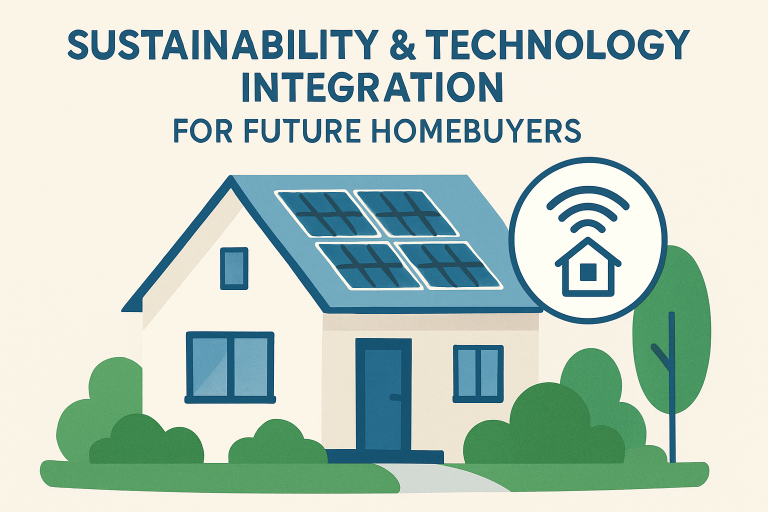
Homebuyers in 2026 are widely prioritizing energy efficiency and sustainable living. Both environmental concerns and the economic benefits of lower utility costs and increased property values drive this trend. Many buyers seek homes with smart thermostats, solar panels, and energy-efficient windows and appliances. The use of sustainable, durable building materials has become a decisive factor, with smart home device adoption expected to hit $53.45 billion by 2026. Such advancements don’t just cater to eco-conscious buyers—they also result in long-term cost savings and greater resale potential.
This focus fits into a global movement towards greater sustainability. Homeowners are increasingly influenced by green certifications, eco-friendly landscaping, and innovations that reduce a property’s carbon footprint. These elements are now an expectation rather than a luxury, as documented by resources such as Time Magazine’s coverage on net-zero emissions buildings.
Technological Integration in Homes
Innovative technology features have evolved from “nice to have” to a fundamental expectation in the minds of buyers in 2026. Homes with integrated bright lighting, voice-activated devices, high-speed internet, built-in charging stations, and security systems now stand out on the market. Tech-savvy families, in particular, value seamless connectivity and energy management facilitated by new systems.
Virtual home tours, AI-driven real estate tools, and real-time data are transforming both how homes are marketed and how buyers make choices. The National Association of Realtors found that around half of all prospective buyers rate virtual tours as extremely helpful—making it clear that digital convenience is central to the modern home search.
Flexible and Multigenerational Living Spaces
Adaptability is a top priority for today’s homeowners, who increasingly expect floor plans that evolve with their changing needs. Properties designed with accessory dwelling units (ADUs), finished basements, and in-law suites not only support multigenerational households but also offer opportunities for rental income, home offices, or private retreats. According to a Washington Post report on multigenerational living, the demand for homes with flexible layouts continues on an upward trajectory, as more families pool resources and accommodate aging relatives.
Personalized and Unique Home Designs
The trend toward individuality and bespoke style is influencing home designs nationwide. Homebuyers are stepping away from mass-market, uniform residences, instead opting for homes with distinctive elements. Bold trends such as color drenching—using a single hue to transform an entire room—are on the rise, alongside the desire for vintage accents and handmade decor. Zillow has reported a 149% increase in listings referencing color drenching, indicating a growing appetite for creative, one-of-a-kind interiors that reflect personal taste and lifestyle choices.
Economic Factors Influencing the Market
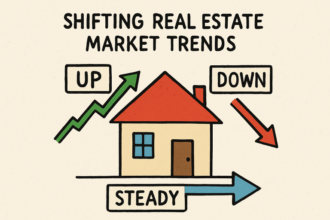
High mortgage rates continue to dampen enthusiasm among both buyers and current homeowners. With rates hovering near 6.5%, many are hesitant to take on new loans or upgrade from existing properties, contributing to a slower-paced market. Despite rising inventory, affordability remains a challenge, particularly for first-time buyers whose median age now stands at a record 38. Only modest home price appreciation is expected through 2026, signaling slow but steady growth with potential for a stronger recovery in 2027.
Remote Work and Location Flexibility
Remote and hybrid work models have revolutionized housing preferences, enabling more professionals to consider life outside major cities. As a result, demand has surged in suburban and rural communities, particularly for properties featuring dedicated office space and reliable internet connectivity. These priorities are also influencing amenities—from outdoor recreation areas to local co-working hubs—as buyers seek an optimal blend of personal and professional life. The trend has helped fuel the growth of secondary and exurban markets, where relative affordability meets elevated buyer expectations.
Rise of Smaller Homes
Demographic shifts toward smaller family units and simplified lifestyles have led to growing demand for compact, low-maintenance homes. Buyers now favor dwellings that maximize efficient use of space, with open layouts, innovative storage solutions, and reduced upkeep needs. Whether driven by affordability, sustainability, or lifestyle, the increased popularity of smaller homes signals a significant shift away from the era of sprawling residences, aligning more closely with the realities of contemporary living.
Conclusion
A convergence of sustainability, innovation, adaptability, and personalization marks the housing market of 2026. Trends in energy efficiency, innovative technology, flexible interior layouts, and smaller footprints are shaping how buyers and sellers approach homeownership. By understanding these evolving priorities, both consumers and professionals can make better-informed decisions and thrive in an ever-changing real estate environment.