
Innovative Home Building Trends Shaping 2026
As the home-building landscape continues to evolve in 2026, forward-thinking builders and homeowners are embracing innovative trends that blend environmental responsibility with cutting-edge technology. From adaptable living spaces to integrated smart-home systems, modern construction is centered on comfort, sustainability, and long-term value. A trusted new home construction & home improvement company in PA, stay ahead of these shifts to deliver homes built for the future.
Driven by a growing focus on efficiency, wellness, and personalization, today’s homes feature flexible layouts, eco-friendly materials, and seamless digital conveniences as standard. These advancements support smarter, healthier lifestyles while allowing families to tailor their spaces to their unique needs. As homeowners seek to future-proof their investments and enhance everyday living, staying aligned with evolving home-building trends has never been more crucial.
Table of Contents
Flexible Living Spaces
Modern homeowners are moving away from the rigid, single-purpose room concept. Instead, they are gravitating toward dynamic floor plans with rooms that easily adapt to changing needs. Consider how a home office might serve as a guest bedroom or how open-plan layouts allow for seamless adjustments to accommodate entertaining, remote work, or schooling. This flexibility accommodates evolving family structures, promotes more effective use of square footage, and supports the rapid changes characteristic of contemporary life.
Sustainable Building Materials
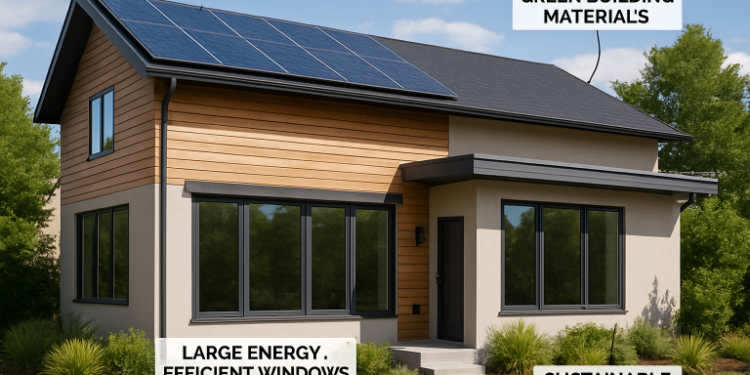
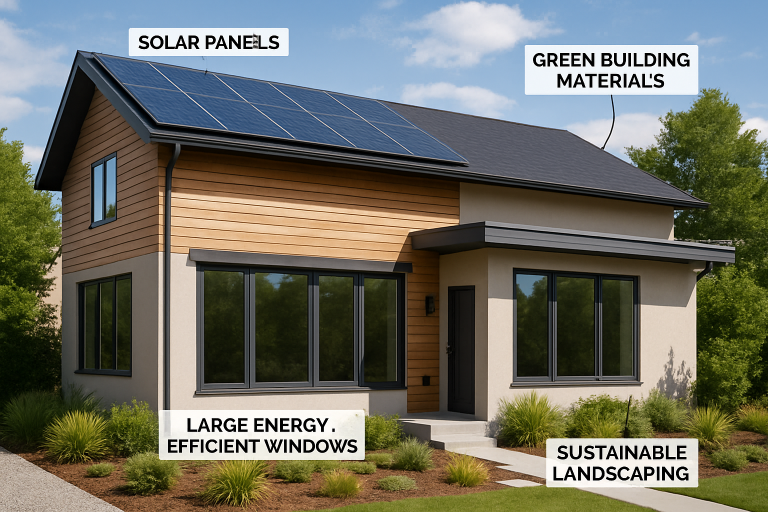
Sustainability remains at the forefront of home-building decisions in 2026. Eco-friendly materials such as recycled steel, reclaimed wood, and advanced composites are being prioritized for their durability, low environmental footprint, and energy-efficient benefits. Builders often integrate features such as solar-ready roofing, high-performance windows, and energy-efficient insulation. By strategically orienting homes for passive solar gain and installing water conservation systems, such as rainwater harvesting and drought-resistant landscaping, new builds are consistently pushing toward net-zero energy standards. The shift toward green construction is accelerating across the industry, highlighting its importance to both buyers and builders.
In many regions, sustainable building features are not merely encouraged—they are mandated. Local regulations increasingly require construction methods that reduce energy consumption and prioritize renewable resources, prompting builders to remain agile and proactive in their approach to environmental stewardship.
Smart Home Integration
Smart homes are now the rule rather than the exception for new construction. Homebuyers expect Wi-Fi-enabled thermostats, integrated security systems, smart lighting, and energy management systems from the outset of a project. Builders collaborate closely with tech providers to seamlessly wire homes for future device compatibility, making upgrades and digital additions straightforward down the line. This proactive approach ensures that homes are not only comfortable and convenient but also secure and efficient, helping to manage utility costs and personal safety in an increasingly connected world. Integrating smart home infrastructure tops the list of buyer priorities, especially among younger generations entering the housing market.
The prevalence of devices like voice-activated assistants and interconnected appliances means builders are prioritizing robust infrastructure—such as strong home networks and centralized control systems—to empower truly smart living environments from day one.
Modular and Prefabricated Construction
Modular and prefabricated construction methods are revolutionizing home building by delivering speed, efficiency, and superior quality control. Pre-engineered modules are manufactured in off-site facilities, reducing project timelines, weather-related delays, and on-site waste. Homeowners benefit from more predictable construction schedules and lower overall costs, while builders enjoy streamlined workflows and easier regulatory compliance. These innovative approaches are projected to account for an increasing percentage of new builds in North America, indicating a fundamental shift in how homes are designed and constructed for future generations.
Pare-down waste and enhanced energy performance are two of the significant advantages of prefabrication. Homes constructed under factory conditions achieve higher precision, contributing to better insulation, seamless building envelopes, and ultimately, long-term operational savings.
Wellness-Oriented Design
Health and well-being are paramount to homeowners in 2026. Wellness-oriented homes prioritize maximizing natural light through expansive windows and skylights, incorporate superior air filtration systems, and utilize green building materials that minimize toxins and allergens. Biophilic design, integrating natural elements such as living walls and indoor gardens, is on the rise, as is the inclusion of dedicated spaces for meditation, yoga, or quiet reflection. Advanced circadian lighting systems, which simulate the natural changes in daylight, are gaining traction in mainstream design, supporting healthy sleep patterns and overall wellness. These features are increasingly seen as valuable differentiators in a competitive housing market.
Quality-of-life features not only support homeowners’ well-being but also elevate a property’s unique appeal. From healthier air and reduced noise pollution to visually soothing materials and layouts, wellness-oriented homes deliver benefits that extend well beyond aesthetics.
Conclusion
The home building industry’s pivot toward adaptive spaces, green construction, smart technology, innovative assembly methods, and wellness-driven features is redefining how Americans live in and relate to their homes. As 2026 approaches, homeowners, builders, and communities alike benefit from the adoption of these forward-thinking trends—ensuring living spaces that are comfortable, resilient, and attuned to future needs.