
Innovations in Thermal Drying and Evaporation for the Chemical Industry
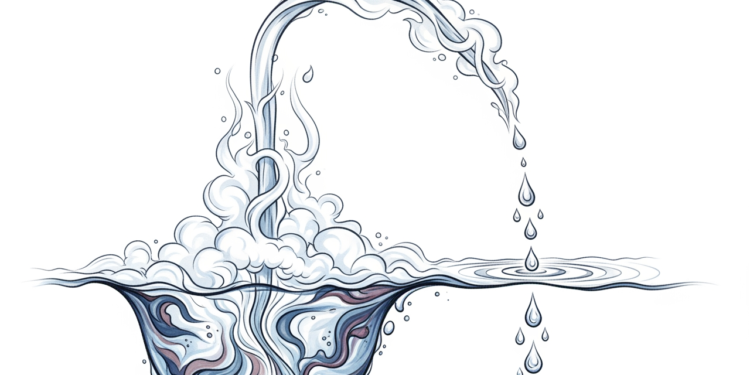
Table of Contents
Core Principles of Thermal Separation in Chemical Processing
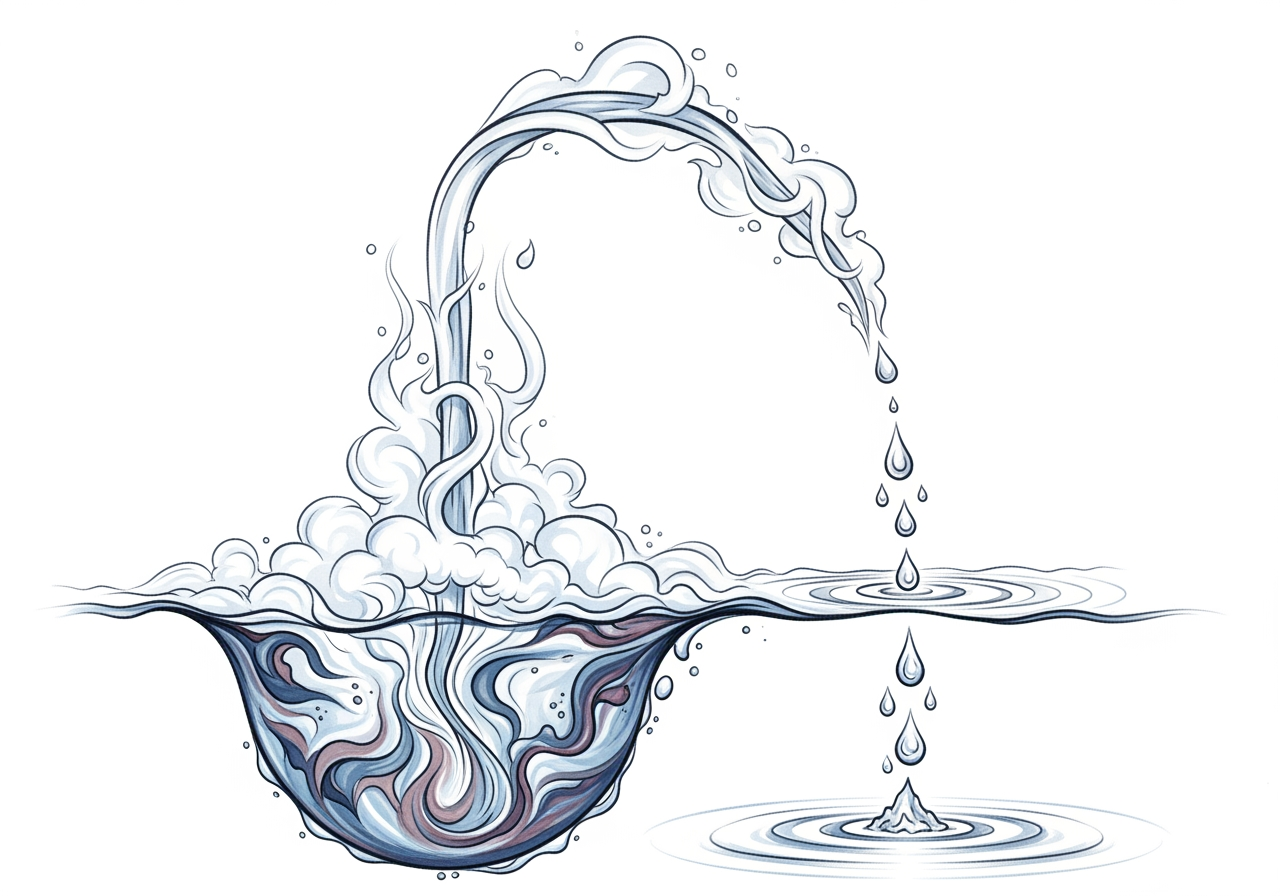 The pursuit of pure products is essential across countless industries. From life-saving medicines to high-performance fuels, the quality of a final product often depends on effective separation techniques. Among these, distillation stands out as a fundamental and enduring process.
It is a core method for purifying liquids. It allows us to separate valuable components from complex mixtures.
In this comprehensive guide, we will thoroughly explore the definition of distillation. We will dive into the scientific principles that govern its operation. We will also examine its diverse types and critical applications. Join us as we uncover how this ancient technique remains indispensable in modern industrial processes.
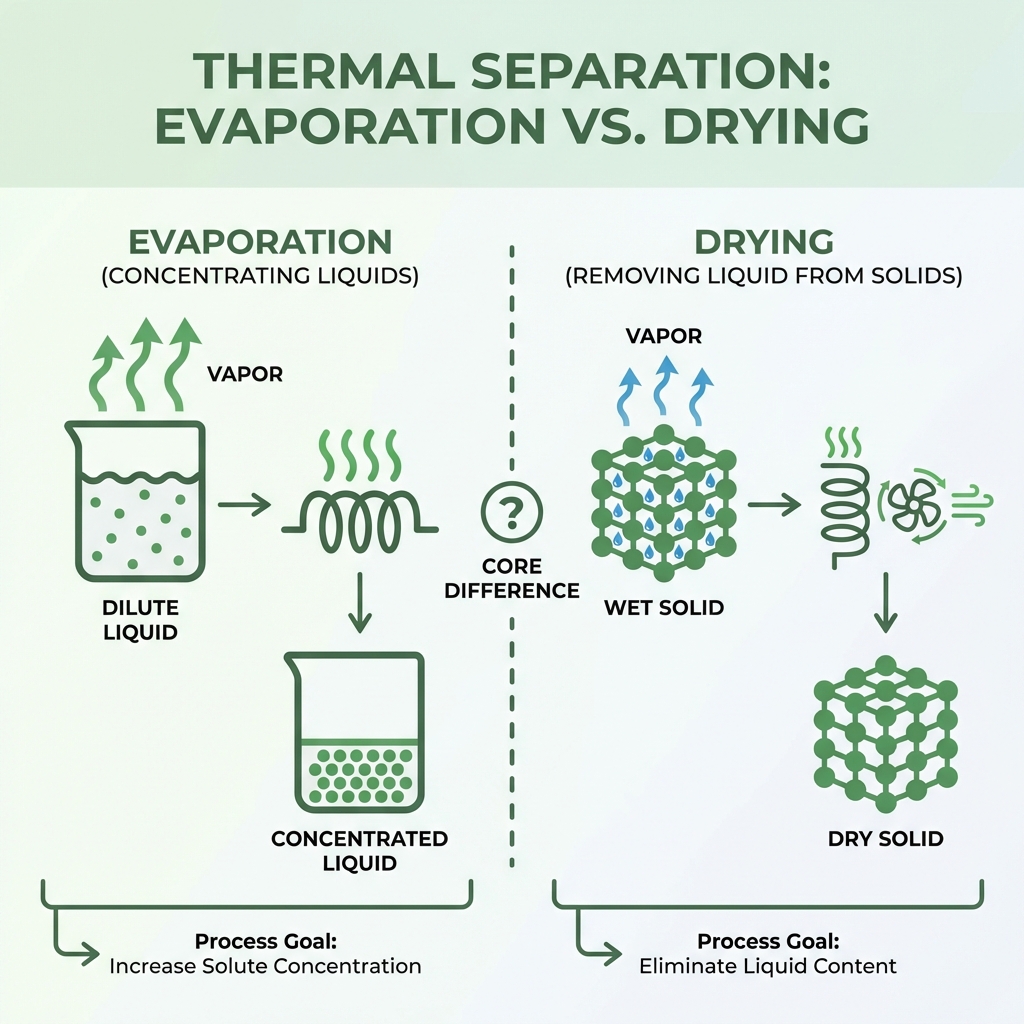
Thermal separation techniques, including distillation, evaporation, and drying, are cornerstones of chemical processing. They all rely on the careful application of heat to induce phase changes, separating components of a mixture. Understanding the fundamental principles of heat and mass transfer is crucial for optimizing these processes and achieving desired product quality and energy efficiency.
Understanding Heat and Mass Transfer
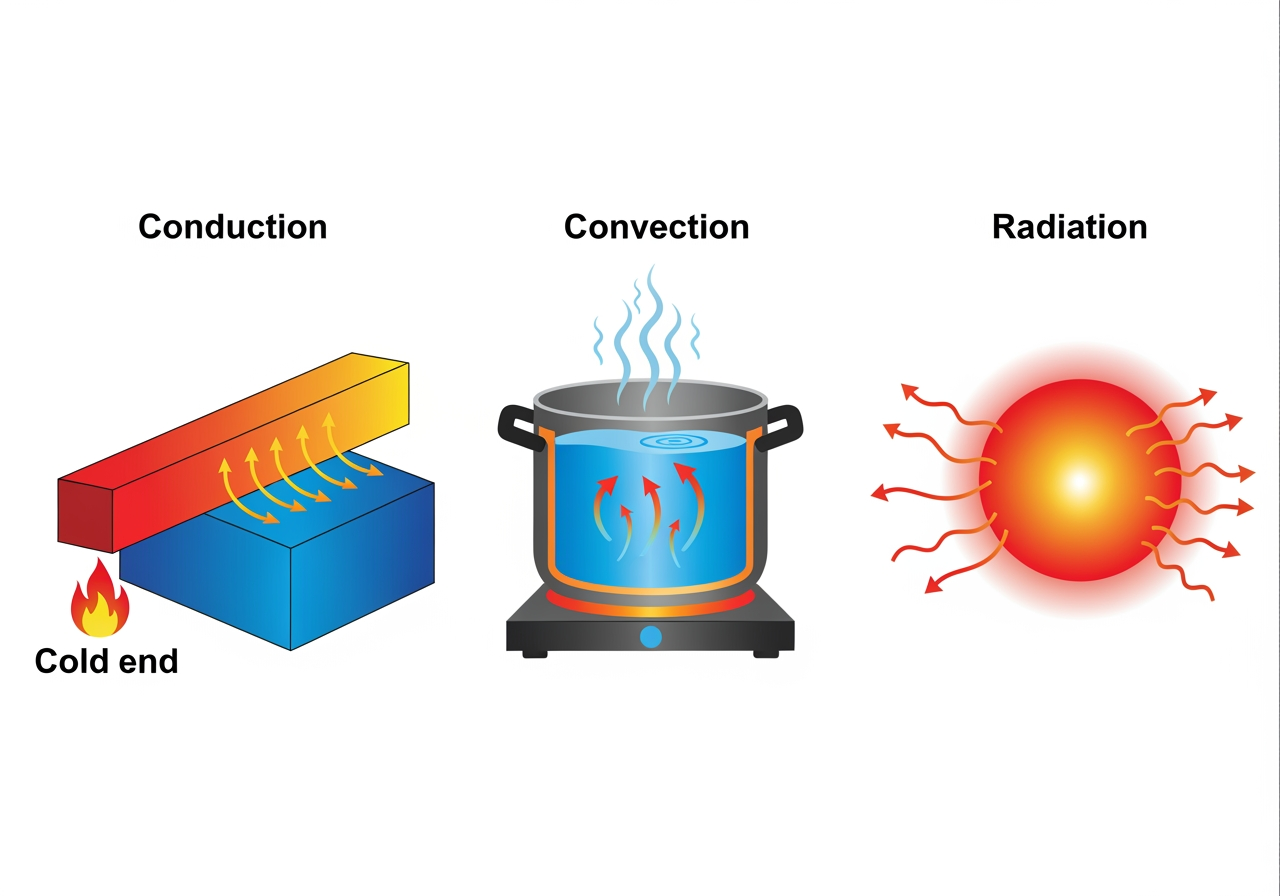
At the heart of any thermal separation lies the interplay of heat and mass transfer. Heat transfer, the movement of thermal energy from one place to another, can occur through three primary mechanisms:
- Conduction: Direct transfer of heat through molecular collisions, common in solids or between a solid surface and a fluid.
- Convection: Heat transfer through the movement of fluids (liquids or gases). This is often seen when hot air or steam carries heat to a product.
- Radiation: Transfer of heat through electromagnetic waves, which does not require a medium.
Simultaneously, mass transfer involves the movement of material from one location to another. In distillation, this is the movement of volatile components from the liquid phase to the vapor phase, and then back to a purified liquid phase. Key concepts include:
- Diffusion: The net movement of particles from an area of higher concentration to an area of lower concentration.
- Vapor Pressure: The pressure exerted by a vapor in thermodynamic equilibrium with its condensed phases (solid or liquid) at a given temperature in a closed system. Differences in vapor pressure are fundamental to distillation.
- Equilibrium Moisture Content: In drying, this refers to the moisture content of a material when it is in equilibrium with its surrounding air, meaning there is no net exchange of moisture.
These principles dictate how efficiently we can separate substances. A comprehensive understanding of the drying and distillation definition shows how these concepts apply across different thermal separation techniques, highlighting the intricate balance required for effective industrial operations.
Impact of Material Properties on Drying
While distillation focuses on separating liquids based on volatility, drying concentrates on removing a liquid (typically water or a solvent) from a solid material. The effectiveness and choice of drying method are heavily influenced by the material’s inherent properties:
- Particle Size: Smaller particles offer a larger surface area for moisture evaporation, generally leading to faster drying. However, they also increase the risk of dust explosions.
- Porosity: Highly porous materials can hold more moisture internally, requiring longer drying times or more intensive methods to extract liquid from the internal structure.
- Thermal Sensitivity: Many chemical and pharmaceutical products are heat-sensitive and can degrade or lose efficacy at liftd temperatures. This necessitates gentle drying methods, often involving vacuum or lower temperatures.
- Crystalline vs. Amorphous Structure: Crystalline materials tend to release moisture more readily, while amorphous materials may form a hard, impermeable crust, hindering further drying.
- Hygroscopic Materials: These materials readily absorb moisture from the atmosphere, making it challenging to achieve and maintain very low moisture content. Special handling and packaging are often required.
Understanding these material characteristics allows us to select the most appropriate and efficient drying technology, ensuring product integrity and process safety.
A Guide to Modern Industrial Drying Equipment
Industrial drying equipment is diverse, designed to handle a vast array of materials and processing requirements. The selection of a dryer depends on factors like the material’s physical state, thermal sensitivity, desired final moisture content, production capacity, and economic considerations. Broadly, dryers can be categorized by their primary mode of heat transfer and whether they operate in batch or continuous modes.
Convection Dryers: Leveraging Gas Flow for Efficiency
Convection dryers transfer heat primarily through the movement of a hot gas (usually air) that comes into direct contact with the wet material. This category is known for its versatility and efficiency in many applications.
- Spray Dryers: Ideal for drying liquids, slurries, or pastes into powders. The liquid is atomized into fine droplets, which are then contacted with hot gas in a drying chamber. This rapid drying process is excellent for heat-sensitive materials.
- Fluid Bed Dryers: Suspend solid particles in an upward-flowing stream of hot gas, creating a “fluidized” state. This ensures excellent heat and mass transfer, resulting in uniform drying. They are suitable for granular materials and powders.
- Flash Dryers: Designed for very rapid drying of moist, particulate solids. The wet material is dispersed into a stream of hot gas, and drying occurs almost instantaneously as the particles are conveyed through the system.
- Through-Air Dryers: Used for materials that can form a permeable bed, such as fibers, textiles, or granules. Hot air is passed directly through the bed of material.
These dryers optimize product atomization and residence time to achieve efficient moisture removal.
Conduction-Based Industrial Drying Equipment
Conduction dryers transfer heat directly from a heated surface to the wet material. These are often preferred for materials that can be spread thinly or agitated against a heated surface.
- Drum Dryers: A thin film of liquid or slurry is applied to the surface of heated rotating drums. The material dries rapidly, and the dried product is scraped off. They are effective for viscous liquids and pastes.
- Vacuum Shelf Dryers: Operate under vacuum, allowing for drying at lower temperatures. Wet material is placed on heated shelves within a vacuum chamber. The vacuum also facilitates the removal of evaporated moisture.
- Rotary Dryers: Consist of a rotating cylindrical shell, slightly inclined, through which material tumbles as it’s heated. They are robust and suitable for granular, non-sticky materials.
- Agitated Thin-Film Dryers: Use a heated cylindrical wall with internal agitators that spread the material into a thin film. This provides excellent heat transfer and is suitable for viscous or sticky products.
These systems rely on indirect heating and maximize the surface area exposed to the heated surface for efficient drying.
Advanced and Specialized Drying Systems
Beyond conventional convection and conduction, specialized drying technologies address unique challenges, such as extreme thermal sensitivity or specific product characteristics.
- Microwave and Radio Frequency (RF) Dryers: Employ volumetric heating, where electromagnetic energy penetrates the material, causing water molecules to vibrate and heat up from within. This allows for rapid and uniform drying, often at lower ambient temperatures.
- Freeze Dryers (Lyophilization): A sophisticated method where material is frozen and then subjected to a vacuum, causing ice to sublimate directly into vapor. This process preserves the structure and biological activity of highly sensitive products.
- Superheated Steam Dryers: Use superheated steam as the drying medium. The absence of oxygen prevents oxidation, making them suitable for oxygen-sensitive products and offering high energy efficiency due to heat recovery potential.
These advanced systems leverage principles like volumetric heating and sublimation to deliver precise and gentle drying solutions.
The Synergy of Evaporation and Drying Systems
In many chemical processes, evaporation serves as a crucial pre-concentration step before final drying. This integrated approach can significantly improve overall process efficiency, reduce energy consumption, and optimize equipment sizing. By removing a substantial portion of the solvent (usually water) through evaporation, the load on the subsequent dryer is considerably reduced.
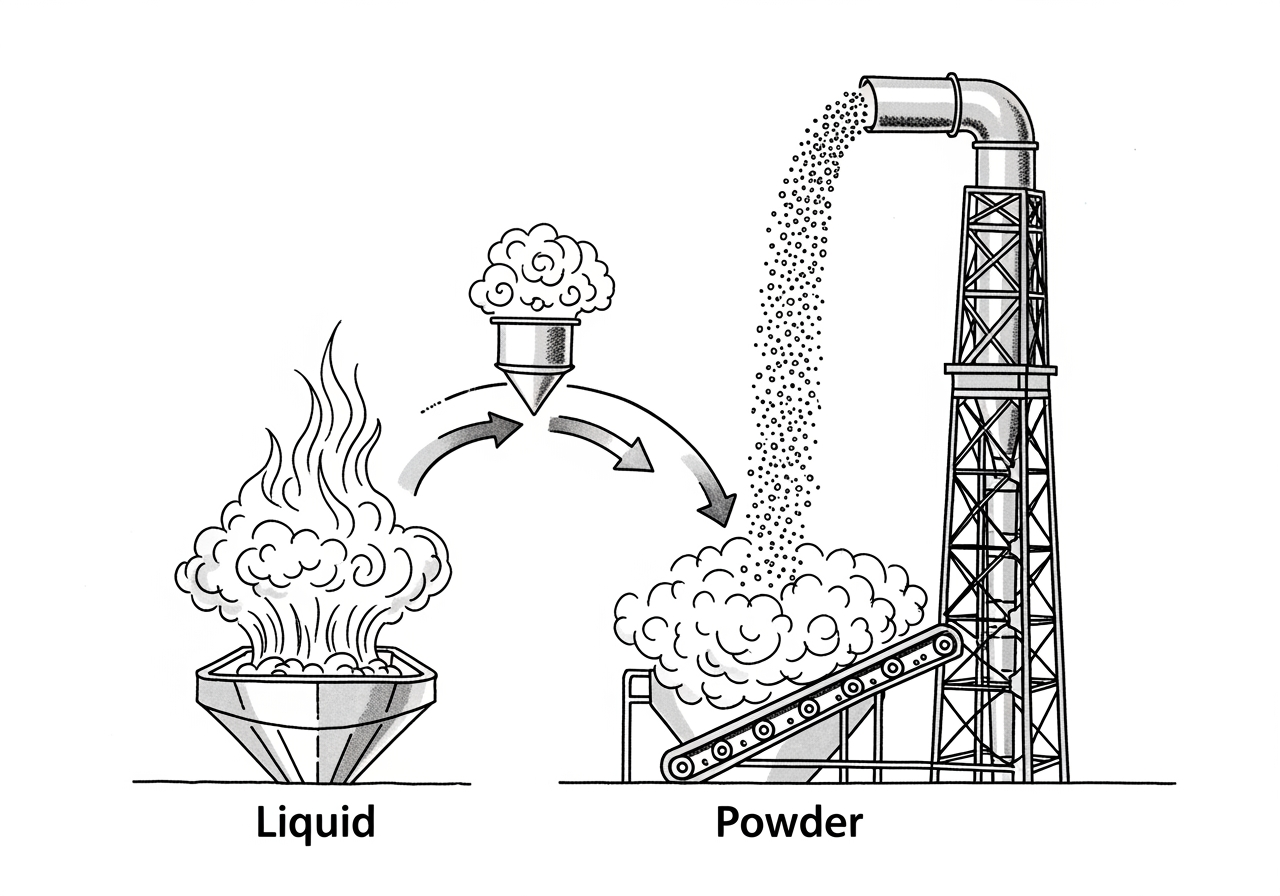
The synergy between evaporation and drying is particularly beneficial when dealing with dilute solutions or slurries. Evaporators efficiently increase the solids content and viscosity of the feed, making it more suitable for downstream drying operations like spray drying, drum drying, or fluid bed drying. This pre-concentration step often leads to substantial energy savings, as evaporators are typically more energy-efficient for bulk liquid removal than dryers.
Key Evaporator Technologies for Pre-Concentration
Evaporators are designed to concentrate a solution by boiling off the solvent, leaving behind a more concentrated liquid or slurry. Various designs cater to different product characteristics and process needs:
- Falling Film Evaporators: Liquid flows as a thin film down the inside of long vertical tubes, while heating medium is applied to the outside. This design offers high heat transfer coefficients and short residence times, making it suitable for heat-sensitive products.
- Forced Circulation Evaporators: A pump forces the liquid through heat exchanger tubes at high velocity, preventing boiling within the tubes. Flashing occurs when the heated liquid enters a separator vessel, making them ideal for viscous, fouling, or crystallizing liquids.
- Agitated Thin-Film Evaporators: Similar to agitated thin-film dryers, these use a rotating agitator to spread a thin film of viscous or fouling liquid onto a heated surface, promoting efficient evaporation.
- Thermal Vapor Recompression (TVR): Uses a steam jet ejector to compress a portion of the evaporated vapor (secondary steam) to a higher pressure and temperature, allowing it to be reused as the heating medium. This significantly reduces fresh steam consumption.
- Mechanical Vapor Recompression (MVR): Employs a mechanical compressor to raise the pressure and temperature of the evaporated vapor, which is then used as the heating medium. MVR systems are highly energy-efficient, often requiring only electrical energy for the compressor.
These technologies are selected based on the specific properties of the feed material and the desired level of concentration.
Optimizing Integrated Evaporator and Industrial Drying Equipment Systems
The true power of combining evaporation and drying lies in optimizing their interaction. Effective system integration involves careful design and control to maximize benefits:
- Process Control: Advanced control systems are essential to manage the interface between the evaporator and dryer, ensuring stable feed to the dryer and consistent product quality.
- Heat Integration: Maximizing heat recovery between the evaporator and dryer, and within each unit, is paramount for energy efficiency. For example, waste heat from a dryer exhaust might preheat the evaporator feed.
- Reducing Dryer Load: By efficiently pre-concentrating the material, evaporators significantly reduce the amount of liquid the dryer needs to remove, allowing for smaller, more energy-efficient dryers or increased throughput.
- Improving Throughput: An optimized integrated system can handle larger volumes of dilute feed, leading to higher overall production capacity.
- Capital vs. Operating Costs: While integrated systems may have higher initial capital costs, they often yield substantial savings in operating costs due to reduced energy consumption and improved efficiency.
The holistic design of these systems considers the entire process chain, from raw material to final product, to achieve the most economical and effective solution.
Innovations Driving Efficiency and Sustainability
The chemical industry is under constant pressure to improve efficiency, reduce operational costs, and minimize its environmental footprint. Innovations in thermal processing are pivotal in meeting these demands, focusing on energy recovery, closed-loop operations, and advanced automation.
The Role of Vapor Recompression in Energy Reduction
Vapor Recompression (VR) technologies, particularly Mechanical Vapor Recompression (MVR) and Thermal Vapor Recompression (TVR), represent significant advancements in energy efficiency for evaporation systems. They address the inherent energy intensity of evaporation by reusing the latent heat of vaporization.
- Mechanical Vapor Recompression (MVR): In MVR, a mechanical compressor draws off the vapor generated during evaporation, compresses it to a higher pressure and temperature, and then feeds it back as the heating medium to the evaporator. This cycle dramatically reduces the need for external steam.
- Thermal Vapor Recompression (TVR): TVR uses a steam jet ejector (often called a thermocompressor) to entrain and compress a portion of the evaporator’s vapor using a small amount of high-pressure motive steam. The resulting mixture of compressed vapor and motive steam is then used as the heating medium.
Both MVR and TVR technologies are instrumental in reducing steam consumption and lowering the carbon footprint of evaporation processes. Key benefits of implementing MVR in evaporation systems include:
- Significant reduction in energy consumption (up to 90% in some cases)
- Lower operating costs due to reduced steam demand
- Reduced cooling water requirements
- Smaller environmental impact (lower CO2 emissions)
- Increased thermal efficiency for heat-sensitive products
Automation and Smart Controls for Process Optimization
Modern thermal separation systems are increasingly integrated with advanced automation and smart control technologies. These innovations move beyond simple process regulation to enable real-time optimization, predictive maintenance, and improved product consistency.
- Real-time Moisture Monitoring: Sensors provide continuous data on product moisture content, allowing for immediate adjustments to drying parameters and preventing over- or under-drying.
- Advanced Process Control (APC): APC systems use complex algorithms to analyze multiple process variables and make predictive adjustments, optimizing energy use and product quality.
- Predictive Maintenance: By monitoring equipment performance and identifying potential issues before they lead to breakdowns, smart controls reduce downtime and maintenance costs.
- Data Logging: Comprehensive data collection and analysis provide valuable insights for continuous process improvement and compliance reporting.
- Improved Product Consistency: Automated systems ensure tighter control over operating conditions, leading to more uniform product quality batch after batch.
These smart technologies are crucial for achieving Industry 4.0 objectives, changing thermal processing into highly efficient, self-optimizing, and sustainable operations.
Frequently Asked Questions about Thermal Drying
How do you select the right industrial dryer for a specific chemical product?
Selecting the optimal industrial dryer involves a multi-faceted evaluation. Key factors include the material’s physical form (e.g., slurry, paste, powder, granules), its thermal sensitivity (how it reacts to heat), the required final moisture content, the desired production capacity, and critical safety considerations for volatile or hazardous materials. We also assess the material’s rheological properties, particle size distribution, and whether it’s crystalline or amorphous. Often, laboratory testing is conducted to determine the most suitable drying curve and equipment configuration.
What are the primary safety concerns when operating industrial drying equipment?
Safety is paramount in industrial drying. Major concerns include managing risks of dust explosions, especially when handling fine powders. This requires explosion-proof designs, inert gas blanketing, and proper ventilation. Handling flammable solvents necessitates closed-loop systems, solvent recovery, and strict ignition source control. Operator safety around high-temperature surfaces and moving parts is addressed through guarding, interlocks, and comprehensive training. Proper ventilation is essential to remove evaporated solvents and prevent hazardous vapor concentrations.
How does applying a vacuum improve the drying process?
Applying a vacuum significantly improves the drying process, particularly for heat-sensitive materials. By reducing the ambient pressure within the drying chamber, the boiling point of the liquid being removed (e.g., water or a solvent) is drastically lowered. This allows for drying at significantly lower temperatures, which is crucial for protecting heat-sensitive products from degradation, decomposition, or loss of active ingredients. Furthermore, the increased vapor pressure difference between the material and the surrounding environment can accelerate the drying rate, leading to faster processing times and improved efficiency.
Conclusion
The journey through thermal separation, from the fundamental distillation definition to advanced drying and evaporation systems, reveals a landscape of continuous innovation. We’ve seen how core principles of heat and mass transfer underpin these critical processes, enabling the purification and concentration of substances across diverse industries. The evolution from standalone units to integrated, intelligent systems, particularly through technologies like vapor recompression and advanced automation, highlights a clear trajectory towards greater efficiency and sustainability. The chemical industry’s commitment to reducing energy consumption and environmental impact is driving the development of these sophisticated solutions. The future of thermal processing lies in holistic system design, where each component works in synergy to deliver optimal performance, product quality, and a greener footprint.