

Experiencing a car accident is not only distressing but also potentially dangerous if proper steps aren’t taken immediately. The confusion and shock of an accident can quickly give way to additional hazards if you aren’t adequately prepared. That’s why staying informed and knowing what to do next—from moving your vehicle to documenting the scene—is crucial for your safety and future well-being. If you’re ever uncertain about your legal rights, reaching out to an Albuquerque personal injury lawyer can provide invaluable guidance, particularly in scenarios involving injury or dispute.
Understanding these essential safety measures can help prevent additional harm, facilitate the navigation of insurance issues, and ensure compliance with the legal obligations required in your state. By acting thoughtfully and calmly, you not only protect yourself but also everyone else involved in the incident. The right steps taken during these critical moments can also positively influence any legal or insurance claims that may arise from the accident.
The aftermath of a car accident is also a time for careful documentation. Having clear photographs, a record of the area, and credible witness accounts will help smooth out the process that follows. Even minor incidents should be treated with diligence to avoid overlooked injuries or costly mistakes later.
Remember that every jurisdiction may have specific reporting and legal requirements, so it pays to be familiar with both local and state laws. This ensures that you do not inadvertently miss a critical step in the process, which could affect your responsibilities or rights in the aftermath of an accident.
Table of Contents
Immediate Safety Measures
After a collision, your first responsibility is to ensure the safety of everyone on the scene. If your vehicle is drivable and there are no serious injuries, move it to a safe spot off the road, such as the shoulder or a nearby parking lot. This helps reduce the risk of a secondary accident and keeps you and others safe. It’s crucial to activate your hazard lights to alert oncoming drivers to an emergency situation.
If it’s unsafe to move vehicles or if there are injuries, stay inside your car with your seatbelt fastened until help arrives. Keep in mind that staying calm and collected is essential for your judgment and for securing the scene from further danger. Emergency responders will guide you on what to do next once they arrive.
Contacting Authorities
No matter how minor the accident appears, it’s important to notify the police. If there are any injuries or significant property damage, please call 911 immediately. Not only can authorities provide medical assistance, but a police report will also be valuable for insurance claims and potential legal proceedings. In some areas, failing to report an accident can result in fines or additional liability.
If you feel unsafe or if someone tries to leave before the authorities arrive, notify the 911 operator so they can prioritize the appropriate response. Remember, involving law enforcement helps protect your interests and those of everyone else involved.
Documenting the Accident
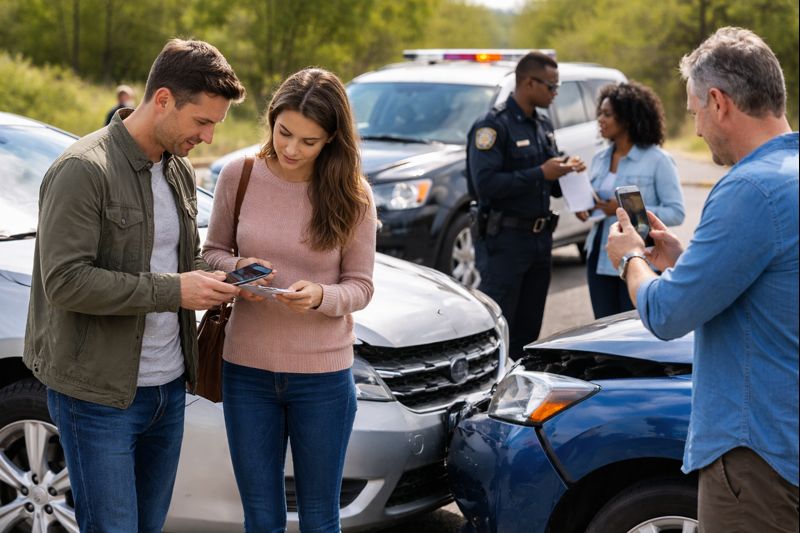
Proper documentation at the scene is one of the best protections you have. Use your smartphone to take clear pictures of all vehicles, focusing on visible damage, license plates, and key details like nearby traffic signs or signals. Record the date, time, location, and any relevant weather or road conditions that might have contributed to the incident. If you’re able, sketch a simple diagram of the accident scene.
If there are witnesses to the accident, please politely request their names and contact information. Their statements could prove critical in resolving insurance or legal matters.
Exchanging Information
Exchange driver’s license numbers, insurance policy details, full names, addresses, and phone numbers with every other driver involved. Remain respectful and refrain from discussing who was at fault or making any admissions of guilt. The facts and official reports should determine liability, not personal assumptions made on the spot.
It’s wise to double-check the information for accuracy before leaving the scene. Missing or incorrect details can significantly delay or complicate the insurance claims process.
Seeking Medical Attention
Even if you believe you are uninjured, always opt for a medical evaluation after an accident. Some injuries, such as whiplash, internal bruising, or concussions, may not show symptoms immediately but can lead to serious complications if undiagnosed. Seeking prompt care ensures that injuries are identified, documented, and treated early, which can also aid with any future injury claims.
If emergency services respond to the scene, allow them to assess everyone involved. Keep track of any medical documentation, as this can be vital when working with insurers or legal representatives.
Notifying Your Insurance
Contact your insurance provider as soon as possible following an accident. Provide them with a detailed account, including all relevant photos, notes, and any official reports from the scene. Prompt communication and cooperation can accelerate your claim and minimize the risk of delays or disputes.
If you’re unsure what your policy covers or how filing a claim might affect your premiums, take time to review your policy or speak directly with your insurance agent for clarification.
Understanding Legal Obligations
Every state has distinct laws governing responsibilities after an accident. For example, in Texas, you must move your vehicle off the roadway if it’s safe and drivable to avoid causing a traffic hazard. Knowing your rights and obligations—such as minimum reporting requirements and the duty to exchange information—is crucial. Failure to comply can result in unnecessary fines or legal difficulties. Consult your state’s Department of Motor Vehicles website for specific information regarding reporting and liability laws in your area.
Preventive Measures for Future
Preventing future accidents should always be a priority. Practice defensive driving, always wear your seatbelt, and eliminate distractions such as texting, adjusting navigation, or using other devices while driving. Maintain a safe distance using the two-second rule and ensure your vehicle receives regular maintenance checks to prevent mechanical failure. Continuing your driver education through reputable online resources, such as those provided by the National Highway Traffic Safety Administration (NHTSA), can further reinforce safe driving habits.
Conclusion
Staying safe on the road after a car accident involves immediate action and careful documentation. Key steps include prioritizing safety, contacting authorities, documenting the scene, exchanging information, seeking medical care, and notifying your insurance provider. Understanding local laws and taking preventive measures can further reduce risks. By staying calm and proactive, you can effectively navigate the aftermath of an accident and protect your well-being and legal rights.