

How to Spot Early Signs of Driveway or Parking Lot Failure Before It’s Too Late
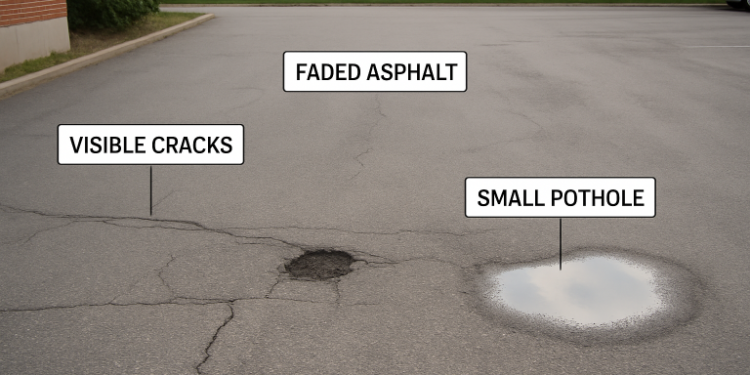
Maintaining the structural integrity and aesthetic appeal of your paved surfaces is crucial for ensuring safety, longevity, and maintaining property value. Early detection of pavement deterioration often means the difference between minor, inexpensive fixes and extensive, costly repairs. Whether it’s a residential driveway or a busy commercial lot, addressing problems as they arise ensures your investment remains sound and safe for all users. For businesses and homeowners seeking dependable parking lot paving La Porte, IN, staying informed on the warning signals is the first crucial step.
The warning signs may appear subtle at first, but understanding what to look for empowers you to act swiftly, reducing the risk of accidents and avoiding sizable repair bills. From unsightly cracks to poor drainage, learning to recognize these red flags ensures that issues are addressed before they escalate into safety hazards or liability concerns. Read on to discover the most critical indicators that your driveway or parking lot may be starting to fail.
Table of Contents
Cracks and Fissures
Small cracks in asphalt or concrete may seem insignificant, but they serve as gateways for water infiltration. This initial damage, if not managed, can worsen substantially as moisture seeps in and expands during freeze-thaw cycles, rapidly degrading the pavement’s subsurface. Familiarize yourself with the common types:
- Alligator Cracks: Networks of fine, interlocking cracks resembling a reptile’s skin, signaling distress in the subbase.
- Longitudinal Cracks: Parallel to the pavement’s centerline, these typically develop from temperature shifts or improper construction jointing.
- Block Cracks: Large, rectangular fissures that form as asphalt ages and contracts.
Early detection and crack sealing significantly extend pavement life by keeping water and debris out, according to guidance from pavement industry professionals. 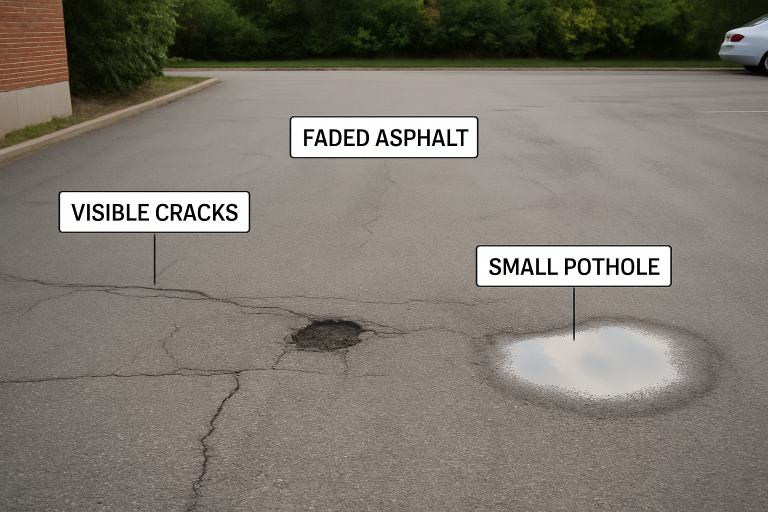
Potholes
Potholes form due to water-driven expansion beneath the surface, disrupting the pavement and often creating hazardous, unsightly holes. Prolonged exposure to heavy traffic and weather extremes can exacerbate these issues. Timely identification and repair—such as patching or infrared asphalt restoration—minimize pavement breakdown and protect users from vehicle damage or injury.
Fading and Discoloration
Healthy asphalt pavement sports a rich black color, which fades over time due to constant sun exposure and oxidation. This fading not only diminishes curb appeal, but also indicates structural weakening—old, brittle surfaces are far more susceptible to cracking. Regular sealcoating every two to three years acts as a protective barrier, helping retain flexibility and withstand the rigors of sunlight, chemicals, and traffic.
Pooling Water
Water that sits on your pavement after a rainfall is a clear sign of drainage or grading concerns. Persistent puddling erodes the asphalt binder and weakens the underlying base, planting the seeds for cracks, potholes, or surface depressions. Maintaining sloped surfaces and ensuring clear, unobstructed drains prevent this type of water-related damage and keep your pavement’s foundation resilient.
Uneven or Warped Surfaces
Noticeable dips, waves, or slumps typically indicate that the foundation is shifting beneath your driveway or parking lot. Excessive weight, improper installation, or soil movement can cause these formations, compromising both surface safety and drainage ability. Early identification enables targeted interventions—such as adding reinforcement, resurfacing, or reconstructing trouble areas—before widespread failure occurs.
Raveling
Raveling is the process by which aggregate particles in asphalt are loosened and separated, leaving behind a rough, deteriorated texture. This problem often occurs because of an aging binder, inadequate mixing, or frequent freeze-thaw cycles. Once identified, surface treatments such as slurry sealing or thin overlays can restore texture and act as a preventive measure against future damage.
Vegetation Growth
Plants sprouting through cracks are more than an eyesore—they’re a sign that the pavement structure has been compromised. Over time, root systems can push segments of pavement apart, exacerbating cracks and allowing additional water to seep in. Promptly removing vegetation and filling cracks with proper sealants stops weeds from taking root and prolongs the life of your paved investment.
Drainage Issues
Inadequate drainage—whether from blocked gutters, poor surface grading, or clogged stormwater systems—leads to localized flooding, erosion, and subbase failure. Scheduling regular inspections to keep water flowing away from paved surfaces is a cornerstone of preventative maintenance.
Prevention and Maintenance Tips
Vigilant, proactive maintenance is the best line of defense against premature pavement failure:
- Conduct twice-yearly visual inspections to check for signs of cracks, depressions, or fading color.
- Sealcoat and apply crack filler every 2–3 years, depending on traffic levels and weather conditions.
- Keep drains, gutters, and the surrounding landscape clear to prevent water accumulation.
- Repair potholes and raveling areas promptly to halt progression.
- Consult with professional paving contractors for early signs of warping or severe base problems.
Staying attentive and regularly scheduling maintenance ensures that minor issues are addressed before they escalate into major, costly repairs. With thoughtful care, your driveway or parking lot will provide years of safe and reliable service.