
How to Live Like a Local: Finding a Rental in a Culturally Rich Neighborhood
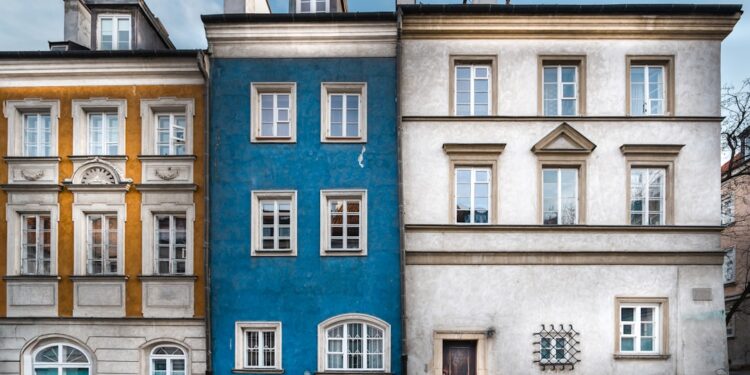
Table of Contents
Decoding the Market: Key Trends in Urban Rentals

Our guide is for anyone dreaming of this experience. We know finding the perfect urban rental can seem daunting. The market can be and competitive. But with the right knowledge, it’s an achievable dream.
We will explore the benefits and challenges of urban renting. We’ll look at current market trends and what to expect. We’ll also share practical tips for navigating your search. This includes understanding property features and using modern tools. For those relocating, especially professionals or travelers needing flexible terms, specialized services for Urban rentals, Detroit happy hours, Otis Pilsen urban rentals can provide a turnkey solution in dynamic neighborhoods.
Join us as we help you find your ideal home. We believe everyone can live like a local in their chosen urban community.
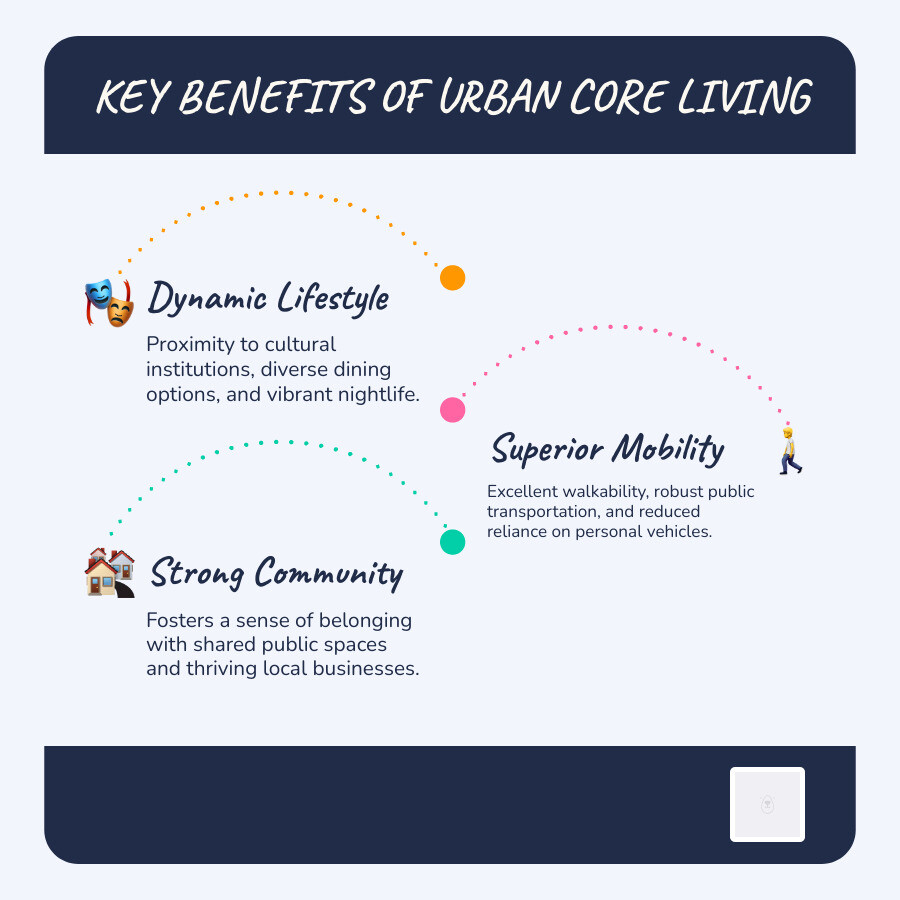
The decision to choose an urban rental is often driven by a desire for a dynamic lifestyle. The benefits are numerous: proximity to cultural institutions, diverse dining options, and vibrant nightlife. Urban environments often boast excellent walkability and robust public transportation, reducing reliance on personal vehicles. This accessibility fosters a strong sense of community, where neighbors interact in shared public spaces and local businesses thrive.
Culturally rich neighborhoods, in particular, offer an immersive experience. These are areas often defined by historic architecture, thriving arts scenes, local markets brimming with unique goods, and a palpable sense of identity. From the historic districts of St. Petersburg to the busy art scenes of a major metropolis, these areas provide a backdrop for a truly engaging living experience. Renting in such a locale means more than just a place to sleep; it means embracing a lifestyle.
Understanding the current landscape of urban rentals is crucial for any prospective renter. The market is a complex interplay of supply, demand, economic factors, and shifting demographics. We’ve seen significant fluctuations in recent years, influenced by everything from global migration patterns to local employment rates.
Across major urban centers, market conditions can vary dramatically. For instance, in Canada, the rental market has experienced both rapid growth and periods of stabilization. The average vacancy rate for purpose-built rental apartments across Canada rose to 2.2% in 2024 from 1.5% in 2023, though this still remains below the 10-year historical average of 2.7% . This indicates a market that, while still tight, is experiencing some easing as new supply comes online.
Supply, in particular, has been a major factor. Calgary, for example, saw its purpose-built rental supply grow by an astonishing 11% in 2025, marking the fastest growth in decades. This surge in new construction aims to meet increasing demand, often driven by interprovincial migration and a robust job market. However, this growth doesn’t always translate to immediate relief in affordability, as many new units are often in higher-rent segments.
Rent growth, while still significant, has shown signs of slowing compared to previous peak years. Nationally, average rent growth for 2-bedroom units rose by 5.4% in 2024, down from a record 8.0% in 2023. This moderation can be attributed to increased supply and, in some cases, a slight softening of demand due to economic pressures or changes in migration patterns.
However, a critical factor influencing overall rent increases is tenant turnover. When units turn over, landlords often have the opportunity to reset rents to market rates, which can be considerably higher than what long-term tenants pay. In Canada, rents increased by 23.5% when units turned over, accounting for more than 40% of the overall rent increase nationally. This highlights the importance of tenant retention for both landlords and renters seeking stability.
Different cities within Canada present unique challenges. Victoria, British Columbia, has seen its average rents for 2-bedroom units surpass those of Toronto, making it the second most expensive market in Canada, behind Vancouver. Meanwhile, Calgary’s overall vacancy rate for purpose-built rental apartments increased to 4.8% in 2024, despite an 8.9% increase in average rent for 2-bedroom units. These regional disparities underscore the need for renters to research specific local market conditions.

What to Expect from Today’s Urban Rentals Market
As we dig deeper into the urban rental market, several key aspects stand out. Affordability remains a significant challenge for many, with the widely accepted guideline suggesting that rent should not exceed 30% of one’s pre-tax income. Exceeding this threshold classifies a household as “rent-burdened.”
The type of housing available also plays a crucial role. We differentiate between purpose-built rentals, which are designed and constructed specifically for rental use, and condominium apartments, which are typically owned by individuals and then rented out. The availability and pricing of these two types can significantly impact the urban rental landscape. For instance, in some markets, the influx of new purpose-built rentals can put pressure on condominium landlords to adjust their pricing to remain competitive. This dynamic affects both availability and the stability of lease terms, as purpose-built rentals often offer more consistent management and longer-term planning.
For renters seeking vibrant city life, exploring options like Otis Pilsen urban rentals can offer a glimpse into modern apartment living in a culturally distinct area. These types of developments often combine contemporary amenities with a connection to the local community, catering to the desires of today’s urban dweller.
Finding the right urban rental is a multi-faceted process that goes beyond simply browsing listings. It requires careful consideration of location, community amenities, and the specific features of potential properties.
Location is Key: The adage “location, location, location” holds particularly true in urban settings. Proximity to work, schools, and essential services can dramatically impact your daily life. We recommend evaluating transportation access thoroughly. Look for areas with good public transit options, and consider the “Walk Score” and “Bikeability” of a neighborhood. These scores can indicate how easy it is to live without a car, a common desire for urban dwellers.
Community and Lifestyle: Beyond practicalities, consider the lifestyle a neighborhood offers. Research local schools, especially if you have children. Resources like GreatSchools.org provide valuable insights into school quality and ratings, which can be crucial for families. Explore the availability of parks and recreational facilities; for example, Urban Place Apartments in Tampa boasts 5 parks within 3.5 miles, offering residents ample green space. Proximity to shopping centers, dining, and nightlife also contributes significantly to the urban experience. Urban Place Apartments, for instance, is conveniently located near 3 shopping centers within 1.4 miles.

Evaluating Specific Properties: Once you’ve narrowed down your desired neighborhoods, it’s time to assess individual properties. Many modern listings offer virtual tours, such as Matterport 3D tours, allowing you to explore a unit remotely before an in-person visit. Renter reviews can provide invaluable insights into the living experience, though it’s wise to consider the overall sentiment and look for recurring themes. Building ratings, like those provided by CoStar, offer an objective assessment of a property’s features, design, and amenities.
Essential Features and Amenities for Urban Rentals
Urban renters today seek a blend of convenience, comfort, and community. When evaluating properties, consider both in-unit features and the broader community amenities.
In-unit features often include modern kitchens with stainless steel appliances and granite countertops, in-unit washer/dryer hookups or machines, and ample storage space. Balconies or patios are highly sought after for outdoor living. For example, Urban Place Apartments in Tampa offers units with one to four bedrooms, featuring amenities like renovated units, vaulted ceilings, and all-electric kitchens, with rents ranging from $1,399/month to $2,500/month .
Community amenities improve the urban living experience significantly. These can include fitness centers, swimming pools, and dedicated pet-friendly areas like dog parks. Many urban complexes also offer co-working spaces, business centers, and social lounges that foster a sense of community. Other desirable amenities might include bicycle storage, package lockers, and on-site maintenance.
Here’s a list of top amenities often sought by urban renters:
- In-unit washer/dryer
- Modern kitchen appliances and finishes
- Fitness center/gym access
- Pet-friendly policies and amenities (e.g., dog park)
- Parking options (garage, assigned)
- High-speed internet access
- Outdoor space (balcony, patio, communal rooftop)
- Community lounge/co-working space
- Security features (controlled access, cameras)
- Proximity to public transportation
Overcoming Urban Rental Problems: Affordability and Competition
While the allure of urban living is strong, it often comes with significant challenges, primarily high demand, intense competition, and escalating affordability issues.
The competitive nature of urban rental markets means that desirable properties can be leased quickly. We often see multiple applications for a single unit, making it essential for prospective renters to be well-prepared. This includes having all necessary documents ready, such as credit reports, income verification, and references.
The affordability crisis is perhaps the most pressing concern for urban renters. Median asking rents in many major cities have reached record highs. In New York City, for instance, the median asking rent on publicly listed apartments rose to a record $3,500 per month in 2023, translating to $42,000 per year. To avoid being “rent-burdened” (spending more than 30% of income on rent), a household would need an annual income of over $140,000 to afford this median asking rent.
This situation is exacerbated by the fact that market rents are estimated to be about 17% higher today than right before the pandemic in NYC. More than half of all households citywide are classified as rent-burdened .
Case Study: New York City New York City’s rental market offers a stark illustration of these challenges, alongside unique solutions like rent regulation. A significant portion of NYC’s housing stock, roughly half of all renter households, lives in rent-regulated apartments. These regulations, which include rent control and rent stabilization, aim to limit rent increases and provide greater security for tenants. However, the median gross rent across all NYC households (including regulated units) still rose by 12% from $1,500 in 2019 to $1,680 in 2022. This disparity between market-rate asking rents and the actual rents paid by incumbent tenants highlights the complex segmentation of the housing market.
Despite these measures, affordability remains a major obstacle, particularly for new renters entering the market. Strategies for finding more affordable options often involve exploring emerging neighborhoods that are still developing their cultural and commercial infrastructure. Considering smaller units or shared living arrangements (roommates) can also significantly reduce costs.
The Modern Renter’s Toolkit: Technology and Resources
In today’s urban rental market, leveraging technology and understanding available resources are paramount. Both renters and property managers benefit significantly from digital solutions that streamline processes and improve the living experience.
Leveraging Technology for Renters: Online listing platforms have revolutionized the search process, offering filters for location, price, amenities, and more. Virtual tours, as mentioned earlier, save time and provide a realistic preview of properties. For those needing flexible terms or temporary stays, online platforms specializing in furnished units can be invaluable.
The Role of Property Management: Property management companies play a critical role in connecting renters with suitable properties and ensuring a smooth living experience. Modern property management leverages technology for everything from online applications and lease signing to streamlined maintenance requests and online rent payments. Companies like Urban Core St. Petersburg Property Management, with over 50 years of industry experience and managing over 400 units, exemplify this blend of experience and modern efficiency. They specialize in historic districts like Old North East and Crescent Lake, offering a curated selection of quality apartments and single-family homes.
Platforms like Guesty are changing urban rental operations by providing comprehensive solutions for property managers. Guesty’s platform integrates a channel manager, multi-calendar, unified inbox, and dynamic pricing tools (Guesty PriceOptimizer) to optimize operations and guest experiences . This allows property managers to efficiently handle bookings across various platforms, centralize communication, and adjust pricing in real-time to maximize occupancy and revenue. For renters, this often translates to more responsive communication and a smoother rental process.
Finding Local Gems: Beyond formal listings, finding a rental in a culturally rich neighborhood often involves tapping into local resources. Exploring neighborhood blogs, social media groups, and community forums can provide insider tips on available rentals, local events, and the overall vibe of an area. These informal networks can be particularly useful for uncovering unique properties that might not be widely advertised. For those relocating, especially professionals or travelers needing flexible terms, specialized urban rentals can provide a turnkey solution in dynamic neighborhoods, offering convenience and a local experience from day one.
Frequently Asked Questions about Urban Rentals
What is the best way to find a rental in a competitive urban market?
The best approach is to be proactive and prepared. Start your search early, ideally a few months before your desired move-in date. Have all your financial documents, credit report, and references ready to submit quickly. Set up listing alerts on multiple platforms to be notified immediately when new properties become available. In highly competitive markets, consider working with a reputable rental agent who has local expertise and access to off-market listings. Acting swiftly when you find a suitable property is crucial.
How do I assess the true cost of an urban rental beyond the monthly rent?
Beyond the advertised monthly rent, several additional costs can impact your budget. Factor in utilities (electricity, gas, water, internet), which can vary significantly. Ask about parking fees, especially in dense urban areas where parking can be scarce and expensive. Some buildings charge amenity fees for access to gyms, pools, or common areas. Don’t forget renter’s insurance, which protects your belongings. Transportation costs, whether for public transit passes or car-sharing services, should also be considered. Finally, if you have pets, anticipate pet rent or non-refundable pet fees.
What are my rights as a renter regarding rent increases and lease renewals?
Renter rights vary significantly by location, so research your local and state laws. Many urban areas have specific regulations concerning rent increases, notice periods for lease non-renewal, and tenant protections. Cities like New York, for example, have complex rent control and rent stabilization laws that dictate how much landlords can raise rents and under what conditions. The Federal Fair Housing Act also protects renters from discrimination based on race, color, religion, sex, handicap, familial status, or national origin . Always review your lease agreement thoroughly, as it outlines the terms and conditions of your tenancy, including renewal clauses and notice requirements.
Conclusion
The journey to finding an urban rental in a culturally rich neighborhood is an exciting one, offering the promise of a vibrant and engaging lifestyle. We’ve explored the myriad benefits, from walkability and diverse amenities to a strong sense of community. However, we also acknowledge the challenges, particularly the competitive nature of the market and the pervasive issue of affordability.
Navigating this landscape successfully requires a blend of thorough research, preparedness, and strategic utilization of modern tools. By understanding market trends, evaluating properties comprehensively, and leveraging technology, renters can significantly improve their search. Remember to consider not just the property itself, but also the broader community, transportation options, and local resources that will shape your daily life.
Finding a rental is about more than just securing a lease; it’s about finding a home that resonates with your aspirations and allows you to truly live like a local. With the right approach, your ideal urban community awaits. Your journey to a culturally rich urban living experience starts with an informed choice.