

How Playgrounds Fit Into Long-Term Urban Infrastructure Planning
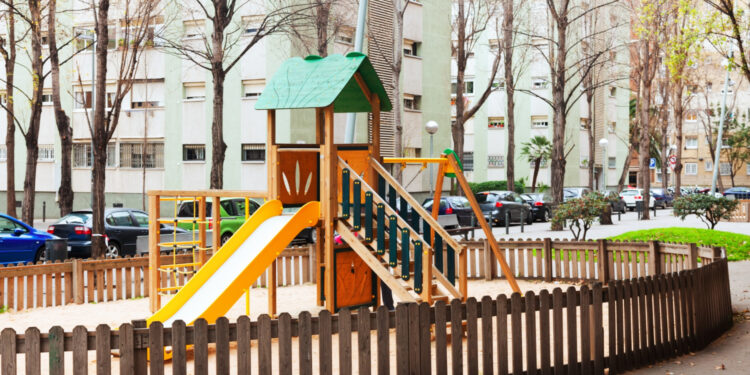
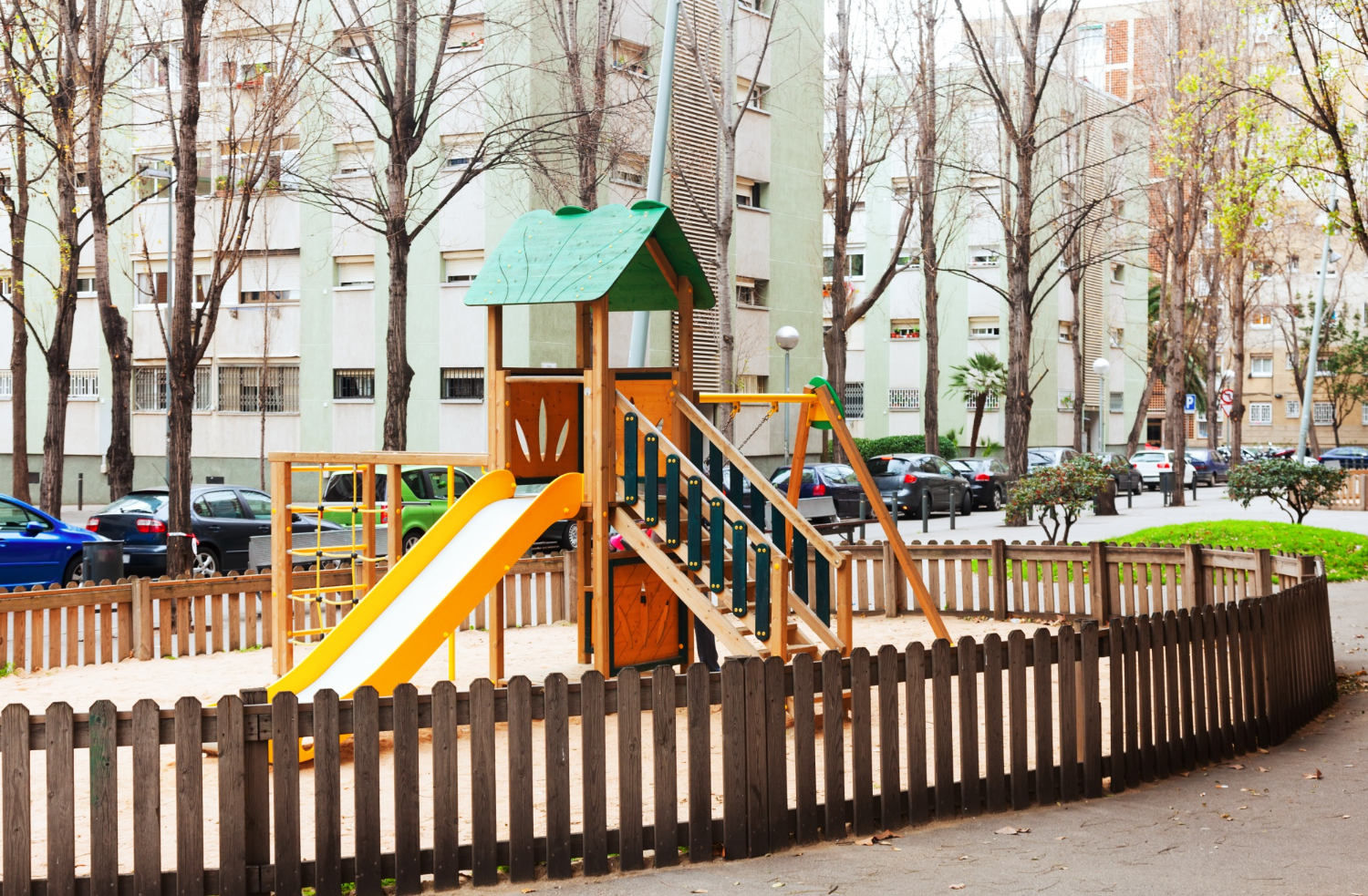
When Europeans first began immigrating to the United States, the cities they began constructing had no real rhyme or reason. Buildings went up, waste ran through the streets, and roads were poorly maintained. But over the last several decades, city planners have begun rethinking the purpose of cities. They can be havens for hard-working individuals, walkable environments for families and singles, and safe spaces for kids. Perhaps unsurprisingly, playgrounds play a huge role in the changing urban infrastructure.
Here’s how:
Table of Contents
They Build Community
Playgrounds, especially in urban locations, bring people together as few other spaces can. Supermarkets don’t really foster connection, and shopping malls are more of an individual endeavor. Cafes and movie theaters aren’t really places people go to connect with strangers. It’s no wonder then that big, bustling cities can have so many people who all feel alone and surrounded by indifferent strangers.
But parks change that. Go to any park in any city on a Saturday afternoon, and you’re likely to find someone willing to chat with you. You may also stumble upon a neighborhood barbecue, a festival, or a farmer’s market. And almost every time, you’ll find a playground centrally located within that park, where people from all walks of life are hanging out. Kids swing from commercial swing sets, parents talk, and young people throw frisbees. If one of the long-term goals is to build community, then playgrounds serve that exact purpose.
They Offer Safe Spaces
Sadly, there are still far too many places in the country that aren’t safe for kids to play. They’re not even secure locations for women to walk alone. Back alleys, empty lots, and vacant homes dot many of the urban areas of the United States. It can be incredibly frustrating for urban planners trying to revitalize their communities. They can’t simply tear down old buildings or clear every vacant lot overnight, and parents want safety for their kids. This means they’re unlikely to be attracted to a city that doesn’t offer safe spaces.
That’s where playgrounds play a huge role. With soft, level surfaces, kids of all abilities can roam the park and push themselves to take on challenges without fear of serious injury. But even more than that, virtually all city playgrounds offer high visibility, so you get a kind of community watch when you visit. There’s usually no danger lurking in dark corners, so the whole neighborhood can feel free to come together for recreation.
They Provide Transportation Throughways
In addition to being safe, parks often also offer easy transportation and transit throughways. Big cities come with big noise, big business, and lots of traffic and congestion. People may sit for an hour during peak commute times just trying to get from one side of the city to the next. They also often feel like they need to sit in the car rather than take public transportation because many of today’s cities simply aren’t walkable.
But parks are changing that. More and more, parks are located in the center of highly walkable environments. People can feel free to walk or bike through a playground, often taking a shortcut to get to where they want to go. Visitors to the playground can often even walk from their homes to the park. And on their way, they’ll stop for coffee at a local shop. On their way home, maybe they’ll stop at the local market for a few groceries. Urban planners realize that centrally locating a park like this in a walkable environment will get people out, talking, and spending money.
They Contribute to Health and Wellness
Playgrounds are good for everyone, and planners know it. It isn’t just the fact that kids are moving their bodies, but that helps, too, of course. It’s the fact that playgrounds are one of the few places virtually everyone still considers an option for entertainment. Kids today spend more time than they ever have inside, and so do adults. People, big and small, move from the classroom or work to home. Once there, they sit on mobile devices or watch television.
Urban planners are tapped into public health information. They know that creating inviting playgrounds with tons of opportunities for recreation can pull people away from their screens and out of their homes. Kids and adults can get sunshine, fresh air, movement, and social time. Even people without kids can wander walking paths or play disc golf in the field. In terms of long-term visions for public health, public playgrounds are up there among the best strategies.
They’re Good for the Environment
More and more, people are starting to ask, “Do we really need another shopping mall?” “Do we need another high-rise?” We have enough vacant lots, closed shops, and abandoned buildings as it is. And, as long as their doors stay closed, they contribute nothing to the economy or the community. If anything, they invite crime, attract waste, and discourage happy, healthy, engaged residents from moving into the area.
Urban planners are flipping this script on its head by turning vacant lots into playgrounds as part of a long-term vision for city revitalization. A simple corner lot can become a cool playground that kids beg their parents to take them to. A huge mural of a cultural hero, a plaque with an inspirational quote, and plenty of native flora and fauna can change the local community for the better. It also contributes to more green spaces in the environment, which is good for everyone.
In the end, there are so many ways in which city parks contribute positively to long-term urban planning. From bringing in more stable residents to boosting the local economy, playgrounds are so much more than just an afterthought for cities. They can now be the anchor that helps neighbors meet each other, find safe spaces to recreate or move, and get to know their city better.