
How Modern General Contractors Are Redefining Home Renovation
Today’s home renovation industry is experiencing a significant shift as general contractors adopt cutting-edge strategies and tools. Homeowners are reaping the rewards of technological innovation, environmental awareness, and design ingenuity. Professionals are constantly evolving the renovation landscape by selecting efficient materials, working with advanced digital tools, and integrating contemporary design that reflects how people live today. Modern specialists, such as patio construction contractors in Ashburn, VA, are at the forefront of this change, demonstrating a commitment to quality and innovation in every aspect of their work.
The evolution goes well beyond surface-level changes. Contractors are developing spaces that are not only visually appealing but also smart, sustainable, and tailored to clients’ lifestyles. As these trends grow, more homeowners are seeking renovations that align with long-term value and current living preferences.
Home renovation priorities are shifting to focus on spaces that accommodate remote work, wellness routines, and multigenerational living. This wider approach goes hand in hand with the application of eco-friendly techniques and materials, making the renovation process more adaptable and responsible.
Along with digital project management and new construction methods, contractors are responding to homeowners’ higher expectations for clear communication and transparency throughout the remodeling journey. For more insight into shifting industry standards, you can learn about current trends from major publications such as Architectural Digest.
Table of Contents
Embracing Smart Home Technologies
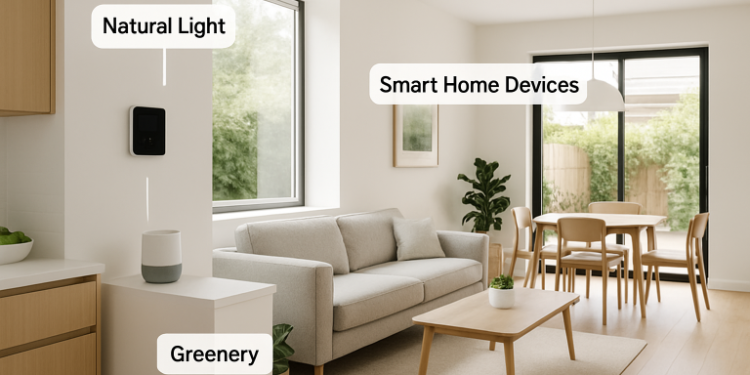
General contractors are leading their projects into the future by seamlessly integrating smart technology. Automated lighting, smart thermostats, and advanced home security systems have become standard features in today’s renovations. These additions not only make homes more comfortable and user-friendly but also increase energy efficiency and potentially reduce utility bills. With many homeowners relying on devices for daily management, integrated smart systems are quickly becoming necessities.
Prioritizing Sustainable Practices
Sustainable renovation is no longer a niche interest. Contractors are incorporating reclaimed materials, non-toxic finishes, and energy-saving appliances to reduce the environmental footprint of every project. Designs often highlight passive solar elements, enhanced insulation, and energy-efficient windows. The trend not only reduces ecological impact but also creates healthier interior environments and lowers ongoing maintenance and energy costs for families. More information on innovative, sustainable home practices is widely available at sources like Architectural Digest.
Designing Open and Multifunctional Spaces
Contemporary renovation projects typically favor open-concept layouts and adaptable rooms. Removing interior barriers to create seamless transitions between kitchen, dining, and living areas accommodates social gatherings and flexible living. Intelligent multifunctional spaces, such as rooms that convert from home offices to guest bedrooms, respond to the needs of remote workers and growing families. This design philosophy maximizes floor area, especially in urban homes where space is at a premium, and encourages connectivity within the household.
Implementing Advanced Project Management Tools
Digital tools ensure smooth project delivery and communication between contractors and clients. Sophisticated project management platforms offer real-time scheduling, expense tracking, and instant messaging. These solutions provide homeowners with ongoing transparency regarding budgets, timelines, and design changes, reducing anxiety and increasing satisfaction. The result is fewer misunderstandings and projects that stay on budget and on time.
Integrating 3D Printing and Prefabrication
Technological advances like 3D printing and prefabrication are making renovations faster and more customizable. Contractors can create complex or unique pieces, from façade elements to interior fittings, with less waste and a shorter lead time. Prefabricated modules ensure precision and consistency while expediting installation on-site. These technologies empower clients and builders to realize creative solutions and improved sustainability.
Focusing on Health and Wellness Features
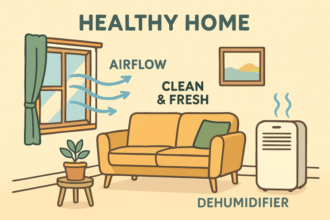
Today’s renovations frequently prioritize well-being. General contractors are incorporating features such as air and water purification systems, non-toxic building products, and spaces dedicated to movement. Natural light, ventilation, and even biophilic elements like green walls or plant-filled nooks are becoming part of residential upgrades. Creating a safe, restorative environment for every resident is at the core of this trend, echoing growing awareness of the link between living spaces and holistic health.
Adapting to Changing Homeowner Needs
Modern contractors are highly attuned to their clients’ shifting expectations. Whether it is designing a home office, integrating wellness features, or creating flexible layouts, the process is focused on long-term livability and value. By offering tailored solutions, staying informed on emerging trends, and applying lessons learned from recent projects, professionals ensure that each remodel meets the specific needs of its occupants, now and for years to come.
Conclusion
General contractors are fundamentally redefining the home renovation process. By embracing smart technologies, advocating for sustainability, and reimagining design, they create spaces that are more functional, efficient, and comfortable. These changes improve not only the look and feel of homes but also provide lasting benefits for well-being. As homeowners continue to look for ways to enhance the value and utility of their living spaces, the role of modern contractors has never been more important.