
How Modern Concrete Solutions Shape Stronger Communities
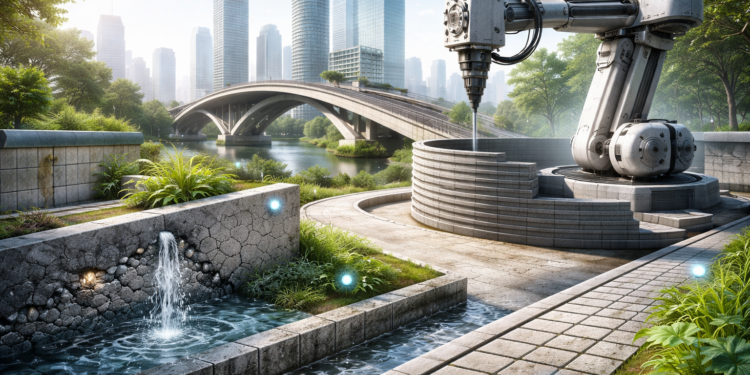
Concrete has always been fundamental to building our cities, but modern advances are pushing its capabilities further than ever before. Innovative solutions in concrete design and production are tackling today’s infrastructure challenges by providing greater strength, resilience, and sustainability. Local leaders in this field, such as Columbus Concrete Co, ensure these advancements are implemented across urban and rural developments, supporting safer, more efficient growth for communities.
Beyond durability, these state-of-the-art concrete technologies help address environmental impacts, promote resource efficiency, and skyrocket aesthetic options for designers and architects. Combined, they pave the way for infrastructure that serves not only current needs but also future generations, reinforcing both economic and environmental stability.
With every new technique adopted, the potential for smarter, self-sustaining communities grows. The drive for innovation ensures that cities can meet climate, population, and operational challenges head-on. These modern concrete solutions create long-lasting benefits for everyone, residents, builders, and public planners alike.
Table of Contents
Ultra-High Performance Concrete
Ultra-High Performance Concrete (UHPC) elevates infrastructure standards with its impressive strength, flexibility, and reduced permeability. Structures built with UHPC are thinner and lighter, offering greater design freedom while improving load-bearing capabilities. Major engineering and transportation projects increasingly use UHPC for bridges, highways, and storm-resilient buildings. This material delivers unparalleled durability and longevity, making it a smart choice for public investments. Additionally, UHPC’s unique composition, incorporating fibers and highly refined materials, offers not just superior mechanical properties but also exceptional resistance to chemical attack, freeze-thaw cycles, and abrasion. As more municipalities and developers seek higher return on investment and lower maintenance frequency, UHPC is often selected for projects that demand reliable performance even under the most challenging conditions, such as marine piers, high-traffic overpasses, and transit terminals. By reducing the frequency of major repairs and replacements, this advanced concrete helps redirect public funds to other critical community needs, ultimately making infrastructure budgets stretch further.
Self-Healing Concrete
Self-healing concrete is revolutionizing infrastructure maintenance by reducing repair costs and extending its useful life. This material contains either bacteria or chemical capsules that react when cracks form, filling gaps through chemical processes triggered by air and moisture. Self-healing concrete maintains structural integrity and health even under natural stresses, promising a future with safer roads, buildings, and public spaces. The concept of self-repair in construction materials is being tested in a wide variety of climates and applications. Research projects are underway to expand the use of self-healing concrete in everything from residential driveways to earthquake-prone bridges, showing promising early results in preventing water infiltration and minimizing damage before it spreads. As this technology matures, homeowners and municipalities stand to benefit greatly from fewer emergency fixes, more predictable maintenance cycles, and increased building longevity, all facilitated by the embedded intelligence within this novel material.
3D-Printed Concrete
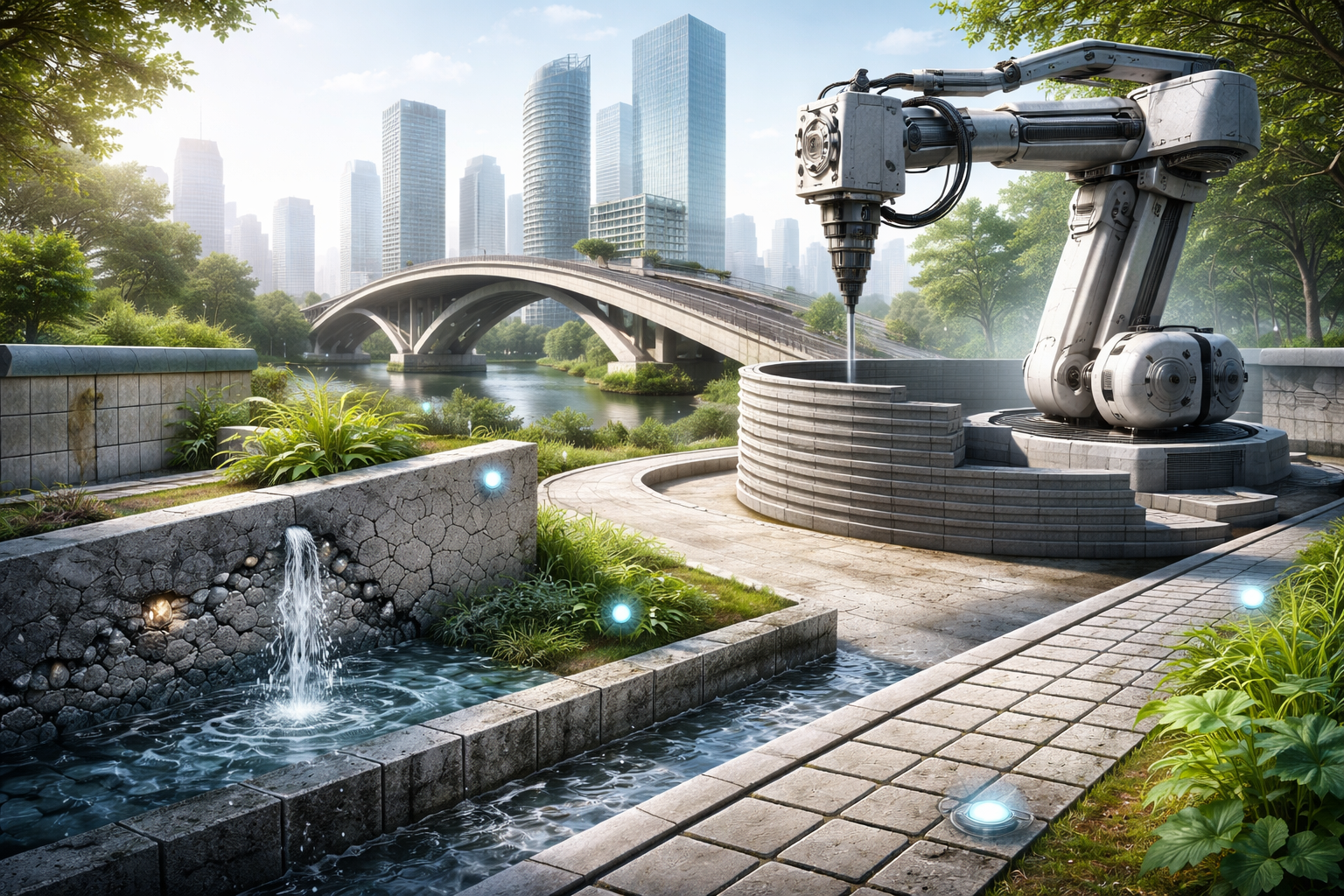
Large-scale 3D printing enables construction crews to quickly and accurately create bespoke concrete elements. This innovation dramatically reduces waste, labor requirements, and build times compared to traditional methods. With 3D-printed concrete, architects are free to experiment with shapes previously thought impossible, leading to cutting-edge public housing, schools, and community spaces. For instance, 3D printing is being used worldwide to build affordable, disaster-resistant homes with far less material waste. The adaptability of 3D printing extends beyond residential construction. Municipalities and planners can rapidly fabricate complex urban fixtures, landscape features, or emergency shelters with minimal on-site assembly. This capability is especially valuable for disaster response and temporary housing, where speed and customization are critical. On a larger scale, partnerships between robotics firms and concrete producers are expanding the possibilities of prefabrication, streamlining supply chains, and creating new opportunities for sustainable building design across every region.
Carbon-Negative Concrete
Traditional concrete is a big contributor to global carbon emissions, but carbon-negative concrete aims to change this. By incorporating industrial byproducts or innovative chemistry that absorbs CO₂ during curing, this new product dramatically reduces the carbon footprint of construction projects. These practices move the industry toward a cleaner, more climate-responsible future. As governments and industries worldwide focus more on reaching net-zero emissions, carbon-negative concrete is gaining attention as a key tool. Innovative projects are capturing atmospheric carbon and storing it in structures, effectively turning buildings and infrastructure into long-term carbon sinks. As adoption increases, incentives and green building certifications are also encouraging builders to choose these mixes, further fueling the transition toward sustainable development and improving environmental outcomes for communities everywhere.
Permeable Concrete
Permeable, or porous, concrete helps cities and towns manage stormwater more effectively. By allowing rainwater to filter through surfaces and re-enter the ground, this technology reduces runoff, lessens flooding, and replenishes groundwater reserves. It is a favorite for urban infrastructure projects seeking to integrate green and gray solutions for resilience and sustainability, especially in areas with frequent extreme weather. Beyond mitigating floods, permeable pavement systems are making streets and parking lots significantly more sustainable, supporting local water tables and minimizing strain on stormwater drains. Urban planners increasingly integrate these systems with green roofs, rain gardens, and tree cover, collectively building climate resilience. These integrated systems help reduce the heat island effect, improve air quality, and boost urban biodiversity, making neighborhoods healthier and more livable for all residents.
Smart Concrete
Smart concrete is a leap forward in monitoring the ongoing health of infrastructure. Embedded sensors record real-time data on stress fractures, structural movement, and environmental shifts. Infrastructure owners and managers can spot issues early, schedule targeted maintenance, and avoid costly failures. This not only enhances public safety but also extends the practical life of roads, bridges, and tunnels.Data gathered from smart concrete serves a dual function: it informs instant maintenance decisions and contributes to long-term modeling of structural performance. Over time, this data can reveal patterns about traffic loads, seasonal weather impacts, and structural aging, allowing for more proactive management and smarter investments. As cities deploy these solutions more widely, they’re poised to lead the way in predictive infrastructure management, driving down costs and reducing disruptions to daily life.
Recycled and Alternative Aggregates
Adopting waste materials, such as recycled concrete, crushed glass, or slag, as concrete aggregates decreases the need for virgin resources. This practice lowers construction costs and helps minimize environmental impact by reusing demolition debris. Builders using these materials are at the forefront of the circular economy and are advancing concrete’s green progress. The integration of alternative aggregates further stimulates innovation by encouraging industries to find valuable uses for what was once discarded as waste. As regulations and environmental concerns intensify, the demand for responsibly sourced aggregates grows. This shift not only reduces landfill waste but also supports the transition to a more sustainable construction industry, one built on principles of reuse, recycling, and reduced ecological footprints.
Transparent Concrete
Transparent concrete, which contains layers of optical fibers, transmits natural or artificial light through solid walls. This breakthrough supports visually stunning architecture that is still strong and practical. Public spaces, pedestrian walkways, and modern office buildings already use transparent concrete to combine artistic flair with everyday function, adjusting the ambiance with daylight while maintaining privacy and structural safety.
Expanding the possibilities for both indoor and outdoor spaces, transparent concrete enables the creation of safer paths, entrance ways, and even public art installations that interact dynamically with light. The combination of technology and artistry inherent in this material means it can transform the experience of city living, while still meeting rigorous safety codes and sustainability targets. Its role as both an energy-saving tool and an architectural statement underscores why it is rapidly gaining recognition among forward-looking designers and builders. Modern concrete technologies are critical to creating robust, sustainable, and beautiful communities. These solutions support the infrastructure of tomorrow, elevating quality of life, preserving resources, and inspiring architects and builders to reach for new heights. Communities that embrace these advancements position themselves for long-term success, ensuring infrastructure serves and protects for generations.
Conclusion
Modern concrete innovations are transforming construction by combining strength, sustainability, and design flexibility. From ultra-high-performance, self-healing concrete to carbon-negative, permeable, and smart solutions, these technologies enhance durability, safety, and environmental responsibility. By adopting recycled materials, 3D printing, and even transparent concrete, builders and cities can create resilient, efficient, and visually striking infrastructure. Together, these advancements ensure that communities are better prepared for future challenges while promoting sustainable, long-lasting, and innovative urban development.