

How Civil Litigation Works in Colorado Courts
Civil litigation in Colorado serves as the formal legal process for resolving disputes in which individuals, companies, or governmental entities seek compensation or legal remedies outside of criminal prosecution. Whether you’re a business owner, a professional, or a private citizen, understanding the intricacies of this system is vital for protecting your rights and achieving a fair outcome in a dispute. If you are contemplating legal action or need to defend against a lawsuit, working with the right professionals can offer clarity and guidance—find more about tailored legal support at martinlawfirmpc.com.
Colorado’s civil justice system is structured to handle a wide range of matters, including contract breaches, property disputes, personal injury cases, and landlord-tenant disagreements. Knowing where your case fits within this structure and how court procedures unfold is essential for anyone planning to navigate Colorado’s legal system. Colorado courts provide established pathways to achieve resolution—understanding these pathways can help you avoid unnecessary delays, expenses, or risk.
Before diving into the process of filing or defending a lawsuit, it’s essential to get familiar with how Colorado’s judicial framework is organized. Resources like the Colorado Judicial Institute’s overview of state courts offer up-to-date information and analysis of the state’s legal environment. By preparing yourself with the proper knowledge and utilizing trustworthy resources, you set a solid foundation for your case.
As civil litigation continues to evolve, it’s not only court procedures but also recent legislative changes that can significantly impact your case. Keeping an eye on the latest news and trends, including new regulations or legal precedents, is prudent for anyone involved in litigation—whether as a plaintiff, defendant, or interested observer.
Table of Contents
Structure of Colorado’s Civil Court System
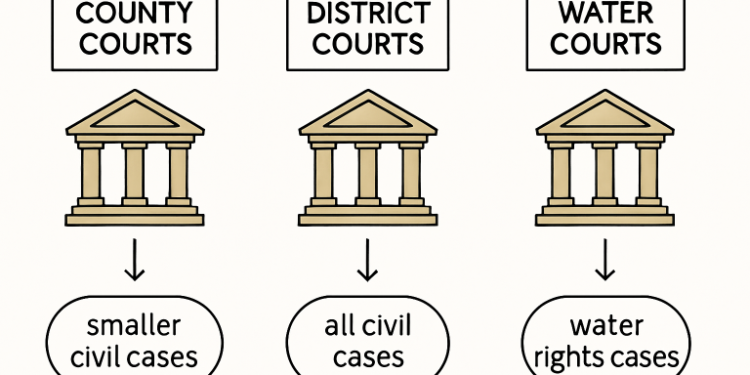
The judicial system in Colorado features three primary courts that handle civil matters:
- County Courts: These courts primarily handle civil cases involving claims of up to $25,000. County courts are the setting for small claims, certain landlord-tenant disputes, and lower-stakes personal injury or contract matters.
- District Courts: Civil cases above $25,000—including complex business disputes, large personal injury claims, and family law matters—are dealt with here. District courts have broad authority and handle appeals from county courts.
- Water Courts: Colorado’s unique geography and climate make water rights a crucial aspect. Each central river basin has its dedicated water court for cases concerning water usage and allocation.
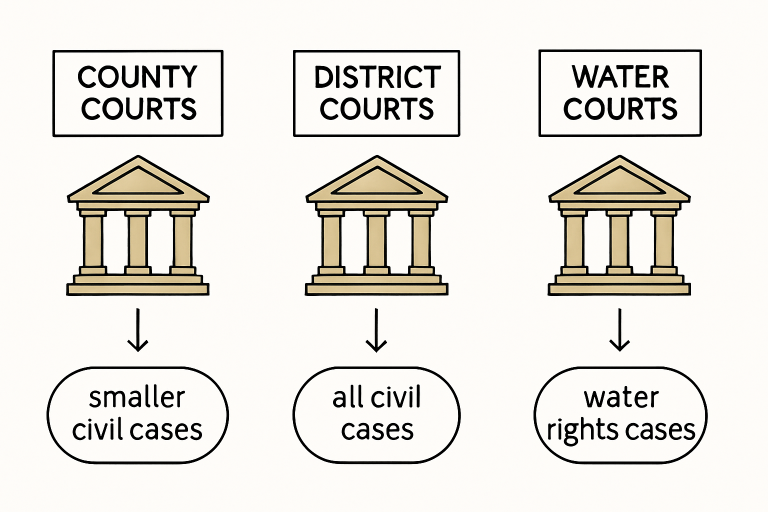
Each level has its own procedures and types of cases, creating a hierarchical system designed for efficiency and fairness. For more background on court jurisdictions and processes, refer to the Colorado Judicial Institute’s overview of state courts.
Initiating a Civil Lawsuit
A civil case typically begins when the plaintiff files a formal complaint describing the facts and the relief sought. The defendant is given legal notice and must file an answer within a set deadline. If the defendant fails to respond, the plaintiff may request a default judgment—essentially winning the case by forfeiture.
These early documents lay the cornerstone for the litigation process, outlining the core disputes and the initial positions of the parties. Anyone considering a civil suit should ensure their filing is clear, factual, and supported by evidence where possible. Early mistakes can have lasting consequences throughout the proceedings.
Pre-Trial Procedures
The pre-trial period focuses on “discovery,” where both parties exchange evidence, depose witnesses, and file motions to resolve procedural disputes or clarify the scope of trial issues. Discovery is often the most extensive phase of litigation, requiring cooperation, effective record-keeping, and strategic negotiation.
Colorado courts also strongly encourage alternative dispute resolution, such as mediation or arbitration, before proceeding to a formal trial. These non-trial solutions can resolve disputes more quickly and at a lower expense, making them a smart option for many litigants.
The Trial Process
If a settlement is not reached, the case moves to trial. Trials in Colorado can be overseen by a judge (bench trial) or a jury, depending on the case and the parties’ preferences. Here, both sides present their evidence, examine witnesses, and make arguments, culminating in a decision issued by the judge or jury.
The trial phase is meticulously structured—witnesses are called and cross-examined, documents are introduced, and legal standards are applied to the facts. When the trial concludes, a verdict determines what, if any, remedy will be awarded.
Post-Trial Actions
After a verdict, parties dissatisfied with the decision may pursue an appeal. Appeals focus on alleged legal errors made during trial, not simply on disagreement with the outcome. Initial appeals from district or county courts are heard by the Colorado Court of Appeals, with further review possible at the discretion of the Colorado Supreme Court.
Occasionally, parties may file post-trial motions addressing specific issues, such as judgment amendments, costs, or requests for a new trial; however, all such actions are subject to strict procedures and deadlines.
Recent Developments in Colorado Civil Litigation
The legal landscape in Colorado is constantly shifting. One noteworthy recent development is the increased regulation of litigation funding, specifically laws aimed at limiting foreign influence and enhancing transparency in third-party funding arrangements. This helps protect parties from undisclosed outside interests and ensures the integrity of court proceedings.
Legislative reforms, as described in the Colorado Chamber of Commerce’s announcement, have been enacted to make civil litigation fairer and more transparent for all parties involved. Litigants should remain vigilant to these ongoing changes, as they can directly impact case strategy and courtroom outcomes.
Conclusion
Effectively navigating civil litigation in Colorado requires a thorough understanding of the court system, procedural steps, and the latest legislative updates. Whether you are filing a claim, defending a lawsuit, or are interested in understanding the legal process, staying informed can make a significant difference in both your strategy and the ultimate outcome.