
Eco-Friendly Upgrades for Modern Homes
Modern homeowners today are increasingly aware of the importance of integrating sustainability into their lives. They understand that building a beautiful living space is only one part of the equation; creating homes with a lighter environmental footprint is equally critical. The shift toward sustainability is not just about adopting good environmental practices for their own sake—it also delivers tangible, everyday benefits, such as saving money on energy bills and improving overall indoor comfort. This shift reflects a global movement to ensure that our choices today leave a positive, lasting impact on future generations. By working with a trusted Vero Beach real estate agent, you can identify homes that already feature key green upgrades or discover properties with great potential for efficient eco-friendly transformations, helping you maximize both your investment and quality of life.
Every eco-friendly upgrade, whether you start with major changes like a solar roof installation or more minor swaps like low-flow faucets, helps reduce monthly utility costs and adds significant long-term value to your home. Homeowners often report not only financial savings, but also a healthier indoor environment and a greater emotional satisfaction in adopting more sustainable habits. Additionally, as the focus on green living continues to grow within communities, these modifications help you align your lifestyle with evolving values and social trends. You’re not just making your home better for yourself; you’re actively contributing to a broader movement built on environmental responsibility, resilience, and community-minded progress.
Table of Contents
Energy-Efficient Appliances
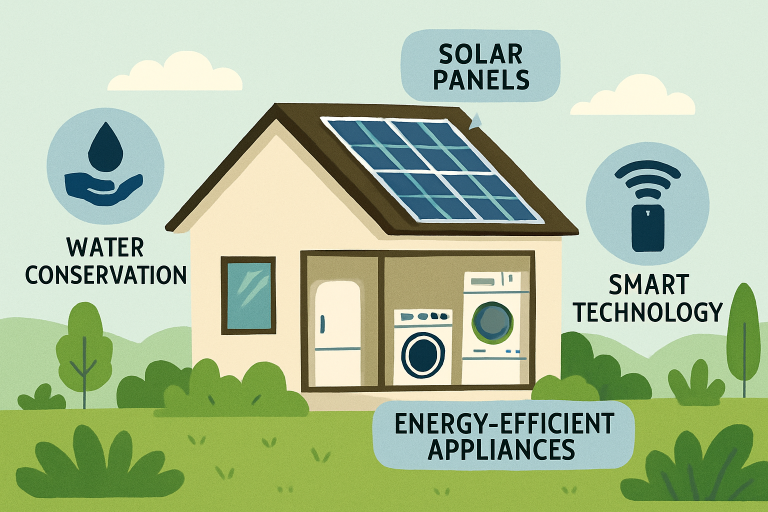
Energy efficiency begins with appliances that minimize power use while still delivering top-notch functionality. Outdated refrigerators, ovens, washing machines, and dryers are often the biggest culprits in consuming excessive amounts of energy in most homes. Replacing them with newer ENERGY STAR-certified models is one of the most effective, hassle-free strategies to reduce your household’s overall energy footprint. According to the U.S. Environmental Protection Agency, ENERGY STAR appliances can lower household energy use by up to 30%, resulting in substantial savings year after year. These smart appliances also tend to have extended service lives, advanced safety features, and come with warranties that protect you from premature failure. For homeowners seeking to save on energy costs in the kitchen, laundry, and throughout the house, upgrading to efficient models pays dividends in two ways: reduced energy bills and increased property value, as newer models often utilize better refrigerants and materials, which also improve indoor air quality. When calculating the real return on your investment, factor in the lower running costs, possible tax rebates, and the peace of mind that comes with making your household a model of modern efficiency.
Solar Panel Installation
Solar energy represents one of the most transformative eco-friendly upgrades available to today’s homeowners. By installing modern solar panels, you generate clean energy right from your rooftop, drastically reducing reliance on fossil fuels and grid electricity. Recent advances have made panels more efficient and slim, allowing them to integrate more seamlessly with contemporary roofing styles. Initial installation costs are often offset by a combination of federal and state tax credits, rebates, and long-term reductions in your electric bill. Additionally, many regions offer net metering programs that allow you to sell surplus electricity back to the utility, sometimes even reversing the direction of your meter—and your costs—during sunny months. Not only do solar panels curtail your home’s carbon footprint, but they also offer protection against volatile energy costs, acting as a form of energy price insurance.
Enhanced Insulation
While insulation often goes unnoticed, it is one of the most critical factors for maintaining year-round indoor comfort and high energy efficiency. Enhanced insulation limits heat loss in the winter and keeps out excessive heat in the summer, lowering the burden on both heating and cooling systems. Upgrading insulation using sustainable materials—such as sheep’s wool, dense-pack cellulose from recycled paper, or mineral wool—enhances thermal retention while keeping toxic chemicals out of your living space. Proper installation is key: thorough sealing of walls, attics, floors, and crawl spaces helps eliminate unwanted drafts and heat leakage. The Environmental Protection Agency reports that proper insulation can lower a home’s heating and cooling costs by as much as 45% in certain climates. Over time, this translates to significant savings and reduced mechanical wear on heating and air conditioning units. For those concerned about long-term durability, eco-friendly insulation options are also naturally resistant to mold, pests, and fire, further improving the safety and lifespan of your home.
Smart Home Technology
The advent of smart home technology has revolutionized the way we manage daily living and energy consumption. At the heart of this transformation are programmable thermostats, like the Nest Learning Thermostat or Ecobee, which monitor your habits to automatically adjust heating and cooling schedules for maximum efficiency and comfort. Smart lighting controls, occupancy sensors, and power strips further minimize energy waste by ensuring lights and devices are only on when needed. Integration with home assistants and smartphones enables homeowners to remotely monitor and adjust their systems, eliminating wasted power due to forgetfulness. Households using these technologies can save hundreds of dollars annually, all while enjoying added security and convenience. Investing in these devices not only shrinks your home’s carbon footprint but also makes life easier through automation and better data insights. Many of these devices seamlessly integrate into existing systems, making smart upgrades accessible for nearly any modern household.
Sustainable Materials
Home construction and renovations present ideal opportunities to decrease environmental impact through the use of sustainable materials. Materials like bamboo flooring, which grows rapidly and regenerates after harvest, or reclaimed wood beams that capture character and history, make an incredible visual statement while preserving forests. Recycled glass, concrete, and metal can be used for countertops, backsplashes, and architectural features, keeping tons of waste out of landfills and reducing the demand for new raw materials. Choosing legitimate green options means looking for third-party certifications such as the Forest Stewardship Council (FSC) stamp on wood, which ensures responsible harvesting practices. Beyond environmental benefits, many sustainable materials are highly durable, requiring less frequent replacement or maintenance, which further reduces your home’s overall ecological impact.
Water Conservation
Water scarcity is a pressing global concern, but smart water management at home can make a considerable difference. Today’s water-efficient fixtures, such as low-flow showerheads and aerated faucets, utilize engineering improvements to significantly reduce water use without compromising performance or comfort. Dual-flush toilets, which allow users to select a smaller or larger flush volume according to their needs, save thousands of gallons of water per year in the average household. Outdoors, the introduction of smart irrigation systems and drought-tolerant landscaping enables homeowners to maintain lush gardens while minimizing water waste. These systems can sense weather patterns and soil moisture, watering only when necessary, which is especially valuable in arid or drought-prone regions. In summary, prioritizing water conservation in home upgrades not only reduces utility bills but also promotes a responsible and sustainable lifestyle.
Financial Incentives
The financial considerations of eco-friendly upgrades are more favorable than ever, thanks to a wide array of incentives and rebates provided by governments and local utilities. Homeowners can often take advantage of federal tax credits, state-specific grants or rebates, and even low-interest loans specifically for renewable energy installations and efficiency improvements. These programs significantly reduce the up-front expenses associated with green home technologies, sometimes covering up to 30% or more of the initial investment. In the United States, the Database of State Incentives for Renewables & Efficiency (DSIRE) is a vital resource for identifying current opportunities. Taking advantage of these incentives can make your investment in sustainability both strategic and responsible, helping to maximize your return and make eco-upgrades accessible to a broader range of homeowners. When planning your upgrades, be sure to check for regional programs and deadlines to capture the best possible support for your renovations.
Conclusion
Adopting eco-friendly upgrades is not just about following a trend—it represents a meaningful lifestyle change that brings lasting value, comfort, and a sense of peace of mind. Every step you take, whether swapping out an appliance, installing solar panels, or utilizing green construction materials, builds toward a more sustainable and resilient home. With access to innovative technologies, financial incentives, and trustworthy guidance, homeowners are empowered to create living spaces that support the health of both their families and the environment. By taking action today, you set the stage for a brighter, greener tomorrow.