

DIY vs. Professional Repair: When to Fix Your Electronics Yourself

Table of Contents
- 1 The DIY Approach: Assessing the Pros and Cons
- 1.1 Factor DIY Repair Professional Repair Cost Potentially lower (parts only), but hidden costs (tools, further damage) Generally higher, but transparent pricing Time Variable (research, ordering parts, execution), can be lengthy Often fast (same-day or within hours) Risk High (further damage, voided warranty, data loss) Low (certified technicians, insurance) Quality Varies (part quality, skill level) High (OEM-spec parts, expert technicians) Guarantee None Typically includes a warranty (e.g., 1-year limited) The Appeal of Fixing It Yourself
- 1.2 The Hidden Risks of DIY Electronic Device Repair
- 2 When to Call a Professional for Electronic Device Repair
- 3 How to Choose a Reputable Repair Service
- 4 Frequently Asked Questions about Electronic Device Repair
- 5 Conclusion: Making the Smart Choice for Your Tech
The DIY Approach: Assessing the Pros and Cons

This choice isn’t always simple. It involves weighing potential cost savings against risks, time commitment, and the quality of the repair. We understand the dilemma.
In this extensive guide, we will break down the complexities of phone screen repair and other common electronic device issues. We’ll examine the appeal and hidden dangers of DIY options. Then, we will explore when it’s best to call in the experts, including services like convenient On-site electronic device repair. Our goal is to equip you with the knowledge to make the smartest choice for your valuable tech, ensuring both your device and your wallet are well protected.
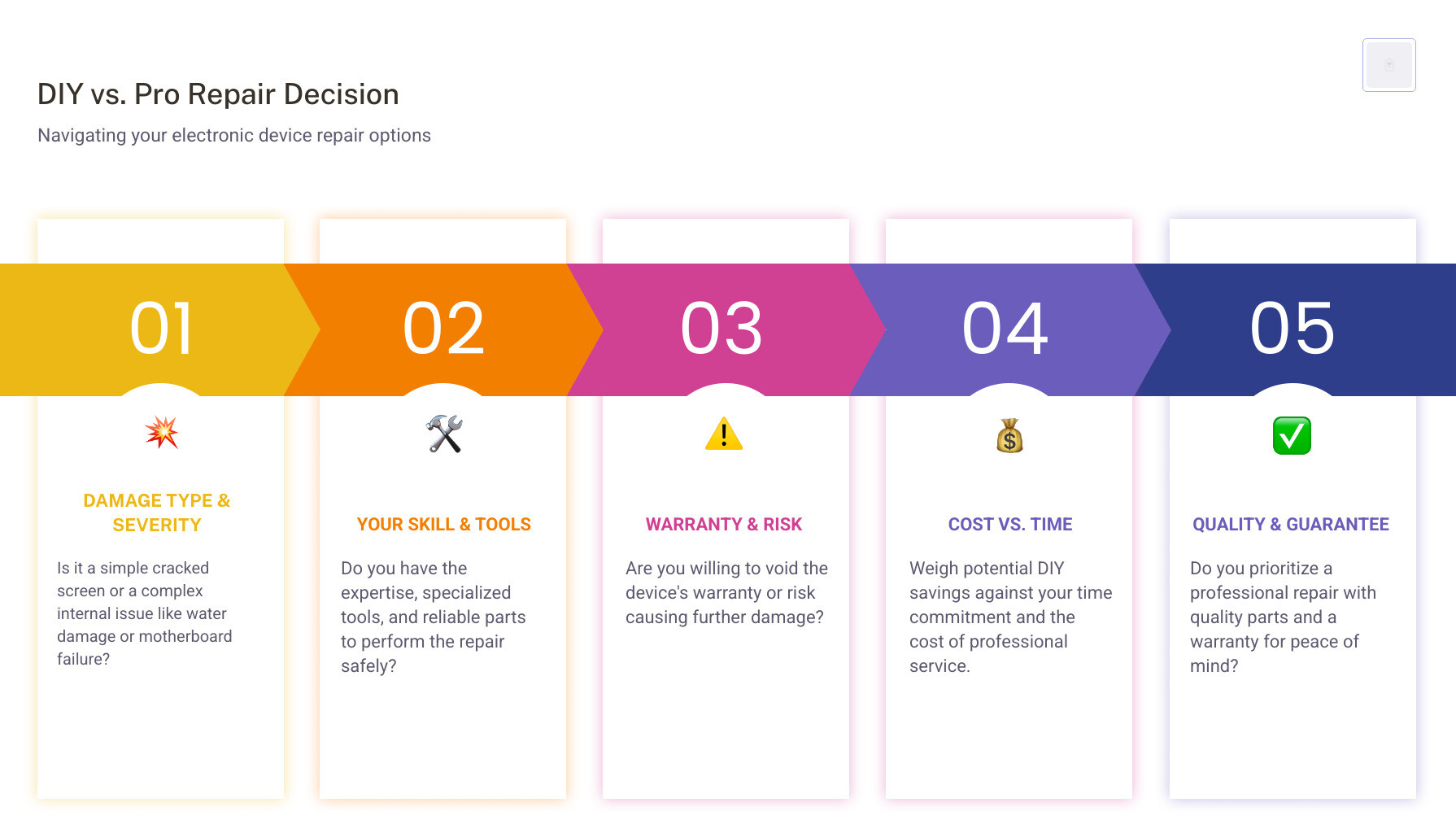
When our beloved gadgets suffer damage, the thought of saving money by fixing them ourselves often crosses our minds. The internet is awash with tutorials, parts are readily available, and the allure of a successful self-repair can be strong. We might imagine ourselves as tech-savvy heroes, deftly replacing a cracked screen or a failing battery.
The potential for cost savings is arguably the biggest draw of the DIY route. Professional repairs can sometimes be expensive, especially for newer, high-end devices. By purchasing parts online and following a guide, we might spend significantly less than what a repair shop would charge for labor and markup. Furthermore, there’s a certain satisfaction that comes from learning a new skill and successfully bringing a broken device back to life with our own hands. It’s an empowering feeling to understand the inner workings of our daily companions.
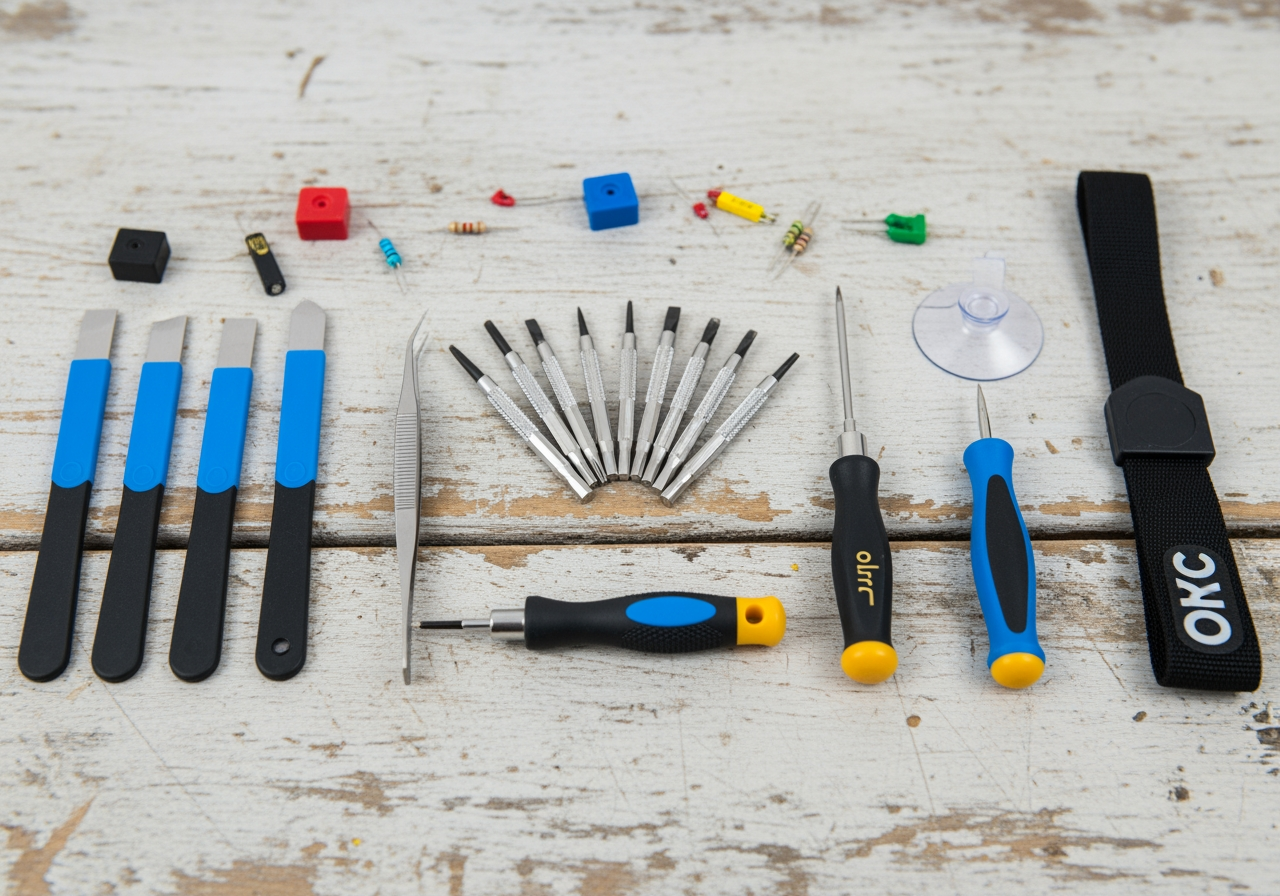
However, the DIY path is fraught with potential pitfalls. Sourcing reliable parts can be tricky; many online marketplaces offer cheap, low-quality components that might not perform as well as original parts or even fail prematurely. Specialized tools are often required, from tiny screwdrivers and spudgers to heat guns and suction cups, which adds to the initial investment.
The most significant risk, however, is causing further damage. A wrong move, a misplaced screw, or an accidental tear of a delicate ribbon cable can turn a simple repair into a catastrophic failure, rendering the device irreparable or costing even more to fix professionally. Moreover, attempting a DIY repair almost always voids any existing manufacturer’s warranty, leaving us without recourse if something goes wrong down the line.
To help illustrate the trade-offs, let’s consider a comparison:
The primary motivator for many of us to attempt DIY electronic device repair is the potential for significant cost reduction. We often see the price tag for a new screen or battery replacement and immediately think of the money we could save by doing it ourselves. This perceived saving can be substantial, especially for older devices where the repair cost might approach the device’s market value.
Beyond the financial aspect, there’s a strong element of personal satisfaction. Successfully completing a repair can be incredibly rewarding, fostering a sense of accomplishment and self-reliance. It’s an opportunity to learn about the technology we use every day, explaining the complex gadgets that have become integral to our lives. The abundance of online resources, from detailed step-by-step guides on repair websites to countless video tutorials on platforms like YouTube, makes the DIY approach seem accessible to almost anyone. These resources often break down intricate processes into manageable steps, encouraging even novices to give it a try.
The Hidden Risks of DIY Electronic Device Repair
While the appeal of DIY repair is strong, we must also be acutely aware of the hidden risks. The most immediate danger is incorrect diagnosis. Without proper diagnostic tools and expertise, we might misidentify the problem, leading to an unnecessary repair or, worse, attempting to fix something that isn’t broken, potentially causing new issues.
The quality of replacement parts is another major concern. The market is flooded with aftermarket components, and distinguishing between high-quality, OEM-spec parts and cheap, unreliable alternatives can be challenging. A low-cost screen might offer poor display quality, reduced touch sensitivity, or even fail completely after a short period. Similarly, a generic battery could have a shorter lifespan, overheat, or even pose a safety risk.
Electronic devices are incredibly delicate. Static discharge, an invisible enemy, can permanently damage sensitive internal components if proper anti-static precautions aren’t taken. Cables are fragile, connectors are tiny, and even applying slightly too much pressure can lead to permanent damage. We’ve heard countless stories of individuals attempting a simple screen replacement only to end up with a device that won’t turn on, has a non-functional camera, or a broken home button. This permanent damage often means the device is beyond economic repair, turning a potential saving into a total loss.
Finally, there’s the lost time. What might seem like a quick fix can easily stretch into hours or even days of troubleshooting, re-ordering parts, and watching endless tutorials, all while our essential device remains out of commission. For many of us, our phones are critical for work, communication, and daily tasks, making prolonged downtime a significant inconvenience.
When to Call a Professional for Electronic Device Repair
Given the complexities and risks associated with DIY repairs, there are many situations where calling a professional is not just advisable, but essential. Repair shops specialize in electronic device repair, possessing the tools, expertise, and experience to handle a wide range of issues safely and efficiently.

For complex repairs, such as intricate screen replacements that involve multiple layers or delicate internal components, or for issues like water damage that require meticulous cleaning and component testing, professional intervention is invaluable. Soldering work, which is often necessary for charging port repairs or motherboard issues, demands specialized equipment and a steady hand that most DIY enthusiasts simply don’t possess.
Professional repair services also offer unparalleled convenience. Many reputable stores provide same-day service for common issues like screen repairs, with some even completing them in 45 minutes or less. This rapid turnaround minimizes downtime, allowing us to get back to our lives quickly. For those with busy schedules, options like mobile services or even mail-in repairs provide flexibility. Some providers even offer On-site electronic device repair, where technicians come directly to your location, further enhancing convenience.
Common Repairs Best Left to the Experts
While some minor issues might tempt us towards DIY, certain repairs are almost always best left to the experts.
- Smartphone Screens: Modern smartphone screens are incredibly complex. They often consist of multiple fused layers (LCD/OLED, digitizer, glass) and are precisely calibrated. Replacing them requires specialized tools, a dust-free environment, and a high degree of precision to avoid damaging the display, touch functionality, or surrounding components. A poorly installed screen can lead to dead pixels, unresponsive touch, or even further cracking.
- Internal Battery Replacement: While seemingly straightforward, replacing an internal battery in many modern phones involves carefully prying open the device, disconnecting delicate ribbon cables, and often dealing with strong adhesives. Improper removal can damage the battery itself (which can be a fire hazard if punctured), or other internal components. Professionals have the right tools and techniques to do this safely and efficiently.
- Charging Port Issues: Charging ports are often soldered directly onto the device’s motherboard. Any repair involving soldering requires specialized equipment, a steady hand, and expertise to avoid overheating or damaging the delicate circuitry. Attempting this without proper training can easily render the entire device inoperable.
- Motherboard Problems: The motherboard is the “brain” of any electronic device. Issues here are highly complex and typically require advanced diagnostic tools and micro-soldering skills. This is firmly in the field of expert repair, as any amateur attempt is almost guaranteed to cause irreversible damage.
The Value of Certified Technicians and Quality Parts
When we opt for professional repair, we’re investing in expertise and reliability. Certified technicians undergo rigorous training and possess the in-depth knowledge required to diagnose and fix a wide array of electronic issues across various brands and models. They understand the intricacies of each device and follow manufacturer-recommended procedures. Many reputable repair centers are authorized service providers for major brands like Apple, Samsung, and Google, ensuring their technicians are up-to-date with the latest repair techniques and technologies.
These professionals also have access to high-quality, often OEM-spec (Original Equipment Manufacturer specification) parts. This means the replacement components are designed to meet the same standards as the original parts, ensuring optimal performance, durability, and compatibility. Unlike generic aftermarket parts, OEM-spec components maintain the device’s intended functionality and aesthetics.
Furthermore, professional shops are equipped with specialized diagnostic tools that can pinpoint the exact cause of a problem, preventing unnecessary repairs and ensuring a comprehensive fix. They also have the right tools for disassembly and reassembly, minimizing the risk of cosmetic or internal damage during the repair process. This combination of skilled labor, quality parts, and appropriate tools provides peace of mind that our valuable devices are in good hands.
How to Choose a Reputable Repair Service
Selecting the right phone screen repair store or electronic repair service is crucial for ensuring a quality fix and a positive experience. With numerous options available, from independent shops to national chains, knowing what to look for can make all the difference.
We always recommend starting with customer reviews. Platforms like Google, Yelp, and social media can offer valuable insights into a store’s reputation, service quality, and customer satisfaction. Look for consistent positive feedback regarding professionalism, repair quality, and turnaround time.
Turnaround time is another critical factor. For many of us, our phones are indispensable, so minimizing the time our device is out of commission is a priority. Many reputable stores, such as uBreakiFix and Staples, boast impressive speed, with “most repairs done in 45 minutes or less” or “typically done in under an hour.” Confirming these estimates upfront can help manage expectations.
Price transparency is also key. A trustworthy repair service should offer clear, upfront pricing or provide a free diagnostic and estimate before commencing any work. Be wary of shops that are vague about costs or pressure you into quick decisions. Some services even offer a “low price guarantee,” promising to match or beat a local competitor’s price, which can be a great way to ensure you’re getting a fair deal.
Understanding the Importance of a Repair Warranty
A repair warranty is a non-negotiable aspect of professional electronic device repair. It provides crucial peace of mind, assuring us that if an issue related to the repair arises, the shop will stand by their work. We should always inquire about the warranty details before committing to a repair.
Most reputable repair services offer a “1-year limited warranty” on their repairs. For instance, Staples® backs all their repairs with a 1-year limited warranty, and Asurion-certified repairs also typically come with a 12-month warranty. This warranty usually covers defects in parts or workmanship directly related to the repair performed. It’s important to understand what is covered and, equally important, what is not. Accidental damage (like dropping the phone again after a screen repair) or liquid damage typically voids the warranty on the repair itself. Always clarify these exclusions. A strong warranty signals a repair shop’s confidence in their technicians and the quality of their parts.
Key Factors for Your Decision
Beyond reviews and warranties, several other factors should influence our decision when choosing a repair service:
- Location Convenience: How easy is it to get to the store? Do they offer walk-in service, or do appointments need to be scheduled? Some services even offer mobile repair vans that can come to you, adding another layer of convenience.
- Technician Expertise: Are the technicians certified or trained by specific manufacturers? Do they specialize in certain brands or types of devices? Knowing their qualifications can instill greater confidence in their ability to handle your specific repair.
- Quoted Price: While not the only factor, the price is certainly important. Obtain quotes from a few different reputable shops to compare. Remember to weigh the cost against the quality of parts, the warranty offered, and the technician’s expertise.
- Repair Speed: As mentioned, minimizing downtime is crucial. Confirm the estimated repair time, especially for common issues like screen replacements. Many services pride themselves on same-day or even “most repairs done in 45 minutes or less” turnaround times.
By carefully considering these factors, we can make an informed decision that balances cost, convenience, and quality, ensuring our device receives the best possible care.
Frequently Asked Questions about Electronic Device Repair
How much does professional electronic device repair typically cost?
The cost of professional electronic device repair can vary significantly based on several factors, including the device model, the severity of the damage, and the specific type of repair needed. For instance, replacing a screen on a high-end, newer smartphone will generally be more expensive than on an older, budget-friendly model. Similarly, water damage repair, which often requires extensive diagnostics and component replacement, can be more costly than a simple battery swap.
However, we’ve seen that repairs can be surprisingly affordable, with some services advertising prices “as low as $29” for certain repairs. Many reputable repair centers offer free diagnostics, which allows technicians to assess the damage accurately and provide a precise quote before any work begins. This transparency helps us understand the full cost upfront and avoid unexpected charges. It’s always a good practice to get a free estimate to compare costs across different providers.
How long does a typical phone screen repair take?
One of the most common questions we hear is about repair turnaround time, especially for phone screen repairs. The good news is that for many professional repair services, speed is a priority. For in-store repairs, it’s quite common for “most repairs to be done in 45 minutes or less.” Companies like Staples® even highlight that their “repairs are typically done in under an hour.”
This rapid service is often possible due to readily available parts for common models and skilled technicians who perform these repairs daily. While “same-day service for most repairs” is a common offering, it’s always wise to confirm availability, as factors such as technician availability and specific parts inventory can sometimes influence the exact timing. For more complex repairs or less common devices, the repair might take longer, but reputable shops will always provide an estimated completion time.
Is it better to repair my device or just buy a new one?
This is a dilemma many of us face when our devices break. The decision to repair or replace often comes down to a cost-benefit analysis, but it also has environmental implications.
From a financial perspective, repairing is often the more economical choice. For example, some data suggests that “repairing a phone can cost approximately 25% of a new one, saving about 75%.” This is a significant saving, especially for high-value devices. Moreover, repairing a damaged phone can increase its trade-in value; a flawless device can fetch a higher price, with some estimates suggesting an increase of “approximately $130” in trade-in value after a repair. When considering the repair cost versus the cost of a brand-new device, the financial advantage often leans heavily towards repair.
Beyond cost, there’s the environmental impact. Manufacturing new electronics consumes significant resources and energy, and contributes to electronic waste. By extending the life of our existing devices through repair, we reduce our carbon footprint and contribute to a more sustainable consumption model. Unless a device is severely outdated or has multiple, extensive issues that make repair economically unfeasible, repairing is often the smarter choice for both our wallets and the planet.
Conclusion: Making the Smart Choice for Your Tech
Navigating electronic device repair can feel daunting, but by understanding the options and weighing the pros and cons, we can make informed decisions that benefit both our devices and our budgets. We’ve explored the tempting, yet often risky, path of DIY repair, highlighting the potential for savings alongside the significant dangers of further damage and voided warranties. Conversely, we’ve seen the clear advantages of professional repair, including expert technicians, quality parts, speedy service, and invaluable warranties.
For most of us, when faced with a broken phone screen or a failing battery, professional repair offers the most reliable, efficient, and stress-free solution. It ensures our devices are handled by trained experts, using the right tools and parts, and backed by a warranty for peace of mind.
To protect your phone screen from future damage, we recommend investing in a high-quality screen protector and a durable protective case. These simple accessories can significantly reduce the risk of a repeat incident, saving you time, money, and frustration down the line. By choosing wisely, we can extend the life of our valuable tech, keeping us connected and productive without unnecessary hassle.