
Choosing the Right Water Heater for Your Home
Making the right choice for your water heater is a crucial decision that affects your household’s comfort, energy efficiency, and utility costs for years to come. Whether you’re building a new home, upgrading an outdated system, or addressing emergency replacements, understanding the available options ensures lasting satisfaction. If you’re unsure where to begin, seeking professional advice from experts who specialize in Toronto water heater installations can streamline the process and help you avoid costly mistakes.
The selection of a water heater should consider family needs, local climate, and budget. With advancements in energy-efficient technology, homeowners are encouraged to upgrade to high-efficiency models, motivated by incentives and rebates that lower energy costs and carbon footprints. Evaluating costs, installation requirements, and fuel availability will help ensure a reliable hot water supply for daily needs.
Table of Contents
Types of Water Heaters
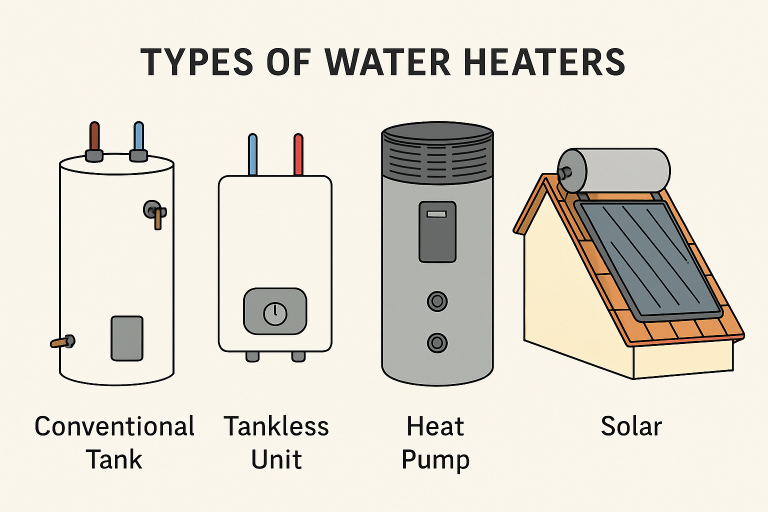
Understanding what types of water heaters are available will help focus your search.
- Conventional Storage Water Heaters: The most common type in North America, these heaters use insulated tanks to maintain a standing supply of hot water for quick access. Ideal for households with predictable hot water usage, they come in a range of capacities and are typically powered by electricity, natural gas, or propane.
- Tankless (On-Demand) Water Heaters: Instead of storing water, these systems provide hot water instantly as it’s needed, reducing standby heat losses. Tankless units are excellent for space savings, and their efficiency makes them a popular choice for environmentally conscious homeowners.
- Heat Pump Water Heaters: These units use electricity to transfer heat from the air or ground to the water, delivering impressively high efficiency. While the upfront cost is higher, significant long-term savings often offset the investment.
- Solar Water Heaters: Using the sun’s energy via roof-mounted solar panels, these systems are especially eco-friendly. They offer significant reductions in energy bills, but their effectiveness depends heavily on climate and solar exposure.
- Tankless Coil and Indirect Water Heaters: Often paired with a home’s boiler or furnace, these systems use the heating system’s energy to warm water. They tend to be practical in colder climates or in homes with high space heating demands.
Fuel Types and Availability
The energy source that powers your water heater significantly influences efficiency and ongoing costs. Choices typically include:
- Electricity: Versatile and widely available, supporting all water heater technologies, but can be more expensive per unit of energy.
- Natural Gas: Usually less costly than electricity, but requires access to a municipal gas supply and proper venting for safety.
- Propane: For properties without natural gas infrastructure, propane offers similar benefits, though at a potentially higher fuel price.
- Solar Energy: Solar-powered systems are ideal for sunny regions and can significantly reduce energy costs, especially when paired with other efficient technologies.
Energy Efficiency
Prioritizing energy efficiency helps save money on utility bills and lowers environmental impact. Look for water heaters with the Uniform Energy Factor (UEF) or ENERGY STAR® certification, both of which signal high performance. Heat pump and tankless models are recognized for their superior efficiency.
Sizing Your Water Heater
Proper sizing is essential for meeting your family’s hot water demand without wasting energy or money. Start by measuring peak demand—think simultaneous showers, laundry, and dishwasher runs. For storage tank models, family size often dictates capacity; a typical family of four might need a 50- to 80-gallon tank. Tankless models, on the other hand, should be rated to match your home’s maximum simultaneous water flow requirements. An undersized heater results in cold showers, while an oversized one adds unnecessary expense.
Installation Considerations
- Space Requirements: Ensure you have enough room for the system and, for gas models, adequate ventilation.
- Electrical Capacity: Check that your home’s wiring is sufficient, especially for powerful electric or heat pump systems.
- Drainage: Units like heat pumps may require a condensate drain, so verify plumbing compatibility before purchase.
Work with licensed professionals to guarantee proper installation and code compliance.
Cost Analysis
Total costs include purchase price, installation fees, and lifetime operating expenses. Energy-efficient models may seem pricier initially, but usually yield lower monthly bills. Installation costs vary based on equipment, fuel source, and potential modifications to plumbing or electrical systems. When weighing your options, always consider projected savings over the unit’s expected lifespan.
Maintenance Requirements
- Drain and flush tank-type heaters annually to clear sediment, which improves performance and lengthens service life.
- Inspect the anode rod every 1 to 3 years for corrosion and replace it if necessary.
- Test safety features, such as pressure relief valves, to prevent dangerous malfunctions.
Following these practices can extend the life of your water heater and minimize the risk of unexpected breakdowns. Always consult your owner’s manual or hire a qualified technician for service tasks you aren’t confident handling safely.
Tax Credits and Incentives
Many high-efficiency water heaters qualify for generous government incentives. As of 2024, U.S. homeowners can claim a federal tax credit up to $2,000 for certain heat pump water heaters installed by December 31, 2025. Various local and utility rebate programs are also available, making upgrades more affordable than ever.
By evaluating type, fuel source, energy efficiency, proper sizing, and installation requirements, you can confidently select a water heater that aligns with your household’s comfort needs and budget while also maximizing incentives and reducing long-term costs.