

Why Safety Standards Matter in Electrical Engineering
Table of Contents
Introduction
Modern society depends on electrical engineering to deliver reliable power to homes, businesses, and industries. However, ensuring that these systems are safe is just as important as making them efficient. An electrical engineering company must follow strict safety standards not only to obey regulations but also to protect people and property from potentially life-threatening hazards. The foundation of every successful electrical project rests on a strong commitment to safety.
Following standards is not simply about ticking boxes or passing inspections. Safety protocols are developed from years of research, accident analysis, and best practices. When companies rigorously implement these standards, they foster a culture of accountability and care, preventing costly failures and fostering trust in their work.
Electrical accidents can be catastrophic, leading to fire, electrocution, equipment damage, and widespread outages. Standards help engineers reduce risks at every stage of a system’s life cycle. They address details from equipment selection and circuit design to installation and ongoing maintenance practices. This comprehensive attention to safety preserves both life and infrastructure.
The Role of Safety Standards
Safety standards are carefully crafted documents that provide authoritative procedures, definitions, and requirements for managing risks in electrical systems. Their primary goal is to keep workers, users, and equipment protected from harm. For example, the National Electrical Safety Code (NESC) is an essential reference in North America. It sets out rules for the safe installation and maintenance of electrical supply and communication lines, minimizing the potential for accidents and outages. Internationally recognized standards help companies maintain consistency, make informed decisions, and ensure reliability in projects ranging from small residential wiring to massive industrial installations.
Key Safety Standards in Electrical Engineering
- IEC 61508: This international benchmark focuses on the functional safety of electrical, electronic, and programmable electronic safety-related systems. By outlining a detailed safety life cycle, IEC 61508 enables engineers to systematically identify hazards, design out risks, and confirm correct operation or fail-safe responses under all conditions.
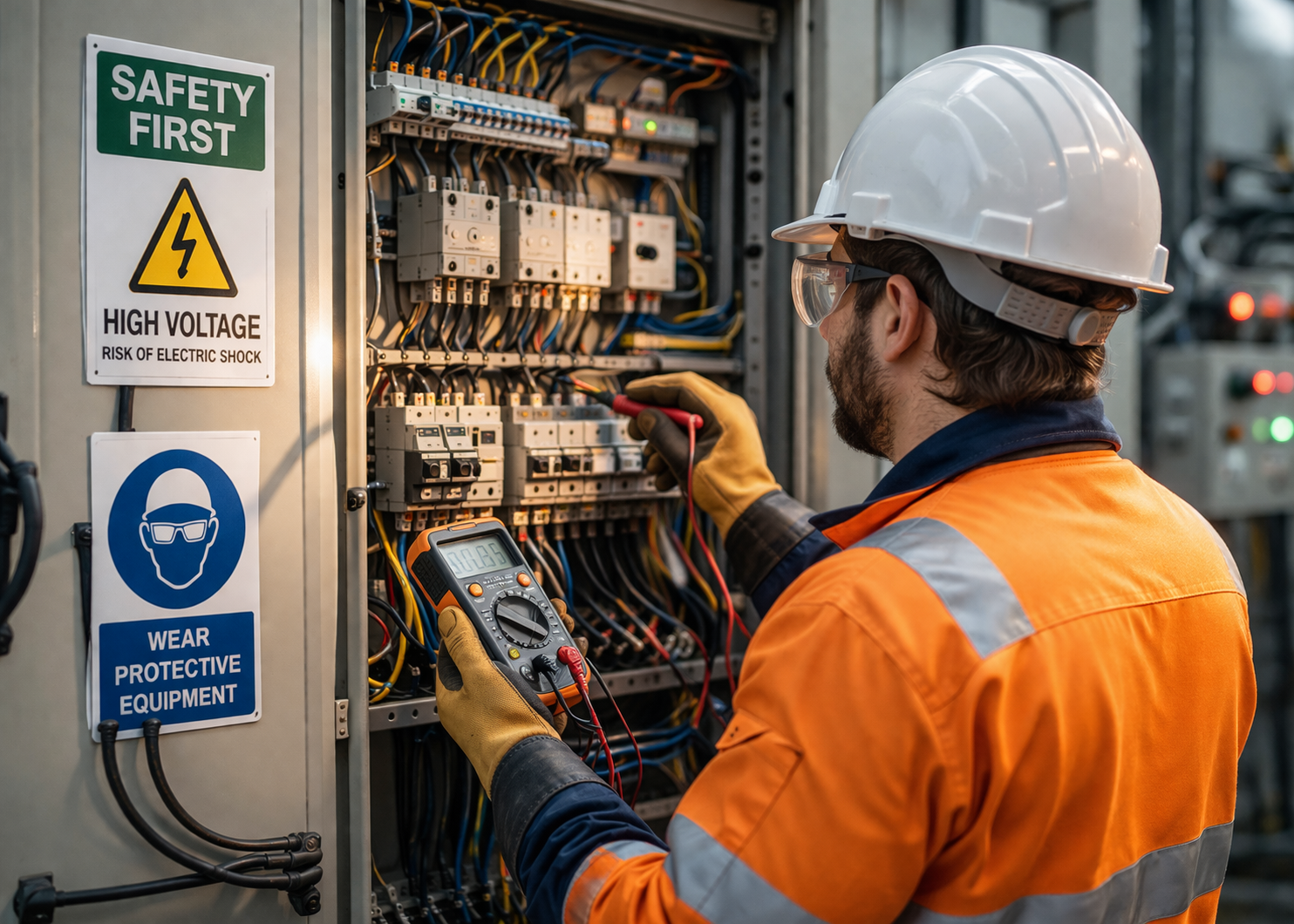
- NFPA 70E: Created by the National Fire Protection Association, this standard targets workplace electrical safety. It emphasizes the need for safe work practices, regular risk assessments, personal protective equipment, and clear procedures to eliminate or minimize electrical hazards for personnel.
- OSHA Regulations: The Occupational Safety and Health Administration mandates requirements such as those outlined in 29 CFR 1910.269, which covers the generation, transmission, and distribution of electric power. These rules safeguard both employees and the public while promoting thorough documentation.
Benefits of Adhering to Safety Standards
Organizations that consistently apply recognized safety standards realize several compelling benefits:
- Risk Reduction: Enforcing proper protections significantly decreases the frequency and severity of electrical accidents. Preventing incidents saves lives, avoids injuries, and keeps critical equipment in working order.
- Regulatory Compliance: Meeting established standards is not just a recommendation; it is often the law. Noncompliance can result in penalties, lawsuits, or shutdown orders. Adhering to standards demonstrates responsibility to both regulators and clients.
- Operational Efficiency: Safe systems are less likely to break down unexpectedly. Reduced equipment failure translates into higher productivity, fewer service disruptions, and lower long-term maintenance costs.
Comprehensive safety planning not only protects workers and customers but also improves public confidence in the grid and the teams that manage it. Implementing and maintaining high safety standards helps companies and stakeholders avoid the negative impacts of preventable incidents.
Challenges in Implementing Safety Standards
Despite clear benefits, applying safety standards can be difficult for many organizations:
- Complexity: Standards often involve technical and legal language that can be hard to interpret without expertise. Specialized training is frequently necessary to fully understand and apply these rules.
- Cost: The upfront investment in safer equipment, protective systems, and thorough employee training can be substantial. However, these costs must be measured against the potentially much higher costs of injuries, equipment damage, or legal action from non-compliance.
- Keeping Up-to-Date: Electrical codes and industry standards are constantly revised to address new technologies and emerging risks. Engineers, managers, and technicians must invest in lifelong learning to stay current and compliant.
Instituting a robust culture of safety requires ongoing effort, budget, and management support. When done right, these investments pay off in safer workplaces, fewer liability issues, and better business outcomes.
Real-World Implications
Failing to follow safety standards in electrical engineering can have severe impacts. For instance, recent updates to New Zealand’s electrical safety rules have drawn criticism from industry experts, who warn the changes could introduce new hazards and jeopardize public safety. This example illustrates the vital importance of comprehensive, up-to-date safety guidelines and the constant vigilance required to protect people and infrastructure.
Final Thoughts
Careful attention to safety standards is crucial for every electrical engineering project, no matter its size or complexity. These frameworks are designed to prevent accidents, foster reliable system performance, and ensure the wellbeing of everyone who interacts with electrical systems. By staying informed, properly trained, and committed to best practices, professionals help shape a safer, more dependable future for all.