

Understanding Bed Bug Behavior for Effective Extermination
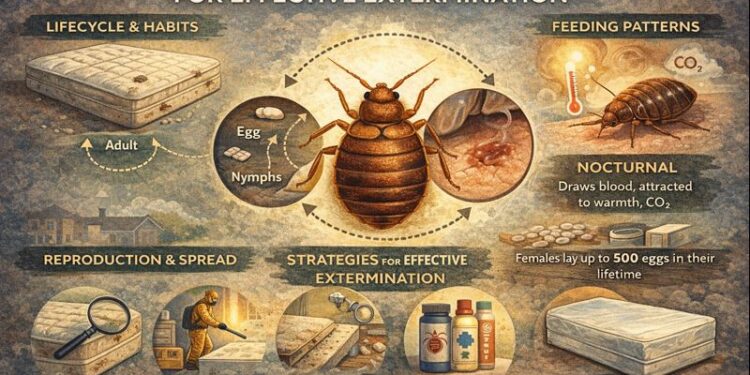
Table of Contents
Understanding Bed Bug Behavior for Effective Extermination
Bed bugs, scientifically known as Cimex lectularius, are one of the most dreaded pests in households across the globe. Their ability to hide in crevices and survive without a blood meal for extended periods makes them particularly difficult to eradicate. Understanding their behavior is crucial for effective extermination and long-term prevention. This article delves into the intricate behaviors of bed bugs and how this knowledge can assist in their effective control.
The Lifecycle and Habits of Bed Bugs
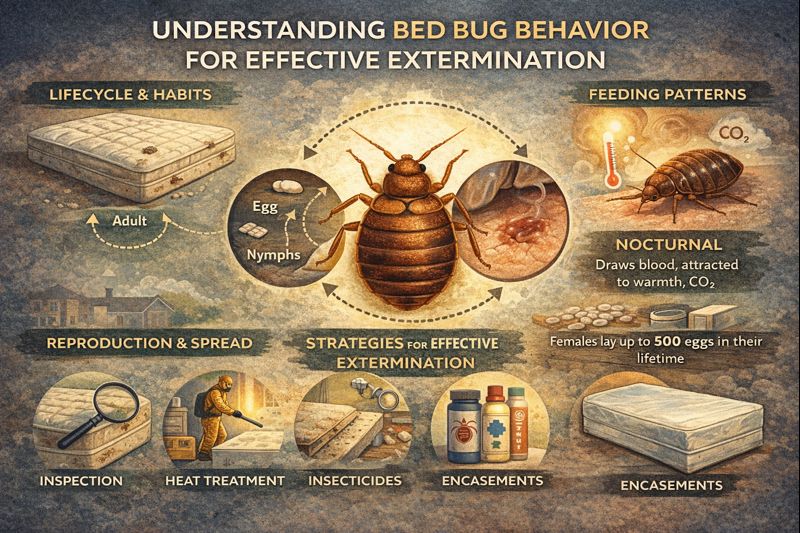
Bed bugs have a relatively simple life cycle, consisting of eggs, nymphs, and adults. The entire cycle can take anywhere from five weeks to four months, depending on environmental conditions. These pests thrive in warm environments, typically favoring temperatures between 70°F and 80°F.
Bed bugs are nocturnal insects, preferring to feed on human blood at night when their hosts are asleep. This nighttime activity makes them elusive and difficult to detect. They can hide in mattresses, box springs, bed frames, and even in the seams of furniture, walls, and flooring. Their flat bodies allow them to squeeze into the smallest of spaces, making early detection challenging.
Feeding Behavior
Bed bugs are attracted to the carbon dioxide and warmth emitted by humans. Once they locate a host, they pierce the skin with elongated beaks and draw blood. The feeding process can last anywhere from three to ten minutes, after which the bed bug retreats to its hiding place. This behavior ensures that they remain undetected by the host.
Reproduction and Spread
Females can lay up to 500 eggs in their lifetime, ensuring rapid population growth if not checked. The eggs are small, white, and sticky, allowing them to adhere to surfaces. Once hatched, the nymphs begin feeding immediately and can develop into adults within a few weeks under optimal conditions. This rapid reproduction makes bed bug infestations escalate quickly if not promptly addressed.
Strategies for Effective Extermination
Effective extermination of bed bugs requires a comprehensive approach. Here are some strategies to consider:
- Inspection: A thorough inspection of the infested premises is crucial. Look for signs of bed bugs, such as shed skins, fecal spots, and the bugs themselves.
- Heat Treatment: Bed bugs are susceptible to high temperatures. Professional heat treatments can effectively eradicate them from infested areas.
- Insecticides: Targeted use of insecticides can help eliminate bed bugs. However, it’s essential to choose products that are specifically designed for bed bug control.
- Encasements: Mattress and box spring encasements can trap bed bugs, preventing them from spreading and making it easier to detect new infestations.
- Integrated Pest Management (IPM): Combining multiple control methods, including monitoring, sanitation, and exclusion, can provide long-term solutions to bed bug infestations.
The Role of Professional Pest Control
While DIY methods can help manage bed bug infestations, professional intervention is often necessary for complete eradication. Experts in pest control possess the tools, knowledge, and experience to identify and treat infestations effectively. For those residing in the southeastern United States, seeking Pest control Huntsville Alabama can provide peace of mind and effective solutions to bed bug problems.
Conclusion
Understanding bed bug behavior is essential for effective extermination. By recognizing their habits, feeding patterns, and reproduction methods, individuals and pest control professionals can develop targeted strategies to combat these persistent pests. Whether through DIY approaches or professional services, a comprehensive plan can help eliminate bed bugs and prevent future infestations.