





Triple Wide Mobile Homes

Triple Wide Mobile Homes give you amazing living spaces from 1,600 to over 4,500 square feet. These homes work great for large families and anyone who wants more room to move around. You get three manufactured sections joined together to create a spacious dwelling that serves as a budget-friendly alternative to traditional houses.
The price tag on triple wide manufactured homes starts at $150,000 and can go beyond $300,000. Your final cost depends on the upgrades, finishes, and where you live. The value you get is impressive. These homes cost less per square foot than most site-built houses, which means you get more space for your money. You can find models with up to six bedrooms spread across more than 3,000 square feet to fit your family’s needs.
Maybe you need more space than what you have now, or you’re looking to set up a home office. Triple wide mobile homes come packed with features that make life better. Think spacious kitchen islands, cozy fireplaces, entertainment centers, and luxurious spa-like bathrooms. This piece gets into what most buyers miss out on while shopping for these roomy manufactured homes in 2025.
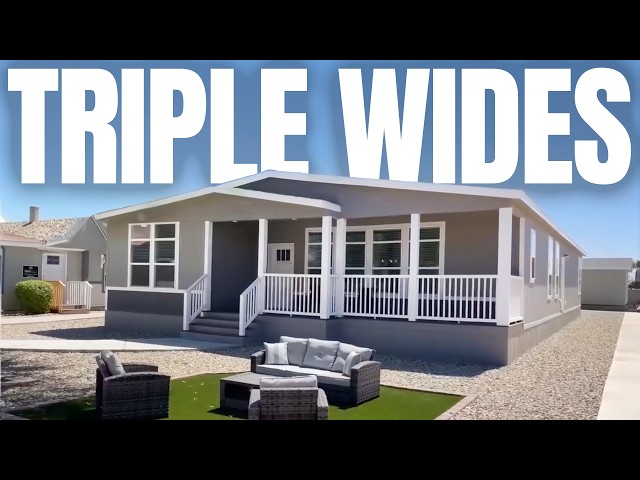
Table of Contents
- 1 What is a Triple Wide Mobile Home and How is it Built?
- 2 Popular Floor Plans and What They Mean for Daily Living
- 3 Customization Options Most Buyers Overlook
- 4 The Real Cost of a Triple Wide Mobile Home in 2025
- 5 Top Builders and How to Choose the Right One
- 6 Here are some FAQs about triple wide mobile homes:
- 6.1 What is the biggest size mobile home?
- 6.2 Are there triple wide homes?
- 6.3 What is the widest mobile home that can be moved?
- 6.4 What is the downside to a double wide?
- 6.5 What is the maximum width of a mobile home?
- 6.6 What’s bigger than a double-wide mobile home?
- 6.7 How much does it cost to move a triple wide manufactured home?
- 6.8 What is the downside of modular?
- 6.9 How wide is a triple wide?
What is a Triple Wide Mobile Home and How is it Built?
Triple wide mobile homes are built in three separate sections that come together at the building site to create one spacious home. These large homes give you plenty of living space. They’re also affordable and efficient since they’re made in factories.
Factory-built in three sections
Manufacturers build triple wide homes almost entirely inside climate-controlled factories using precise assembly-line methods. Building indoors prevents common issues like weather delays, theft, vandalism, and damage to materials.
Skilled workers start by measuring and cutting materials exactly. They build each of the three sections as a separate module on its own chassis. The floor systems come first, then walls, roof sections, and interior finishes. Pre-measuring and cutting all parts saves time and money.
The three sections travel to the home site where crews connect them carefully. When assembled, the spaces flow smoothly between rooms with wide-open areas and hallways. Homeowners can move in much faster compared to regular site-built homes.
Difference between manufactured and modular standards
You can get triple wide homes as either manufactured or modular homes, though many people mix them up. The building codes they follow make them different.
Manufactured triple wides must meet national HUD code requirements set by the U.S. Department of Housing and Urban Development. These federal rules cover design quality, durability, fire resistance, and energy efficiency. A permanent steel frame supports the floor structure, and the home can sit on concrete piers instead of needing a full foundation.
Modular triple wides follow state and local building codes – just like regular site-built homes. Local code compliance means modular homes are easier to customize but might cost more than manufactured ones. Both types look great and offer quality construction, but regulations decide everything from foundation needs to financing choices.
Typical size and layout range
Triple wide mobile homes attract buyers who want lots of space. These homes range from 1,600 to over 4,500 square feet, giving families room to spread out.
The floor plans fit two to six bedrooms with up to four bathrooms. Large families love this flexibility, and there’s space for home offices, entertainment areas, or guest rooms.
Layout options for triple wide homes often include:
- Open-concept great rooms connecting kitchen, dining, and living areas
- Split-bedroom designs for privacy
- Multiple bathrooms, often featuring primary suites with spa-like amenities
- Specialty rooms like home offices, entertainment centers, or formal dining rooms
Triple wide homes balance shared and private spaces perfectly. They feel like traditional homes but cost less and take less time to build.
Popular Floor Plans and What They Mean for Daily Living
Design choices in triple wide manufactured homes go way beyond looks—they shape how families live, interact, and spend their daily lives. These homes offer layout options from 2,000 to over 3,000 square feet that fit different lifestyles and family needs.
Open-concept vs segmented layouts
Triple wide mobile home buyers face a crucial choice between open and traditional floor plans. Open-concept designs combine kitchen, dining, and living areas into one big space. This creates a roomy feel and lets natural light flow throughout. Hosts can chat with guests while cooking, and parents can keep an eye on their kids from almost anywhere in the main area.
Traditional segmented layouts offer clear benefits to people who want defined spaces and privacy. These designs have separate rooms for specific purposes, which helps with organization and creates quiet spots for work or rest. The smaller, enclosed rooms in traditional layouts make these homes more energy-efficient since they need less heating and cooling.
Split-bedroom design for privacy
Split-bedroom layouts rank among the most popular choices in triple wide mobile homes. The primary suite sits at one end while other bedrooms group together at the opposite end. This smart layout creates sound barriers that work well in many situations. Parents get their privacy, teens have their space, and guests enjoy separate areas.
These designs shine in multi-generational homes. Triple wide floor plans often feature 4-bedroom, 3-bath layouts that give extended families enough room without cramping anyone’s style. The shared areas in the middle keep everyone connected.
Multi-use rooms: office, den, or playroom
Triple wide manufactured homes’ generous space allows for specialized rooms that change with family needs. Popular floor plans include bonus rooms that work as home offices, nurseries, game rooms, or media centers.
Some manufacturers add special features to these flexible spaces. Clayton Homes designs triple wides with office nooks that you can customize with extra storage. Other models have family rooms separate from formal living areas, which creates distinct spaces for different activities. This flexibility proves valuable as more people work from home.
The kitchen stands as the heart of most triple wide mobile homes, doing much more than just meal prep. Central kitchen layouts connect both wings of the home naturally, creating perfect spots for family gatherings.
Triple wide floor plans make this hub work better through smart design:
- Oversized islands with breakfast bars for casual meals and chats
- Grid-paned patio doors near dining areas to expand entertainment options
- Archways linking kitchen and family rooms for an open feel
Manufacturers now let buyers personalize these central spaces. The Lulabelle model lets you pick from different kitchen setups while keeping the central location. This adaptability means the heart of your home matches your family’s social habits and entertaining style.
Customization Options Most Buyers Overlook
The simple structure and floor plan aren’t the only things that affect a triple wide mobile home’s livability and investment potential. Most buyers look at size and layout but miss vital personalization choices that could make their homes more comfortable, efficient, and valuable.
Interior finishes and upgrades
The details inside triple wide manufactured homes can turn a regular house into something special. Manufacturers now include premium finishes that make these homes look just like traditional site-built houses. High-end models often come with solid surface countertops, large kitchen islands, and stainless steel appliances. The vaulted ceilings add an open, airy feel throughout.
Bathrooms present another chance to add personal touches. You can choose anything from walk-in showers to soaker tubs. Quality flooring options like luxury vinyl plank and hardwood-look alternatives make daily life better and boost your property’s value.
Exterior design and curb appeal
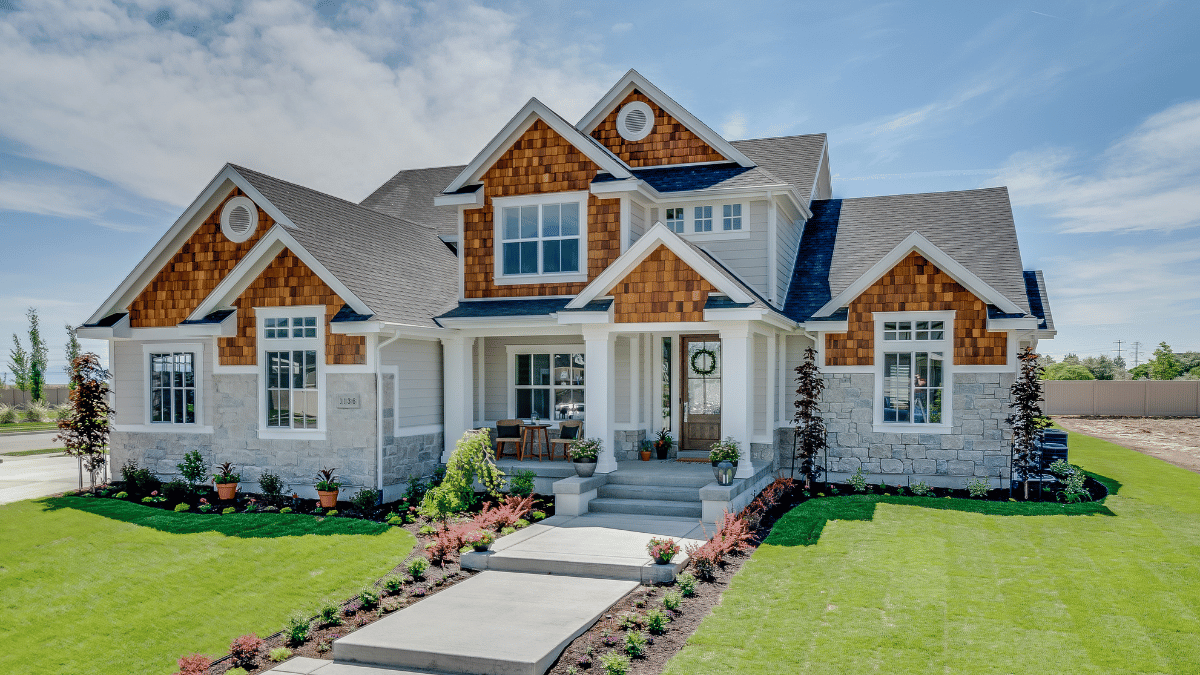
People often forget about exterior customization when buying triple wide homes. The right exterior choices can completely change how your home looks while serving practical purposes. Your home’s visual appeal depends on siding colors, roofing types, and decorative elements like shutters.
Many buyers overlook outdoor living spaces. A porch, deck, or patio creates a smooth transition between indoor and outdoor areas. These additions give you more living space and make your home more enjoyable.
Skirting does more than cover the space between your home’s base and the ground. You can choose from vinyl, metal, or faux stone materials. Good skirting protects important systems and makes your home look better.
Energy efficiency and comfort features
The Manufactured Housing Institute reports that manufactured homes cost about half as much per square foot as site-built homes. Still, buyers often miss chances to add value through energy-efficient upgrades.
Triple wide homes can include these energy-saving features:
- Better insulation in walls, roofs, and under the home
- Double or triple-pane windows with low-E coatings
- Energy Star-rated appliances and LED lighting
- High-efficiency HVAC systems with smart thermostats
These upgrades pay off through lower utility bills and a more comfortable home. Some manufacturers also offer eco-friendly options like solar panel compatibility or low-VOC building materials for better indoor air quality.
Add-ons that increase long-term value
Some customizations give you great returns by making your home more livable and valuable. Tech-savvy buyers love smart home technology, including programmable thermostats and security systems. Wider doorways and zero-step entries make homes more accessible for older residents or visitors with mobility needs.
Built-in storage helps solve one of manufactured housing’s most common issues. Your home can also be ready for future upgrades with rough-ins for solar power or electric vehicle charging.
The key is finding the right mix of personal touches that won’t limit your home’s future market appeal. Smart upgrades create a triple wide mobile home that’s comfortable and a sound investment.
The Real Cost of a Triple Wide Mobile Home in 2025
The complete financial picture of triple wide mobile homes in 2025 goes way beyond the advertised price tag. Smart buyers know that realistic budgeting means looking at all cost components that affect the final investment.
Base price vs total cost
A new triple wide mobile home’s base price ranges from $150,000 to $250,000. This is just the start of your investment. The total all-in cost with setup, land preparation, and other necessities usually runs between $217,000 and $311,000. Manufacturers advertise starting prices that leave out essential elements needed to make the home livable.
Here’s what a typical triple wide purchase looks like:
- Base home structure: $200,000–$250,000
- Land preparation: $7,000–$47,000
- Installation and setup: $10,000–$14,000
Land prep and foundation expenses
Site preparation needs significant investment beyond the home’s cost. Foundation costs vary based on type—from $5,000 for simple options to $25,000 for permanent foundations. Land leveling ($1,000–$10,000), soil testing ($1,000–$2,000), and clearing services add to your original expenses.
Delivery, setup, and permits
Transportation fees start at $5 per mile for the first 50 miles, plus $3–$5 per mile afterward. Triple wides need three separate sections transported, so delivery costs can hit $15,000–$25,000. Setup costs include professional installation labor ($2,000–$8,000) and equipment costs ($3,000–$7,000).
Permits add another layer of costs that buyers often overlook. Building permits cost between $500–$2,000, and some regions charge impact fees from $1,500–$10,000 to fund local infrastructure.
Insurance and taxes you might not expect
Your expenses continue after purchase. Manufactured home insurance typically runs $700–$1,500 yearly. Premium costs change based on location, home age, and coverage level. Higher-risk areas like coastal regions might see rates above $1,758 per year.
Property taxes apply to homeowners with both home and land. These range from $5,000 to $15,000 annually, depending on local rates and assessed value. Your long-term budget needs to account for these ongoing costs.
Top Builders and How to Choose the Right One
The manufacturer you choose for your triple wide mobile home will shape both your immediate satisfaction and long-term value. Let’s look at some top builders and what makes them stand out.
Clayton Homes
Clayton Homes has proven its excellence by winning the Manufactured Housing Institute’s “Manufacturer of the Year” award seven years in a row. Their homes cost between $60,000 and $300,000, and they can build one in just 6-7 days. The company’s standard warranty runs for a year, with options to extend coverage to 5 or 10 years.
Deer Valley Homebuilders
Since 2004, Deer Valley has focused on building high-quality manufactured homes that excel in construction quality and energy efficiency. They have built around 15,000 homes across the southeastern and central United States. Their “Woodside” model shows the company’s dedication to quality craftsmanship.
Jacobsen Homes
Jacobsen’s triple wide manufactured homes range from 1,600 to 2,497 square feet. You can choose from floor plans with two to four bedrooms and various bathroom configurations. Their in-house engineering team makes sure each home can handle Florida’s tough weather conditions.
Palm Harbor Homes
Palm Harbor builds homes that can withstand tropical storms and hurricanes. They back their confidence with a 12-year warranty – this is a big deal as it means that other builders offer less coverage. Each triple wide home comes with customizable floor plans and energy-efficient features.
What to ask before signing a contract
Make sure you ask about:
- The company’s experience and track record
- Current licenses, insurance, and certifications
- Help with permits
- Options to customize versus fixed plans
- Build time and possible delays
- How they’ll keep you updated during construction
- Warranty coverage and support after completion
Triple wide mobile homes offer amazing housing solutions for people who want lots of living space without paying traditional home prices. These spacious dwellings offer impressive square footage between 1,600 and 4,500 square feet. Manufacturing efficiencies help keep costs down. The base prices start around $150,000, but smart buyers should look beyond these attractive initial numbers.
The complete financial picture deserves careful attention. The total investment ranges from $217,000 to $311,000 after adding land preparation, delivery, setup costs, permits, and foundation expenses. On top of that, specialized insurance and property taxes need proper budget planning.
Customization choices can substantially affect both livability and future resale value. Budget-friendly features, quality interior finishes, and well-planned exterior designs turn these manufactured homes into individual-specific sanctuaries. These changes might even cut long-term ownership costs. Smart buyers know that strategic upgrades like solid surface countertops, better insulation, and outdoor living spaces pay off through improved comfort and market appeal.
The right floor plan makes a huge difference. This choice shapes daily living experiences, whether you prefer open-concept layouts for family time or split-bedroom designs for privacy. Central kitchens, multi-use spaces, and well-laid-out bedroom arrangements help create a home that works smoothly for years.
Builder choice affects construction quality and long-term satisfaction. Companies like Clayton Homes, Deer Valley Homebuilders, Jacobsen Homes, and Palm Harbor each bring unique advantages worth analyzing before making this big investment.
Triple wide mobile homes provide an attractive alternative to traditional housing without doubt. Large families, multi-generational households, or anyone who needs room to grow should think over these homes. Their mix of space, customization options, and relative affordability makes sense. The purchasing process needs many decisions, but buyers who research their options really well can find these spacious manufactured homes offer exceptional living at great value.
Here are some FAQs about triple wide mobile homes:
What is the biggest size mobile home?
Manufactured homes can be built in very spacious configurations, with the largest being multi-section homes known as triple wide mobile homes. These homes can exceed 2,500 square feet and offer layouts comparable to site-built houses. You can find listings for these large residences, including 5 bedroom triple wide mobile homes for sale.
Are there triple wide homes?
Yes, there are definitely triple wide homes, which are a type of manufactured home constructed from three separate sections. They are joined together on-site to create a very spacious living area. You can browse many examples and listings for triple wide mobile homes in various regions.
What is the widest mobile home that can be moved?
The widest single section of a mobile home that can be transported on public roads is typically 16 feet wide. This transportation limit is why wider homes, like double-wides and triple wide mobile homes, are built in multiple sections. These sections are then transported individually and assembled at the final home site.
What is the downside to a double wide?
A potential downside to a double wide is that it requires a significant amount of land for placement and may have higher setup and utility connection costs than a single-wide. They can also be more difficult to relocate once assembled. Finding financing for these homes can sometimes be more complex than for traditional site-built houses.
What is the maximum width of a mobile home?
The maximum width for a single-section mobile home designed for road transport is governed by state laws but is generally 16 feet wide. Homes wider than this, like triple wide mobile homes, are built as multiple sections. Once assembled on a permanent foundation, the total width of the home can be much greater.
What’s bigger than a double-wide mobile home?
A triple wide mobile home is bigger than a double-wide, as it is constructed from three sections instead of two. This configuration provides significantly more square footage and often more complex floor plans. Exploring photos of the inside triple wide mobile homes will show the expansive layouts available.
How much does it cost to move a triple wide manufactured home?
The cost to move a triple wide manufactured home is very high and complex, often ranging from $20,000 to over $50,000, depending on distance and permits. It requires moving three separate sections and reassembling them, which is a major undertaking. This is a key consideration when looking at triple wide mobile homes for sale.
What is the downside of modular?
A potential downside of modular construction is that it still requires significant on-site work for the foundation, assembly, and utility connections. Financing and securing permits can be as complicated as for a traditional stick-built home. Additionally, the perception of quality, though often unfounded, can sometimes affect resale value in certain markets.
How wide is a triple wide?
The total width of a triple wide mobile home varies by model and design but typically ranges from 42 to 60 feet wide once the three sections are joined. Each individual section is usually 14 to 16 feet wide for transport. Viewing plans for triple wide mobile homes texas can give you specific examples of common dimensions and layouts.

