

The Ultimate Guide to Flatbed Wrecker Trucks
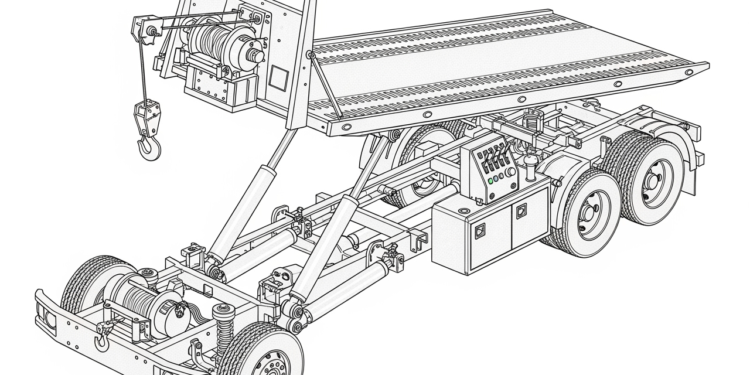
Table of Contents
- 1 Understanding the Flatbed Wrecker and Its Types
- 2 Anatomy and Operation: The Core Components
- 3 Applications and Advantages of Using a Flatbed Wrecker Truck
- 4 Ownership, Maintenance, and Costs
- 5 Safety Protocols and Industry Innovations
- 6 Frequently Asked Questions about Flatbed Wrecker Trucks
- 7 Conclusion
Understanding the Flatbed Wrecker and Its Types
The world of vehicle recovery is diverse, with various specialized trucks designed for different situations. Among these, the flatbed wrecker truck stands out for its versatility and the gentle approach it offers to vehicle transport. This section will define what a flatbed wrecker is and clarify how it differs from other common types of tow trucks.
What is a Flatbed Wrecker?
At its core, a flatbed wrecker truck is a specialized vehicle equipped with a long, flat platform that can be hydraulically tilted and slid backward to ground level. This allows a disabled or damaged vehicle to be driven or winched onto the platform, where it is then securely fastened for transport. Once loaded, the platform is retracted back onto the truck’s chassis, lifting the transported vehicle completely off the ground.
These trucks are known by several names, reflecting their function and design. They are commonly referred to as:
- Rollback trucks: This name directly describes the action of the bed rolling back to facilitate loading.
- Car carriers: While they can transport more than just cars, this term highlights their primary use for vehicle transport.
- Slide beds: Similar to rollback, this emphasizes the sliding mechanism of the platform.
- Tilt trays: This term is often used in regions like Australia and New Zealand, referring to the tilting capability of the bed.
The defining characteristic of a flatbed wrecker is its reliance on a sophisticated hydraulic system. This system powers the tilt and slide functions of the bed, as well as the winch that pulls vehicles onto the platform. The ability to carry a vehicle entirely on a secure platform makes flatbed wreckers an ideal solution for a wide range of vehicle transport needs, from routine breakdowns to the delicate handling of luxury or classic cars.
How Flatbeds Differ from Other Tow Trucks
While all tow trucks serve the purpose of moving indisposed vehicles, they employ different methods, each with its own advantages and limitations. Understanding these distinctions is crucial for appreciating the unique role of the flatbed wrecker.
Historically, the concept of vehicle recovery evolved significantly since Ernest Holmes Sr. invented the wrecker in 1916 after struggling to retrieve a car from a creek. His ingenuity laid the groundwork for the diverse range of tow trucks we see today, as detailed in the history of towing.
The five general types of tow trucks in common usage are boom, wheel-lift, integrated, flatbed, and lift flatbed. Here’s how flatbeds compare to the most common alternatives:
[TABLE] Comparing Flatbed vs. Wheel-Lift vs. Hook & Chain Towing Methods
- Feature Flatbed Wrecker Truck Wheel-Lift Tow Truck Hook & Chain Tow Truck Vehicle Contact None (vehicle carried entirely on platform) Two wheels lifted off the ground; two wheels remain on ground Vehicle supported by chains around its axle or frame; wheels may remain on ground Suitability for AWD/4×4 Excellent (prevents drivetrain damage) Not suitable (can damage drivetrain unless dollies are used) Not suitable (high risk of damage to modern vehicles) Damage Risk Very Low (damage-free transport) Low (minimal contact, but potential for transmission stress on FWD/RWD if not lifted correctly) High (can scratch, dent, or damage vehicle frame/components) Versatility High (cars, trucks, equipment, luxury, classic, immobile) Moderate (cars, light trucks; requires drivable wheels) Low (older, durable vehicles; limited to frame/axle access) Loading Speed Moderate to Slow (requires careful winching/securement) Fast (quick hook-up) Fast (quick hook-up) Cost Generally higher per tow (due to specialized equipment and time) Moderate Lower Common Use Accidents, breakdowns, specialty vehicle transport, long-distance towing Parking violations, repossessions, short-distance towing, minor breakdowns Older vehicles, junk cars, off-road recovery (less common for road vehicles today) Wheel-Lift Tow Trucks: These trucks use a metal yoke that scoops under the front or rear wheels of a vehicle, lifting them off the ground. The other two wheels remain on the ground. While faster for quick pickups, they are not ideal for all-wheel-drive (AWD) or four-wheel-drive (4WD) vehicles, as towing them with two wheels on the ground can cause significant damage to the drivetrain. They are often seen for parking enforcement or repossessions.
- Hook & Chain Tow Trucks: This is the oldest form of tow truck, using chains to secure the vehicle’s axle or frame. While effective for older, more robust vehicles or for pulling vehicles out of ditches, they pose a high risk of scratching or damaging the undercarriage of modern vehicles. Consequently, their use has significantly declined for standard vehicle towing.
- Integrated Wreckers (or Self-Loaders/Repo Trucks): These combine a boom and a wheel-lift in a single unit, often with controls inside the cabin for quick, often covert, pickups. They are typically used for repossessions where speed and minimal interaction are priorities.
- Boom Trucks: These use an adjustable boom (or crane) with a winch to lift and pull vehicles. While some have wheel-lifts, the primary lifting mechanism is the boom. They are often used for heavy-duty recovery, pulling vehicles from ditches, or uprighting overturned trucks, but generally do not transport vehicles entirely on a flat platform.
The global tow trucks market size was valued at USD 4.5 billion in 2022 and is projected to reach USD 6.2 billion by 2030, growing at a CAGR of 4.1% from 2023 to 2030. Flatbed tow trucks are the most common type, accounting for approximately 60% of the market share, underscoring their widespread preference and utility in the industry.
Anatomy and Operation: The Core Components
Understanding the intricate components of a flatbed wrecker truck reveals why it’s such a capable and essential piece of equipment in vehicle recovery and transport. Each part plays a critical role in its safe and efficient operation.
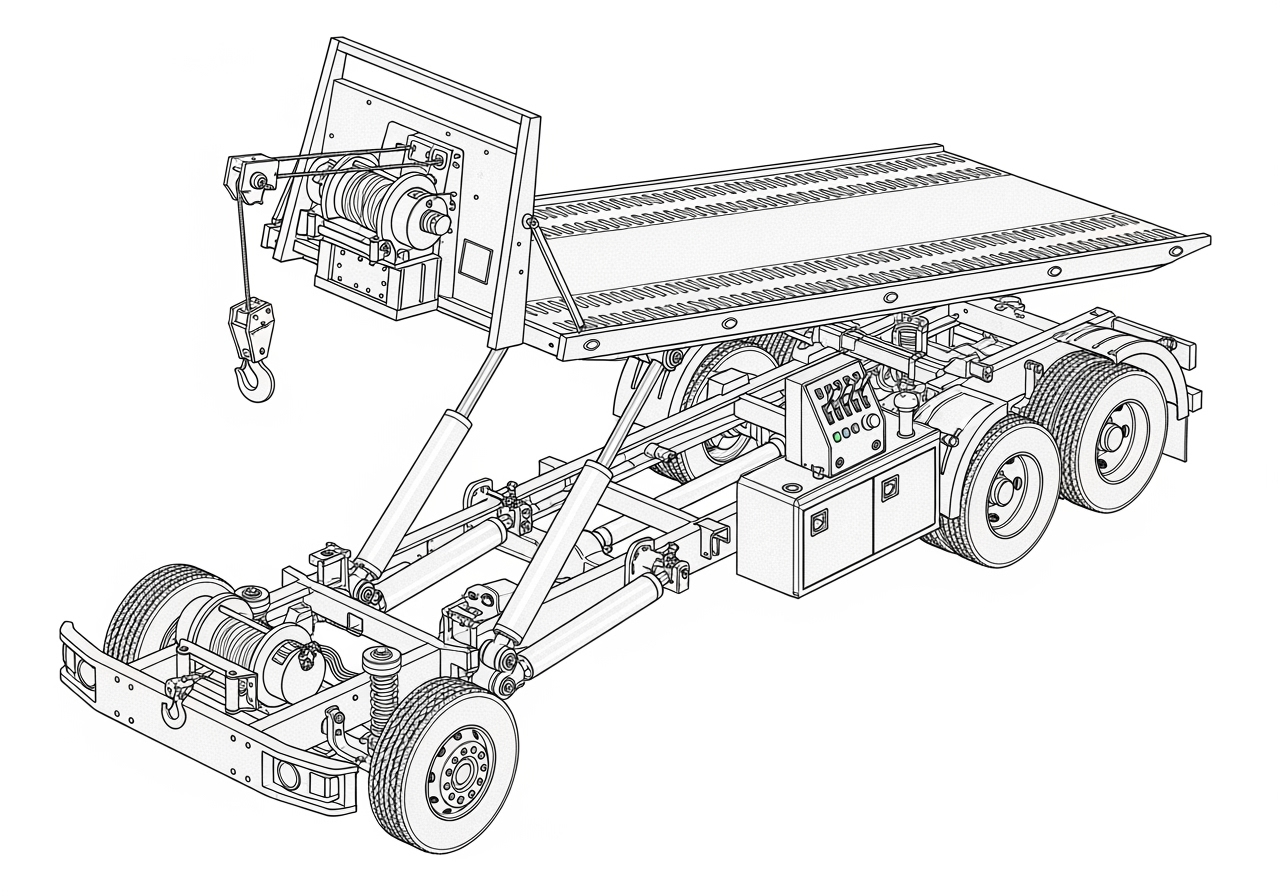
At its heart, a flatbed wrecker is built upon a robust chassis, which forms the foundation for all its specialized equipment. This chassis must be strong enough to support the weight of the flatbed mechanism and the vehicles it transports. Attached to this chassis are several key systems:
The Deck and Hydraulic System
The most distinctive feature of a flatbed wrecker is its flatbed deck (also known as the platform or bed). These decks are typically constructed from either steel or aluminum materials.
- Steel decks are known for their durability and strength, capable of handling heavier loads and resisting wear and tear. However, they are heavier, which can reduce the truck’s overall fuel efficiency and payload capacity.
- Aluminum decks are significantly lighter, allowing for greater payload capacity and improved fuel economy. They are also rust-resistant, which is a major advantage in various climates. While generally more expensive upfront, their long-term benefits often outweigh the initial cost.
The deck’s movement is controlled by a sophisticated hydraulic tilt and slide mechanism. This system uses hydraulic cylinders to:
- Tilt: The rear of the bed lowers to the ground, creating a ramp.
- Slide: The entire bed slides backward, extending beyond the rear of the truck, further reducing the load angle and making it easier to load vehicles, especially those with low ground clearance.
The bed capacity of a flatbed wrecker varies significantly, ranging from 4-ton flatbeds for light-duty vehicles to much larger capacities for commercial trucks or equipment. For instance, a Foton 4 Ton Rollback Wrecker can handle up to 4,000 kg (4 tons) on its flatbed, with dimensions around 5600×2400 mm. This capacity dictates the size and weight of vehicles the truck can safely transport.
The Winch and Wheel-Lift
Integral to the flatbed’s operation are its loading and securing mechanisms:
- The Winch: Mounted at the front of the flatbed, the winch is a powerful device used to pull disabled or non-running vehicles onto the deck. Winches typically have a winch capacity ranging from 8,000 lbs to 25,000 lbs or more, depending on the truck’s overall capability. Many modern flatbeds use a planetary winch, which offers superior pulling power and efficiency. The winch uses a strong steel cable (or synthetic rope) that is hooked to the disabled vehicle. Features like air cable tensioners and air free spool improve operational efficiency and safety.
- The Wheel-Lift (Underlift): Located at the rear of the wrecker, the wheel-lift is a separate hydraulic boom with a crossbar that can be extended, retracted, raised, and lowered. It’s designed to cradle the front or rear wheels of a second vehicle, allowing the flatbed to tow another vehicle behind it while one is on the deck. This significantly increases the truck’s overall towing capacity and efficiency for multi-vehicle recovery. The wheel-lift often comes with various forks and attachments to accommodate different vehicle types and tire sizes, ensuring proper securing vehicles during transport. For example, a 25-ton integrated wrecker might have an underlift with a 28,000 lb rating when fully retracted and a 12,000 lb rating when fully extended, with an overall tow capacity of 80,000 lbs.
Other critical components include:
- Control Panel: Typically located on the side of the truck, this panel contains levers and buttons to operate the hydraulic functions of the bed, winch, and wheel-lift. Some advanced models feature advanced remote controls for safer and more convenient operation.
- Bed Locks: These mechanisms ensure the flatbed is securely locked in place on the chassis during transport, preventing any movement. The Devastator™ Rollback Car Carrier, for instance, highlights advanced bed locks that can extend the effective length of the bed for larger overhangs.
- Toolboxes and Storage: Flatbed wreckers are equipped with various compartments for storing chains, straps, safety equipment, and other tools necessary for recovery operations.
These components work in concert to provide a reliable and efficient means of transporting vehicles, making the flatbed wrecker an indispensable asset in the towing industry.
Applications and Advantages of Using a Flatbed Wrecker Truck
The design and capabilities of flatbed wrecker trucks make them the preferred choice for a vast array of vehicle recovery and transport scenarios. Their inherent safety and versatility offer significant advantages over other towing methods, ensuring peace of mind for vehicle owners and efficient operations for service providers.
Primary Functions and Use Cases
Flatbed wrecker trucks are the workhorses of the towing industry, deployed in diverse situations:
- Accident Recovery: When a vehicle is involved in an accident, it might be too damaged to be towed traditionally. A flatbed can gently winch the vehicle onto its platform, preventing further damage during transport from the accident scene to a repair facility or impound lot.
- Breakdown Transport: For vehicles that have suffered mechanical failures and cannot be driven, a flatbed provides a secure and stable transport solution. This includes everything from engine trouble to transmission issues or a completely seized wheel.
- Exotic and Classic Car Hauling: Owners of high-value, luxury, or vintage vehicles often insist on flatbed transport. The damage-free nature of carrying the vehicle entirely off the ground protects delicate suspension systems, custom paint jobs, and low-clearance chassis from potential scrapes or stress.
- AWD & 4WD Vehicles: As discussed, all-wheel-drive (AWD) and four-wheel-drive (4WD) vehicles cannot be safely towed with two wheels on the ground. The flatbed is the only method that ensures all four wheels are lifted, preventing costly damage to the complex drivetrain systems.
- Low-Profile Vehicles: Sports cars, modified vehicles, and other low-profile cars can easily scrape their undercarriage on traditional tow truck ramps or during wheel-lift towing. The low load angle achievable by a tilting and sliding flatbed deck minimizes this risk, making it the safest option.
- Equipment Transport: Beyond passenger vehicles, flatbeds are frequently used to transport light to medium-sized construction equipment, forklifts, small tractors, and other machinery that cannot be driven on public roads or requires careful handling.
- Long-Distance Hauling: For transporting vehicles across states or long distances, flatbeds offer the most secure and stable ride, reducing wear and tear on the transported vehicle compared to traditional towing.
For reliable vehicle recovery and transport services, especially for flatbed towing needs in the Denver Metro Area, you can find expert assistance through Denver flatbed wrecker truck.
Key Advantages Over Other Towing Methods
The widespread adoption of flatbed wreckers in the towing market (accounting for roughly 60% of tow trucks) is a testament to their compelling advantages:
- Damage-Free Transport: This is arguably the most significant advantage. By carrying the entire vehicle on a flat platform, there’s no stress on the drivetrain, no risk of scraping the undercarriage, and no wear on the tires or suspension of the towed vehicle. This is particularly crucial for modern vehicles with sensitive electronics and complex mechanical systems.
- Safety: Transporting a vehicle on a flatbed is inherently safer. The vehicle is securely strapped down, minimizing movement during transit. This reduces the risk of accidents caused by swaying or unstable loads, especially at higher speeds or over uneven terrain. For the operator, modern flatbeds often feature remote controls, allowing them to stand at a safe distance during loading and unloading.
- Versatility: As highlighted in the use cases, a single flatbed wrecker can handle a wide variety of vehicles and situations. From a small sedan to a large SUV, from a classic car to a forklift, the flatbed adapts to diverse transport needs. Many flatbeds also come with an underlift, allowing them to simultaneously tow a second vehicle, doubling their efficiency.
- Security: For impounded vehicles or those involved in legal disputes, the secure transport offered by a flatbed ensures the vehicle arrives at its destination in the same condition it was loaded, preventing claims of additional damage during transit.
- Peace of Mind for Vehicle Owners: Knowing that their valuable asset is being carried completely off the ground, free from potential damage, provides immense peace of mind to vehicle owners, especially after a stressful breakdown or accident. This builds trust and improves customer satisfaction.
The demand for flatbed tow trucks is driven by factors such as the increasing number of vehicles on the road, the rising incidence of vehicle breakdowns and accidents, and the growing need for efficient vehicle recovery and transportation services. As vehicle technology advances, making cars more complex and susceptible to damage from improper towing, the role of the flatbed wrecker becomes even more critical.
Ownership, Maintenance, and Costs
Acquiring and operating a flatbed wrecker truck represents a significant investment, but one that can yield substantial returns given the high demand for their services. Understanding the factors involved in purchasing, the ongoing maintenance requirements, and the associated costs is crucial for anyone considering entering or expanding in the towing business.
Key Factors When Choosing a Flatbed Wrecker Truck
Selecting the right flatbed wrecker involves careful consideration of several technical and operational aspects:
- GVWR Classes (Gross Vehicle Weight Rating): Flatbed trucks are categorized by their GVWR, which indicates the maximum operating weight of the truck, including the chassis, body, and payload. Common classes for flatbeds include:
- Class 4 (14,001 – 16,000 lbs): Lighter duty, suitable for smaller cars.
- Class 5 (16,001 – 19,500 lbs): Common for standard car and light truck towing.
- Class 6 (19,501 – 26,000 lbs): Versatile for a broader range of vehicles, including some medium-duty trucks.
- Class 7 (26,001 – 33,000 lbs): For heavier vehicles and light equipment. Choosing the appropriate GVWR ensures the truck can legally and safely handle its intended loads.
- Bed Length and Material: Bed lengths vary to accommodate different vehicle sizes. Longer beds are necessary for extended vehicles or to transport multiple smaller vehicles. The choice between steel and aluminum for the bed material impacts payload capacity, durability, and initial cost, as discussed earlier.
- Winch and Underlift Capacity: These capacities must align with the types of vehicles you plan to recover. A higher winch capacity (e.g., 20,000 lbs vs. 8,000 lbs) is essential for heavily damaged or stuck vehicles. Similarly, a robust underlift capacity is vital if you intend to regularly tow a second vehicle.
- Chassis Selection: The chassis is the foundation. Reputable chassis manufacturers like Ford, Ram, Peterbilt, Hino, Isuzu, and Freightliner offer various models suitable for flatbed conversions. Factors like engine power, transmission type (automatic transmissions are common), and axle ratings are critical. The chassis must be able to support the weight of the flatbed body and its maximum payload.
- New vs. Used Market: The average cost of a new flatbed tow truck ranges from $70,000 to $150,000, depending on the chassis, features, and manufacturer. Used trucks can be significantly more affordable, but require thorough inspection for wear and tear, especially on the hydraulic system and frame. The used market offers a wide variety of models from different years and manufacturers. Online marketplaces like Commercial Truck Trader provide extensive listings for both new and used rollback tow trucks, allowing for detailed comparisons by make, model, year, and specifications.
- Customization Options: Many manufacturers offer extensive customization. This can include additional toolboxes, specialized lighting, stainless steel appearance packages, and improved control systems like proportional belly pack remotes. These options can improve efficiency, safety, and operator comfort. For example, Custom Built Wrecker Manufacturing provides detailed options for their 25-ton integrated wreckers, including Dri Deck for toolboxes and air shift PTOs for reduced maintenance.
Essential Maintenance for Longevity
Proper and consistent maintenance is paramount for the longevity, reliability, and safety of a flatbed wrecker truck. Neglecting maintenance can lead to costly breakdowns and compromise safety.
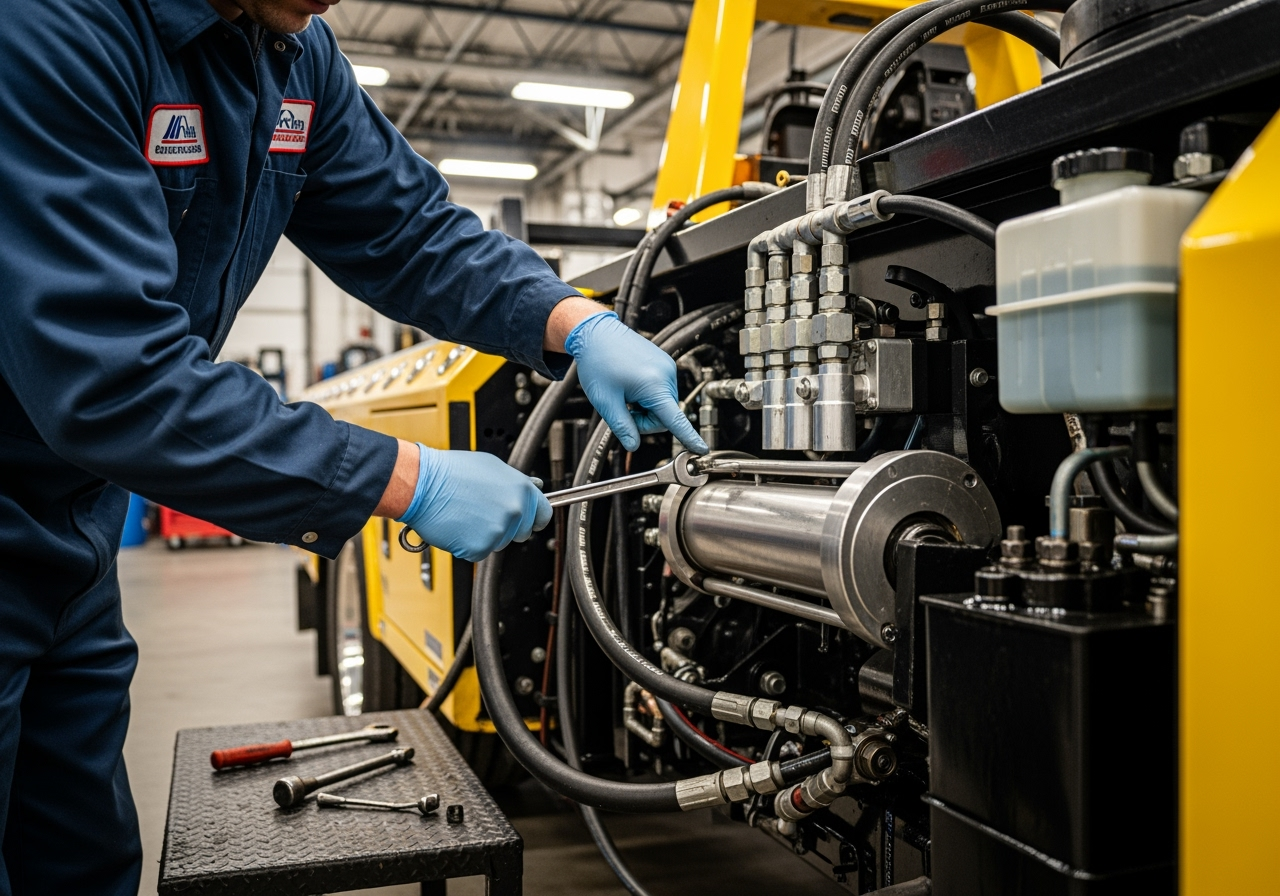
- Hydraulic Fluid and Lines: The hydraulic system is the lifeblood of the flatbed. Regular checks of hydraulic fluid levels and condition are essential. Hoses and lines should be inspected for leaks, cracks, or chafing. Steel lines, as highlighted by the Devastator™ Rollback Car Carrier, can significantly reduce downtime compared to rubber hoses.
- Winch Cable Inspection: The steel cable (or synthetic rope) on the winch is under immense stress. It should be inspected daily for frays, kinks, flat spots, or corrosion. Any damage necessitates immediate replacement.
- Lubrication Points: All moving parts, especially pivot points, pins, and cylinders, require regular lubrication to prevent wear and ensure smooth operation. Manufacturers provide grease diagrams to guide this process.
- Pivot Pins and Bushings: These components, often made of bronze or hardened steel, are critical for the smooth articulation of the bed and wheel-lift. They should be inspected for wear and replaced if excessive play is detected. Some manufacturers offer lifetime warranties on these components due to their critical nature.
- Bed Lock Mechanism: Ensure the bed locks engage and disengage smoothly and securely. Proper functioning of these locks prevents unintended movement of the bed during transport.
- Chassis Upkeep: Standard truck maintenance applies: regular oil changes, tire rotations, brake inspections, and general chassis lubrication.
Understanding the Financials
The financial aspect of owning a flatbed wrecker involves both the initial purchase and ongoing operating expenses.
- Purchase Price Range: As noted, new flatbed tow trucks typically range from $70,000 to $150,000+. However, specialized heavy-duty models or those with extensive customization can exceed this, reaching into the hundreds of thousands. For example, a Sinotruk HOWO 4X2 Flatbed Wrecker might be listed between $15,000-$18,900, indicating a wide range depending on manufacturer and specifications.
- Operating Costs: These are ongoing and include:
- Fuel: Flatbed wreckers, especially larger models, consume significant amounts of fuel.
- Insurance: Commercial vehicle insurance for a tow truck is a substantial expense.
- Maintenance and Repairs: Beyond routine checks, unexpected repairs can be costly, emphasizing the importance of preventative maintenance.
- Tires: Due to heavy loads and mileage, tire replacement is a regular expense.
- Labor: Operator wages are a primary cost for towing businesses.
- Return on Investment (ROI): Despite the high costs, the demand for towing services ensures a strong potential ROI. Flatbed wreckers command higher service fees due to their specialized capabilities and damage-free transport. The market for flatbed tow trucks is expected to grow significantly in the coming years, particularly in emerging economies where vehicle ownership is rapidly increasing, indicating a healthy future for the industry.
Safety Protocols and Industry Innovations
Operating a flatbed wrecker truck is a complex task that demands rigorous adherence to safety protocols. Furthermore, the industry is continuously evolving, with new innovations aimed at enhancing efficiency, safety, and environmental performance.
Essential Safety Practices for Operation
Safety is paramount in the towing industry, especially when dealing with heavy machinery, unpredictable traffic, and potentially hazardous recovery situations.
- Proper Loading and Unloading: This is critical to prevent accidents and damage. Operators must ensure the vehicle is centered on the bed, and the winch cable is properly aligned. The hydraulic system should be operated smoothly to avoid sudden movements. For low-profile vehicles, the lowest possible load angle is crucial.
- Load Securement Techniques: Once loaded, the vehicle must be carefully secured to the flatbed. This involves using heavy-duty straps, chains, and wheel nets to prevent any movement during transit. All four wheels should be secured, and additional straps might be needed for the vehicle’s frame. Regular inspection of straps and chains for wear and tear is essential.
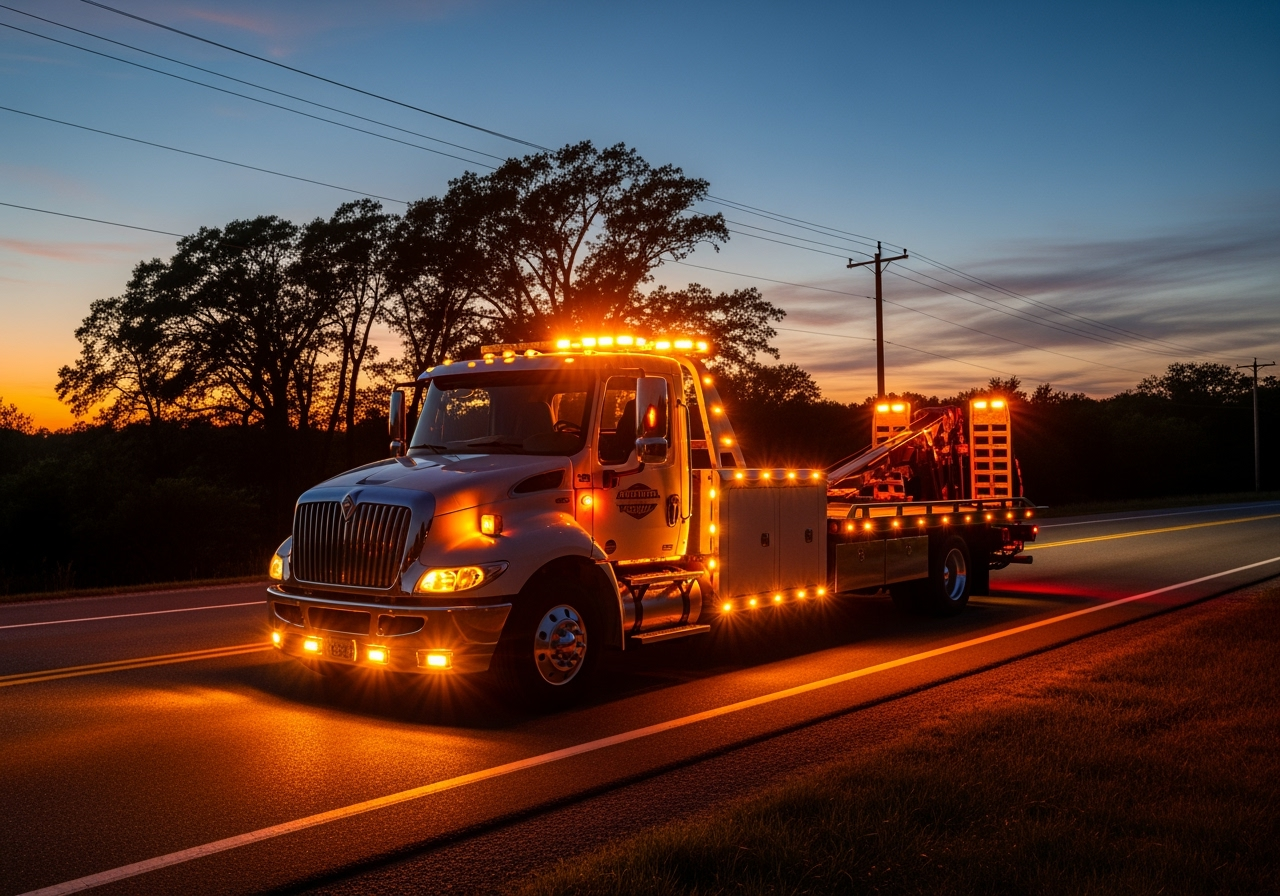
- Worksite Awareness and Traffic Control: Recovery operations often take place on busy roadsides, highways, or accident scenes. Operators must be highly aware of their surroundings, utilizing cones, flares, and warning lights to alert approaching traffic. Proper traffic control measures protect both the operator and the public.
- Personal Protective Equipment (PPE): Operators should always wear appropriate PPE, including high-visibility clothing, safety glasses, gloves, and sturdy footwear.
- Operator Training: Comprehensive training is vital. This includes understanding the truck’s mechanics, hydraulic systems, safe operating procedures, and emergency protocols. Many manufacturers provide detailed operation and maintenance manuals for their equipment.
The Future of the Flatbed Wrecker Truck
The flatbed wrecker industry is not static; it’s constantly innovating to meet evolving demands and leverage new technologies.
- Lightweight Materials: Continuing the trend of aluminum decks, manufacturers are exploring other advanced lightweight materials for chassis and components. This aims to increase payload capacity, improve fuel efficiency, and reduce wear on the truck’s engine and tires.
- Advanced Remote Controls: While remote controls are already common, future innovations will likely include more sophisticated, multi-function remotes with haptic feedback, improved range, and integrated diagnostic capabilities, allowing operators even greater control and safety from a distance.
- Low-Angle Deck Designs: Engineers are continually refining hydraulic systems and bed designs to achieve even lower load angles, making it easier and safer to load extremely low-profile or damaged vehicles without scraping.
- Improved LED Lighting: Beyond basic safety lights, future flatbeds will feature more advanced, integrated LED lighting systems for improved visibility during night operations, including scene lighting, under-body lighting, and programmable warning light patterns.
- Anti-Corrosion Technology: Given the harsh environments tow trucks operate in (salt, moisture, road debris), advancements in anti-corrosion coatings and materials will extend the lifespan of components, reducing maintenance costs. Features like specialized seals for pivot points are already being implemented.
- Improved Fuel Efficiency: With rising fuel costs and environmental concerns, manufacturers are investing in more fuel-efficient engines (including hybrid or electric powertrains for lighter models) and aerodynamic designs to reduce operational expenses.
- Telematics and Connectivity: Integration of GPS tracking, real-time diagnostics, and fleet management software will become standard, allowing for optimized routing, predictive maintenance, and improved overall operational efficiency.
- Improved Safety Features: Expect to see more advanced driver-assistance systems (ADAS), such as blind-spot monitoring, collision avoidance, and even semi-autonomous loading features, further enhancing operator and public safety.
These innovations highlight a future where flatbed wrecker trucks are not just powerful machines, but intelligent, highly efficient, and even safer tools for vehicle recovery and transport.
Frequently Asked Questions about Flatbed Wrecker Trucks
Why is a flatbed wrecker the best option for all-wheel-drive (AWD) vehicles?
A flatbed carries the entire vehicle on its deck, keeping all four wheels off the ground. This prevents potential damage to the vehicle’s drivetrain and transmission, which can occur if an AWD vehicle is towed with its wheels rolling on the pavement. Towing an AWD vehicle with a wheel-lift or hook-and-chain method without using dollies can cause severe and expensive damage to the vehicle’s complex all-wheel-drive system, as it puts undue stress on components not designed to be rotating independently while others are stationary or rotating at different speeds. The flatbed eliminates this risk entirely, making it the safest and most recommended method for AWD and 4WD vehicles.
What is the difference between a rollback and a lift flatbed?
A rollback, the most common type of flatbed wrecker, has a bed that tilts and slides backward to create a ramp for loading. The vehicle is then winched or driven onto this inclined and extended platform. Once loaded, the bed is hydraulically retracted and leveled back onto the truck’s chassis. A lift flatbed, less common for standard vehicle towing, uses a mechanism to lift the entire bed horizontally off the chassis and then lower it to the ground. This creates a completely flat loading surface, which can be advantageous for very specific equipment, containers, or extremely delicate loads where even a slight incline is undesirable. However, they are typically slower to operate and more mechanically complex than standard rollbacks. For most vehicle recovery and transport needs, the rollback design offers the ideal balance of speed, versatility, and safety.
What kind of license is required to operate a flatbed wrecker truck?
Licensing requirements vary by location (state, province, or country) and primarily depend on the truck’s Gross Vehicle Weight Rating (GVWR).
- For lighter-duty flatbeds (typically under 26,001 lbs GVWR): In many places, a standard Class C driver’s license (or equivalent) may suffice, provided no air brakes are involved. However, some jurisdictions might require a non-commercial Class B license for vehicles over a certain weight threshold.
- For medium and heavy-duty flatbeds (26,001 lbs GVWR or more): Generally, operating these vehicles requires a Commercial Driver’s License (CDL). This often means a Class B CDL for single vehicles over the weight limit, or a Class A CDL if the truck is designed to tow a trailer (like a second vehicle on a wheel-lift) that also exceeds certain weight thresholds. Additionally, specific endorsements (e.g., air brake endorsement) might be necessary depending on the truck’s features. It is crucial for operators to check with their local Department of Motor Vehicles (DMV) or equivalent transportation authority for the precise licensing requirements in their area, as regulations can change and vary significantly. Operators must also be aware of any state-specific towing industry regulations or certifications.
Conclusion
The flatbed wrecker truck stands as an indispensable cornerstone of modern vehicle recovery and transport. From its humble beginnings, inspired by the practical needs of early motorists, to today’s technologically advanced machines, the flatbed has consistently proven its superior capability.
We’ve explored how these versatile giants, also known as rollbacks or car carriers, distinguish themselves from other towing methods by offering a complete, damage-free transport solution. Their sophisticated hydraulic systems, powerful winches, and adaptable wheel-lifts enable them to handle everything from delicate classic cars to accident-damaged vehicles and specialized equipment, ensuring every transport is secure and safe.
The advantages of using a flatbed are clear: unparalleled safety, minimal risk of damage, and remarkable versatility across a multitude of scenarios. This makes them the preferred choice for discerning vehicle owners and efficient service providers alike. While the investment in purchasing and maintaining these robust machines is significant, the high demand for their specialized services and their long operational lifespan ensure a strong return on investment.
As the automotive landscape continues to evolve, with more complex vehicles and increasing traffic, the role of the flatbed wrecker will only grow in importance. With ongoing innovations in lightweight materials, advanced controls, and improved safety features, the future of towing promises even more efficient and secure solutions. The flatbed wrecker truck is more than just a vehicle; it’s a vital service that keeps our roads clear, our vehicles protected, and provides peace of mind in moments of roadside distress.