

Schluter vs Bullnose Breakdown and Key Differences
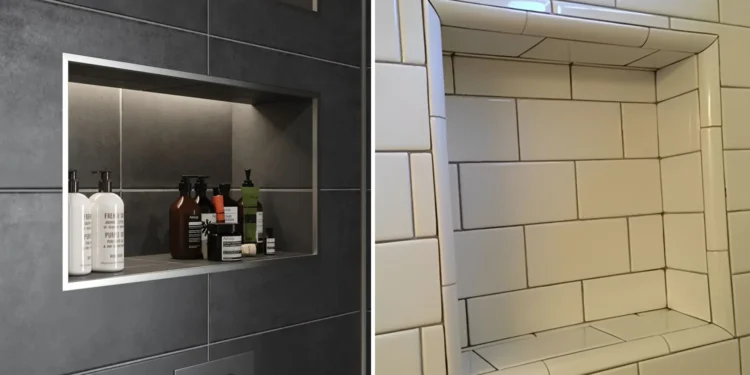
Homeowners and contractors face a vital design choice between schluter and bullnose tile edge finishing. This decision affects both looks and function. Schluter trim, which gets its name from Werner Schlüter, uses aluminum or stainless steel to give tiles clean, modern edge protection. The rounded, finished edge of bullnose tiles creates a more traditional appearance.
The differences go beyond just looks. Modern bathroom or kitchen remodels blend naturally with Schluter strips to create a polished look. These strips cost $5 to $20 per piece based on type and material. Bullnose trim works as both corner protection and edge concealment. It can serve as baseboards or decorative elements. You’ll find standard bullnose priced at $5 to $15 per linear foot. Bullnose tiles get installed at the final stage of tiling. Schluter trim gives you many options that match different design priorities.
This detailed guide gets into the main differences, uses, and factors to think about when choosing between these popular tile edge options. Your specific project needs – whether a modern bathroom update or traditional kitchen backsplash – will benefit from knowing each option’s advantages.
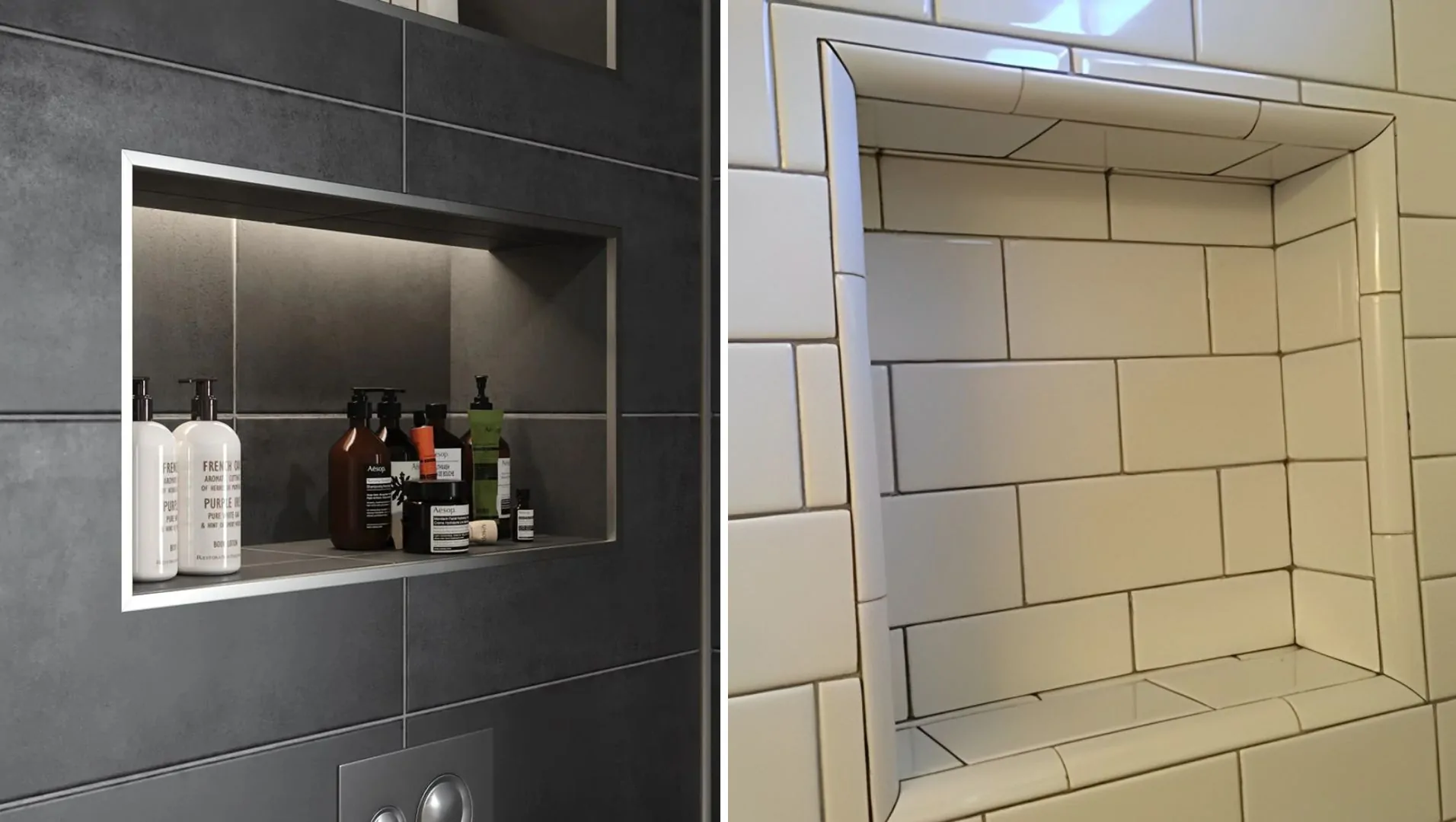
Table of Contents
- 1 What is Schluter Trim and When to Use It
- 2 Types of Schluter Trims Explained
- 3 What is Bullnose Tile and Where It Works Best
- 4 Types of Bullnose Tile Edges
- 5 Schluter vs Bullnose: Key Differences Compared
- 6
- 7 Here are some FAQs about Schluter vs Bullnose:
- 7.1 What is the difference between Schluter and bullnose?
- 7.2 What is a Schluter?
- 7.3 What is bullnose tile used for?
- 7.4 What is the purpose of Schluter trim?
- 7.5 When should you use Schluter?
- 7.6 What is the purpose of a bullnose?
- 7.7 Is Schluter used in high-end homes?
- 7.8 Is Schluter really waterproof?
What is Schluter Trim and When to Use It
Schluter trim’s story began with their first product – the SCHIENE profile. This innovation laid the groundwork for many creative tiling solutions. The modern approach to tile edge protection stands apart from old-school finishing methods by blending practical use with design options.
What is a Schluter strip?
A Schluter strip is a special trim piece that guards and finishes exposed tile edges. These profiles come in metal like aluminum or stainless steel, or PVC materials. They create clean, professional transitions where tiles meet other materials. The trim works as both a practical and decorative element in tile installations.
Each trim has a unique anchoring leg – a perforated flange that sits in the thin-set mortar under the tile edge during installation. This design keeps the trim securely fixed throughout its life. Schluter profiles make traditional ceramic trim pieces unnecessary while giving better protection against chips and cracks.
Ideal use cases for Schluter
Schluter trim works great in many spots, both at home and in commercial buildings. Here’s where these adaptable profiles shine:
- Around backsplashes and countertops when tile meets cabinets or walls
- Along shower walls and niches to block water at transitions
- At floor transitions between tile and other flooring
- On stairs and steps to prevent slips
- Around windows or decorative borders for neat, finished edges
Modern designers love Schluter trim because it creates clean, minimal lines that match today’s style trends. You can choose from many finishes – brushed aluminum, polished chrome, and colored PVC. These options let you either showcase tile transitions as design elements or create subtle edges that blend naturally with nearby materials.
Benefits in wet and high-traffic areas
Bathrooms and kitchens benefit from Schluter trim’s advantages over other edge treatments. The profiles block water from seeping through, which protects the materials underneath. This waterproofing makes the trim vital for shower installations, especially around niches, benches, and where walls meet floors.
High-traffic areas need tough solutions. Schluter trims use aluminum and stainless steel to resist daily wear. These materials handle heavy use without breaking down, which makes them perfect for busy spaces, whether commercial or residential.
The trim’s smooth, non-porous surface makes cleanup a breeze without special tools or cleaners. This easy maintenance is perfect for areas that need regular cleaning, like kitchen backsplashes or bathrooms. Schluter profiles do more than just look good – they’re vital components that boost the life and performance of tiled surfaces.
Types of Schluter Trims Explained
Schluter Systems has a wide range of profile options. Each profile is designed to solve specific tiling challenges and provides both practical and visual benefits. Learning about the unique features of each profile type helps you make better decisions when choosing between schluter trim vs bullnose solutions for your tiling projects.
Schluter Jolly
The Schluter Jolly has been redesigned with improved features and is one of the most versatile profiles available. This wall edging trim creates clean, flush corners with its crisp 90-degree angle that protects tile edges from damage. The Jolly profile’s integrated joint spacers on both sides ensure your grout joints are consistent and symmetrically arranged.
The design has innovative corner pieces with plug-in connections that make miter cuts unnecessary and ensure precise alignment. This makes installation much easier and gives more professional results than traditional bullnose tile edges. You can get Jolly in many materials and finishes, including a new stainless steel option, with lengths of 8 feet and 10 feet to fit different project needs.
Schluter Rondec
Rondec is perfect if you prefer softer edges instead of sharp angles in bullnose tile vs schluter strip options. It has a symmetrically rounded outer corner with a 1/4″ (6 mm) radius that creates gentle transitions while keeping a modern look.
You’ll find Rondec in many materials including stainless steel, solid brass, chrome-plated brass, anodized aluminum, color-coated aluminum, and PVC. This variety lets you match colors with tile and grout to create seamless transitions or intentional design highlights. Rondec works great as stair nosing or transition profiles between different flooring materials.
Schluter Quadec
Quadec brings something unique to the schluter vs bullnose debate with its square-edged profile that creates clean, modern lines. The profile forms a square outer corner along the surface edge that’s popular in contemporary design schemes. Quadec not only looks good but also protects tile edges from mechanical stress damage.
This profile stands out from standard bullnose options because it works well for transitions, corners, or dado coverings with materials like carpet, parquetry, natural stone, or poured epoxy. The stainless steel version resists wear better, making it great for busy commercial spaces where durability matters most.
Schluter Schiene
Schiene, the original Schluter profile, remains a top choice for floor applications. Its 87° angle protects floor tile edges that meet carpet, expansion joints, or decorative stair edging. The minimal reveal creates elegant transitions between different floor coverings.
You can choose Schiene in stainless steel, solid brass, aluminum, and anodized aluminum. Each material offers different benefits. The stainless steel version (in V2A and V4A grades) resists chemicals and acids exceptionally well, making it ideal for industrial kitchens, hospitals, and swimming pools.
Schluter Dilex
Dilex focuses on inside corners and movement joints, unlike other profiles that mainly handle outside corners. The Dilex-AHK has a cove-shaped design with a 3/8″ (10 mm) radius that keeps dirt from building up and makes cleaning easier. This makes it perfect for places with strict hygiene requirements like commercial kitchens, bathrooms, and food-processing facilities.
These profiles are vital because they handle structural movement and prevent cracks that can happen when building materials naturally expand and contract. This feature is especially important in large commercial spaces, high-traffic areas, or places with temperature changes, offering benefits that traditional bullnose tile can’t match.
What is Bullnose Tile and Where It Works Best
Bullnose tile is a classic way to finish tile edges that has proven itself in homes and businesses alike. Unlike modern profiles we discussed earlier, bullnose gives you a softer look that many designers and homeowners still love for certain styles.
What is bullnose tile?
A bullnose tile stands out with its rounded, finished edge that smoothly connects tile to other surfaces. What started as a special trim piece now comes with one or more curved edges made to cover exposed tile sides. The rounded shape does two jobs – it gets rid of sharp corners and gives tiled areas a clean, finished appearance.
Just like trim or molding in woodwork, bullnose covers raw edges and adds a finishing touch where tiling stops. You can get anything from a slight curve (half bullnose) to a fully rounded edge, based on what you need and want for your design.
Common applications of bullnose
Bullnose tile works great in many spots throughout homes and businesses:
- Countertop edges: Gives you a smooth surface that won’t catch clothes and feels better than sharp edges
- Bathroom elements: Perfect for tub surrounds, shower niches, and where tiled walls end
- Wainscoting and half-walls: Makes clean transitions from tile to painted surfaces
- Floor transitions: Joins tiled floors and walls smoothly without extra transition strips
- Decorative borders: Adds finishing touches around fireplaces or accent walls
Bullnose trim really shines when you want a cohesive, softer look that blends naturally with everything around it. Designers love this versatility when they need to balance looks and function.
Bullnose vs Schluter in traditional spaces
Your choice between bullnose tile and schluter strip often comes down to what look you’re after. Bullnose trim brings a classic, traditional elegance to spaces. Its rounded edges and ceramic build create a softer, more unified look that fits perfectly in traditional or transitional designs.
Bullnose can match your main tile’s exact color and material, creating a flow that metal Schluter profiles can’t match. This natural blend makes bullnose a great choice when you want to keep materials consistent, like in classic subway tile projects or timeless bathroom designs.
But before you pick bullnose, remember that its traditional charm might not protect edges as well as metal Schluter profiles where there’s lots of traffic or moisture. You’ll need to weigh how it looks against how durable it is, how much care it needs, and how hard it is to install.
Types of Bullnose Tile Edges
The bullnose vs schluter debate needs a deeper look at bullnose edge varieties to help you make better decisions for your tiling project. Different types work best for specific applications.
Standard Bullnose
Standard bullnose tiles come with a single rounded edge that creates a smooth, finished look at transitions. This classic choice remains popular for wall applications where you need to finish just one edge. These rectangular tiles, usually sized around 3×13 inches, provide an elegant border for field tiles. You can use this versatile option for backsplashes, shower surrounds, and countertop edges that need clean transitions.
Double Bullnose
Double bullnose tiles feature two rounded edges on parallel sides, making them perfect for spots needing finished edges on both sides. These specialized pieces work great for shower curbs and thresholds since they help water flow off both sides instead of pooling in grout lines. Double radius bullnose variants excel in bathrooms, especially on narrow walls, pony walls, and shower curbs where both sides show.
Half Bullnose
Half bullnose edges combine a rounded top with a flat bottom to create a modern look. This profile strikes a balance between contemporary style and traditional function, making it ideal for backsplashes, wall caps, and paving projects. The gentle curve offers a softer appearance than sharp edges while keeping the visual definition that full bullnose lacks.
Corner Bullnose
Corner bullnose tiles solve the tricky problem of finishing outside corners with their L-shape design. These specialized pieces create smooth transitions where two surfaces meet at right angles with their two adjacent rounded edges. You’ll find them most often in shower niches, bathroom wall corners, and kitchen backsplashes that wrap around cabinetry, eliminating awkward cuts or exposed edges.
Radius Bullnose
Radius bullnose stands out as a specialized option with its pronounced, fuller curve. These tiles work well for pool coping and outdoor applications, helping direct water away while providing comfortable, rounded edges. The flowing profile creates an elegant solution where sharp corners might be unsafe or detract from a premium look.
Schluter vs Bullnose: Key Differences Compared
The choice between Schluter and bullnose tile edges can affect both your current project costs and future value. Homeowners and contractors need to understand these differences to make smart decisions based on their project needs.
Design and visual appeal
Schluter trim creates a modern look with clean lines and defined edges. Bullnose edges give a softer, more traditional appearance that blends naturally with surrounding tile. You can find Schluter in many finishes like matte black, brass, stainless steel, and brushed nickel. This makes it easy to match with your plumbing fixtures and hardware. Bullnose tiles usually come in the same material as your main tile. This creates a consistent look throughout the space.
Installation process and complexity
Bullnose tiles are easier to install because they go in just like regular tiles. Schluter trim needs more careful handling and precise measurements to fit properly and look right. You’ll need special skills to work with Schluter’s metal profiles. These profiles must be lined up and fixed in place before laying the tiles.
Durability and protection level
Schluter trim uses materials like aluminum or stainless steel that last longer and resist wear better in busy areas. Yes, it is great at keeping moisture out, which makes it perfect for wet spaces like bathrooms, showers, and kitchens. Bullnose works well too, but it’s better suited for quieter areas that don’t get too wet or see too much foot traffic.
Cost of materials and labor
Schluter trim costs more than bullnose because of its materials and special installation requirements. Professional installation adds to the cost, with workers charging $50 to $100 per hour based on how complex the job is and where you live. Bullnose gives you a more economical option if you’re watching your budget, though prices change depending on the tile material and quality.
Residential vs commercial suitability
Schluter works well in both homes and businesses, especially in areas that get wet or see lots of traffic. Bullnose fits better in homes where looks matter more than extreme toughness. Businesses like restaurants, hospitals, or stores often choose Schluter because it protects better and cleans up easily, which makes the higher upfront cost worth it.
Your choice between Schluter trim and bullnose ended up coming down to your project’s needs, design priorities, and practical needs. Schluter’s sleek, modern profiles offer exceptional durability and resist moisture well. This makes them a great fit for contemporary designs and busy commercial spaces. Bullnose creates a timeless, traditional look that smoothly integrates with classic design schemes.
The budget is definitely a big part of this decision. Schluter systems cost more upfront but protect better against edge damage and moisture problems over time. Bullnose is budget-friendly but might not last as long in challenging spots like wet areas or high-traffic zones.
The way you install these matters too. DIY enthusiasts might find bullnose easier to work with, while Schluter just needs more precision and technical know-how. Getting a pro to install either option ensures the best results, though Schluter usually costs more because it’s trickier to put in.
There’s another reason to think about your space’s overall design vision. Modern, minimalist looks work great with Schluter’s clean lines and metallic finishes that match contemporary fixtures. Traditional spaces feel warmer and more unified with bullnose edges that keep the material flowing throughout the installation.
Whatever option you pick, both Schluter and bullnose are proven choices that look professional when installed right. The best choice lines up with what you want from your project, what you can spend, and how much maintenance you expect to do. This small decision affects how your tiled surfaces look and work by a lot over the next several years.
Here are some FAQs about Schluter vs Bullnose:
What is the difference between Schluter and bullnose?
The key difference lies in their form and material; bullnose is a rounded ceramic or porcelain tile edge profile, while Schluter refers to brand-name metal, PVC, or solid surface trim strips. When comparing bullnose vs schluter, the bullnose tile is a finished part of the tile itself, whereas a Schluter strip is an accessory applied to the edge of standard tile. Looking at pictures of schluter vs bullnose clearly shows one as a curved tile and the other as a distinct metal edge.
What is a Schluter?
Schluter is a leading brand that manufactures specialized tile installation products, most famously its range of tile trim profiles and waterproofing systems. A “Schluter” in common parlance often refers to a Schluter trim strip, which is a metal or plastic edge installed to finish a tiled surface. These profiles are central to the debate of schluter trim vs bullnose for edge treatment.
What is bullnose tile used for?
Bullnose tile is specifically used to create a smooth, rounded, and finished edge on tiled surfaces, such as countertops, steps, or wall caps. It eliminates the need for a separate trim piece by providing a safe, aesthetically pleasing transition from the tiled surface. This is its primary purpose in the comparison of bullnose tile vs schluter strip.
What is the purpose of Schluter trim?
The purpose of Schluter trim is to protect the vulnerable edges of tile installations from chipping and to create a clean, modern transition between different surfaces. It also provides a decorative finish that can complement or contrast with the tile. This functional and aesthetic role defines the choice in schluter trim vs bullnose.
When should you use Schluter?
You should use Schluter trim when you want a contemporary, metallic finish, when using tile that does not have a bullnose option, or when you need extra durability on high-traffic edges. It is also ideal for creating sharp, defined lines in a design. This makes it a frequent alternative in the consideration of bullnose vs schluter.
What is the purpose of a bullnose?
The purpose of a bullnose is to provide a safe, rounded edge that is gentle to the touch and visually softens the end of a tile installation. It is a traditional and classic way to finish tiled steps, countertops, and shower curbs. This inherent finishing capability is why it is often compared directly in discussions of bullnose tile vs schluter strip.
Is Schluter used in high-end homes?
Yes, Schluter trim is commonly used in high-end homes for its sleek, contemporary look, precision, and the wide range of finishes it offers, such as brushed nickel or brass. It is considered a premium detailing product that contributes to a clean, professional installation. Its use is a mark of modern craftsmanship in the ongoing schluter trim vs bullnose decision.
Is Schluter really waterproof?
Schluter’s waterproofing membranes, like KERDI, are indeed highly effective waterproofing systems when installed correctly according to the manufacturer’s instructions. However, the metal trim profiles themselves are not waterproofing elements but are used in conjunction with these membranes. The brand’s reputation for reliable waterproofing is a separate benefit from its trim’s role in the bullnose vs schluter comparison.