
Safe Lift Solutions for Warehouses: Enhancing Efficiency and Safety
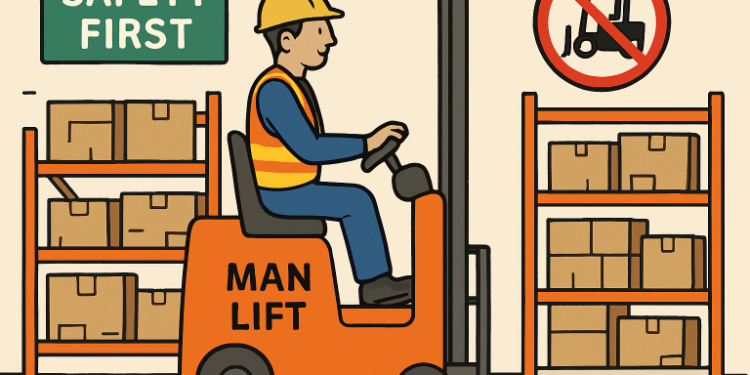
Warehouse environments are inherently busy and filled with potential hazards, making safety a critical concern. Prioritizing robust lift solutions is essential not only for maximizing productivity but also for reducing the risk of workplace accidents and injuries. Upgrading lifting equipment and adopting proven best practices can significantly enhance both efficiency and safety. For instance, adopting modern Man Lifts helps workers reach elevated areas safely, minimizing fall risks and improving workflow.
Investing in advanced lifting solutions also protects valuable assets, including both personnel and inventory. With the development of new technologies and improved ergonomic designs, warehouses now have access to a wide range of solutions tailored to the unique operational needs of modern facilities. Ensuring operators are adequately trained and that equipment is regularly maintained forms the backbone of an effective warehouse safety program.
State-of-the-art safety solutions today integrate real-time feedback, ergonomic enhancements, and regulatory compliance, providing a solid framework for safeguarding warehouse operations. Adherence to comprehensive training requirements, maintenance schedules, and the adoption of advanced technology are all steps toward minimizing incidents and fostering a culture of safety.
Moreover, a holistic approach to lift safety doesn’t just improve physical safety; it directly impacts operational efficiency, employee satisfaction, and overall business outcomes. Continuous evaluation and adoption of new technologies and best practices keep warehouses adaptable and safe.
Table of Contents
Comprehensive Operator Training
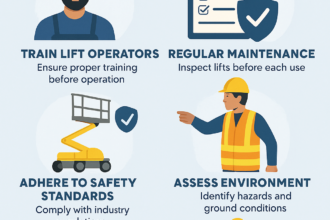
Proper training is the cornerstone of warehouse safety. OSHA reports that nearly 25% of industrial accidents involve forklifts, and many are linked to insufficient training. Comprehensive operator instruction, including equipment operation, load management, hazard recognition, and emergency protocols, dramatically reduces the likelihood of accidents. Ongoing refresher courses and scenario-based safety drills further solidify operator competency and foster a culture of accountability.
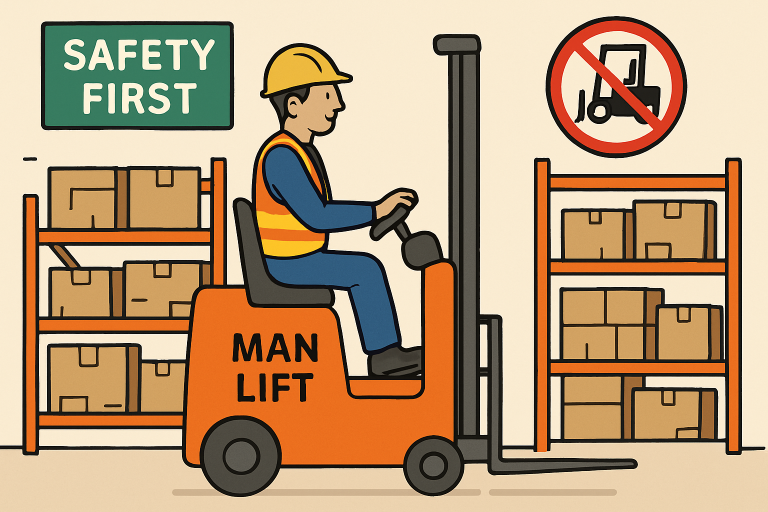
Well-trained operators not only prevent injuries but also contribute to efficient warehouse processes. A clear understanding of load capacities, machine limits, and safe operating procedures helps keep both personnel and products out of harm’s way, minimizing downtime caused by accidents or equipment misuse.
Regular Equipment Maintenance
Consistent equipment maintenance is vital to the long-term safety and reliability of warehouse lift solutions. Inadequately serviced machinery can develop faults that lead to sudden failures or hazardous incidents. Establishing a routine inspection schedule ensures that potential issues are identified early, reducing the chance of unexpected breakdowns or unsafe conditions. Daily pre-operation checks, along with weekly and monthly reviews, should encompass critical components such as brakes, hydraulics, and safety mechanisms.
Preventive maintenance also helps warehouses avoid costly emergency repairs, keeps operations running smoothly, and supports compliance with regulatory requirements. Partnering with certified maintenance providers or developing in-house expertise can further strengthen a facility’s safety posture.
Leveraging Advanced Technologies
The adoption of advanced technology is transforming warehouse lifting safety. Operator-assist systems now include real-time proximity alerts, speed inhibitors, and automatic stability controls that actively intervene to prevent accidents before they occur. Autonomous guided vehicles (AGVs) and robotic lift solutions reduce the need for manual labor, significantly improving both productivity and safety. Advanced data analytics tools offer valuable insights by tracking operator performance and equipment usage, enabling targeted safety interventions and predictive maintenance.
Implementing Ergonomic Equipment Design
Ergonomically designed lifting equipment plays an essential role in reducing workforce injuries and fatigue. Adjustable seating, vibration-dampening controls, and intuitive operator interfaces collectively enhance comfort and control. These features are essential for operators who spend extended hours using lift equipment, as they directly influence musculoskeletal health and long-term productivity.
Benefits of Ergonomics
- Reduces repetitive strain injuries
- Promotes alertness and accuracy
- Encourages safe, confident machine operation
Integrating ergonomic principles also improves recruitment and retention, as employees are more likely to remain with companies that prioritize their well-being.
Ensuring OSHA Compliance
Maintaining compliance with OSHA standards goes beyond legal obligation—it is a proactive approach that enhances warehouse safety. OSHA requires thorough operator training, regular inspections, timely hazard reporting, and strict adherence to established operational procedures. Facilities can refer to OSHA guidelines to identify common hazards and implement effective solutions. Continuous internal audits and procedure updates are essential to keep pace with changing regulations and industry best practices. Appointing dedicated safety coordinators or committees helps manage documentation, coordinate training, and communicate new requirements throughout the facility. Noncompliance can lead to significant fines, costly operational disruptions, and, most importantly, increased risk to employees. Prioritizing OSHA compliance fosters a safer and more efficient warehouse environment for everyone.
Conclusion
Safe lift solutions are fundamental to efficient and incident-free warehouse operations. By investing in comprehensive operator training, rigorous equipment maintenance, advanced technology integration, and thoughtful ergonomic design—while maintaining strict adherence to OSHA standards—organizations can meaningfully reduce risk and set a new standard in operational safety. Embracing ongoing improvement not only safeguards employees but also drives sustained business success and competitiveness in the dynamic warehousing sector.