
Rising Construction Trends Are Redefining the Future Of Homeownership For Everyday Buyers
Buying a home has always carried a mix of excitement and mild intimidation, although lately the needle tilts a bit more toward the intimidating side. Still, the landscape is shifting in ways that deserve attention, especially as construction methods evolve and developers rethink how new communities come together. The changes are not loud or flashy. They are steady and meaningful, and they point toward a housing future that feels more flexible for buyers who want stability without feeling boxed in.
Construction trends rarely grab headlines unless something goes wrong, yet the industry has been moving through a subtle revolution that affects almost anyone hoping to buy a home. Materials, neighborhood design, and financing expectations are all part of a larger pattern that shows how homeownership may become more approachable as builders adjust to demand. This is not a story about shortcuts or dramatic tech promises. It is about real shifts in how homes are planned and delivered, and the ways buyers stand to benefit from them.
How Modern Building Approaches Are Expanding Access
A growing number of developers are leaning into hybrid building methods that allow for faster completion times without compromising durability. These changes make it easier for buyers to understand what they are paying for, especially when they run early numbers through a home affordability calculator. Materials that waste less, layouts that use square footage more intelligently, and a laser focus on energy savings help lower long-term costs in ways that matter for families who are watching both their budgets and their utility bills.
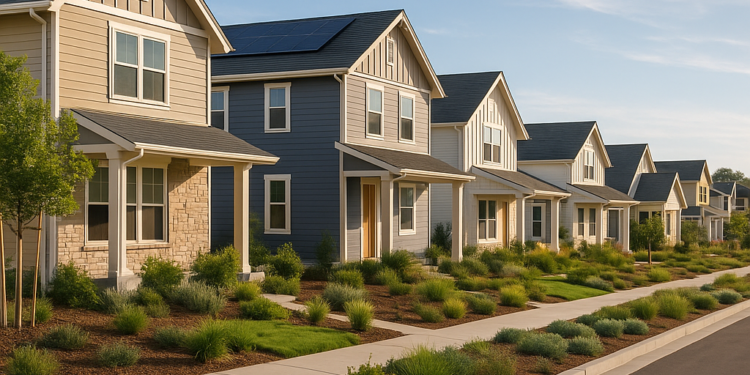
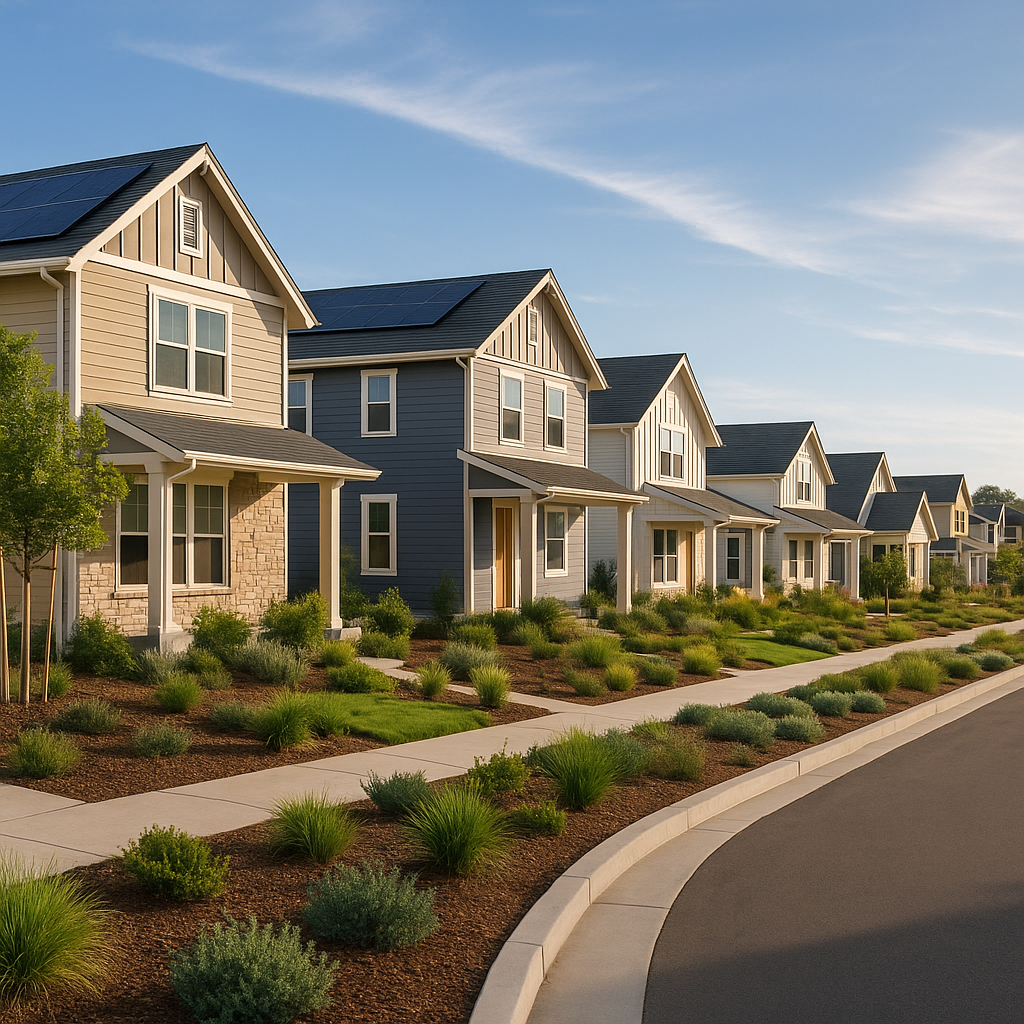
Builders are also rethinking what a new community should feel like in practical terms. Shared green spaces replace oversized but rarely used clubhouses. Walking paths create natural flow between streets. Small decisions like these help keep prices from climbing simply for the sake of adding features that look good on a brochure but rarely see real use. The industry is learning that buyers crave comfort and longevity more than novelty.
Why Energy Efficiency Is Becoming a Core Expectation
Efficiency is no longer framed as a bonus. It has become one of the anchors of modern home construction. Even basic starter homes now commonly feature tighter envelopes, smarter insulation, and windows that do more than keep the rain out. These improvements may not get much fanfare, yet they deliver real value through lower monthly costs. The payoff is steady, not dramatic. It shows up in bills that stay predictable during weather swings and in spaces that simply feel good to live in.
One of the surprising outcomes of this shift is that buyers are thinking more seasonally. They are asking how homes respond to heat waves, sudden cold snaps, or heavy storm cycles. Builders who commit to sustainable features tend to create homes that hold up better under these changes, which adds a sense of reliability buyers find comforting in an unpredictable climate.
The Quiet Rise Of Smaller Footprints With Smarter Design
Square footage has been treated like a badge of honor for decades, but new trends suggest the industry is stepping back from equating size with value. A well planned layout often feels more expansive than a home that simply stretches itself across a larger footprint. Designers are leaning into clean lines, wider openings between rooms, and choices that favor natural light. The effect is a home that feels open without sprawling for the sake of it.
Buyers are adapting quickly to this style. Many prefer a home that is easier to maintain and heat, especially as energy costs fluctuate. Smaller footprints also help builders keep price points within reach for a broader range of households. This is not downsizing in the traditional sense. It is right sizing, and it reflects a more intentional approach to how people actually live.
Community Expectations Are Reshaping Cost Planning
Neighborhood associations continue to influence how much homeowners budget beyond their mortgage. The conversation around maintenance standards has grown more transparent as communities prioritize predictable upkeep and shared responsibilities. Many buyers now appreciate clear communication about what they receive in return for their fees, including essentials like HOA maintenance services.
As these services become more standardized, homeowners know exactly what to expect. That clarity lifts some of the pressure off long term cost planning. It also helps neighborhoods maintain consistency, which supports property values without requiring every homeowner to handle everything alone. When done well, the structure creates a steady environment that feels organized rather than restrictive.
How Financing is Adapting to Construction Trends
Financial institutions are taking note of how new building methods and smarter design affect property stability. Loan products are gradually reflecting those changes. Homes built with high efficiency standards and durable materials often come with fewer long term risks. That can translate into competitive rates for qualified buyers who can present a clear picture of projected costs and savings.
As more buyers explore flexible financing paths, lenders are adjusting their expectations too. Predictable energy performance and lower likelihood of major early repairs help position new builds as dependable investments. The financial side of homeownership will never be effortless, but the alignment between construction quality and lending confidence is tightening in a way that benefits buyers willing to understand the details.
Steady Shifts Worth Watching
Construction trends do not tend to flip overnight. They evolve through steady decisions that builders make year after year. Even small shifts in how materials are sourced or how neighborhoods are mapped out can have a long term effect on affordability and livability. What is becoming clear is that the industry is moving toward homes that stand up to time with less drama and fewer surprises, which is something families genuinely want.
New communities grounded in thoughtful design are changing the feel of homeownership, giving buyers spaces that fit into regular life rather than work against it. These are changes you notice over morning coffee or at the end of a long week when your home feels like it supports you instead of demanding constant attention.
Progress in home construction may not make daily headlines, but it shapes the foundation of how people build their futures. Trends pointing toward stability, efficiency, and intentional design create a path for buyers who want homes that feel both attainable and lasting. The shift is steady and encouraging, and it suggests a housing landscape that is learning from the past without losing sight of what families need now.