
Proven Ways to Boost Roof Performance and Durability

Proper roof maintenance is essential for both extending the life of your roof and ensuring your home remains as energy efficient as possible. From preventing leaks to reducing your cooling bills, a well-maintained roof pays dividends in comfort and savings throughout the year. Engaging skilled professionals, such as Amish roofers, can help ensure your roof receives the high-quality care it needs to perform optimally for years to come. Taking the time to regularly inspect, repair, and upgrade your roof is one of the most valuable investments you can make in your home.
Prompt attention to small issues and routine maintenance can save homeowners from major headaches and expenses down the road. Not only does this approach protect your home from weather and water intrusion, but it also helps maintain comfortable indoor temperatures, reduce noise, and support energy efficiency. Taking a proactive stance on roof care directly impacts both the lifespan of your roofing materials and the environmental impact of your household. A little prevention now can mean decades of protection, aesthetic appeal, and peace of mind in the future.
Table of Contents
Regular Inspections
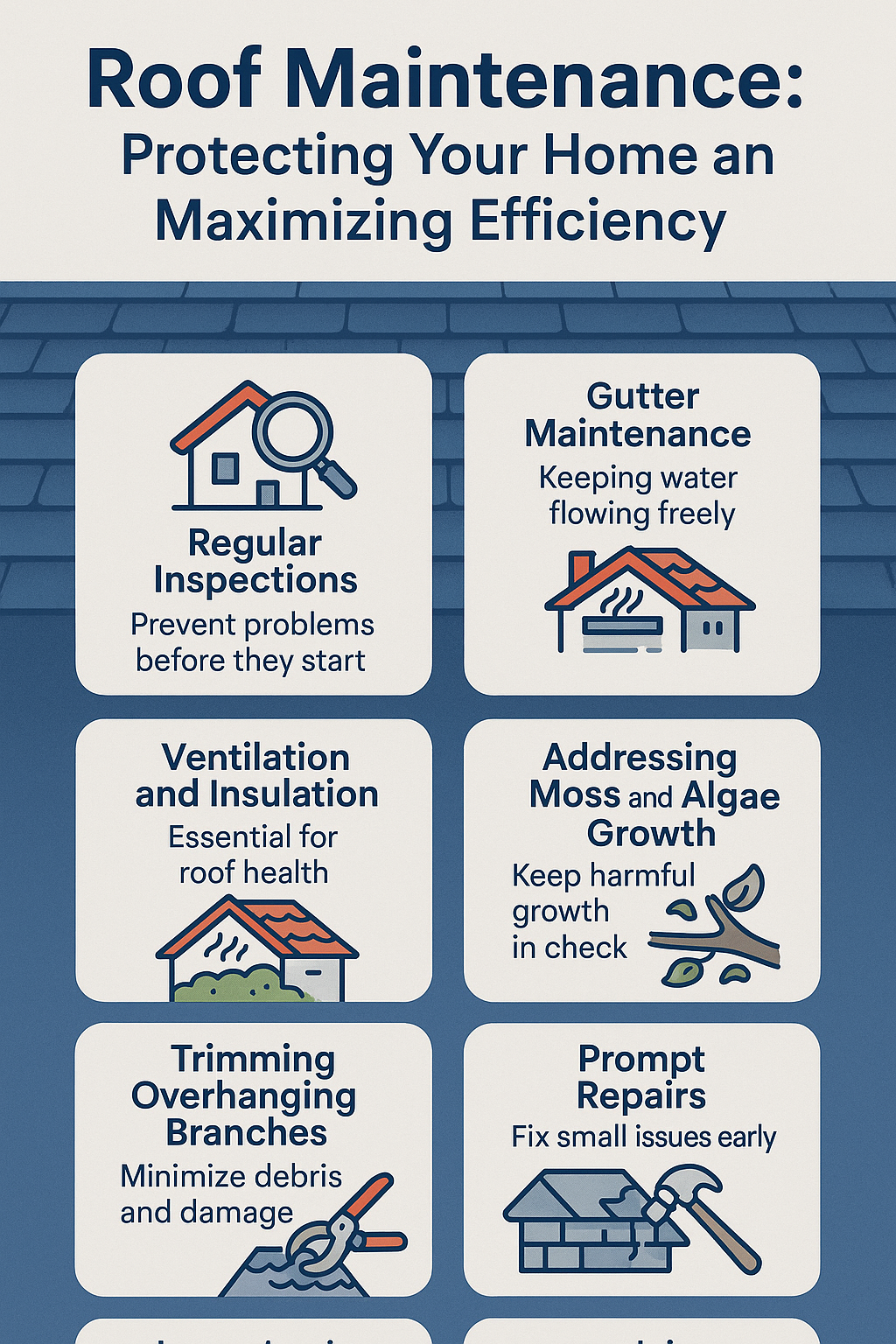
Frequent inspections are the foundation of effective roof maintenance. Roofing experts generally recommend having your roof professionally inspected at least once per year, preferably in the spring or fall. A thorough inspection should include checking for cracked, curled, or missing shingles, rusted flashing, signs of water damage, and any visible sagging. Catching small problems early can save you from costly and extensive repairs later.
Gutter Maintenance
Gutters play a vital role in protecting both your roof and the structure of your home. Clogged gutters can cause water to back up under roofing materials, leading to leaks, wood rot, and deterioration of insulation. Cleaning your gutters at least twice a year—after fall leaf drop and in spring—ensures that rainwater is properly directed away from your roof and foundation. After clearing leaves and debris, use a garden hose to flush your gutter system and check for leaks or loose fasteners.
Ventilation and Insulation
One of the most overlooked aspects of roof health is attic ventilation and insulation. Proper airflow and insulation prevent excessive heat buildup in summer and ice dams in winter, both of which can damage your roof’s structure. Attic insulation should meet the recommended R-value for your region, while ridge and soffit vents help promote year-round air circulation. These steps minimize condensation and heat transfer, thus reducing your energy bills. According to the U.S. Department of Energy, adequate attic ventilation is also crucial for maintaining indoor air quality and moisture control.
Addressing Moss and Algae
Moss and algae not only tarnish your roof’s appearance but also threaten the integrity of your roofing materials. Moss retains moisture, which can cause shingles to lift and degrade, while algae deteriorates the protective granules crucial for a shingle’s longevity. Remove moss and algae with a gentle cleaner—compose a mixture of water and household bleach in equal parts, apply it with a sprayer, and let it soak before gently scrubbing and rinsing. Avoid using pressure washers, as they can strip granules and void shingle warranties. Always protect your plants and surrounding landscaping from runoff chemicals.
Trimming Overhanging Branches
Branch management is more than just tidiness, as it’s crucial for roof longevity. Overhanging limbs can scrape against shingles and break during storms, causing impact damage. Furthermore, the shade from overgrown foliage encourages moss and increases debris on the roof and gutters. Trim branches back so they are at least two to three meters away from your roof. This will help sunlight reach your roof, minimizing potential issues caused by shade and contributing to debris control.
Prompt Repairs
Even minor roof damage should be addressed immediately to prevent further problems from escalating. A cracked shingle, broken tile, or leaking flashing quickly leads to substantial water damage, including wood rot, mold growth, and ruined insulation inside your home. Basic repairs include replacing missing tiles, resealing flashings around roof penetrations, and correcting sagging or damaged sections of the roof. Being proactive about roof repairs is the best defense against the need for major roof replacements and interior maintenance down the road.
- Replace any broken or missing tiles as soon as possible
- Reseal or repair flashing around vents, chimneys, and skylights
- Correct any sagging or dipping areas promptly
Investing in Quality Materials
The longevity of your roof is deeply influenced by the quality of materials used during installation and repairs. While opting for cheaper materials may offer short-term savings, they often deteriorate more quickly and require more frequent maintenance. Choosing high-quality products, such as architectural shingles, metal, or slate, ensures your roof can withstand the elements and requires less maintenance over time. Research from Consumer Reports highlights that higher-quality roofing materials can last decades longer and offer increased resistance to wind, impact, and UV damage.
Applying Reflective Coatings
In climates with strong sunlight, applying a reflective coating can significantly decrease roof surface temperatures. These coatings reflect solar radiation, reducing home cooling demands and lowering energy bills during summer months. Reflective coatings are particularly beneficial on flat or low-sloped roofs, but can also be considered for other types of roofs. They also help prevent thermal expansion and contraction, which can damage the roof structure and cause leaks. Embracing these roof maintenance strategies provides long-lasting protection, helps lower utility expenses, and preserves the comfort and value of your home. With regular care and quality materials, your roof will serve as a durable shield against the elements for many years.
Conclusion
A well-maintained roof is more than just a structural necessity—it’s a long-term investment in your home’s protection, comfort, and efficiency. By committing to regular inspections, ensuring proper ventilation, addressing minor issues promptly, and using quality materials, homeowners can significantly extend the lifespan of their roofs while reducing energy costs. Small, consistent efforts such as cleaning gutters, trimming branches, and applying reflective coatings can make a substantial difference in performance and durability. Ultimately, proactive care safeguards your home from costly repairs, enhances curb appeal, and ensures that your roof continues to provide reliable protection and efficiency for decades to come.