
Protecting Your Home’s Exterior: A Guide to Roofing and Pest Prevention
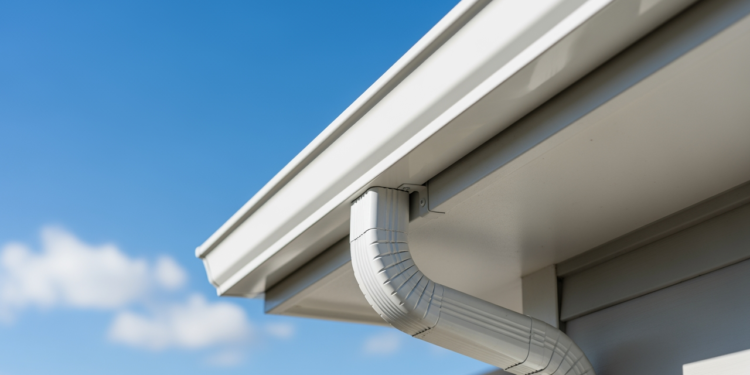
Table of Contents
The First Line of Defense: Your Roof and Gutters
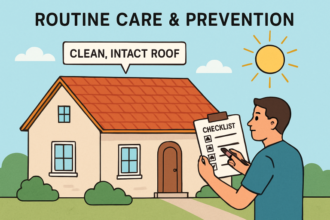
The roof is arguably the most critical component of your home’s exterior protection system. It stands as the primary shield against precipitation, intense sunlight, and damaging winds. A well-maintained roof is not just about aesthetics; it’s fundamental to preventing water intrusion, structural damage, and costly repairs.
When considering roofing materials, homeowners have several robust options designed for longevity and resilience. Impact-resistant shingles, for instance, are engineered to withstand hail and wind-borne debris, a significant threat in many regions. Metal roofing, another excellent choice, offers exceptional durability, fire resistance, and can last for decades with minimal maintenance. These materials, when properly installed, create a formidable barrier against the elements.
Beyond the roofing material itself, the design and maintenance of your roof are equally vital. Proper ventilation prevents heat and moisture buildup, which can lead to premature material degradation and ice dams in colder climates. Ice dams occur when melted snow refreezes at the eaves, causing water to back up under shingles and into your home, leading to significant water damage.
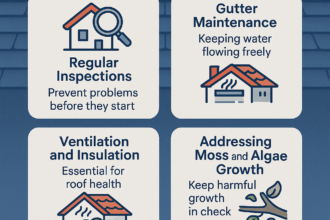
Equally important are your gutters and downspouts. These systems are designed to channel rainwater away from your home’s foundation, preventing soil erosion, basement flooding, and unsightly stains on your siding. Clogged gutters, however, can negate their protective function, allowing water to overflow and pool around the foundation, creating ideal conditions for moisture-related issues and even pest infestations. Regular cleaning and inspection of your gutters are non-negotiable for comprehensive exterior protection. It’s wise to consult a professional for Quality roof and gutter protection to ensure these critical systems are installed and maintained correctly, safeguarding your home from the top down.

Understanding Critical Roofing Components
A roof’s effectiveness goes beyond its visible surface. Beneath the shingles or panels lies a complex system of components, each playing a crucial role in preventing water intrusion.
Roofing Underlayment: This protective layer, typically installed directly onto the roof deck, acts as a secondary barrier against water penetration, especially during heavy rains or if primary roofing materials are damaged. Modern synthetic underlayments offer superior performance compared to traditional felt paper, providing better tear resistance and moisture protection.
Flashing: Flashing is thin material, usually metal, installed at vulnerable areas of the roof, such as valleys, around chimneys, skylights, and vent pipes. Its purpose is to create a watertight seal where the roof plane meets vertical surfaces or changes direction. Improperly installed or damaged flashing is a common culprit for roof leaks. The principle of “shingle fashion” installation is paramount here, ensuring that each layer overlaps the one below it, directing water downwards and outwards.
Drip Edges: Installed along the edges of the roof, drip edges guide water off the roof and into the gutters, preventing it from running down the fascia board and potentially damaging the roof deck or exterior walls.
Vents: Proper attic ventilation is essential for controlling temperature and moisture in the attic space. Ridge vents, soffit vents, and gable vents work together to create airflow, preventing heat buildup in summer and moisture condensation in winter, which can lead to mold, rot, and reduced insulation efficiency.
Watertight Seals and Penetrations: Every penetration through the roof – from plumbing vents to satellite dishes – creates a potential entry point for water. These must be carefully sealed and flashed. Using durable, weather-resistant sealants and ensuring proper integration with the underlayment and flashing system is key to maintaining a watertight envelope.
Understanding and maintaining these critical roofing components ensures that your roof provides robust, long-lasting protection against the elements.
The Unsung Hero: Why Gutter Health is Crucial
While often overlooked, the humble gutter system plays an indispensable role in your home’s exterior protection. Its primary function is to collect rainwater from the roof and channel it safely away from the house via downspouts. When this system is compromised, the consequences can be far-reaching and expensive.
Preventing Foundation Damage: The most significant threat posed by faulty gutters is to your home’s foundation. When gutters are clogged or improperly sloped, water overflows and pools directly around the foundation. This constant saturation can lead to hydrostatic pressure against the foundation walls, causing cracks, leaks in basements or crawl spaces, and even structural instability over time. The average cost of water damage to a home is $11,000, a statistic that underscores the importance of proper water management.
Soil Erosion: Excessive water runoff from the roof can erode the soil around your home. This not only undermines the stability of your foundation but can also wash away valuable landscaping and create unsightly trenches in your yard.
Basement Flooding: If water accumulates near the foundation, it can easily find its way into your basement or crawl space, leading to flooding, mold growth, and damage to stored belongings.
Siding Stains and Damage: Overflowing gutters can cause water to run down your home’s siding, leaving behind dirty streaks, encouraging mold and mildew growth, and accelerating the deterioration of paint or siding materials.
Preventing Pest Habitats: Clogged gutters can also become breeding grounds for pests. Standing water attracts mosquitoes, while debris-filled gutters can harbor insects, rodents, and even birds, which can then find their way into your attic or walls.
Regular Cleaning: The solution is simple yet critical: regular gutter maintenance. This typically involves cleaning them out at least twice a year, in late spring and late fall, to remove leaves, twigs, and other debris. Ensuring downspouts are clear and extended at least several feet away from the foundation is also essential. Investing in gutter guards can reduce the frequency of cleaning, but even with guards, periodic checks are still necessary to ensure they remain functional.
By prioritizing gutter health, you’re not just preventing a nuisance; you’re actively safeguarding your home’s structural integrity and preserving its value.
Comprehensive Home Exterior Protection Against the Elements
Beyond the roof, every surface and structural element of your home’s exterior contributes to its overall weather resistance. A comprehensive approach to home exterior protection involves creating a sealed building envelope that effectively repels moisture, withstands wind, resists UV degradation, and deters pests, all while maintaining aesthetic appeal.
This multi-layered defense system includes everything from the cladding on your walls to the finishes applied to them, and even the strategic design choices that improve natural protection. The goal is to prevent the ingress of water and air, which are the primary culprits behind most exterior damage, energy loss, and comfort issues.
Achieving this requires careful consideration of materials, proper installation techniques, and ongoing maintenance. It’s a delicate balance between selecting durable, high-performance products and ensuring they are integrated seamlessly into a protective barrier. We strive to help homeowners understand that investing in robust weatherproofing is not just about preventing damage; it’s about enhancing comfort, reducing energy costs, and securing the long-term value of their property.
Choosing the Right Armor: A Guide to Home Exterior Protection
The siding and finishes you choose for your home’s exterior are its primary visible defense, offering protection against everything from driving rain to harsh UV rays. Selecting the right materials involves weighing their durability, maintenance requirements, aesthetic appeal, and suitability for your local climate.

Siding Options:
- Fiber Cement Siding: Known for its exceptional durability, fire resistance, and resistance to pests and rot. It can mimic the look of wood, stucco, or masonry. While it’s a significant investment upfront, its longevity and low maintenance often make it cost-effective over time. It performs well in various climates, offering good impact resistance.
- Vinyl Siding: A popular, cost-effective option that requires minimal maintenance (just occasional cleaning). It’s resistant to rot and insects and comes in a wide array of colors and styles. However, it can be susceptible to cracking in extreme cold or warping in intense heat, and its impact resistance can vary.
- Wood Siding: Offers a classic, natural aesthetic but demands regular maintenance, including painting or staining every few years, to prevent rot, insect infestation, and weathering. Different wood types offer varying levels of natural resistance. While beautiful, it’s generally less resistant to fire and pests without treatment.
- Stucco: A durable, fire-resistant, and low-maintenance material that offers a seamless appearance. It’s excellent for moisture management if properly applied with a drainage plane. However, it can crack if the foundation shifts, and repairs can be complex.
- Brick and Stone Veneer: Highly durable, fire-resistant, and virtually maintenance-free. These materials offer superior protection against weather and pests. The primary drawback is the higher initial cost and installation complexity.
Protective Finishes:
Once you’ve chosen your siding material, the finish provides an additional layer of protection and defines the home’s aesthetic.
- Paint: For wood or fiber cement, high-quality exterior paint offers excellent UV protection, moisture resistance, and can significantly extend the life of the substrate. Modern acrylic latex paints are often preferred for their flexibility, breathability, and durability, outperforming oil-based options in many cases. Darker colors absorb more heat, so specialized “cool” paint technologies can help reflect UV rays and reduce surface temperatures, protecting the finish and potentially reducing energy costs.
- Stain: For wood siding or decks, stains penetrate the wood fibers, offering protection while allowing the natural grain to show through. Penetrating stains with pigments provide better UV protection and durability than clear finishes. They require reapplication more frequently than paint but are generally easier to reapply.
- Varnish: While beautiful, varnishes on exterior wood require frequent maintenance as they are susceptible to UV breakdown. They are best used in shaded areas or on elements that can be easily refinished.
Choosing the right combination of siding and finish involves balancing your desired look with the practical needs of your climate and your willingness to perform maintenance. Investing in quality materials and finishes can significantly extend the lifespan of your home’s exterior and reduce long-term repair costs.
Sealing the Envelope to Keep Weather and Pests Out
The integrity of your home’s exterior isn’t just about the visible surfaces; it’s also about the unseen layers that create a truly sealed and protected envelope. This system is crucial for preventing water intrusion, air leaks, and pest entry, all of which can lead to significant damage and discomfort.
At the heart of this system is the drainage plane. This is a continuous, protective layer designed to shed any water that penetrates the outer cladding back to the exterior. It’s not a single material but a combination of components working together, installed in a “shingle fashion” where each layer overlaps the one below it to direct water downwards and out.
Key components of the drainage plane include:
- Weather-Resistive Barrier (WRB) / House Wrap: This material, typically a synthetic fabric, is installed over the sheathing and behind the siding. It allows water vapor to escape from inside the wall cavity (preventing moisture buildup) while preventing liquid water from entering from the outside. Proper installation involves taping seams and integrating it with other elements.
- Flashing: This is critical around all openings and penetrations. Windows, doors, and skylights are particularly vulnerable points. Flashing, often made of metal or flexible tape, must be carefully applied to direct water away from these openings and onto the WRB. It’s essential that sill flanges (the bottom of window/door frames) are not caulked on the exterior, as this can trap water within the wall cavity, negating the drainage plane’s purpose. Instead, the sill should be designed to allow any trapped water to drain out.
- Caulking and Sealants: While the drainage plane handles bulk water, caulking and sealants are vital for sealing smaller gaps and cracks around windows, doors, utility penetrations, and where different materials meet. This prevents air leaks, which can lead to energy loss, and also blocks tiny entry points for insects. High-quality, flexible, and weather-resistant caulks are essential for long-lasting performance.
By carefully sealing the envelope, we create a robust barrier that not only keeps the elements out but also significantly reduces potential entry points for pests. This comprehensive approach is foundational to maintaining a healthy, energy-efficient, and pest-free home.
An Overlooked Threat: Pest-Proofing Your Exterior
While weather elements are often the primary focus of exterior protection, pests pose an equally insidious and damaging threat. Many common household pests don’t just appear magically indoors; they exploit vulnerabilities in your home’s exterior to gain entry, often causing significant damage in the process. Understanding these exterior vulnerabilities is the first step in creating a pest-resistant home.
Exterior Vulnerabilities:
- Cracks in Foundation: Even hairline cracks in the concrete or masonry foundation can serve as highways for insects like ants, cockroaches, and even small rodents. Over time, these cracks can widen, allowing more pests and moisture to enter.
- Gaps in Siding and Trim: Loose or damaged siding panels, gaps around window and door frames, and deteriorating trim boards create perfect entry points. Insects like carpenter ants can exploit soft wood, and rodents can chew through compromised areas to access wall voids.
- Unscreened Vents and Openings: Attic vents, crawl space vents, dryer vents, and even chimney caps, if unscreened or damaged, offer open invitations to birds, bats, rodents, and a variety of insects.
- Weep Holes: These small openings in brick or stone veneer are essential for drainage and ventilation within the wall cavity. However, if left unprotected, they can also be prime entry points for insects like ants, spiders, and even bees or wasps. Bees, for example, have been known to build massive hives within wall cavities, entering through unprotected weep holes.
Common Exterior Pests and Their Impact:
- Termites: These silent destroyers can cause extensive structural damage by feeding on wood. They often enter through foundation cracks or areas where wood meets soil.
- Carpenter Ants: Unlike termites, carpenter ants don’t eat wood but excavate tunnels within it to build nests. They prefer damp or decaying wood, making areas with moisture problems particularly attractive.
- Rodents: Mice and rats can chew through almost any material to gain entry, including wood, plastic, and even some metals. Once inside, they contaminate food, spread diseases, and can damage electrical wiring, posing a fire hazard.
- Wasps: While some wasps are beneficial, others can build nests under eaves, in wall voids, or near entry points, posing a stinging hazard to residents.
Ignoring these pest vulnerabilities means leaving your home open to infestations that can compromise its structural integrity, create health risks, and lead to costly repairs. A proactive approach to pest-proofing your exterior is an integral part of comprehensive home protection.
Actionable Steps for a Pest-Resistant Home
Creating a pest-resistant home exterior requires a combination of vigilance, maintenance, and strategic interventions. By addressing potential entry points and attractants, homeowners can significantly reduce the risk of infestations.
Sealing Entry Points: This is perhaps the most critical step. Pests, especially insects and rodents, can squeeze through incredibly small openings.
- Caulk and Seal: Use high-quality exterior caulk to seal cracks and gaps around window frames, door frames, utility penetrations (pipes, wires), and where different building materials meet.
- Mortar Repair: For masonry foundations or brick veneer, repair any crumbling mortar or cracks with fresh mortar.
- Steel Wool: For larger gaps or holes, particularly around pipes or in areas susceptible to rodent chewing, stuff them with steel wool before sealing with caulk or foam. Rodents dislike chewing through steel wool.
- Screens: Ensure all vents (attic, crawl space, dryer) and chimney caps are fitted with durable, fine-mesh screens. Also, consider adding screens behind weep holes in brick veneer to allow drainage while blocking pests.
Managing Moisture: Many pests, including carpenter ants, termites, cockroaches, and mosquitoes, are attracted to moisture. Eliminating excess moisture around your home is a powerful deterrent.
- Fix Leaks: Promptly repair leaky outdoor faucets, irrigation systems, and air conditioning units.
- Ensure Proper Drainage: Make sure your gutters are clean and effectively diverting water away from the foundation. Ensure your landscape grading slopes away from the house to prevent water pooling.
- Address Humidity: If you have damp crawl spaces or basements, consider using dehumidifiers or improving ventilation.
Landscaping Management: Your landscaping choices can either invite or deter pests.
- Trim Vegetation: Keep trees, shrubs, and other plants trimmed away from your home’s exterior walls and roof. Overhanging branches can provide bridges for rodents and insects to access your roof or attic.
- Mulch Placement: While mulch is beneficial, avoid piling it directly against the foundation, as it can retain moisture and provide harborage for pests. Maintain a small, clear barrier between mulch and your home.
- Firewood Storage: Store firewood away from the house and off the ground to prevent it from becoming a nesting site for termites, ants, and rodents.
For comprehensive coverage and peace of mind, especially in areas with persistent pest challenges, consider professional Albuquerque preventative home exterior protection services to identify and seal potential vulnerabilities and implement ongoing pest management strategies. Professionals can offer specialized treatments and insights into local pest pressures, such as those from Wasps or other common insects. They can also advise on long-term solutions that integrate seamlessly with your home’s exterior protection plan.
The Power of Proactive Maintenance
Just as you wouldn’t neglect routine maintenance on your car, your home’s exterior requires consistent attention to perform its best. Proactive maintenance is not merely a chore; it’s a strategic investment that yields significant long-term benefits, far outweighing the effort and cost involved.
Preventing Minor Issues from Becoming Major Problems: Regular inspections allow you to catch small issues – a loose shingle, a clogged gutter, a peeling patch of paint, a developing crack – before they escalate. A minor leak, if left unaddressed, can lead to extensive water damage, mold growth, and compromised structural integrity. Regular maintenance can prevent up to 80% of common home repair issues, saving homeowners substantial stress and expense.
Cost Savings: The adage “an ounce of prevention is worth a pound of cure” holds particularly true for home exterior maintenance. Addressing issues early is almost always less expensive than repairing extensive damage. For instance, the lifespan of siding can be extended by up to 50% with proper cleaning and maintenance, delaying costly replacement projects. Similarly, investing in weather-resistant materials and maintaining them can reduce energy costs by up to 20% by ensuring your home’s thermal envelope remains intact.
Extending Material Lifespan: Quality roofing, siding, and paint are designed for durability, but their longevity is directly tied to how well they are maintained. Regular cleaning, timely repairs, and appropriate protective treatments can significantly extend the functional and aesthetic life of these materials, maximizing your return on investment.
Curb Appeal and Property Value: A well-maintained exterior instantly boosts your home’s curb appeal, making it more inviting and attractive. This aesthetic benefit translates directly into increased property value, with homes featuring well-maintained exteriors seeing an increase of up to 10-15%. Whether you plan to sell in the future or simply wish to enjoy your home more, a pristine exterior makes a lasting impression.
Structural Integrity: Proactive maintenance safeguards the very structure of your home. By preventing water intrusion, deterring pests, and protecting against environmental degradation, you ensure that the underlying framework remains sound and secure for generations.
A Seasonal Checklist for Home Exterior Protection
A consistent, seasonal approach to exterior maintenance ensures that your home remains resilient against the elements year-round. Here’s a general checklist to guide your efforts:
- Spring:Inspect Roof, Siding, and Foundation: After winter’s harsh conditions, check for damaged or missing shingles, loose siding, cracks in the foundation, or peeling paint. Pay close attention to flashing around chimneys and vents.
- Clean Gutters and Downspouts: Remove any accumulated debris from winter to ensure proper water flow. Flush with water to check for leaks.
- Inspect Windows and Doors: Check weatherstripping and caulking for any signs of deterioration. Repair or replace as needed to prevent air and moisture leaks.
- Examine Decks and Patios: Look for loose boards, splinters, or signs of rot. Clean and re-seal if necessary.
- Summer:Wash Siding: Clean your home’s siding to remove dirt, grime, mold, and mildew. Use a soft brush and mild detergent, or a pressure washer on a low setting for stubborn areas.
- Check for Peeling Paint: Address any areas of peeling or blistering paint, especially on wood trim. Scrape, sand, prime, and repaint to protect the underlying material.
- Inspect for Pest Activity: Look for signs of insect nests (wasps, ants) or rodent entry points around the foundation, eaves, and vents. Address any issues promptly.
- Trim Landscaping: Keep trees and shrubs trimmed away from the house to prevent moisture retention against the siding and to deter pests.
- Fall:Clean Gutters and Downspouts (Again!): This is crucial before winter. Remove all fallen leaves and debris to prevent clogs and potential ice dams.
- Trim Trees and Shrubs: Cut back any branches that are close to the roof or power lines to prevent damage during winter storms.
- Check Window and Door Seals: Ensure all seals are tight and intact to prevent drafts and heat loss during colder months.
- Winterize Outdoor Faucets: Disconnect hoses and drain exterior faucets to prevent pipes from freezing and bursting.
- Winter:Monitor for Ice Dams: After heavy snowfalls, watch for ice buildup at the roof’s edge. If present, address underlying ventilation issues.
- Ensure Proper Drainage: Verify that downspouts are clear and directing water away from the foundation, even during winter thaws.
- Clear Snow from Roof (if necessary): In areas with heavy snowfall, consider carefully removing excess snow from the roof to prevent structural strain.
- Inspect for Winter Damage: Keep an eye out for any new cracks, leaks, or damage caused by freezing temperatures or heavy snow.
By following this seasonal checklist, you can proactively protect your home’s exterior, ensuring its durability, beauty, and value for years to come.
Using Landscaping as a Protective Barrier
Beyond aesthetic appeal, smart landscaping can serve as a powerful natural barrier, enhancing your home’s exterior protection against weather and pests. By strategically designing and maintaining your yard, you can mitigate water damage, reduce pest harborage, and even contribute to energy efficiency.

Strategic Planting:
- Distance from Foundation: Ensure that trees, shrubs, and other plants are not planted too close to your home’s foundation or siding. Vegetation that touches the house can trap moisture against the exterior, promoting mold, mildew, and rot, especially on wood siding. It also provides an easy bridge for pests like ants, rodents, and termites to access your home. A general rule of thumb is to keep plants at least 1-2 feet away from the foundation.
- Tree Trimming: Regularly trim tree branches that overhang your roof or are close to your house. Overhanging branches can drop leaves and debris into gutters, leading to clogs. They can also scrape against the roof or siding in windy conditions, causing damage. Furthermore, they provide convenient access points for rodents, squirrels, and other pests to reach your attic.
- Shade Trees: Strategically placed deciduous trees can provide natural shading for your home during the hot summer months, reducing heat gain and potentially lowering cooling costs. In winter, once the leaves fall, they allow sunlight to warm the house.
Grading and Drainage:
- Slope Away from Foundation: Ensure that the soil around your home’s foundation is properly graded to slope away from the house. This directs rainwater and snowmelt away from the foundation, preventing pooling, hydrostatic pressure, and basement leaks.
- Permeable Pavers: Consider using permeable pavers for driveways, walkways, or patios. These materials allow rainwater to infiltrate the ground rather than creating runoff, reducing the burden on your drainage system and replenishing groundwater. This helps prevent water accumulation near the foundation and reduces soil erosion.
Mulch Placement:
- Avoid Foundation Contact: While mulch helps retain soil moisture and suppresses weeds, it should not be piled directly against your home’s foundation. Mulch can retain moisture, creating a damp environment conducive to wood rot and attracting pests like termites and carpenter ants. Maintain a small, clear buffer zone between mulch beds and your home’s exterior.
By thoughtfully integrating these landscaping practices, you create an additional layer of defense for your home, working in harmony with its structural components to provide comprehensive exterior protection.
Frequently Asked Questions about Home Exterior Protection
How often should I inspect my home’s exterior?
A thorough self-inspection should be done at least twice a year, typically in the spring and fall. This allows you to assess any damage from the previous season and prepare for the next. Look for signs of damage like cracked siding, peeling paint, damaged roof shingles, and clogged gutters. Additionally, perform quick visual checks after severe weather events. For a more in-depth assessment, a professional inspection is recommended every 3-5 years, as they can identify subtle issues that might be missed by an untrained eye.
What is the single biggest benefit of investing in exterior protection?
The biggest benefit is preventing costly water damage. Water is the primary enemy of a home’s structure, leading to rot, mold, compromised foundations, and significant repair bills. The average cost of water damage to a home is $11,000, making prevention a financially sound strategy. Proactive measures like maintaining your roof, ensuring gutters are clear, and sealing your siding are the most effective ways to prevent water from entering your home and causing structural rot and mold, thus safeguarding your investment.
Can I have a beautiful home that is also well-protected?
Absolutely. Modern building materials and design philosophies emphasize both aesthetics and performance. You no longer have to compromise on style to achieve robust protection. From architectural shingles that mimic natural slate or wood shakes while offering superior weather resistance, to designer siding colors with improved UV protection, and stylish storm doors that blend seamlessly with your entry, you can balance aesthetic goals with the need for robust weatherproofing. Many manufacturers now offer products that are not only durable and weather-resistant but also come in a vast range of styles, textures, and colors, allowing you to create a beautiful, well-protected home that reflects your personal taste.
Conclusion
Protecting your home’s exterior is an ongoing, multi-faceted endeavor that demands a holistic approach. We’ve explored how each layer, from the critical integrity of your roofing and gutter systems to the strategic choice of siding and finishes, plays a vital role in creating a resilient shield against environmental threats. We’ve also highlighted the often-overlooked but equally important aspect of proactive pest prevention, ensuring that tiny invaders don’t compromise the structural integrity or health of your living space.
The benefits of this comprehensive strategy are clear: preventing costly repairs, extending the lifespan of your materials, enhancing curb appeal, and ultimately, securing the long-term value of your most significant investment. Regular inspections, seasonal maintenance, and smart landscaping choices are not just tasks; they are acts of stewardship that contribute to your home’s enduring strength and beauty.
By embracing these practices, you’re not just maintaining a structure; you’re ensuring the long-term safety, comfort, and peace of mind for everyone who calls it home.