
Proactive Climate Control for Long-Term Home Efficiency
Table of Contents
- 1 Understanding Regional Heating Systems and Common Challenges
- 2 The Essential Role of HVAC Maintenance in Extreme Climates
- 3 Identifying Signs Your System Requires Professional Attention
- 4 Enhancing Indoor Air Quality and System Longevity
- 5 Selecting a Reliable Service Provider in Klamath Falls
- 6 Frequently Asked Questions about Heating Systems
- 7 Conclusion
Understanding Regional Heating Systems and Common Challenges
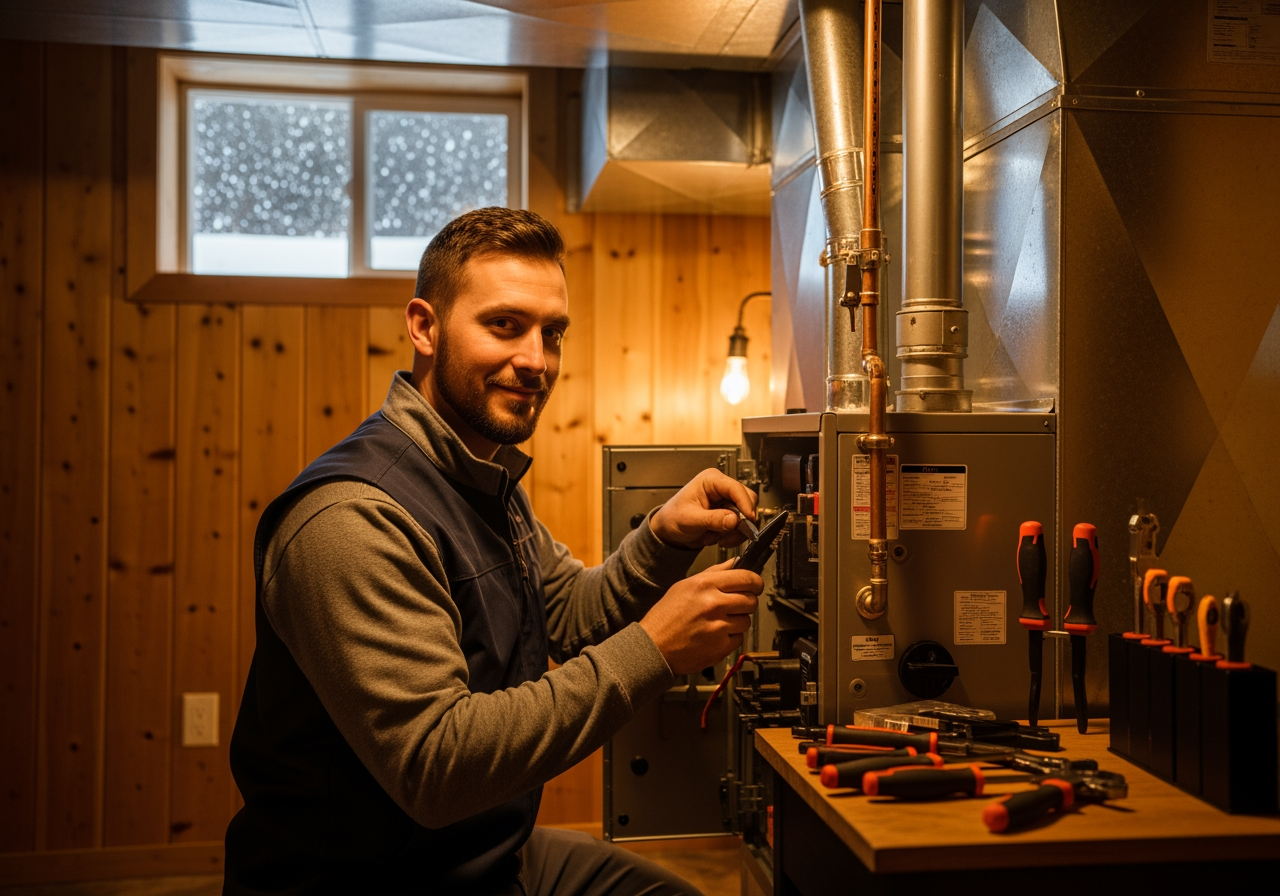
As winter settles in, homeowners in Klamath Falls, OR, understand the crucial role of a reliable heating system. The crisp, cold air and often heavy snowfalls demand that our furnaces, heat pumps, and boilers work flawlessly. When temperatures drop, a malfunctioning heating unit is more than just an inconvenience; it can pose a serious comfort and safety concern. Understanding the common issues and the need for timely heating repair in Klamath Falls, OR, is crucial for maintaining a warm and safe home throughout the colder months.
To learn more about optimizing your home’s heating, explore our comprehensive guide on Home Heating Systems or get started with a service request today.
We understand that proactive climate control is key to long-term home efficiency and comfort. This extensive guide will walk you through everything you need to know about keeping your heating system in top shape. We’ll cover common heating system issues faced by Klamath Falls residents, how to spot signs of trouble, and the different types of heating systems popular in our area. We will also discuss typical repair costs, emergency service availability, and essential maintenance tips to prevent frequent breakdowns. Finding an Honest Klamath Falls heating repair service is vital for peace of mind, ensuring your home stays warm and efficient. We will also explore the importance of indoor air quality and what to look for when choosing a reliable service provider.
To ensure your home remains warm and efficient this winter, schedule your heating service today.
Klamath Falls’ unique climate, characterized by cold, dry winters, influences the types of heating systems homeowners typically choose and the challenges they face. The most popular heating systems in our area include:
- Furnaces: These are often gas-powered (natural gas or propane) and remain a staple for many homes due to their powerful, consistent heat output, which is essential for combating the region’s extreme cold. They work by heating air and distributing it through ductwork.
- Heat Pumps: Increasingly popular for their energy efficiency, heat pumps can both heat and cool a home. In winter, they extract heat from the outside air (even cold air) and transfer it indoors. While efficient, their performance can decrease in very low temperatures, sometimes requiring a supplemental heat source.
- Boilers: Less common in newer constructions but still present in older homes, boilers generate heat by warming water, which then circulates through radiators or radiant floor systems. They provide a very even, comfortable heat.
- Geothermal Systems: These highly efficient systems use the stable temperature of the earth to provide heating and cooling. While requiring a significant upfront investment, they offer substantial long-term savings and are well-suited for the Klamath Falls region’s temperature extremes.
- Radiant Floor Heating: Often paired with boilers or heat pumps, radiant floor heating systems circulate warm water through tubing installed under the floor, providing gentle, even warmth from the ground up. This system is particularly effective in cold climates for maximizing comfort.
Despite their robust design, these systems are not immune to issues, especially when working hard during prolonged cold spells. Common heating system issues faced by homeowners in Klamath Falls, OR, include:
- Frozen Condensate Lines: High-efficiency furnaces and heat pumps produce condensation. In freezing temperatures, the drain line can freeze, causing the system to shut down as a safety measure.
- Pilot Light Malfunctions: For older gas furnaces, a pilot light that frequently goes out can indicate a draft, a dirty thermocouple, or a gas supply issue.
- Thermostat Failures: A faulty thermostat can lead to inaccurate temperature readings, erratic cycling, or a complete failure to turn the system on. This can be a simple fix or indicate a more complex electrical problem.
- Ignition Issues: Modern furnaces use electronic igniters. If the igniter is dirty, cracked, or failing, the furnace won’t be able to start the heating cycle.
- Restricted Airflow: Clogged air filters, blocked vents, or issues within the ductwork can severely restrict airflow, forcing the system to work harder, reducing efficiency, and potentially leading to overheating or premature component failure.
- Mechanical Wear and Tear: Constant operation in extreme cold puts stress on motors, bearings, and other moving parts, leading to wear and eventual breakdown.
Common Causes of System Breakdowns
Heating breakdowns in the extreme winter conditions of Klamath Falls, OR, are often a culmination of several factors, exacerbated by the demanding environment. Understanding these causes can help homeowners take preventative measures.
- Mechanical Wear: The continuous cycling of heating systems during extended cold periods leads to significant wear and tear on components like blower motors, fan belts, and bearings. Without regular lubrication and inspection, these parts can seize or fail, causing the entire system to shut down.
- Dust and Debris Accumulation: Klamath Falls can experience dry conditions, contributing to indoor dust. Over time, dust, pet dander, and other airborne particles can accumulate on critical components such as the heat exchanger, burners, and blower fan. This buildup acts as an insulator, reducing efficiency and potentially leading to overheating or even fire hazards.
- Restricted Airflow: This is a primary culprit for many issues. A dirty air filter is the most common cause, but blocked return air vents, leaky ductwork, or obstructions in supply registers can also severely impede airflow. When airflow is restricted, the furnace or heat pump struggles to distribute heat, leading to reduced efficiency, increased energy bills, and stress on the blower motor and heat exchanger.
- Ignition Issues: For gas furnaces, problems with the igniter or pilot light are frequent. A dirty igniter may not spark correctly, while a faulty thermocouple (for pilot light systems) might not sense the flame, causing the gas valve to close for safety. These issues prevent the furnace from starting its heating cycle.
- Sensor Soot and Malfunctions: Safety sensors, such as the flame sensor or limit switch, can become coated with soot or simply fail over time. A dirty flame sensor might incorrectly detect the absence of a flame, shutting off the gas supply. A malfunctioning limit switch can prevent the furnace from operating if it incorrectly senses an overheating condition.
- Electrical Failures: Heating systems rely on a complex network of electrical components, including capacitors, relays, wiring, and control boards. Power surges, loose connections, or the natural degradation of these components can lead to intermittent operation or complete system failure. In a region where systems work tirelessly, electrical components are under constant strain.
These issues highlight the importance of regular inspections and timely repairs, especially given the critical role heating plays in our Klamath Falls homes.
The Essential Role of HVAC Maintenance in Extreme Climates
In a climate like Klamath Falls, where heating systems are pushed to their limits for several months each year, regular HVAC maintenance is not just a recommendation—it’s a necessity. Proactive care ensures system efficiency, promotes energy conservation, and significantly extends the lifespan of your equipment.
Think of it this way:
- Proactive Maintenance: A professional technician performs routine inspections, cleans components, lubricates moving parts, and identifies potential issues before they escalate into major breakdowns. This approach keeps your system running smoothly, efficiently, and safely.
- Reactive Repair: You wait until your system fails completely, often during the coldest part of winter, requiring emergency service and potentially more extensive, costly repairs.
Here’s a comparison of the benefits:
[TABLE] Comparing Proactive Maintenance vs. Reactive Repair Benefits
Feature Proactive Maintenance Reactive Repair Cost Predictable, lower annual cost Unpredictable, often higher emergency costs Comfort Consistent heating, fewer unexpected outages Intermittent heating, sudden loss of comfort System Lifespan Extended equipment life Shortened equipment life due to stress Efficiency Optimized performance, lower energy bills Reduced efficiency, higher energy bills Safety Regular safety checks (e.g., carbon monoxide) Increased risk of undetected safety hazards Convenience Scheduled appointments, minimal disruption Emergency calls, inconvenient breakdowns Warranty Often required to maintain warranty validity May void warranty if maintenance records are lacking Peace of Mind Confidence in reliable heating throughout winter Constant worry about system failure Regular maintenance includes critical safety inspections, such as checking for carbon monoxide leaks in furnaces, which is especially important as systems age. Component lubrication reduces friction and wear, while thorough cleaning prevents efficiency losses and potential hazards.
Seasonal HVAC Maintenance for Winter Readiness
Preparing your heating system for the Klamath Falls winter is a critical step in ensuring comfort and efficiency. Our seasonal maintenance checklist focuses on key areas to prevent common winter breakdowns:
- Filter Replacement: This is perhaps the simplest yet most impactful maintenance task. A clean air filter ensures optimal airflow, protects internal components from dust, and improves indoor air quality. We recommend checking filters monthly and replacing them every 1-3 months, depending on usage and household conditions.
- Ductwork Inspection: Over time, ducts can accumulate dust, debris, and even allergens. A professional inspection ensures ductwork is clean, sealed, and free of leaks, preventing heat loss and improving overall system efficiency.
- Heat Exchanger Cleaning and Inspection: The heat exchanger is a crucial component in furnaces, separating combustion gases from the breathable air. Cracks or corrosion can lead to dangerous carbon monoxide leaks. Regular cleaning removes soot and debris, while a thorough inspection identifies any potential safety hazards.
- Burner Adjustment: For gas furnaces, proper burner adjustment ensures efficient combustion and maximum heat output. Technicians will clean the burners and adjust them for optimal performance.
- Vent Clearing: Ensure all outdoor vents (for high-efficiency furnaces) and indoor registers are clear of obstructions like snow, ice, furniture, or drapes. Blocked vents can restrict airflow and cause system malfunctions.
For comprehensive seasonal readiness and to find an Honest Klamath Falls heating repair service that prioritizes your home’s safety and efficiency, scheduling a professional tune-up before winter hits is highly recommended. These proactive steps can save you from unexpected breakdowns and costly emergency repairs when you need your heat the most.
Long-Term Benefits of Consistent HVAC Maintenance
The investment in consistent HVAC maintenance yields significant long-term benefits for homeowners in Klamath Falls, extending far beyond simply avoiding breakdowns.
- Extended Equipment Lifespan: Just like a car, a well-maintained heating system lasts longer. Regular tune-ups reduce wear and tear on components, preventing premature failure and delaying the need for costly system replacement. This means you get more years out of your furnace or heat pump.
- Reduced Utility Bills: A clean, well-tuned system operates at peak efficiency. This means it consumes less energy to produce the same amount of heat, directly translating to lower monthly heating bills, a welcome relief during the long Klamath Falls winters.
- Consistent Heat Distribution: Maintenance ensures all components are working in harmony, leading to more even and consistent heating throughout your home. No more cold spots or uneven temperatures.
- Warranty Compliance: Many HVAC manufacturers require proof of annual professional maintenance to keep your system’s warranty valid. Skipping tune-ups could mean you’re on the hook for repair costs that would otherwise be covered.
- Peace of Mind: Knowing your heating system has been thoroughly inspected and serviced by professionals provides invaluable peace of mind. You can face the coldest days with confidence, knowing your home will remain warm and safe.
Identifying Signs Your System Requires Professional Attention
Your heating system often provides subtle clues before a major breakdown occurs. Learning to identify these signs early can prevent minor issues from escalating into expensive, inconvenient emergencies.
Here’s what homeowners in Klamath Falls should look for:
- Unusual Noises: While some operational sounds are normal, grinding, squealing, banging, clanking, or persistent rattling sounds are red flags. These often indicate worn-out bearings, loose components, or issues with the blower motor.
- Persistent Odors: A burning smell could indicate dust burning off the heat exchanger (especially at the start of the heating season), but it could also signal an electrical problem or a clogged filter. A strong, rotten egg smell points to a gas leak, which requires immediate attention and evacuation.
- Short-Cycling: If your furnace or heat pump turns on for a short period, heats up quickly, and then shuts off before completing a full heating cycle, it’s called short-cycling. This can be caused by an oversized system, a clogged filter, a faulty thermostat, or an overheating issue, and it puts undue stress on the system.
- Uneven Heating: Cold spots in certain rooms or a noticeable temperature difference between areas of your home can indicate issues with ductwork, a malfunctioning zone damper, or a system that isn’t distributing heat effectively.
- Sudden Increase in Energy Bills: If your heating bills are significantly higher than usual without a corresponding increase in usage or a drop in outdoor temperatures, your system is likely losing efficiency. This could be due to a dirty filter, a failing component, or a need for a tune-up.
- Digital Thermostat Showing an Error Code: Modern thermostats and heating systems often display error codes when a problem is detected. Consult your system’s manual to understand what the code means, but generally, it’s a clear signal to call for professional help.
If you observe any of these signs, it’s wise to contact a professional HVAC technician promptly. Addressing these issues early can prevent further damage and ensure your system is ready for the next cold snap.
Professional Repair Standards and Timelines
When your heating system falters, especially during the harsh Klamath Falls winter, understanding the professional repair process and what to expect can ease concerns. Reputable HVAC companies adhere to specific standards to ensure effective and lasting solutions.
The typical process begins with a diagnostic assessment. A skilled technician will thoroughly inspect your system, utilizing specialized tools to pinpoint the exact cause of the malfunction. This diagnostic phase is crucial for accurate repairs and typically takes anywhere from 30 minutes to a couple of hours, depending on the complexity of the issue.
The repair duration itself varies significantly based on the problem. Simple fixes, such as replacing a clogged filter, resetting a tripped breaker, or adjusting a thermostat, might take less than an hour. More complex repairs, like replacing a blower motor, repairing a heat exchanger, or addressing significant electrical issues, could take several hours. If a specific part needs to be ordered, the repair might extend over a few days, depending on part availability. Most professional services aim for standard repair windows of 1-4 hours for common issues, with more intricate problems requiring additional time.
Understanding the urgency of heating issues in our climate, many local HVAC providers offer emergency service availability, with some providing 24/7 response. This ensures that even if your system breaks down in the middle of the night or on a weekend, help is available. Emergency services prioritize critical breakdowns to restore heat as quickly as possible.
Reputable companies stand by their work with workmanship guarantees, offering peace of mind that the repair will be done correctly. These guarantees typically cover the labor and parts for a specified period.
The goal is to provide technical proficiency—ensuring technicians are highly trained, certified, and experienced in handling a wide range of heating systems and issues. This expertise is critical for diagnosing problems accurately and performing repairs safely and effectively, minimizing the risk of recurring issues.
Enhancing Indoor Air Quality and System Longevity
Beyond just providing warmth, your heating system plays a significant role in your home’s indoor air quality (IAQ), a particularly crucial factor in Klamath Falls. Our region can experience seasonal challenges like forest fire smoke during warmer months, which can linger in the air and infiltrate homes, and dry winter air, which can exacerbate respiratory issues and dry skin.
Addressing these IAQ concerns is vital for health and comfort. Here’s how your heating system and related solutions contribute:
- Humidity Control: The dry winter air in Klamath Falls can lead to static electricity, dry skin, and aggravated respiratory conditions. Integrating a whole-home humidifier with your heating system can maintain optimal indoor humidity levels, improving comfort and health.
- Air Purification: High-efficiency air filters (MERV 8-13) can capture a significant amount of airborne particles, including dust, pollen, and pet dander. For more advanced protection against fine particles like smoke, viruses, and bacteria, consider installing a dedicated air purification system or upgrading to HEPA filtration within your HVAC system. These systems work in conjunction with your heating and cooling to continuously clean the air circulating through your home.
- Duct Cleaning: Over time, dust, allergens, and even mold spores can accumulate within your ductwork. When your heating system operates, these contaminants can be circulated throughout your home. Professional duct cleaning removes this buildup, improving IAQ and system efficiency.
- Allergen Reduction: By filtering and purifying the air, your heating system can significantly reduce the presence of allergens, providing relief for those with seasonal allergies or asthma.
Investing in these IAQ enhancements not only benefits your health but also contributes to system longevity. Cleaner air means less dust and debris accumulating on internal components like the blower motor and evaporator coil, reducing wear and tear and allowing your system to operate more efficiently.
The Connection Between Airflow and Component Health
The proper flow of air through your heating system is foundational to both its performance and longevity. Any restriction or imbalance in airflow can lead to a cascade of negative effects on various components, ultimately shortening the system’s life and increasing the need for repairs.
- Blower Motor Strain: The blower motor is responsible for moving heated air through your home’s ductwork. When airflow is restricted (e.g., by a dirty filter, blocked return vent, or leaky ducts), the motor has to work harder to overcome the increased resistance. This constant strain leads to premature wear and tear, overheating, and eventual failure of the motor, which is an expensive component to replace.
- Evaporator Coil Cleanliness: In heat pump systems, the evaporator coil plays a crucial role in transferring heat. Poor airflow can cause moisture to build up on the coil, leading to mold and mildew growth. This not only degrades indoor air quality but also insulates the coil, reducing its heat transfer efficiency and forcing the system to run longer to achieve desired temperatures.
- Static Pressure: This refers to the resistance to airflow within the ductwork. High static pressure, often caused by undersized ducts, excessive bends, or clogged components, indicates that the system is struggling to move air. This high pressure forces the blower motor to work harder, increasing energy consumption and accelerating wear on the motor and other moving parts.
- Ventilation Balance: A well-designed HVAC system ensures balanced ventilation, meaning the amount of air entering and leaving a space is appropriate. Imbalances can lead to pressure differences, which can draw in unfiltered outdoor air (especially problematic during times of forest fire smoke) or cause conditioned air to escape, reducing efficiency and impacting indoor air quality.
Maintaining optimal airflow through regular filter changes, duct cleaning, and professional inspections is therefore paramount. It protects the vital components of your heating system, ensures efficient operation, and contributes to its overall longevity, saving you money on repairs and replacements in the long run.
Selecting a Reliable Service Provider in Klamath Falls
Choosing the right heating repair service in Klamath Falls is a critical decision that impacts your home’s comfort, safety, and your wallet. With over 400 heating and air conditioning businesses listed near Klamath Falls, OR, knowing what to look for can help you make an informed choice.
Here are key factors to consider when selecting a reliable HVAC company:
- Local Expertise: A company with deep roots in Klamath Falls will understand the specific challenges posed by our climate. They’ll be familiar with local building codes, common system types in the area, and the unique demands of our extreme winters. Look for providers who have been serving the Klamath Falls community for many years, demonstrating a long-standing commitment and understanding of local needs. Some companies boast decades of experience providing HVAC repair services in Klamath Falls, OR, while others have been serving the community for over 15 years, indicating a strong local presence.
- Licensing Requirements: Always verify that the company and its technicians are properly licensed and insured to perform HVAC work in Oregon. This protects you from liability and ensures that technicians meet state-mandated standards of competence and safety.
- Community Reputation: Check online reviews, testimonials, and accreditations from organizations like the Better Business Bureau (BBB). A strong positive reputation for quality service, professionalism, and customer satisfaction is a good indicator of reliability. Look for companies with high ratings and positive feedback.
- Response Times: During a heating emergency, prompt service is essential. Inquire about their typical response times, especially for urgent repairs. Many reputable companies offer 24/7 emergency services to ensure you’re never left in the cold.
- Comprehensive Service Offerings: A versatile provider can handle a wide range of needs, from routine maintenance and complex repairs to new installations and indoor air quality solutions. This means you can rely on one trusted partner for all your heating and cooling requirements.
- Veteran-Owned Values: Some local businesses are veteran-owned and operated, often bringing a strong work ethic, dedication, and a commitment to serving their community with integrity and precision. These values can translate into dependable service and a focus on customer satisfaction.
When making your choice, don’t hesitate to ask questions about their experience, certifications, and service guarantees. A reliable company will be transparent and happy to provide all the information you need to feel confident in their service.
Frequently Asked Questions about Heating Systems
Homeowners often have questions about their heating systems, especially when facing repairs or considering maintenance. Here, we address some common inquiries pertinent to Klamath Falls residents.
How long does a typical professional heating repair take?
The duration of a professional heating repair can vary significantly depending on the nature of the problem.
- Diagnostic Time: The first step is always diagnosis. A skilled technician will typically spend 30 minutes to an hour, sometimes more for complex issues, to accurately identify the root cause of the malfunction.
- Standard Repair Windows: For common issues like a dirty flame sensor, a faulty thermostat, or a minor electrical connection problem, repairs can often be completed within 1 to 2 hours. Replacing a blower motor or a capacitor might take 2 to 4 hours.
- Part Availability: If a specialized part is needed and not carried on the service vehicle, the repair timeline will extend to include ordering and receiving the part, which could add a few days. Reputable companies often stock common parts to minimize delays.
- Emergency Prioritization: During peak heating season or for emergency situations, service providers prioritize repairs to restore heat quickly. While the actual repair time might be the same, the response time to get a technician to your home will be faster.
Overall, most heating repairs are resolved within a single visit, often within a few hours, assuming parts are readily available.
How does regular maintenance benefit residents in high-altitude climates?
Klamath Falls’ high-altitude environment places unique demands on heating systems, making regular maintenance even more beneficial:
- Oxygen Levels and Combustion Efficiency: At higher altitudes, oxygen levels are lower. This can affect the combustion process in gas furnaces. Regular maintenance ensures burners are clean and properly adjusted for optimal combustion efficiency in these conditions, preventing incomplete burning and potential safety hazards.
- Extreme Cold Endurance: Systems in high-altitude, cold climates work harder and longer. Maintenance helps ensure all components, especially moving parts like motors and fans, are lubricated and free of wear, allowing them to withstand prolonged operation without premature failure.
- System Stress Reduction: The constant cycling and demand placed on heating systems in extreme cold can lead to increased stress on all components. Maintenance helps identify and address minor issues before they become major problems, reducing overall system stress and extending its operational life.
- Consistent Performance: A well-maintained system will provide more consistent and reliable heating, which is paramount when outdoor temperatures drop significantly. This prevents uncomfortable temperature fluctuations within the home.
Why is indoor air quality critical during the Klamath Falls heating season?
Indoor air quality (IAQ) becomes particularly critical during the Klamath Falls heating season for several reasons:
- Stagnant Air: During colder months, homes are often sealed tightly to retain heat, reducing natural ventilation. This can lead to a buildup of indoor pollutants, allergens, and stale air if not properly managed.
- Seasonal Smoke: While often associated with warmer months, residual smoke particles from forest fires can linger in the air and affect indoor environments. Furthermore, wood-burning stoves, popular in some homes, can also contribute to indoor particulate matter if not properly vented or maintained.
- Humidity Levels: The dry winter air in Klamath Falls can significantly lower indoor humidity, leading to dry skin, irritated respiratory passages, and increased susceptibility to colds and flu. Maintaining proper humidity is crucial for health and comfort.
- Respiratory Health: Poor IAQ, characterized by high levels of dust, allergens, pet dander, and dry air, can exacerbate respiratory conditions like asthma and allergies. For vulnerable populations, this can lead to significant health issues.
- Filtration Efficiency: Your heating system’s filter plays a vital role in trapping airborne contaminants. During heating season, when the system runs frequently, ensuring you have a high-efficiency filter and changing it regularly is paramount to maintaining good IAQ.
Addressing IAQ through proper filtration, humidity control, and duct cleaning is essential for creating a healthy and comfortable indoor environment throughout the Klamath Falls heating season.
Conclusion
Navigating the heating needs of your home in Klamath Falls, OR, requires a proactive approach and a clear understanding of your system. From recognizing the common challenges posed by our unique climate to understanding the intricacies of various heating systems, being informed is your first line of defense against winter discomfort.
We’ve explored the critical importance of regular HVAC maintenance—not just as a preventative measure, but as a long-term investment in your home’s efficiency, safety, and the lifespan of your equipment. Identifying early warning signs and understanding the professional repair process can save you from unexpected breakdowns and costly emergencies. Furthermore, recognizing the impact of our local environment on indoor air quality emphasizes the need for comprehensive solutions that go beyond just heating.
By selecting a reliable service provider with local expertise, a strong reputation, and a commitment to quality, you ensure that your home remains a haven of warmth and comfort throughout the coldest months. Proactive planning, seasonal readiness, and investing in professional care are the cornerstones of long-term home efficiency and reliable climate control. Don’t wait until the chill sets in; take action today to secure your home’s warmth and comfort for seasons to come.