





Navigating the Complexities of Hazardous Materials Shipping and Logistics
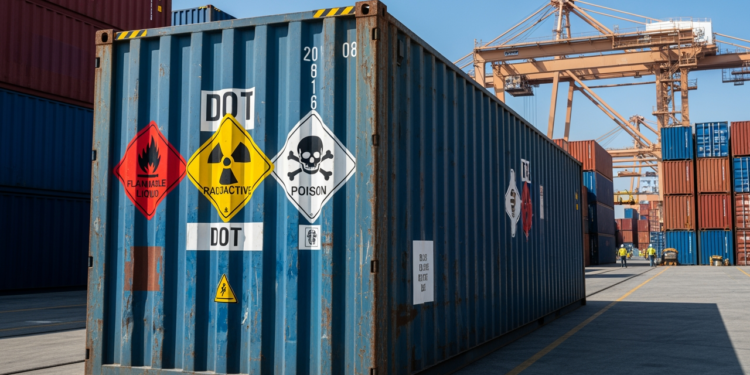
Table of Contents
- 1 The Regulatory Maze: Understanding Hazmat Compliance
- 2 Core Services of a Hazardous Materials Logistics Partner
- 3 Why Outsource? The Strategic Advantages of Using a 3rd Party Shipper
- 4 How to Select the Right Partner for Your Hazardous Materials Logistics Needs
- 5 Frequently Asked Questions about Hazmat Shipping
- 6 Conclusion
The Regulatory Maze: Understanding Hazmat Compliance
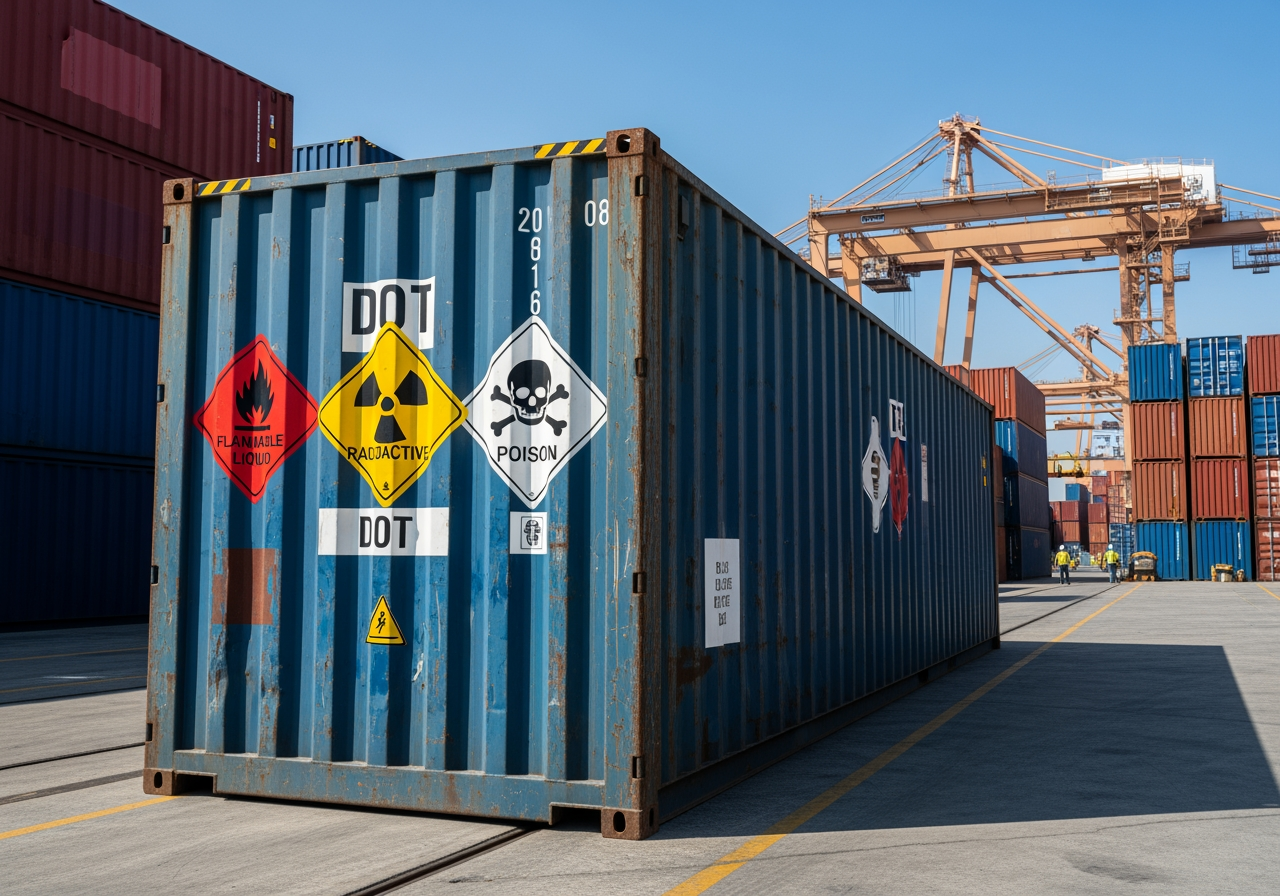
The transportation of hazardous materials (hazmat) is one of the most heavily regulated sectors in logistics. This stringent oversight exists for critical reasons: to protect human health, public safety, and the environment from potential harm. Navigating this complex web of rules is paramount, and it begins with understanding the governing bodies and their respective regulations. Businesses that ship hazardous goods bear the ultimate responsibility for compliance, whether they handle logistics in-house or outsource to a third party. This means a thorough understanding of both international and domestic rules is non-negotiable.
Key Global and Domestic Regulations
Several key regulatory frameworks dictate how hazardous materials must be prepared, handled, and transported. Compliance with these regulations is not just a legal requirement but a fundamental aspect of responsible business practice.
- U.S. Department of Transportation (DOT) 49 CFR: For shipments within the United States, Title 49 of the Code of Federal Regulations (49 CFR) is the primary authority. This comprehensive set of rules covers everything from classification and packaging to hazard communication, operational requirements, and security plans for the transportation of hazardous materials by highway, rail, air, and water. Shippers must adhere to these regulations to ensure safe transit across the country. You can find detailed information on these requirements through the U.S. Department of Transportation website. Further specifics are available in Title 49 of the Code of Federal Regulations (49 CFR).
- International Air Transport Association (IATA) Dangerous Goods Regulations (DGR): When shipping hazardous materials by air internationally, the IATA DGR is the gold standard. These regulations are based on the International Civil Aviation Organization (ICAO) Technical Instructions and are adopted by airlines worldwide. They outline strict requirements for classification, packing, marking, labeling, and documentation to ensure the safety of air cargo. Adherence to IATA DGR is crucial for any hazardous material destined for air transport. The IATA website provides extensive resources and guidelines.
- International Maritime Dangerous Goods (IMDG) Code: For hazardous materials transported by sea, the IMDG Code, developed by the International Maritime Organization (IMO), governs. This code specifies requirements for packing, container traffic, and stowage, with a strong emphasis on safety to prevent pollution and protect the lives of those at sea.
- International Civil Aviation Organization (ICAO) Technical Instructions: The ICAO Technical Instructions provide the foundational principles for the safe transport of dangerous goods by air. The IATA DGR is essentially a practical application of these instructions. Understanding the ICAO Technical Instructions offers a deeper insight into the rationale behind air transport regulations.
The Critical First Step: Classification and Identification
Before any hazardous material can be shipped, it must be accurately classified and identified. This initial step is arguably the most critical, as all subsequent packaging, labeling, documentation, and handling procedures depend on it.
- Safety Data Sheet (SDS): The Safety Data Sheet (formerly Material Safety Data Sheet or MSDS) is the primary source of information for classifying a substance. It provides comprehensive details on a chemical’s properties, including its hazards, composition, safe handling, emergency control measures, and regulatory information. Shippers must consult the SDS to determine if a material is hazardous and, if so, its specific hazard class and packing group. The OSHA website offers guidance on understanding SDS.
- Hazardous Materials Table: Once classified, the material’s entry in the Hazardous Materials Table (49 CFR Part 172.101) specifies the specific shipping requirements. This table details the proper shipping name, hazard class, identification number, packing group, labeling requirements, packaging authorizations, and special provisions for each hazardous material. This table is an indispensable tool for compliance. You can access the Hazardous Materials Table through the eCFR.
- UN/NA Numbers: Each hazardous material is assigned a unique four-digit United Nations (UN) or North American (NA) identification number. These numbers are crucial for rapid identification of a substance in the event of an incident and must be prominently displayed on packages, containers, and shipping documents.
- Packing Groups: Hazardous materials are assigned to one of three packing groups (PG I, PG II, or PG III) based on the degree of danger they present. Packing Group I indicates high risk, Packing Group II medium danger, and Packing Group III low danger. This assignment directly influences the strength and type of packaging required.
Accurate classification and identification are the bedrock of safe and compliant hazmat shipping. Any error at this stage can lead to incorrect packaging, labeling, or documentation, potentially resulting in regulatory violations, delays, fines, and, most importantly, safety risks. This is where the expertise of a third-party hazmat shipper becomes invaluable, ensuring every detail is carefully handled.
Core Services of a Hazardous Materials Logistics Partner
A specialized third-party hazmat shipper offers a comprehensive suite of services designed to manage the entire lifecycle of hazardous material transportation. Their role extends beyond merely moving goods; they act as a crucial compliance and safety partner, providing end-to-end management that leverages specialized equipment and extensive carrier networks. This holistic approach ensures that every aspect of the shipment, from initial preparation to final delivery, adheres to the strictest safety and regulatory standards.
From Packaging to Paperwork: A Full-Service Approach
The complexity of hazmat shipping demands a meticulous approach to every detail. Third-party providers excel in managing these intricate processes.
- UN-Certified Packaging: Hazardous materials often require specific packaging that has been tested and certified to meet UN performance standards. These packages are designed to withstand the rigors of transportation and prevent leaks or spills. A specialized shipper will assess the material’s hazard class, packing group, and mode of transport to select the appropriate UN-certified packaging, such as 4G boxes, drums, or other specialized containers. Some providers, for instance, claim to be the only packaging manufacturers exclusively focused on hazmat shipping and rigorously test their products to ensure safety.
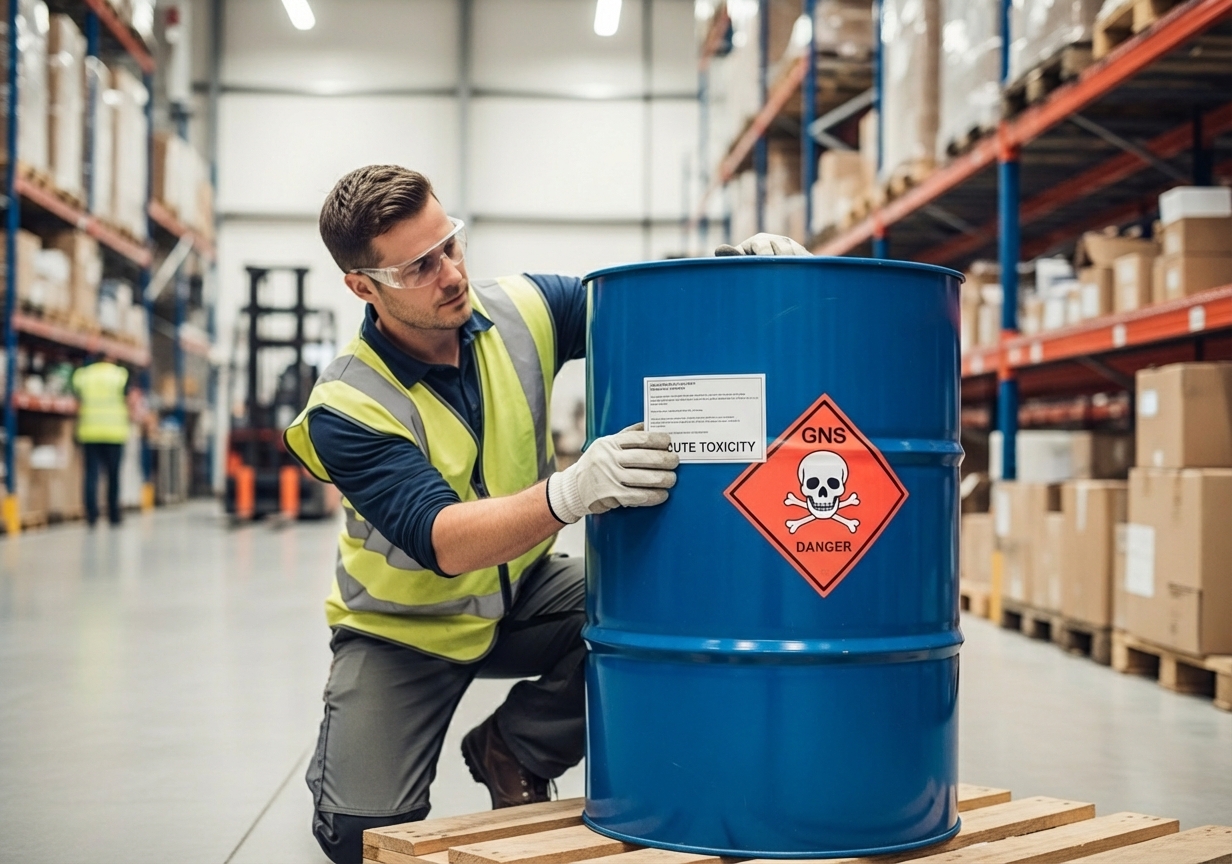
- Labeling & Marking: Proper labeling and marking are critical for hazard communication. Packages must display hazard labels (e.g., flammable, corrosive), UN/NA identification numbers, proper shipping names, and other essential information clearly and durably. Third-party experts ensure all markings comply with the relevant regulations (DOT, IATA, IMDG) and are correctly placed.
- Overpacks: For multiple packages consolidated into a single larger unit (an overpack), specific marking and labeling requirements apply. The overpack must indicate that hazardous materials are contained within and often requires repeating the hazard labels and UN/NA numbers of the inner packages.
- Shipper’s Declaration for Dangerous Goods: This document, often referred to as a “hazmat shipping paper” or “dangerous goods declaration,” is mandatory for most hazardous material shipments. It provides detailed information about the dangerous material, including its classification, quantity, packaging type, and emergency contact information. Preparing this document accurately requires expert knowledge of regulatory formats and content. The IATA Dangerous Goods Regulations (DGR) provide examples and templates for proper documentation.
Beyond these core services, many third-party hazmat shippers offer additional support, such as:
- Consultation and Training: Providing expert advice on regulatory compliance and offering training programs for client staff.
- Repacking and Repouring: Handling damaged or non-compliant shipments, or preparing materials for a different mode of transport.
- Warehousing and Storage: Offering specialized, compliant storage facilities for hazardous materials.
- Custom Crating: Designing and building custom crates for delicate or unusually shaped hazardous items.
- Reverse Logistics: Managing the compliant return or disposal of hazardous materials.
The Role of Technology in Modern hazardous materials logistics
Technology has become an indispensable tool in modern hazmat shipping, enhancing safety, compliance, and efficiency.
- Real-time Tracking: Advanced logistics platforms provide real-time visibility into the location and status of hazardous shipments. This allows shippers and clients to monitor progress, anticipate potential delays, and respond quickly to incidents.
- Compliance Software: Specialized software helps automate the complex process of classifying materials, selecting appropriate packaging, generating compliant labels, and preparing accurate shipping documentation. This significantly reduces the risk of human error.
- Digital Documentation: Moving away from paper streamlines record-keeping, improves accessibility, and enables faster audits. This includes electronic versions of SDS, shipping papers, and other regulatory documents.
- Transparency Portals: Many third-party providers offer client portals that enable businesses to access shipment data, compliance reports, and communication tools, fostering greater transparency and collaboration.
- Data Analytics: Leveraging data from past shipments can help identify trends, optimize routes, improve safety protocols, and predict potential issues, leading to continuous improvement in hazmat logistics.
The integration of technology empowers third-party hazmat shippers to offer a higher level of service, ensuring not only compliance but also greater control and peace of mind for their clients.
Why Outsource? The Strategic Advantages of Using a 3rd Party Shipper
For many businesses, the decision to outsource hazardous materials logistics to a third-party shipper is a strategic one, driven by the inherent complexities, risks, and specialized expertise required. While handling hazmat in-house might seem like a way to maintain control, the advantages of partnering with a specialized provider often outweigh the perceived benefits of internal management. This section explores compelling reasons businesses opt for outsourcing, focusing on risk mitigation, safety assurance, and operational efficiency.
s
Mitigating Risk and Ensuring Safety
The primary motivation for outsourcing hazmat shipping is often to offload the significant risks and liabilities associated with transporting dangerous goods.
- Liability Reduction: Mishandling hazardous materials can lead to severe legal and financial repercussions, including hefty fines, lawsuits, and even criminal charges. By engaging a reputable third-party hazmat shipper, businesses can transfer a significant portion of this liability. These specialized providers are experts in compliance and carry appropriate insurance, offering a crucial buffer against potential incidents. Understanding and implementing robust Third-Party Audits & Inspections can further solidify this risk mitigation strategy.
- Trained Personnel: Shipping hazardous materials requires personnel with specific training and certifications. Third-party hazmat shippers employ staff who are continuously trained on the latest regulations, handling procedures, and emergency response protocols. This ensures that every step, from packaging to loading, is performed by qualified individuals, reducing the likelihood of errors.
- Emergency Response Planning: Despite all precautions, incidents can occur. Specialized hazmat shippers have established emergency response plans and capabilities to manage spills, accidents, or other unforeseen events during transit. This includes having protocols for containment, remediation, and communication with authorities. Partnering with experts can help businesses avoid Hazardous Waste Transportation Violations and ensure a swift, compliant response to any incident.
- Insurance Requirements: Hazardous materials shipments often require specialized insurance coverage. Third-party providers typically have comprehensive policies that cover potential damages, environmental cleanup, and third-party liabilities, which can be prohibitively expensive for individual businesses to secure independently.
Gaining Efficiency and Access to Expertise
Beyond risk mitigation, outsourcing hazmat shipping offers substantial operational and financial benefits, allowing businesses to focus on their core competencies.
- Cost Savings: Maintaining an in-house hazmat shipping operation involves significant costs: specialized equipment, ongoing training, compliance software, insurance, and dedicated personnel. Third-party shippers leverage economies of scale, existing infrastructure, and established carrier relationships to provide services more cost-effectively. This can translate into substantial savings for businesses, especially those with fluctuating shipping volumes.
- Scalability: A third-party partner can easily scale services up or down based on a business’s changing needs, without the client having to invest in additional equipment, staff, or training. This flexibility is particularly beneficial for seasonal businesses or those experiencing rapid growth.
- Access to Carrier Networks: Specialized hazmat shippers have established relationships with a vast network of approved carriers that are qualified and experienced in transporting dangerous goods. For example, some large logistics providers boast over 2,000 active and qualified hazmat carriers. This access ensures that shipments can be moved efficiently, even to remote or challenging destinations, and that the most suitable mode of transport (ground, air, ocean) is selected. This expertise in choosing the Right Hazardous Waste Transporter is crucial.
- Avoiding In-House Training: Regulatory requirements for hazmat training are rigorous and recurrent. By outsourcing, businesses avoid the burden and expense of continuously training their own staff. The third-party provider ensures that their team remains up to date on all certifications and regulations. This means businesses don’t have to worry about whether their own staff is T-qualified to transport hazardous materials.
- Focus on Core Competencies: By delegating the complexities of hazmat logistics, businesses can free up internal resources and management attention, allowing them to concentrate on their primary business activities, innovation, and growth.
- Leveraging certified hazardous materials logistics experts: Many organizations choose to work with partners that specialize exclusively in certified hazardous materials logistics. These providers invest heavily in compliance systems, staff training, and continuous process improvement, which can be especially valuable for companies that only ship hazmat occasionally or are introducing new product lines with unfamiliar regulatory profiles.
Outsourcing hazardous materials shipping transforms a potential headache into a streamlined, compliant, and cost-effective operation, backed by specialized expertise and a commitment to safety.
How to Select the Right Partner for Your Hazardous Materials Logistics Needs
Choosing the right third-party hazmat shipper is a critical decision that impacts not only your operational efficiency but also your regulatory compliance and overall safety record. It requires thorough vetting, diligent due diligence, and a focus on establishing a long-term partnership built on trust and mutual understanding. This section will guide businesses through the essential steps of finding and evaluating a reliable hazmat shipping partner.
Key Credentials to Verify
When evaluating potential hazmat shipping partners, look beyond basic service offerings. Their credentials speak volumes about their commitment to safety and compliance.
- Certifications and Licenses: Verify that the shipper holds all necessary federal, state, and international licenses and certifications for transporting hazardous materials. This includes DOT registration, hazmat endorsements for drivers, and any specific permits required for the types of materials you ship or the regions you operate in. For international air freight, look for IAC (Indirect Air Carrier) and IATA/CNS agent status.
- Years of Experience: Hazmat shipping experience is invaluable. A provider with a long track record demonstrates a deep understanding of the regulations, potential challenges, and best practices. Some companies, for example, boast over 30 years of exclusive focus on hazmat shipping, indicating a high level of specialized expertise.
- Industries Served: Investigate if the shipper has experience working with businesses in your specific industry. Different industries have unique hazmat profiles and regulatory nuances. A provider familiar with your sector will better understand your needs and potential challenges.
- Safety Record: Request their safety record, including incident rates, compliance history, and any awards or recognition for safety. A strong safety record is a testament to their operational integrity and adherence to best practices.
- References and Testimonials: Request references from current or past clients, especially those with similar hazmat shipping needs. Independent reviews and testimonials can offer insights into their reliability, customer service, and problem-solving capabilities.
- Financial Stability: Ensure the potential partner is financially stable. You want a partner who will be around for the long haul and has the resources to invest in technology, training, and equipment.
Here are some key questions to ask a potential provider during your vetting process:
- What specific hazmat certifications and licenses do your company and your drivers hold?
- How do you ensure compliance with DOT 49 CFR, IATA DGR, IMDG Code, and ICAO Technical Instructions?
- Can you provide a copy of your hazmat safety plan and emergency response protocols?
- What is your training program for employees involved in hazmat handling and transportation, and how often is it updated?
- What types of hazardous materials do you not handle?
- How do you handle documentation, labeling, and packaging to ensure compliance?
- What technology do you use for tracking, compliance, and client communication?
- Can you provide references from clients in my industry?
- What is your process for handling unexpected delays or incidents during transit?
- What kind of insurance coverage do you carry for hazmat shipments?
Evaluating a Provider’s Capabilities
Beyond credentials, assess the practical capabilities of a potential hazmat shipping partner.
- Service Range: Does the provider offer the full spectrum of services you need, from packaging and labeling to documentation, transportation (ground, air, ocean), and even reverse logistics or warehousing? A comprehensive service offering can simplify your supply chain.
- Technology Platform: A modern provider should leverage technology for efficiency and transparency. Look for features like real-time tracking, digital documentation portals, and integrated compliance software. This technology should provide you with visibility and control over your shipments.
- Safety Record and Culture: A strong safety culture is paramount. This goes beyond just having a good record; it involves continuous improvement, proactive risk management, and a commitment to safety at all levels of the organization. Industry bodies recognize some providers for their safety practices, such as multiple “Responsible Care Partner of the Year” awards.
- Customer Support: Hazmat shipping can be complex, and questions or issues may arise. Evaluate their customer service responsiveness, availability (e.g., 24/7/365 support), and the expertise of their support teams.
- Geographic Reach: Ensure their service area aligns with your shipping needs. If you ship nationally, confirm they cover the entire United States. If internationally, verify their global network and expertise in specific regions. While some providers have extensive national locations, others might focus on particular areas, necessitating a search for certified hazardous materials logistics experts with the right geographical footprint.
- Alignment With Your Compliance Program: The best hazmat partners operate as an extension of your environmental health and safety (EHS) and compliance teams. Ask how they will participate in internal audits, contribute to continuous improvement initiatives, and support documentation needed for regulatory inspections. A provider that can integrate into your broader compliance framework adds value beyond simply moving freight.
By diligently vetting and evaluating potential partners against these criteria, businesses can confidently select a third-party hazmat shipper that not only meets their immediate needs but also becomes a trusted, long-term asset in their supply chain.
Frequently Asked Questions about Hazmat Shipping
Navigating hazardous materials shipping often brings up a host of questions. Here, we address some of the most common inquiries businesses have when considering third-party hazmat shippers.
What’s the difference between “hazardous materials” and “dangerous goods”?
While often used interchangeably, “hazardous materials” and “dangerous goods” generally refer to the same concept but are typically distinguished by their regulatory context.
- Hazardous Materials (Hazmat): This term is predominantly used in the United States and is defined by the U.S. Department of Transportation (DOT) under 49 CFR. It refers to substances or materials capable of posing an unreasonable risk to health, safety, or property when transported in commerce.
- Dangerous Goods: This term is commonly used in international regulations, particularly by the International Air Transport Association (IATA) and the International Maritime Organization (IMO). It refers to articles or substances that are capable of posing a risk to health, safety, property, or the environment and which are shown in the list of dangerous goods in the technical instructions or are classified according to those instructions.
Both terms describe substances that pose risks during transport, but “hazardous materials” is the domestic U.S. term, while “dangerous goods” is the international term. Specialized third-party shippers are equipped to handle both, ensuring compliance with the appropriate domestic or international regulations based on the shipment’s origin and destination.
What are some common materials that shippers exclude?
While third-party hazmat shippers handle a vast array of dangerous goods, most have specific exclusions due to extreme hazards, specialized handling requirements, or regulatory complexities. Standard exclusions often include:
- Class 1 Explosives: Especially those with high hazard divisions (e.g., 1.1, 1.2, 1.3, 1.5). This often includes fireworks, gunpowder, ammunition, cartridges, and primers.
- Class 2.3 Toxic Gases: Gases that are poisonous by inhalation.
- Class 4.2 Spontaneously Combustible Materials: Substances liable to spontaneous heating under normal transport conditions.
- Class 4.3 Dangerous When Wet Materials: Substances that emit flammable gases when they come into contact with water.
- Class 5.2 Organic Peroxides: Highly reactive and unstable substances.
- Class 6 Toxic and Infectious Substances: Particularly highly toxic materials or known infectious substances that require extremely specialized containment.
- Class 7 Radioactive Materials: These require highly specialized licensing, handling, and transportation protocols.
- Hazardous Waste: While some shippers specialize in hazardous waste transportation and disposal, many general hazmat shippers do not handle waste streams, as they fall under different regulatory frameworks (e.g., EPA regulations in the U.S.).
- Opened Liquids/Chemicals: For safety and liability reasons, many shippers will not accept hazardous liquids or chemicals in opened or non-factory-sealed containers.
- Items Requiring PHMSA Registration: Certain high-risk hazardous materials may require specific registration with the Pipeline and Hazardous Materials Safety Administration (PHMSA), which some general hazmat shippers may not undertake.
It’s crucial for businesses to clearly communicate the exact nature of their materials to any potential shipper and verify their capabilities and exclusions upfront.
How are hazmat shipping costs typically determined?
The cost of hazardous materials shipping is influenced by numerous factors, making it more complex than standard freight pricing. While specific pricing details are not discussed, the key determinants include:
- Hazard Class and Packing Group: Materials with higher hazard levels (e.g., Packing Group I) typically incur higher costs due to more stringent packaging, handling, and emergency response requirements.
- Quantity and Weight: As with general freight, the volume and weight of the shipment are significant factors. Larger and heavier hazmat shipments will naturally cost more.
- Type of Packaging: The need for UN-certified packaging, specialized containers, or custom crating adds to the overall cost.
- Mode of Transport: Air transport is generally the most expensive due to stringent IATA regulations, followed by ocean transport, and then ground transport.
- Distance and Destination: Longer distances and shipments to remote or difficult-to-access locations will increase costs. International shipments also incur additional customs duties, taxes, and documentation fees.
- Special Handling Requirements: Materials requiring temperature control, segregation from other goods, or other specialized handling will incur higher costs.
- Documentation and Compliance Services: The expertise required to prepare accurate shipping papers, declarations, and other regulatory documents contributes to the service cost.
- Insurance: Specialized hazmat insurance is often required and adds to the overall expense.
- Additional Services: Services like warehousing, repacking, consultation, or emergency response planning will be factored into the total cost.
Businesses should request detailed quotes from prospective third-party hazmat shippers, ensuring all potential costs are transparently outlined. Many providers offer no-obligation cost estimates to help companies plan their logistics budgets effectively.
Conclusion
The landscape of hazardous materials shipping is undeniably complex, fraught with regulatory intricacies and inherent risks. For businesses dealing with dangerous goods, navigating this terrain successfully is not merely about logistics; it’s about safeguarding lives, protecting the environment, and ensuring legal compliance. The potential for financial penalties, safety hazards, and reputational damage from mishandling hazmat underscores the critical importance of getting it right, every time.
This guide has illuminated the multifaceted world of third-party hazmat shippers, from essential regulatory frameworks such as DOT 49 CFR, IATA DGR, IMDG, and ICAO to the comprehensive services they offer—including specialized packaging, meticulous documentation, and advanced technological tracking. We’ve explored the compelling strategic advantages of outsourcing, highlighting how specialized partners mitigate risk, enhance safety, and drive operational efficiency, enabling businesses to focus on their core competencies.
The value of a specialized third-party hazmat shipper lies in its expertise. They are the guardians of your hazardous materials supply chain, ensuring that every shipment meets the highest safety and compliance standards. By carefully vetting and selecting the right partner, businesses can transform a daunting challenge into a seamless, secure, and compliant process. The future of hazmat logistics will continue to evolve as new technologies and regulations emerge. emerge. Still, the fundamental need for expert guidance and unwavering commitment to safety will remain paramount for maintaining supply chain integrity.
To explore how expert guidance can secure your hazardous materials shipping operations, consider reaching out for a Dangerous Goods Shipping Quote Request.

