

Modern Homebuyer Trends for 2026
Modern homebuyers in 2026 are redefining the real estate landscape. Buyers and sellers are adapting quickly as preferences shift towards smarter, healthier, and more sustainable living environments. For those looking to buy, sell, or invest in the Miami area, Miami Beach real estate experts Boschetti Realty Group are a reliable resource for local expertise, helping clients navigate these evolving trends with confidence.
Staying up to date on these changes gives both buyers and sellers a critical edge. Understanding what matters most to today’s homebuyers, from eco-conscious upgrades to tailored design, can shape a more satisfying experience on both sides of the transaction in 2026’s fast-moving market.
Across the country, real estate professionals and homeowners are closely tracking these priorities. Top-tier sources regularly showcase how shifts in buyer expectations are affecting everything from neighborhood development to home technology. Embracing these changes is key to making sound decisions in the coming years.
Table of Contents
Sustainable Living and Eco-Friendly Features
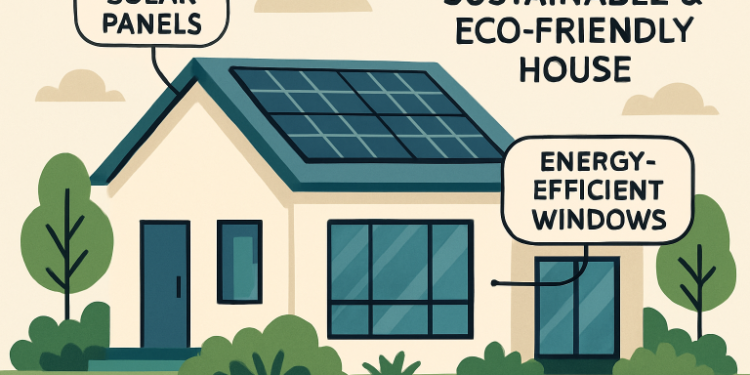
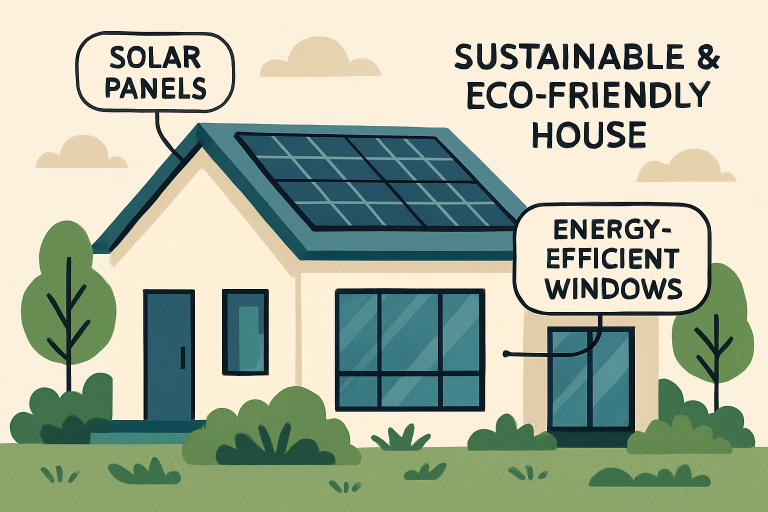
Eco-friendly initiatives are prominent among modern homebuyers. In pursuit of sustainability, many are seeking homes equipped with solar panels, energy-efficient windows, improved insulation, and appliances that use less water and energy. These upgrades offer lower utility bills and reduced environmental impacts, making homes with these features particularly attractive. Demand for these options is not limited to new construction; buyers are also seeking older homes that have been retrofitted with green upgrades. Sustainable homes are often listed at higher price points and sell faster than their less efficient counterparts, reflecting a market-wide shift in values.
Government incentives and stricter building codes further encourage the adoption of sustainable solutions. Beyond savings, these features appeal to buyers’ desire for a healthier home and a more responsible footprint. Real estate agents notice increased awareness among buyers, who now examine energy ratings and carbon footprints as closely as floor plans and finishes. As eco-friendly upgrades become more commonplace, sellers are investing in these features to improve their property value and marketability.
Flexible and Adaptable Living Spaces
Adaptability has become a favorite buzzword among homebuyers. Modern living often blends work, leisure, and family life under one roof, making flexible spaces a key demand. Whether it’s a built-in workspace, a gym that converts to a guest room, or private quarters for multigenerational living, today’s buyers want homes designed for shifting needs. This preference is fueling creative floor plans and convertible open areas that can support everything from businesses to classrooms, catering to rapidly changing lifestyles.
Versatile homes are particularly attractive to families and entrepreneurs. The rise in remote work and homeschooling has proven that rigid room functions are no longer ideal for many households. Developers are responding with modular layouts, sliding partitions, and dual-use rooms, which ensure spaces can easily transition as families grow or needs change. This movement toward customization empowers buyers to envision new purposes for each room, enhancing both comfort and resale value.
Integration of Smart Home Technology
The expectation for smart home technology has quickly moved from luxury to necessity. Integrated security systems, programmable thermostats, touchless lighting, and voice controls rank high on homebuyers’ lists. Today’s homeowners want the convenience of managing everything from security to climate from their smartphones, both to save energy and to streamline routines. For sellers, incorporating the latest devices can give properties an edge in a competitive marketplace.
Safety, efficiency, and entertainment are all part of the equation. Smart doorbells, advanced fire detection, and remote home monitoring appeal to buyers’ desire for increased safety. Meanwhile, media integration and automation systems now come standard in new construction, making life both more comfortable and more enjoyable. Popular publications such as CNET’s Smart Home coverage offer updates on the latest devices, indicating growing consumer interest and fueling further innovation.
Personalized and Nostalgic Design Trends
There is a shift away from impersonal, one-size-fits-all interiors towards unique spaces that reflect individual tastes. Buyers are turning to nostalgic decor, vintage furnishings, and hand-crafted details to create welcoming, character-rich homes that stand out from the cookie-cutter crowd. An increasing number of homebuyers are inspired by retro color palettes, artisanal tile, and locally sourced materials, creating interiors that are both elegant and memorable.
Personalization extends to the home’s architecture and layout as well. Custom built-ins, decorative moldings, and accent walls are seeing a resurgence. Buyers also value thoughtfully designed spaces that support their hobbies or passions. This pursuit of individuality is encouraging sellers to highlight a home’s unique features and history, fostering genuine connections between property and buyer.
Wellness and Health-Focused Home Features
Wellness-oriented design has become a high priority. Enhanced natural light, purified air systems, and noise-reduction strategies all support homeowners’ physical and mental health. Dedicated exercise rooms, spa-style bathrooms, and meditation nooks are increasingly common, as buyers look for sanctuaries that offer both relaxation and rejuvenation. These features are especially important as more people focus on holistic well-being at home.
Health-centric elements such as touchless faucets, antimicrobial surfaces, and improved ventilation systems are now considered essential rather than luxury upgrades. Many buyers also gravitate towards outdoor living areas, gardens, and green spaces, reinforcing the connection between home and nature. Builders continue to innovate in these areas, recognizing the connection between the built environment and quality of life.
Conclusion
The most influential homebuying trends of 2026 come down to a blend of sustainability, adaptability, smart technology, personalized design, and wellness. Buyers and sellers who recognize and embrace these shifts can expect to succeed in a market that increasingly rewards thoughtful features and future-ready living environments.