

Leveraging Data and AI for High-Impact Creator Marketing Campaigns

Table of Contents
- 1 The Foundation: Data-Driven Strategy in Creator Marketing
- 2 AI’s Role in Revolutionizing Creator Findy and Vetting
- 3 Measuring What Matters: Calculating ROI in Creator Marketing Campaigns
- 4 Ensuring Compliance and Brand Safety in a Regulated Landscape
- 5 Frequently Asked Questions about High-Impact Creator Marketing
- 6 Conclusion: The Future is Data-Informed and Creator-Led
The Foundation: Data-Driven Strategy in Creator Marketing
At the heart of any successful creator marketing initiative lies a robust, data-driven strategy. Gone are the days of simply picking a popular personality and hoping for the best. Today, effective campaigns are built on a deep understanding of target audiences, meticulous platform selection, and a clear vision for content that resonates. We approach this foundation by dissecting audience behaviors, preferences, and demographics, ensuring every campaign is precisely custom for impact.

Our strategic process begins with comprehensive audience analysis. This goes beyond basic demographics, delving into psychographics to understand motivations, interests, and online habits. By knowing who your ideal customer is, what they care about, and where they spend their time online, we can craft content strategies that genuinely connect. This granular data informs everything from the type of creators we partner with to the specific platforms and content formats chosen, ensuring maximum relevance and engagement. This meticulous planning is crucial for any influencer marketing firm in Los Angeles aiming to deliver measurable results.
Identifying the Right Platforms and Content Formats
Los Angeles, as a global content capital, is a dynamic ecosystem where new platforms and content trends emerge constantly. Navigating this landscape requires an expert understanding of where different audiences reside and how they prefer to consume content.
Instagram remains a powerhouse, especially for fashion, beauty, and lifestyle brands, boasting high marketer adoption rates and strong brand preference. Its visual nature, combined with features like Reels, Stories, and shopping integrations, makes it ideal for showcasing products and building aesthetic appeal.
However, the rise of TikTok cannot be overstated. With significantly higher engagement rates compared to other channels, TikTok is where trends are born and findy thrives. For brands seeking to connect with younger demographics and accept short-form, authentic video content, TikTok is indispensable. Many Los Angeles influencer marketing agencies leverage its unique algorithm to drive viral campaigns.
YouTube continues to be a critical platform for long-form content, tutorials, in-depth reviews, and evergreen content that provides value long after initial publication. Its content longevity offers sustained reach and consideration for complex products or services. Meanwhile, platforms like LinkedIn are gaining traction for B2B influencer marketing, connecting brands with industry thought leaders and executives in the busy Los Angeles tech and entertainment sectors.
The key is to match the content format to the platform’s native strengths and the audience’s journey. Short-form video excels for quick findy and brand awareness, while long-form content supports deeper consideration. Live shopping features on various platforms are also changing e-commerce, allowing creators to drive direct sales in real-time. By strategically combining these elements, we ensure content is not just seen, but actively engaged with and acted upon.
Aligning Your Creator Marketing Strategy with Business Goals
A successful creator marketing strategy is always tethered to clear business objectives. Whether the goal is to boost brand awareness, foster a vibrant community, generate qualified leads, or drive direct sales conversions, every element of the campaign must contribute to these outcomes.
For new brands or product launches, the focus might be on maximizing reach and impressions to build brand awareness. Here, creators can introduce your brand to new audiences, leveraging their credibility to generate initial buzz. For brands looking to deepen customer relationships, community building through interactive content and ongoing creator partnerships can cultivate loyalty and advocacy.
When it comes to lead generation and sales, the strategy shifts to direct-response tactics. This involves creators showcasing product benefits, offering exclusive discount codes, or driving traffic to specific landing pages. The goal is to move audiences through the marketing funnel, from initial exposure to becoming a paying customer.
A comprehensive, full-funnel approach often integrates all these objectives. Creators can raise awareness at the top of the funnel, build consideration in the middle, and drive conversions at the bottom. By clearly defining these goals upfront, we can design campaigns that deliver tangible, measurable results, moving beyond vanity metrics to true business impact.
AI’s Role in Revolutionizing Creator Findy and Vetting
Finding the right creators for a campaign is paramount, and in a market as vast and competitive as Los Angeles, this task can be daunting. This is where artificial intelligence (AI) and advanced data analytics become indispensable tools, changing the traditional influencer sourcing process.

Modern creator marketing relies heavily on sophisticated creator databases powered by machine learning. These platforms can sift through millions of profiles, analyzing not just follower counts, but also audience demographics, psychographics, engagement rates, and content themes. This allows us to identify creators whose audience perfectly aligns with a brand’s target market, moving beyond superficial metrics to true audience compatibility.
AI also plays a critical role in vetting creators for authenticity and brand safety. Fraudulent followers and inauthentic engagement can skew campaign results and damage brand reputation. AI tools can detect bot networks, analyze comment sentiment, and assess engagement quality, ensuring that the creators we partner with have genuine influence. Furthermore, advanced AI image recognition can scan creator content for potential brand safety risks, such as inappropriate themes or competitive mentions, before any partnership is finalized. This meticulous vetting process is a cornerstone of responsible and effective AI-driven creator marketing.
Moving Beyond Follower Counts: The Power of Micro-Creators
While mega-influencers with millions of followers might seem like the obvious choice, the data tells a compelling story about the power of smaller creators. Research indicates that micro-influencers generate 10 times more brand preference than their mega-influencer counterparts. This statistic highlights a crucial shift in how brands achieve authenticity and impact.
Micro-influencers (typically 10,000-100,000 followers) and nano-influencers (1,000-10,000 followers) often cultivate highly engaged, niche communities. Their audiences perceive them as more relatable and trustworthy, leading to higher engagement rates and a stronger sense of community. For brands, this translates into more authentic recommendations and a greater likelihood of driving conversions.
In a diverse city like Los Angeles, micro-creators can tap into highly specific sub-cultures and local communities, offering brands unparalleled access to targeted demographics. Whether it’s a food blogger specializing in vegan cuisine in Silver Lake or a fitness enthusiast promoting sustainable activewear in Santa Monica, these creators offer a level of specificity and trust that larger creators often cannot match. By focusing on these impactful niche voices, we can craft campaigns that resonate deeply and drive meaningful results.
Measuring What Matters: Calculating ROI in Creator Marketing Campaigns
One of the most common challenges in marketing is proving return on investment (ROI), and creator marketing is no exception. However, with the right strategies and tools, we can move beyond vanity metrics to demonstrate tangible business impact. Measuring what truly matters is essential for optimizing campaigns and securing future investment.
Our approach to calculating ROI involves a comprehensive suite of performance metrics and sophisticated attribution models. We track key indicators throughout the entire customer journey, from initial exposure to final purchase. This includes:
- Reach and Impressions: To understand overall visibility and audience exposure.
- Engagement Rate: To gauge how well content resonates with the audience (likes, comments, shares, saves).
- Click-Through Rate (CTR): To measure interest and traffic driven to a brand’s website or landing page.
- Conversion Rate: To track the percentage of users who complete a desired action (e.g., purchase, sign-up, download) after interacting with creator content.
- Sales Lift: Directly attributing sales increases to specific creator campaigns, often through unique discount codes, affiliate links, or pixel tracking.
- Customer Acquisition Cost (CAC): Calculating the cost of acquiring a new customer through creator marketing activities.
- Website Traffic and Time on Site: Indicating interest and deeper engagement with brand content.
Attribution models are crucial for connecting creator content to revenue. By implementing UTM parameters, unique promo codes, and pixel tracking, we can accurately trace customer actions back to the specific creator who influenced them. This allows us to see how creator content contributes to online and even offline sales, providing a clear picture of ROI. For e-commerce focused campaigns, tracking visits, clicks, and custom promo-codes provides a clear funnel showcasing reach, engagement, leads, and conversions.
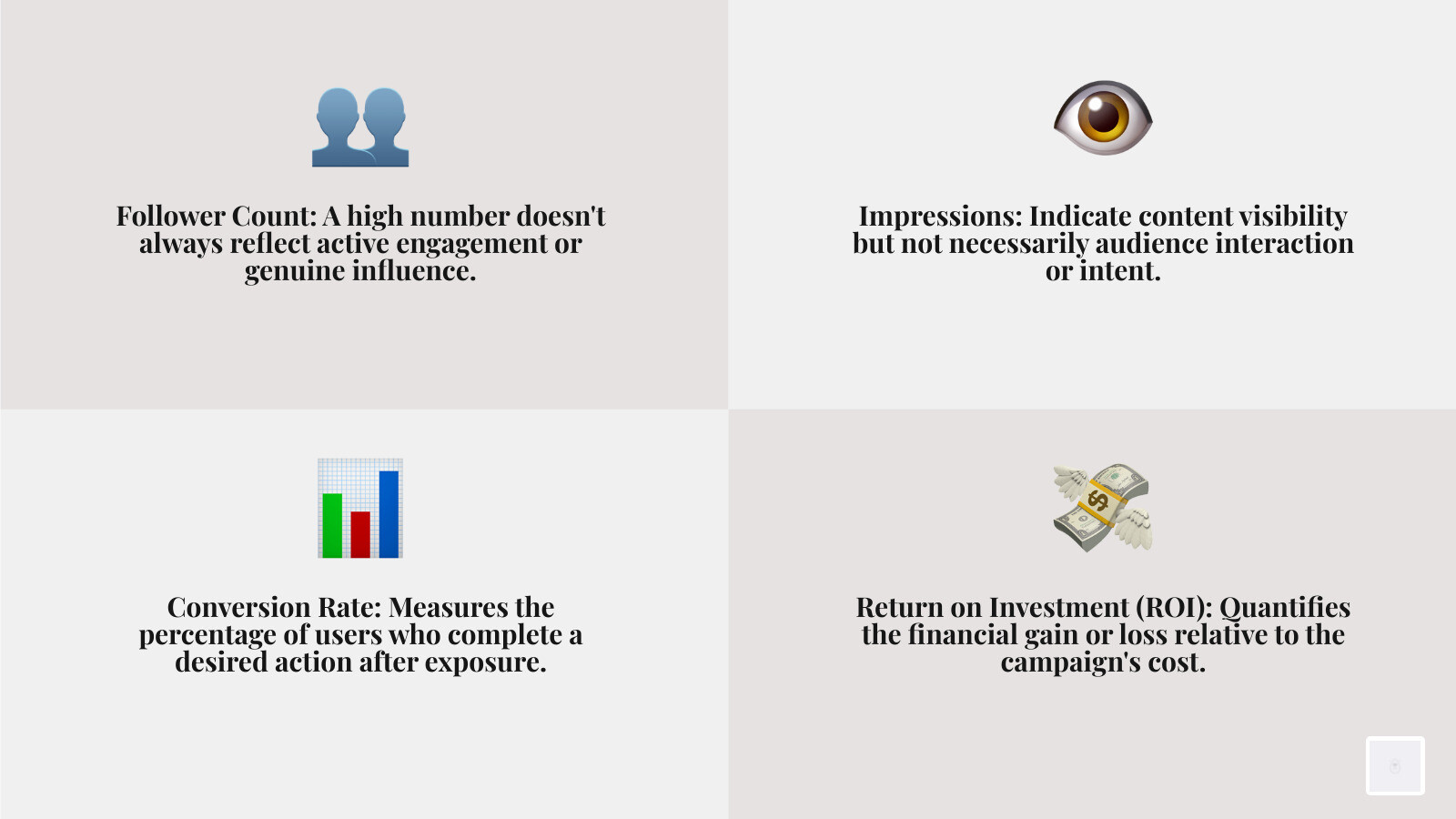
This detailed approach ensures that every dollar spent on creator marketing is accounted for, allowing us to optimize campaigns in real-time and provide clients with clear, data-backed evidence of success.
Ensuring Compliance and Brand Safety in a Regulated Landscape
In the rapidly evolving world of creator marketing, maintaining brand safety and ensuring compliance with regulatory guidelines is paramount. The Federal Trade Commission (FTC) has strict rules regarding endorsements and testimonials, and non-compliance can result in significant penalties. For any influencer marketing firm in Los Angeles, navigating this legal landscape is a critical responsibility.
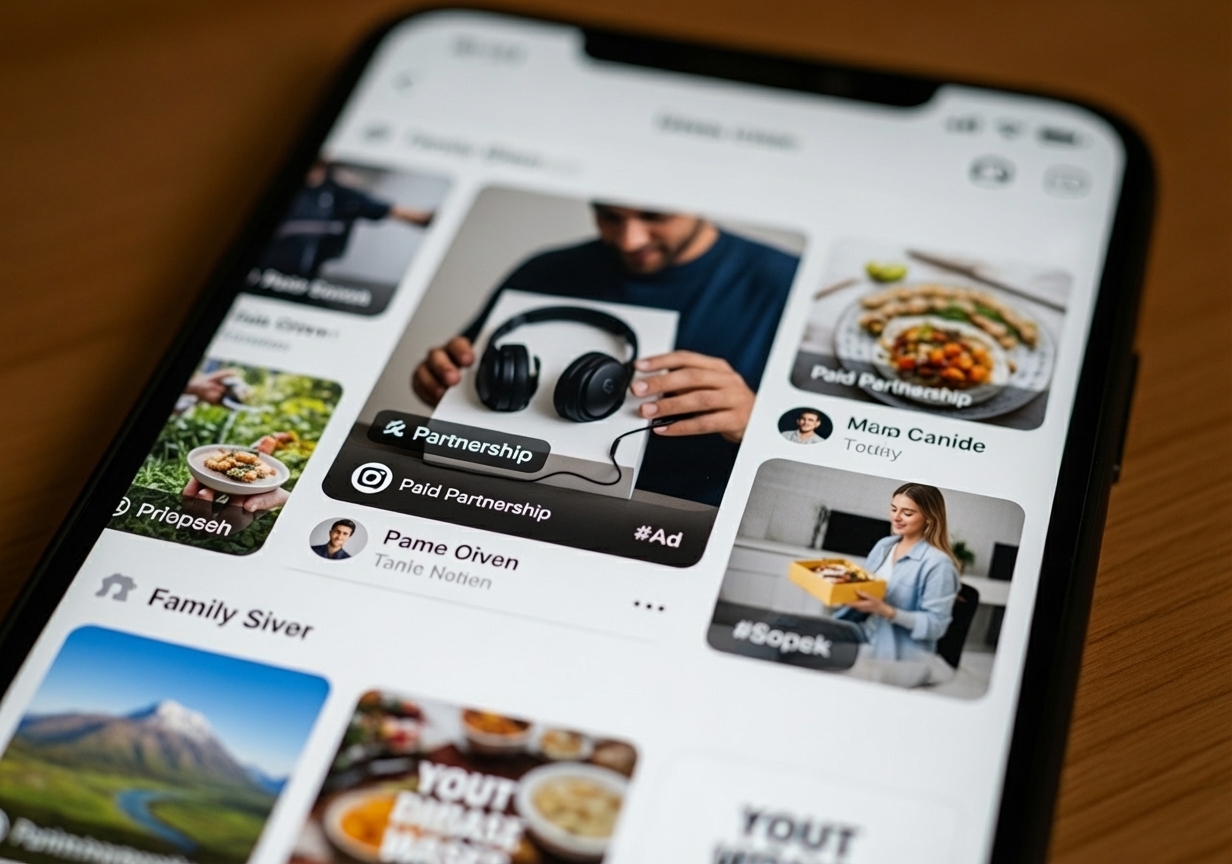
The FTC’s guidelines require clear and conspicuous disclosure of any material connection between a brand and a creator. This means that if a creator is paid, receives free products, or has any other relationship that could influence their opinion, they must disclose it. As of 2025, FTC violations carry substantial penalties, reaching $53,088 per instance, making adherence to these rules non-negotiable.
Best practices for compliance include:
- Clear Disclosure Language: Using unambiguous terms like #ad, #sponsored, or “Paid partnership with [Brand]” prominently at the beginning of posts, stories, and videos. Phrases like #partner or #ambassador are often deemed insufficient.
- Visibility: Disclosures must be easily seen and understood by the audience without requiring them to click “see more” or expand text.
- Platform-Specific Tools: Utilizing built-in disclosure tools on platforms like Instagram and TikTok, which often label content as “Paid partnership.”
- Creator Education: Thoroughly educating creators on FTC guidelines and ensuring they understand their responsibilities.
Beyond legal compliance, brand safety also involves protecting a brand’s reputation. This includes vetting creators to ensure their content aligns with brand values and does not contain anything controversial, offensive, or inappropriate. It also involves ongoing monitoring of campaign content to quickly address any potential issues.
Our comprehensive approach includes robust content review processes and risk screening mechanisms. Before any content goes live, it undergoes a meticulous review to ensure both FTC compliance and brand safety. This proactive stance safeguards our clients from legal repercussions and reputational damage, allowing them to confidently leverage the power of creator marketing.
Frequently Asked Questions about High-Impact Creator Marketing
As the creator economy continues to expand, many brands have questions about how to best integrate this powerful strategy into their overall marketing efforts. Here, we address some of the most common inquiries.
How much do creator campaigns typically cost?
The cost of a creator marketing campaign in Los Angeles, like anywhere else, can vary significantly based on several factors, including the scale of the creator, the content requirements, the complexity of the campaign, and the overall scope of services provided by the agency.
- Nano-influencers (1,000-10,000 followers): These creators typically charge between $100-$500 per post. They offer highly engaged, niche audiences and are excellent for authentic, community-focused campaigns.
- Micro-influencers (10,000-100,000 followers): Expect to pay between $500-$5,000 per post for micro-influencers. They strike a balance between reach and engagement, often having a strong impact within their specific communities.
- Mid-tier influencers (100,000-500,000 followers): These creators typically command $5,000-$15,000 per post. They offer broader reach while often maintaining good engagement rates.
- Macro-influencers (500,000+ followers): Costs for macro-influencers can range from $15,000-$50,000+ per post, sometimes even higher for celebrities or top-tier creators. They provide significant reach and brand visibility.
Beyond the creator’s fee, campaign costs also include agency management fees (for strategy, sourcing, negotiation, content oversight, and reporting), content production costs (if professional shoots are required), and paid amplification budgets to boost content visibility. A detailed proposal from an influencer marketing firm in Los Angeles will outline all these components, providing a clear understanding of the investment required.
How do you measure the success of a creator marketing campaign?
Measuring success goes beyond surface-level metrics. While likes and follower counts offer a basic snapshot, a truly successful campaign is measured against predefined Key Performance Indicators (KPIs) that align with your business objectives.
For awareness-focused campaigns, we track metrics such as:
- Total reach and impressions
- Brand mentions and sentiment
- Website traffic from creator content
For engagement-focused campaigns, important KPIs include:
- Engagement rate (likes, comments, shares, saves per post)
- Video views and completion rates
- Audience sentiment analysis
For conversion-focused campaigns, we dig into:
- Click-through rates (CTR) on links
- Conversion rates (sales, sign-ups, downloads)
- Customer Acquisition Cost (CAC)
- Return on Ad Spend (ROAS)
- Attributed revenue and sales lift
The most critical measure is ROI. By implementing robust attribution tracking—using unique codes, affiliate links, and pixel integration—we can directly link creator content to sales and other business outcomes, providing a clear picture of the campaign’s financial success.
What’s the difference between creator marketing and influencer marketing?
While often used interchangeably, there’s a subtle yet significant distinction between “influencer marketing” and “creator marketing,” reflecting the evolution of the industry.
Influencer marketing traditionally focused on leveraging individuals with a large following to “influence” purchase decisions. The emphasis was often on reach and the transactional aspect: a brand pays an influencer to promote a product. This could sometimes feel less authentic, akin to a celebrity endorsement.
Creator marketing, on the other hand, puts the emphasis on the creation of original, high-quality content. Creators are seen as artists, storytellers, and content producers who build engaged communities around their unique voice and perspective. The relationship tends to be more collaborative and less transactional, often leading to long-term partnerships.
Key differences include:
- Focus: Influencer marketing emphasizes influence; creator marketing emphasizes content creation and community building.
- Authenticity: Creator marketing often fosters deeper authenticity due to the creator’s genuine connection with their audience and their creative input.
- Content Ownership: In creator marketing, there’s often a greater appreciation for the creator’s ownership of their content and artistic vision.
- Long-Term Value: Creator marketing often aims for sustained engagement and brand advocacy, building long-term relationships that go beyond a single campaign.
This shift reflects a broader industry movement towards more authentic, value-driven collaborations that resonate deeply with modern consumers.
Conclusion: The Future is Data-Informed and Creator-Led
The landscape of digital marketing is continuously reshaped by innovation, and the evolution from influencer to creator marketing stands as a testament to this dynamic progress. We’ve explored how a foundation built on data-driven strategy, meticulous audience analysis, and precise platform selection is crucial for impactful campaigns. The unique energy and creative talent found within Los Angeles further amplify these opportunities.
The integration of AI into creator findy and vetting processes has revolutionized how brands connect with authentic voices, moving beyond superficial metrics to ensure genuine brand fit and safety. This technological advancement, coupled with the growing recognition of micro-creators’ power, allows for highly targeted and resonant campaigns. When we leverage these tools effectively, we can pinpoint the right creators to tell your brand’s story.
Crucially, the ability to measure what truly matters—from conversion rates to sales lift—ensures that creator marketing is not just a creative endeavor but a powerful engine for business growth. By moving past vanity metrics and embracing comprehensive attribution models, we demonstrate clear ROI. This analytical rigor, combined with unwavering commitment to FTC compliance and brand safety, protects both brand reputation and investment.
The future of marketing is undeniably data-informed and creator-led. As 86% of U.S. marketers adopted influencer marketing in 2025, the trend towards authentic, collaborative partnerships will only intensify. Embracing social commerce, developing omnichannel strategies, and continuously evolving with AI will be key to open uping sustainable growth. By partnering with experts who understand this intricate ecosystem, brands can steer the exciting possibilities of the creator economy, turning creative collaborations into measurable success.