

Innovative Applications of Hydro Excavation in Modern Construction
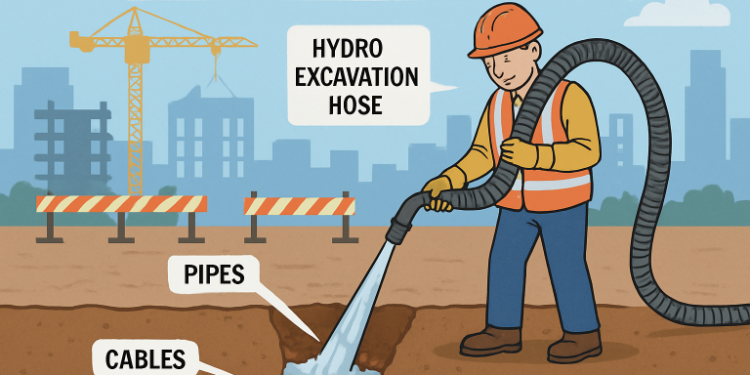
Table of Contents
Introduction
Modern construction projects constantly evolve, demanding safer and more efficient excavation methods. Hydro excavation has rapidly gained traction as a leading non-destructive digging solution. This technique offers construction professionals unprecedented precision by utilizing high-pressure water and robust vacuum systems, especially in complex, utility-dense environments.
The benefits of hydro excavation go beyond project management efficiency. Its ability to safeguard people and assets makes it essential for urban developments, infrastructure overhauls, and municipal upgrades. As interest and investment grow in technologies that minimize underground utility strikes, hydro excavation is increasingly preferred for forward-thinking contractors.
Urban growth continues to pressure existing utility networks, increasing the likelihood and cost of accidental damage. Incorporating hydro excavation services, such as hydro excavation Western NC, directly addresses these issues, allowing professionals to achieve accurate results while preserving community infrastructure. This ultimately leads to fewer project delays, less costly repairs, and safer work environments for utility crews.
Sustainable building practices now play a pivotal role in construction project planning. As cities invest in greener, more efficient methods of infrastructure improvement, hydro excavation’s ecological advantages have become increasingly desirable. Its precision significantly reduces unnecessary ground disturbance, translating into preserved natural habitats and lower volumes of displaced material. According to BBC News, such environmentally conscious practices are now a fundamental component of responsible urban development.
In addition to environmental benefits, another crucial advantage of hydro excavation is its capacity for utility strike prevention. Avoiding costly and potentially dangerous accidental strikes protects utility assets and prevents major safety incidents and project delays, ensuring long-term savings and community trust.
Enhancing Safety and Precision in Urban Projects
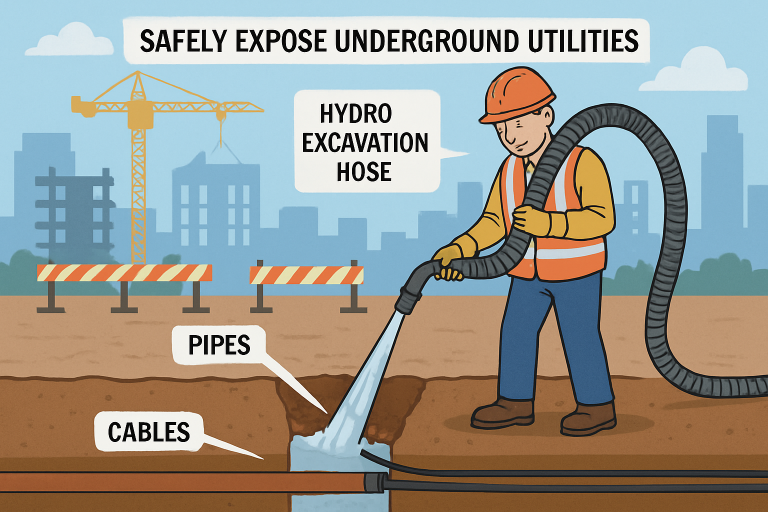
City landscapes are labyrinths of essential utilities—water lines, power cables, gas mains, and fiber optics—all lying just below the surface. Hydro excavation is the safest way to excavate around these congested underground networks. The process’s pinpoint accuracy makes it less likely to disrupt utility service or create hazards for work crews. Moreover, with less soil agitation and debris, surrounding infrastructure such as sidewalks and roadways remains intact, reducing the costs and complexities of post-excavation site restoration. According to Hexagon Geosystems, utility strikes are among the top sources of delays and safety incidents in urban projects, highlighting the need for such innovative methods.
Environmental Benefits and Sustainability
The environmental impacts of traditional excavation—heavy machinery, fuel consumption, and soil disruption—are minimized by hydro excavation. Operations are more localized and controlled, which means fewer emissions and less contamination of surrounding areas. For projects with high environmental sensitivity, such as those near water sources or protected ecosystems, hydro excavation offers a proven pathway to regulatory compliance and responsible stewardship of local habitats.
Technological Advancements Driving Efficiency
State-of-the-art hydro excavation units now have advanced features such as real-time GPS mapping, wireless monitoring, and digital pressure controls. These technologies enable teams to accurately document underground utility locations, mitigating the risk of strikes. High-powered, adjustable vacuum systems also improve modern machines’ speed and depth capabilities, enabling contractors to tailor their approach to various job site needs. This ongoing technological evolution translates into greater versatility, faster completion rates, and consistently high-quality results on every job.
Expanding Applications Across Industries
While hydro excavation’s roots are in utility locating and potholing, its practical uses have grown substantially. It’s now common in telecommunications, energy, and even agriculture for pole installation, daylighting utility crossings, and digging irrigation trenches. This expansion stems from the technique’s adaptability: with precision digging and minimal disruption, hydro excavation is uniquely suited for projects where asset protection is paramount. Businesses in both public and private sectors can benefit from this modern solution as they tackle everything from emergency repairs to scheduled upgrades.
Cost Efficiency and Project Timelines
Hydro excavation streamlines site cleanup and restoration, eliminating many expenses associated with accidental damage or traditional earth-moving methods. Swift, damage-free excavation means faster site turnover and lower liability costs. These efficiencies are invaluable for developers and municipal planners under pressure to meet strict deadlines and budgets. According to ForConstructionPros, companies that invest in hydro excavation often see measurable ROI within their first few projects, thanks to minimized delays and restoration requirements.
Training and Workforce Development
The growing demand for hydro excavation is prompting companies to prioritize upskilling their workforce. Specialized operator training ensures personnel are proficient in the latest technologies, safety protocols, and equipment handling. With comprehensive educational programs, teams are more productive and better equipped to manage complex, high-stakes projects with confidence. This investment in workforce development is transformative for the industry, raising the bar for safety and skill.
Future Outlook
The future of hydro excavation is characterized by continuous ingenuity and broader adoption. As cities modernize and infrastructure projects multiply, demand for safer, more sustainable excavation strategies will only intensify. Embracing hydro excavation aligns with industry-wide commitments to innovation and environmental responsibility, positioning it as a vital tool in meeting the challenges of 21st-century construction.