

Innovations in Laboratory Diagnostics: Transforming the Way We Understand Health
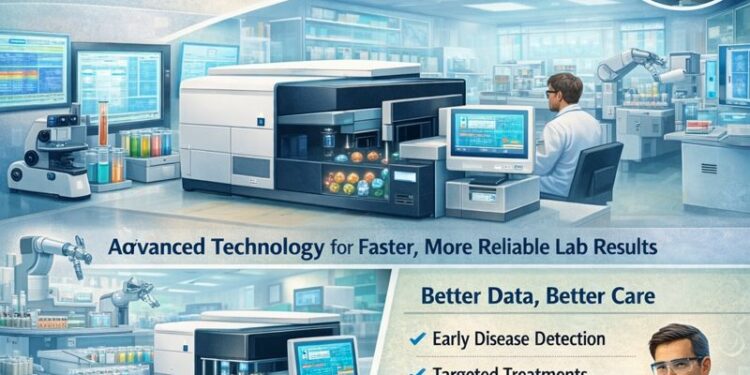
Ever think about how much goes on behind the scenes in a lab? You go for a test, and somewhere, people and machines are working together to figure out what’s happening in your body. It’s kind of amazing when you think about it. One of the tools quietly changing the game is the cell sorter. It separates cells so labs can study them more closely. And that tiny separation? It can make a huge difference in how quickly and accurately your results come back.
Table of Contents
The Shift from Old School to Modern Lab Techniques
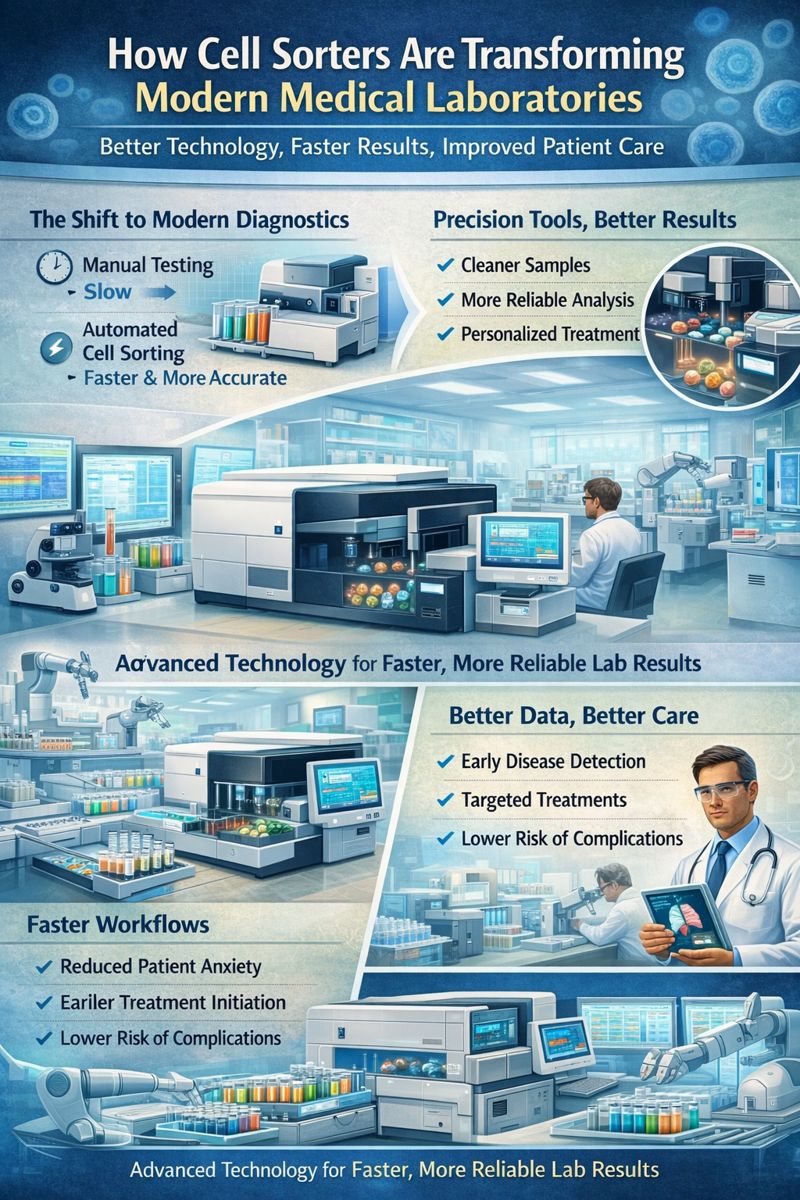
Labs haven’t always been fast. For years, they relied on microscopes, manual testing, and basic chemical checks. It worked. Mostly. But mistakes happened. Delays were common. Results could take days. Sometimes weeks.
Now, everything’s shifting. Technology is stepping in. Machines handle repetitive tasks. They do it faster. Errors drop. And technicians can focus on what really matters—analyzing your samples. The labs of today are smarter. They’re quieter, but their impact is huge.
Precision Tools That Actually Make a Difference
Labs today aren’t just faster. They’re smarter. Automated analyzers, molecular tests, and imaging tech all give better insight. But the real game-changer? Tools that let labs work at the cellular level. That’s where cell sorters come in. They carefully separate the cells that matter, so technicians can study them closely without damaging them.
It’s not just about moving cells around. It’s about keeping them alive, intact, and accurate for analysis. That means tests are more reliable. Doctors can see subtle differences that were nearly invisible before.
And think about it—every patient is unique. What appears in one person’s cells may not show up in another’s, making diagnosis harder to pinpoint and assess accurately. Cell sorters allow labs to dive deep and examine individual cells more precisely – helping doctors quickly detect issues early, select treatments tailored directly for you, and monitor progress more effectively.
Additionally, these tools have become easier to use over time. Labs don’t need specialized technicians for everything. The technology itself handles a lot of the tricky work, while humans make sense of the results. This combination of smart machines and expert oversight is what makes modern diagnostics so powerful.
Faster Workflows, Less Waiting Around
Nobody likes waiting. Especially when it comes to health. Modern labs get that. That’s why they’re streamlining workflows like never before. Automation handles repetitive tasks. Machines mix samples, separate cells, and even run initial tests. Humans focus on interpretation and critical decisions. Less room for mistakes. Faster turnaround.
The beauty of these workflows is how interconnected everything is. Separating cells, analyzing samples, and generating data once felt slow. Now, labs can move seamlessly from raw material to actionable insights. Cell sorters play a huge role here. They ensure the right cells get to the right tests at the right time. Without them, much of this efficiency would be impossible.
And it’s not just about speed. Faster results reduce anxiety. They allow doctors to start treatment sooner. They can prevent complications before they even happen. You might not see it, but these streamlined processes are changing the patient experience for the better. Labs are becoming more like precision machines, quietly making sure that your care is accurate, timely, and effective.
It also means that resources in labs are used better. Technicians can spend more time analyzing complex data rather than repeating basic tasks. Machines handle the tedious work. Everyone benefits—patients, doctors, and lab teams alike.
Better Care, Better Outcomes
All these tools? They’re not just for show. They actually impact your care. Faster, more accurate lab results mean better decisions. Early detection. Targeted treatments. Easier monitoring.
Looking at specific cells can reveal problems before symptoms even show. And yes, cell sorters play a quiet but important role. They make sure labs are working with the right cells. The info they provide helps doctors act fast. And that can really change outcomes.
Conclusion
Tech is moving fast. What’s new today might be normal tomorrow. But one thing’s clear: labs are becoming more precise, efficient, and patient-focused. And that matters for you. We can imagine a future where almost everything is automated. Even the tricky parts, like separating and analyzing cells. And as labs evolve, the impact is simple: faster results, smarter care, and better chances of catching problems early. It’s kind of exciting when you think about it.