

How Voice AI Is Transforming Restaurant Operations
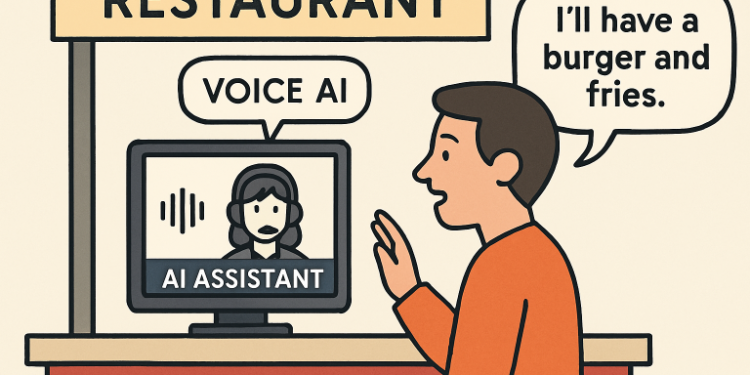
In the rapidly evolving landscape of dining and hospitality, restaurants are under more pressure than ever to deliver flawless efficiency and unforgettable customer experiences. As expectations rise, technology steps in—specifically, Voice AI. Already, solutions like SoundHound’s AI ordering system are driving a wave of transformation, enabling restaurants to reimagine every facet of their operations.
From reducing errors and saving costs to boosting employee morale and customer loyalty, Voice AI technology is emerging as one of the most impactful innovations in the restaurant sector. With automation quickly becoming a competitive necessity, embracing Voice AI isn’t just a tech upgrade—it’s a direct path to sustainability and growth in today’s market.
Table of Contents
Enhancing Order Accuracy
Miscommunication and human error have long plagued the order process in restaurants, leading to incorrect dishes, returned plates, and dissatisfied guests. Voice AI addresses this by utilizing natural language processing to capture orders and confirm them accurately before submission. Recent research shows that automated voice solutions reduce human error to under 2%, slashing the frequency of order mistakes compared to traditional methods, where error rates can reach 10–15%.
This leap in accuracy not only wins customer loyalty but also significantly reduces food waste and operational overhead. By minimizing corrections and remakes, restaurants can consistently meet guest expectations while maintaining a healthy bottom line.
Reducing Missed Calls
One of the invisible leaks in restaurant revenue can be as simple as a missed phone call. Every unanswered call is a missed opportunity to connect with a customer. The adoption of Voice AI-powered phone systems translates to an impressive 87% drop in missed calls. These systems autonomously manage incoming orders, answer frequently asked questions, and even handle multiple queries concurrently—ensuring no customer is left waiting and no order goes unheard.
Restaurants utilizing these smart systems have unlocked higher order volumes, especially during peak hours, capturing sales that might have previously slipped away—proving that Voice AI isn’t just modern, but essential for maximizing every service window.
Improving Drive-Thru Efficiency
Drive-thru business is pivotal for quick-service restaurants, with order speed and accuracy directly impacting customer satisfaction and repeat business. Leading brands like Taco Bell have rolled out automated voice ordering at hundreds of locations, drastically reducing wait times and streamlining kitchen workflows. Voice AI systems take orders swiftly and seamlessly, coordinating communications between guests, kitchen staff, and payment portals.
This efficiency not only boosts throughput but also allows human staff to focus on delivering a welcoming, personal touch—where it’s needed most on the frontlines.
Streamlining Inventory Management
Effective inventory control is a constant balancing act for restaurants, aiming to reduce excess while avoiding shortages. Voice AI has the remarkable ability to integrate with digital inventory systems, providing real-time updates and generating predictive insights based on trends and historical data. Integrating with point-of-sale and back-office software, these systems help reduce food waste by up to 50% and can save mid-size restaurants thousands of dollars per month.
Staff can update stock counts simply by speaking, while managers receive automatic alerts for low inventory, erratic consumption patterns, or potential bottlenecks—transforming inventory management from reactive to proactive.
Personalizing Customer Experiences
Today’s diners expect more than just a meal—they anticipate a tailored experience. Voice AI delivers personalization by recognizing returning customers, remembering preferences, and offering context-relevant upsells or menu suggestions based on purchase history or dietary needs. This kind of targeted engagement not only delights guests but also drives higher ticket values and long-term loyalty. These capabilities, powered by machine learning, create a customized environment that adapts in real time—making every visit feel uniquely personal, whether in the dining room, drive-thru, or curbside. By analyzing patterns in customer behavior, restaurants can anticipate needs before they are voiced, enhancing convenience and satisfaction. Personalized interactions also strengthen emotional connections between diners and the brand. Over time, these experiences can turn occasional visitors into devoted regulars, fostering both loyalty and positive word-of-mouth.
Addressing Labor Shortages
Labor shortages persist, continuing to challenge the industry and putting pressure on staff, ultimately affecting service quality. Voice AI helps bridge the gap by taking over routine tasks—like order intake, answering basic questions, or processing reservations—freeing employees to focus on guest interactions and high-value tasks. This shift not only enhances the guest experience but also reduces burnout and increases employee satisfaction by lightening the load during peak periods.
By efficiently augmenting the team, Voice AI empowers restaurants to maintain consistent service levels even when staffing isn’t at full strength.
Future Trends in Voice AI
The integration of Voice AI in restaurants is just beginning. As the technology evolves, restaurants can expect its role to expand—spanning capabilities like multilingual ordering, advanced voice biometrics for security and personalization, and connections with augmented reality for interactive menu experiences. Future deployments will also leverage cutting-edge analytics for deep, real-time insights into customer behavior, preferences, and operational patterns.
Staying on top of these emerging trends will be key for restaurants aiming to differentiate themselves in an increasingly tech-savvy landscape.
Conclusion
Voice AI is fundamentally reshaping restaurant operations by driving unprecedented improvements in accuracy, efficiency, and personalization. From solving operational challenges to delighting customers at every touchpoint, this technology is a cornerstone of modern hospitality. Restaurant leaders who embrace Voice AI are positioning their businesses to thrive—streamlining costs, boosting guest satisfaction, and maintaining a vital edge in a highly competitive marketplace.