

How to Choose the Right Materials for Your Construction Project
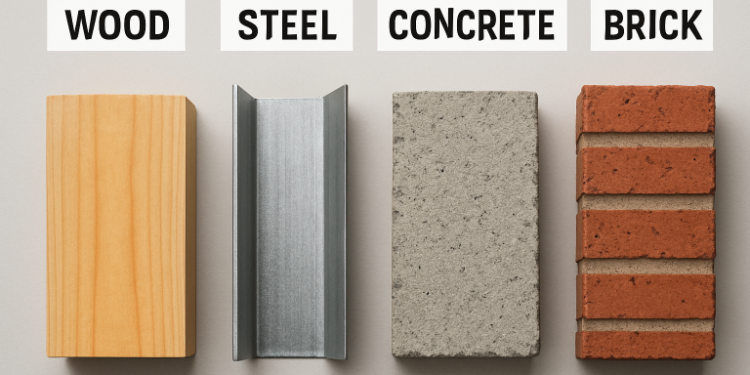
Table of Contents
Understanding Project Requirements
Choosing the right construction materials starts with a clear understanding of your project’s objectives. Determining the expected load, setting the build, and final design vision helps establish which types of materials may be most suitable. Examining the Michael Marini Construction approach to project planning can offer insights into ensuring durability and design excellence from the outset.
Factors to consider in this phase include climate exposure, intended use, local environmental regulations, and the desired appearance of the finished structure. For example, building a residential property in a humid climate will require moisture-resistant materials, while a commercial industrial facility might demand robust load-bearing capabilities.
Assessing Structural and Mechanical Performance
Structural integrity is the backbone of any construction project. Materials should be evaluated based on load-bearing capacity, tensile strength, and elasticity. These characteristics determine how well each material will perform under pressure, support the structure’s weight, and withstand environmental stresses such as wind, seismic activity, and temperature fluctuations.
To make informed decisions, consult technical specifications for popular options such as steel, reinforced concrete, or engineered timber. Understanding these metrics can help prevent costly structural failures and ensure the safety of building occupants.
Considering Environmental Impact
Today’s builders face growing demand for sustainable practices. Opting for materials with low embodied energy, such as reclaimed wood, recycled steel, or bamboo, can significantly reduce your project’s carbon footprint. Additionally, locally sourced options lower transportation emissions and support local economies.
Organizations like the U.S. Green Building Council provide valuable information on eco-friendly material criteria and certifications to help guide selection toward environmental stewardship.
Balancing Cost and Quality
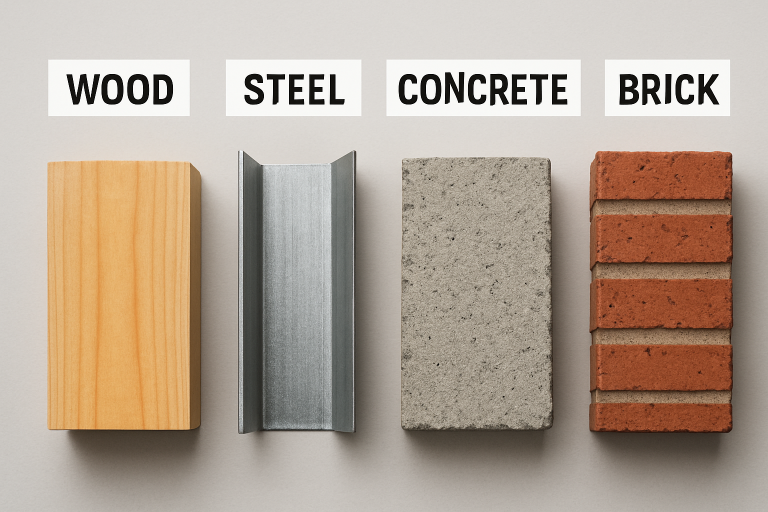
While initial costs can dominate decision-making, the cheapest is seldom best in construction. Lower-cost options often come with hidden expenses, such as higher maintenance or replacement frequencies. Strive for a balance between upfront expenditure and long-term value—an approach that often leads to materials offering durability, energy efficiency, or protective treatments.
For example, advanced treated wood or precast concrete panels may initially cost more. Still, they can save significant time and money over the project’s lifespan due to reduced repairs or enhanced energy performance.
Evaluating Aesthetic Appeal
Material choice plays a defining role in a project’s visual impact. Natural stone and exposed timber beams, for instance, provide warmth or elegance that manufactured materials may lack. For modern buildings, glass, composite panels, or weathered metals often contribute contemporary flair and transparency.
Harmonizing material aesthetics with architectural intent ensures a cohesive design that stands the test of time. Involving stakeholders and reviewing samples in the actual lighting conditions of your site can make all the difference in overall satisfaction.
Ensuring Compliance with Building Codes
Navigating the complex landscape of building codes is a crucial step in selecting materials. Every jurisdiction sets specific minimum standards related to fire resistance, structural strength, insulation values, and overall safety. Non-compliance not only delays construction but also exposes the project to legal and financial risks.
Partnering with licensed professionals is crucial for accurately documenting material choices and obtaining the necessary permits. Their guidance can prevent issues with inspections and guarantee that your completed structure meets or exceeds all legal requirements.
Prioritizing Maintenance and Durability
Considering the long-term performance of materials is crucial for both residential and commercial projects. Low-maintenance options, such as fiber-cement siding or galvanized steel, reduce the need for regular repairs and can withstand harsh weather for decades. By contrast, natural wood may offer timeless beauty, but it often requires treatments and ongoing maintenance.
Factoring in lifecycle costs, including cleaning, refinishing, or potential replacement, helps inform a realistic budget and reduces future headaches for property owners.
Consulting with Experts
No matter how much research you conduct, the expertise of architects, structural engineers, and qualified contractors is irreplaceable. These professionals utilize their expertise to align your design ideas, budget realities, and code requirements with the optimal material solutions for your project.
Early involvement of experts expedites planning and helps uncover creative alternatives or savings. Whether you’re renovating a small home or managing a large-scale commercial build, their insight is often the key to achieving both beauty and function.
Final Thoughts
Selecting the right materials is a nuanced process that significantly impacts project performance, sustainability, and long-term satisfaction. Factoring in all functional, economic, environmental, and aesthetic criteria—and seeking expert advice—ensures your construction will stand strong for years to come.