

How to Choose the Right Gaming Rig Based on Your Playstyle
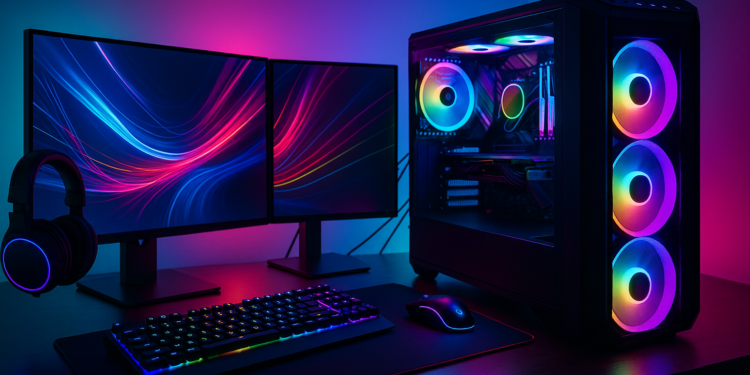
Finding the perfect gaming rig is crucial for an enjoyable and seamless gaming experience. Whether you’re a newcomer to PC gaming or looking to upgrade your current setup, selecting the right system means aligning your choices with your unique style of play and personal gaming ambitions. From high-octane shooters demanding lightning-fast reflexes to relaxing and cerebral strategy games, understanding what suits you best is the essential first step in your gaming journey. Fortunately, with options like prebuilt gaming PCs more accessible, customizable, and affordable than ever before, the path to your ideal setup is much clearer—once you know which features and hardware configurations to prioritize to maximize your gaming enjoyment.
Your gaming preferences, current and future performance needs, and even your plans to stream or create content all play a vital role in determining the best rig for you. Understanding which components deliver smooth frame rates or the most immersive visuals for different genres helps maximize both your investment and your day-to-day fun. In this guide, we’ll explore how to navigate the complex world of gaming hardware and zero in on a system tailored specifically for your needs and dreams, so you never miss a beat—no matter what or how you play.
Table of Contents
Understanding Your Gaming Preferences
Before you invest your hard-earned money, take a step back and identify what you truly enjoy in your gaming sessions. Are you drawn to the adrenaline rush and competitive energy of first-person shooters, where split-second reactions reign supreme and hardware can give you the edge? Or are you someone who can spend hours immersed in open-world RPGs, savoring a rich narrative, character growth, and breathtaking exploration? Maybe you thrive in the high-stakes world of competitive esports, where every frame and millisecond matters, or find joy in relaxing strategy or indie puzzle games that are more about thought and creativity than action. Each genre comes with its own unique system demands, whether it’s ultra-high frame rates for shooters or stunning visuals and immersive audio for story-rich adventures. Your setup should reflect your playing habits and gaming priorities.
Additionally, consider whether you play mostly for fun with friends and family or whether you aspire to climb competitive leaderboards. Casual and competitive gamers have very different priorities: competitive gamers tend to prioritize high frame rates and ultra-responsive monitors to gain every advantage. At the same time, those who love story-driven play might focus on a more cinematic experience with outstanding visuals and enveloping soundscapes. Think about how much multitasking you do, such as streaming, recording, or running mods, as these impact the hardware you should select.
If you’re unsure about how different genres and playstyles interact with various hardware levels, major gaming publications such as PC Gamer’s beginner guides are valuable resources. They offer in-depth breakdowns of component choices and recommendations for all experience levels and budgets, making it easier to approach your decision with confidence.
Key Components to Consider
The heart of every gaming rig lies in its core components, and making informed choices here is essential for both longevity and peak performance. Here’s what to focus on when comparing systems:
- Processor (CPU): Acts as the system’s brain, handling calculations, AI, and background tasks. For mainstream gamers, an AMD Ryzen 5 or an Intel Core i5 is typically sufficient, offering excellent gaming performance at a reasonable price. Power users, serious streamers, or gamers who want to future-proof should look toward higher-end CPUs with additional cores and threads, like the Ryzen 7 or Intel Core i7/i9 series.
- Graphics Card (GPU): Vital for smooth, realistic visuals and critical in rendering 3D environments and effects. Entry-level models can handle most esports and single-player 1080p titles, but for higher resolutions (1440p, 4K) or VR, a more advanced card is a must. Choosing the right GPU ensures your games look and run their best.
- Memory (RAM): 16GB is the sweet spot for most gamers, enabling smooth multitasking, fast game loading, and lag-free experiences. Heavy multitaskers, modders, or creative professionals who also use their PC for editing might benefit from 32GB or more, but for gaming alone, 16GB is generally enough.
- Storage: SSDs offer blazing-fast speeds that dramatically reduce boot times and game loading screens, making them ideal for your operating system and frequently played titles. Still, games and media can take up space quickly, so consider combining a smaller SSD for speed with a high-capacity HDD for comprehensive storage at a lower cost per gigabyte.
Matching Hardware to Playstyle
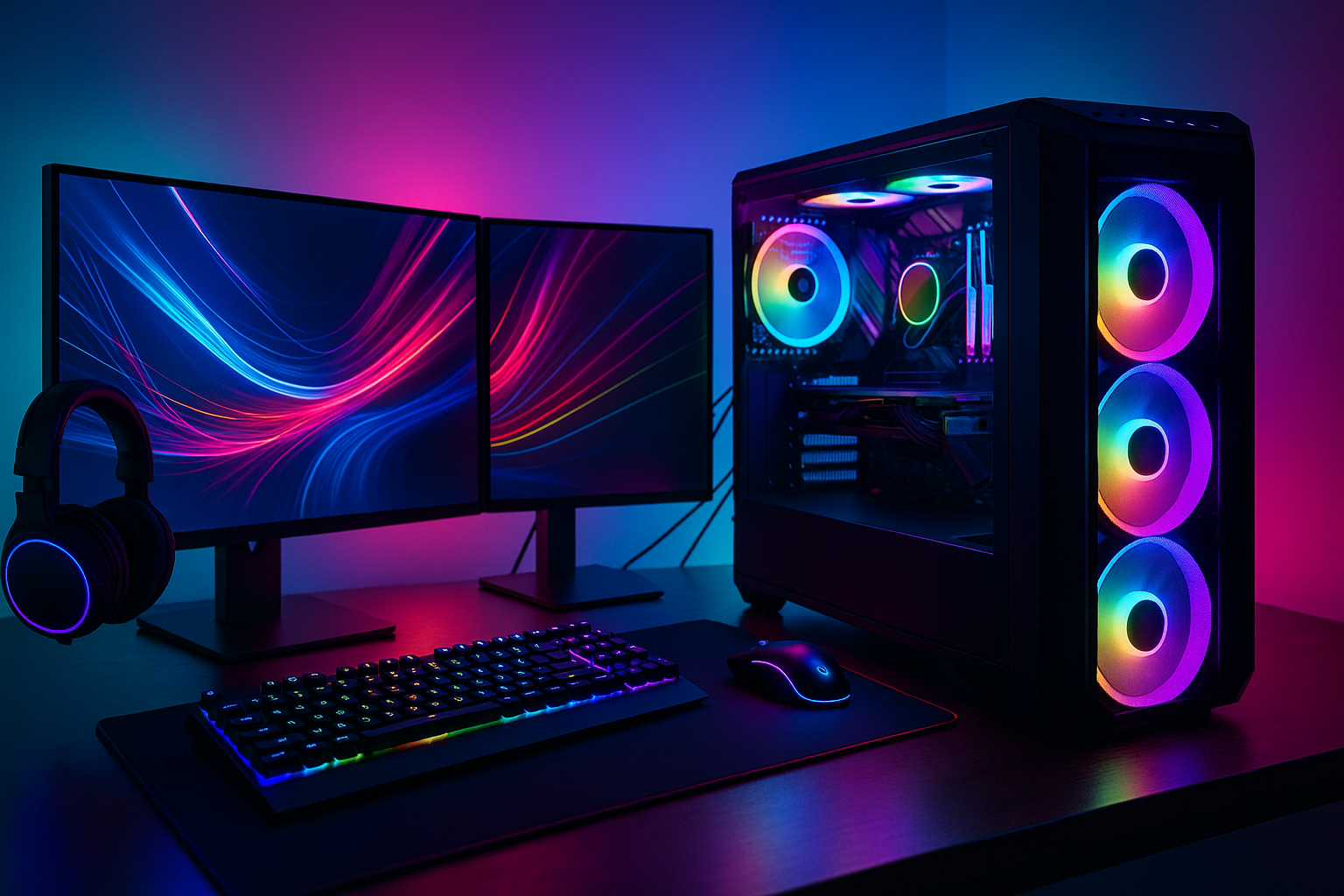
Your playstyle not only influences your gaming enjoyment—it dictates exactly which hardware configuration will make your experience smoother, richer, and more competitive:
- Casual Gamers: A balanced rig with a mid-range CPU and GPU provides ample power for most games at 1080p, keeping costs reasonable while offering room for light multitasking and some visual flair.
- Competitive Gamers: Choose a powerful GPU, a fast processor, and a high-refresh-rate monitor (120 Hz or higher) for the ultimate edge in responsiveness. These features give players the hardware-based advantages needed in fast-paced or reaction-based competitive titles.
- Immersive RPG or Open-World Fans: Opt for a potent graphics card, plenty of RAM, and the highest quality display you can afford to fully appreciate the detailed virtual worlds, lifelike environments, and sweeping vistas that are hallmarks of this genre.
Trusted portals like Tom’s Hardware keep component reviews and benchmarks up to date, helping you compare models and make an informed purchase when matching hardware to your playstyle and favorite genres.
Future-Proofing Your System
The rapid pace of technological change can make even the best rig feel outdated after just a few years, but smart choices made today will extend your system’s relevance and save you money in the long run. Look for a motherboard with extra RAM slots and M.2 storage options, a quality power supply with headroom for future upgrades, and a PC case that leaves space for larger or additional graphics cards and improved cooling solutions. These features make adding new components—like a higher-end GPU or extra memory—quick and straightforward, protecting your investment as new games place bigger demands on your hardware.
Budget Considerations
Budgeting is equally critical when building or buying your gaming rig. While it can be tempting to spend top dollar chasing the newest technology, a sensibly specced mid-range system almost always delivers the best value for most users. Decide early where you want to invest most: visuals (GPU), overall system speed (CPU/SSD), or reliability and longevity (motherboard, power supply). Also, allow yourself a little flexibility for quality-of-life upgrades, such as a quieter cooling system, advanced wireless connectivity, or even stylish RGB lighting—if those features matter to you and enhance your experience.
Prebuilt vs. Custom Builds
Once you have a clear idea of your needs and spending limit, you’ll need to decide whether a prebuilt or a custom-built system best fits your situation. Prebuilt PCs save time and offer convenience, coming with support, warranties, and thoroughly tested compatibility. They’re an excellent choice for gamers who want a reliable start with minimal hassle. On the other hand, custom builds give you complete control over every component, allowing for tailored power and aesthetics, but they require more research, patience, and hands-on effort. Both options have their merits, and the right choice depends on your comfort level, technical skill, and desire for customization versus ease.
Final Thoughts
The path to your next gaming rig starts with honest self-assessment, careful research, and thorough planning. Reflect on your playstyle, clarify your must-have specs, consider longevity and futureproofing, and always balance raw performance with your budget and intended use. With a thoughtful approach—whether you opt for the simplicity and support of a prebuilt system or the granularity and control of a DIY rig—your investment will pay off in countless hours of enjoyable, unforgettable gaming experiences ahead. With technology ever evolving, your journey as a gamer should be powered by choices tailored just for you.