
How Preventive Dental Care Can Save Your Smile
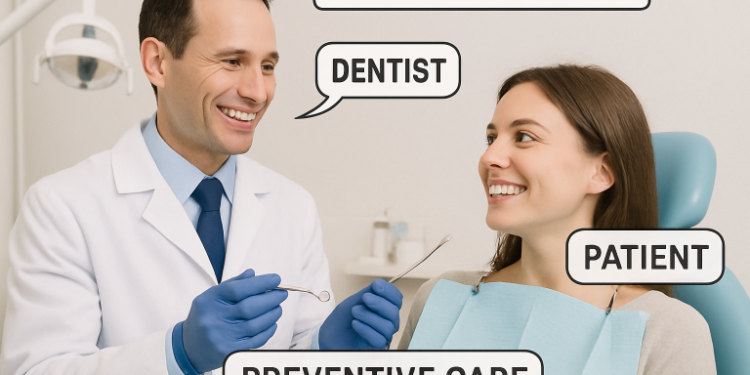
Maintaining a healthy smile goes far beyond daily brushing and flossing. Preventive dental care plays a crucial role in avoiding common oral health issues such as cavities, gum disease, and tooth loss. Regular check-ups allow dental professionals to catch problems early, preventing small concerns from developing into more serious conditions that can affect overall health. By prioritizing preventive measures, individuals can preserve their natural teeth, maintain proper function, and enjoy the confidence that comes with a healthy smile.
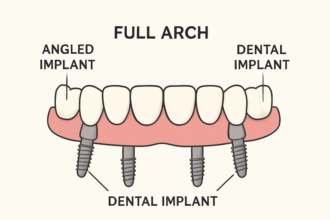
In some cases, despite the best preventive efforts, teeth may still be lost due to injury, decay, or other complications. Procedures like dental implants in Louisville, KY, provide a reliable solution for restoring missing teeth, helping patients regain both function and appearance. Understanding the importance of preventive care and available restorative options emphasizes the value of proactive oral health management.
Table of Contents
Importance of Regular Dental Check-Ups
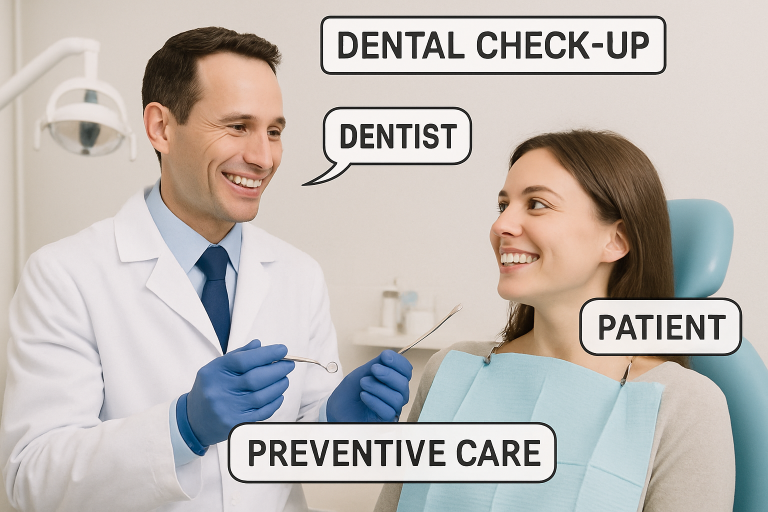
Routine dental visits are crucial for early detection of dental problems. Dentists can identify symptoms of cavities, gingivitis, enamel erosion, and even early signs of oral cancer. Identifying these concerns before they progress ensures that treatments are less invasive and far more affordable than solutions for advanced dental diseases. Having your teeth and gums professionally examined every six months is the gold standard in preventive care.
Cost Savings Through Preventive Care
One of the most tangible benefits of preventive dentistry is financial savings. Early treatments, such as a basic filling for a small cavity, are substantially less expensive than complex procedures like root canals, crowns, or tooth extraction followed by tooth replacement. Many dental insurances also prioritize preventive visits, often fully covering check-ups and cleanings to incentivize patients to stay ahead of oral health problems.
For those who delay routine care, the risk of needing extensive dental work rises dramatically. Taking simple steps now not only preserves your teeth but also minimizes unexpected bills. Investing in preventive maintenance is wise for both your health and your finances.
Oral Hygiene Practices at Home
Daily habits significantly impact your oral health. Brushing your teeth twice per day using fluoride toothpaste is essential for removing food particles and biofilm that contribute to decay. Flossing once a day further prevents buildup between teeth that brushing misses. Many professionals now recommend electric toothbrushes for their superior plaque removal, particularly for individuals prone to gum inflammation or wearing dental appliances.
Incorporating an antimicrobial mouthwash and replacing your toothbrush every three months are other small practices that can yield big results for oral health. Protecting your teeth at home goes hand in hand with your dentist’s care to keep your smile intact for years to come.
Diet and Oral Health
What you eat plays an undeniable role in your oral health. Diets high in calcium, vitamin D, and phosphorus help strengthen teeth and jawbones. Dairy, leafy greens, nuts, and crunchy vegetables are all beneficial choices. Fibrous foods like carrots and apples stimulate saliva production, which naturally helps cleanse your mouth and neutralize acids produced by bacteria.
Equally important is limiting foods and drinks high in sugar and acidity, which can accelerate tooth decay and erode protective enamel. Soft drinks, candy, and frequent snacking should be minimized, while drinking water throughout the day supports a healthier oral environment.
Protective Measures for Teeth
Several preventive tools and treatments offer added defense against decay and injury. Dental sealants, which coat the chewing surfaces of back teeth, are especially helpful for children and teens. They can reduce the risk of molar cavities by up to 80 percent. Fluoride varnishes or supplements provide additional reinforcement for enamel strength at any age. For athletes or those who grind their teeth at night, custom mouthguards can prevent both traumatic injury and long-term wear.
Investing in these preventive measures helps maintain healthy teeth while also supporting the efficacy of your daily habits and professional care.
Preventing Gum Disease
Gum disease (periodontal disease) stands as one of the leading causes of tooth loss among adults. Initial stages, such as gingivitis, are reversible when detected early and managed through regular cleanings and proper home care. As gum disease progresses, it often requires more complex and expensive treatments, such as deep cleaning (scaling and root planing), periodontal surgery, or even dental implants.
Taking care of your gums is just as important as your teeth. Staying ahead of gum disease ensures your smile remains complete and functional for years to come.
Oral Health and Overall Well-Being
Beyond your mouth, preventive dental care is a vital component of whole-body health. Research continues to confirm connections between poor oral hygiene and systemic diseases, such as heart disease, respiratory infections, and diabetes. Oral infections can introduce bacteria into the bloodstream, increasing risk for complications in other parts of the body. By keeping your mouth healthy, you lower your risk for these serious health challenges and promote overall wellness throughout your life.
Conclusion
Embracing preventive dental care is more than a healthcare routine; it is a long-term investment in your health, confidence, and finances. From professional check-ups and cleanings to personalized home routines and thoughtful dietary choices, every step you take helps secure the future of your smile. Make preventive care a priority and enjoy the lifelong benefits of a healthy, radiant smile.