

How to Prevent Mold and Keep Your Home Healthy

Mold is a common issue that can threaten the comfort and safety of any home, as well as the well-being of those living there. Addressing potential mold sources before they become problematic is essential for maintaining your space’s air quality and structural integrity. If left unchecked, mold can spread quickly, causing health problems and expensive repairs. Protecting your home begins with understanding how mold forms and implementing strong prevention measures. For those in Ottawa, you can access fast solutions from expert mold remediation Ottawa to deal with severe mold infestations or for a preventative consultation.
Mold is particularly hazardous for young children, the elderly, and anyone with respiratory conditions such as asthma. Furthermore, mold can go unnoticed, hiding in walls, ceilings, and other damp areas of your home. Effective mold prevention means taking a proactive approach and regularly maintaining your home to minimize humidity and improve ventilation. Learning to recognize and treat mold quickly will prevent prolonged exposure and help maintain a healthier home environment.
Most importantly, early intervention is key. From managing leaks to monitoring indoor air quality, there are several simple steps you can incorporate into your daily or weekly routines that drastically reduce the risk of mold. By doing so, you not only protect your property but also safeguard your family’s health against the dangers of mold spores. According to the Environmental Protection Agency, controlling moisture inside the home is the most critical aspect of mold prevention; by addressing sources of dampness, you greatly limit mold’s ability to grow and spread.
Table of Contents
Understanding Mold and Its Health Impacts
Mold is a fungus found both indoors and outdoors, but it thrives especially in damp, poorly ventilated spaces. When mold grows indoors, its microscopic spores can easily become airborne and be inhaled. According to WebMD, exposure to mold can trigger nasal congestion, sneezing, skin irritation, coughing, and, in some cases, more severe health complications like asthma attacks or chronic respiratory issues. Children, seniors, and those with allergies or compromised immune systems are particularly vulnerable.
Maintaining Optimal Humidity Levels
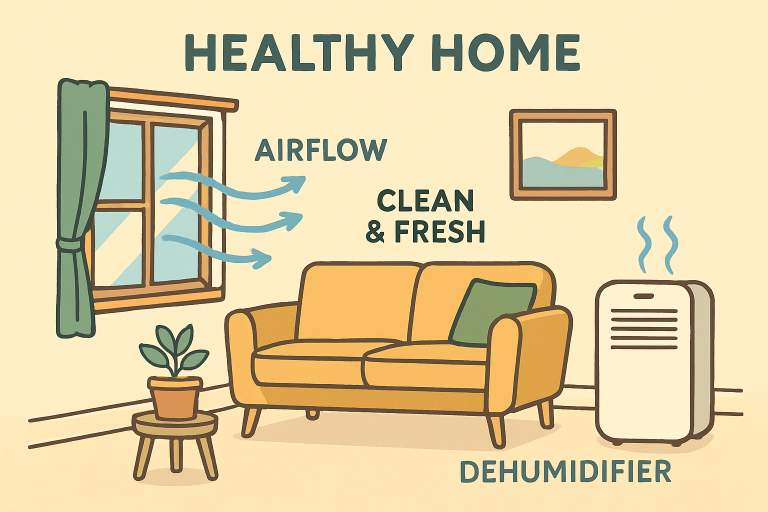
The cornerstone of mold prevention is moisture control. Keeping your home’s humidity below 50% at all times dramatically curbs mold formation. Dehumidifiers, especially in basements and bathrooms, are excellent investments for high-humidity zones. Air conditioning helps regulate temperature and moisture. Don’t forget to use a hygrometer to monitor indoor humidity and adjust settings as needed—it’s a simple, effective tool to stay ahead of potential issues. Regularly check your home after heavy rain or snowfall, when dampness is more likely.
- Install dehumidifiers in moisture-prone rooms.
- Operate air conditioners during humid periods.
- Check humidity routinely with a hygrometer.
Ensuring Proper Ventilation
Adequate ventilation allows air to circulate, reducing the risk of condensation and mold growth. Use exhaust fans when cooking, showering, or running dishwashers to channel moist air outside, and make sure your dryer vents outdoors rather than into basements or crawl spaces. Opening windows during mild weather can naturally refresh indoor air, creating a healthier environment. Good airflow helps keep your home dry and inhospitable to mold spores. For more guidance on improving indoor ventilation, the CDC offers practical tips for keeping your home air safer and healthier.
- Install and use exhaust fans in bathrooms and kitchens.
- Make sure clothes dryers are properly vented outside.
- Allow fresh air circulation whenever the weather permits.
Addressing Leaks and Water Damage Promptly
Leaking pipes, roofs, and windows are among the top culprits for mold outbreaks in homes. Immediate action is crucial—mold can start growing within 24–48 hours of water exposure. Regularly inspect bathrooms, kitchens, attics, basements, and crawlspaces for damp spots or signs of leaks. Fix drips and seal compromised areas quickly. Dry all affected surfaces thoroughly; replace damaged materials if they cannot be salvaged. Clear gutters and downspouts often to prevent water from pooling near your home’s foundation.
- Inspect and repair leaks in all water-prone areas.
- Dry and clean water-damaged items within 48 hours.
- Ensure proper drainage away from your house exterior.
Regular Cleaning and Maintenance
Thorough and regular cleaning is your best defense against unnoticed mold growth. Focus on rooms with frequent moisture—clean bathroom tiles and surfaces with mold-inhibiting products. Wash or replace shower curtains, and never ignore soaked carpets or upholstery that can’t be dried fast. Seasonal deep cleans keep corners and hidden spots mold-free and prolong the lifespan of your furnishings.
- Use mold-resistant cleansers on affected surfaces.
- Routinely launder bathroom textiles and mats.
- Remove and replace unsalvageable damaged fabrics.
Using Mold-Resistant Products
Especially during renovations or repairs, opt for materials that resist mold growth. Add mold inhibitors to all paints. Consider installing mold-resistant drywall and insulation in basements, bathrooms, laundry rooms, and kitchens—these are engineered to endure humidity. Choose tile or vinyl flooring over carpet in high-moisture locations; these surfaces are less likely to absorb and retain water, making maintenance easier and more effective.
- Add mold inhibitors to interior and exterior paints.
- Use specially designed mold-resistant drywall and insulation.
- Install hard flooring in moisture-prone zones.
Monitoring Indoor Air Quality
Keeping your home’s air clean not only benefits overall health but also acts as an early warning system for mold. Air purifiers equipped with HEPA filters capture mold spores effectively, reducing exposure even when mold is present. Schedule regular HVAC inspections to prevent mold from accumulating in ducts and vents. Installing carbon monoxide detectors complements ventilation efforts by ensuring air movement systems are functioning safely and properly.
- Use HEPA air purifiers to reduce allergens.
- Maintain HVAC systems and change filters as recommended.
- Install air quality monitors for proactive alerts.
When to Seek Professional Help
If you discover a large mold infestation (more than 10 square feet) or musty odors persist even after cleaning, call mold remediation professionals. Experts can identify hidden growth, prevent cross-contamination, and safely remove all traces of mold. They also offer advice to reinforce your mold-prevention strategies, ensuring the issue doesn’t return. Don’t delay treatment—professional intervention is the safest course for tackling extensive or stubborn mold problems and protecting your household.
- Arrange complete inspections for recurring or hidden mold.
- Book professional remediation for large or hazardous outbreaks.
- Seek expert advice for ongoing prevention strategies.
Implementing these proactive steps will shield your property and loved ones from the dangers of mold. Regular vigilance, prompt repairs, and the smart use of modern materials and technology offer enduring protection for a healthy, comfortable home.