
How Houston’s Rideshare Boom Is Changing Accident Liability
Table of Contents
Introduction
In recent years, Houston’s transportation landscape has rapidly shifted with the explosive growth of rideshare services such as Uber and Lyft. These platforms have redefined convenience for both drivers and riders, streamlining urban transport and offering new economic opportunities. However, as more vehicles hit the roadways, legal and insurance-related complexities around accident liability have followed closely behind. Navigating these evolving situations requires insight for anyone involved in a rideshare collision, including drivers, passengers, and other motorists. For those seeking support and guidance, Houston personal injury attorneys are prepared to help victims understand their rights and legal options.
The popularity of rideshare options continues to surge throughout Houston, introducing new benefits but also greater risks when accidents occur. As rideshare apps blend personal vehicles with commercial services, questions about responsibility and fair compensation are increasingly common. Knowing how to respond and protect your interests after an accident has never been more important.
Rideshare services have experienced tremendous expansion across Houston since their early days. By 2016, over 86,000 rideshare drivers were already operating in the city, a number that has grown substantially since. The widespread adoption of these platforms is fueled by demand for lower travel costs, faster response times, and flexible income opportunities for drivers. However, with more cars on the road, Houston has witnessed a clear increase in traffic incidents involving rideshare vehicles.
As the city’s reliance on these transportation platforms grows, so does the urgency to develop clear legal frameworks and insurance protocols. Cases of rideshare-related crashes are becoming more prominent in local news, drawing public attention to the gaps and ambiguities that exist compared to traditional taxi or personal auto incidents.
Rideshare drivers are considered independent contractors rather than employees of Uber, Lyft, or other platforms. This classification is fundamental to how accidents are handled from a legal perspective. Unlike taxi companies, which generally assume responsibility for their employees’ conduct, rideshare companies can limit their liability for independent contractors. When an accident involving an Uber or Lyft driver occurs, those affected may encounter challenges in holding the company directly accountable for damages or injuries.
Victims must often pursue injury claims against either the rideshare driver’s personal insurance policy or, in more serious cases, attempt to access the corporate insurance offered by the rideshare company. This difference in classification creates a complicated process for determining who is financially responsible and when various policies apply. Drivers, passengers, and other involved parties need a thorough understanding of these subtleties to pursue fair compensation. According to The New York Times, debates around rideshare driver status continue to influence local and national legal standards.
When Does Coverage Apply?
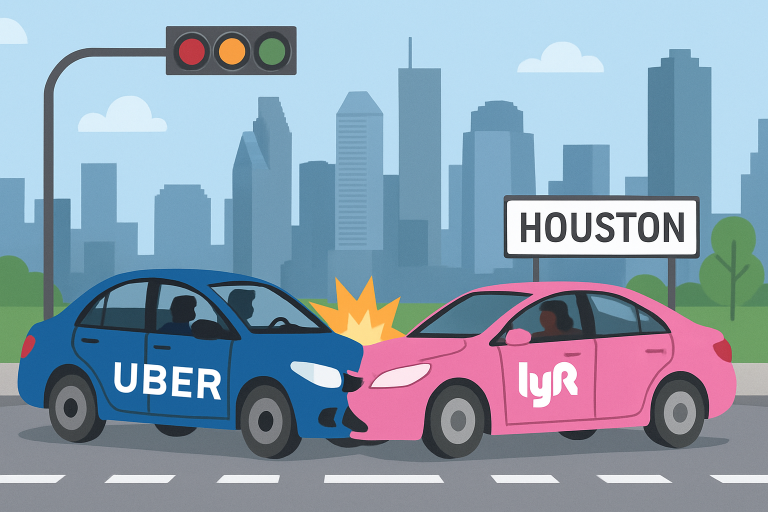
The status of the rideshare driver at the time of a crash plays a crucial role in determining which insurance policy covers the accident. Generally, rideshare insurance coverage operates in three key tiers:
- App Off: If the rideshare driver is not using the rideshare app, their personal auto insurance is solely responsible for any incidents.
- App Active, No Ride Accepted: If the driver has the app on but has not accepted a ride, the rideshare company’s limited liability insurance is in force. This level often provides lower coverage, mainly for third-party injuries or property damage.
- Ride Accepted or Passenger Onboard: When a ride has been accepted or a passenger is in the vehicle, the rideshare company’s full commercial liability policy is active. This policy typically includes up to $1 million in liability coverage for injuries or damages to riders and others affected by the crash.
Each coverage layer has specific limits and exclusions, making it essential for all parties to clarify the driver’s status and collect evidence immediately after a rideshare accident.
Legal Implications and Challenges
The legal landscape surrounding rideshare accidents is continually evolving. Because drivers are not classified as employees, companies like Uber and Lyft can often avoid direct liability. Victims may need to pursue claims through multiple insurance carriers, starting with the driver’s personal insurer and, if warranted, moving to the rideshare company. This layered approach adds complexity and sometimes delays compensation for accident victims.
Additionally, pursuing litigation against a large rideshare entity can be an arduous process, with legal teams defending against corporate liability. Those injured may need to retain legal counsel familiar with the nuances of rideshare accident law and policy, ensuring no detail is overlooked in their pursuit of justice.
Safety Concerns and Accident Statistics
The risks associated with Houston’s rideshare boom are underscored by increasing accident data. The city reported 301 traffic fatalities in 2024, a concerning 10.7 percent increase from the prior year. Analysts have pointed to distracted driving, unfamiliarity with Houston’s complex roads, and the pressure on drivers to meet bonus quotas as key contributors. The convergence of personal and professional driving obligations creates situations in which attention is divided, and safety protocols are compromised.
As city officials and advocacy groups push for stricter driver requirements and pedestrian safeguards, the challenge remains to balance innovation with public safety for all Houstonians.
- Ensure everyone’s safety and call emergency services if injuries are suspected.
- Record details about the crash scene, including photographs, the vehicle’s license plate, and contact information for witnesses.
- Report the accident through the appropriate rideshare company’s mobile app interface.
- Obtain medical care, even if injuries are not immediately apparent, as symptoms can sometimes appear hours or days later.
- Seek advice from a qualified personal injury lawyer to review your insurance options, collect key evidence, and advocate on your behalf.
Final Thoughts
Houston’s rideshare revolution has brought both opportunity and significant legal complexity. Communities and policymakers are working to raise awareness of the evolving landscape of accident liability as more people rely on rideshare services for daily travel. Staying informed, proactive, and knowing when to seek professional guidance makes a critical difference in navigating the aftermath of a rideshare accident.