

How Furniture Arrangement Affects Your Daily Life
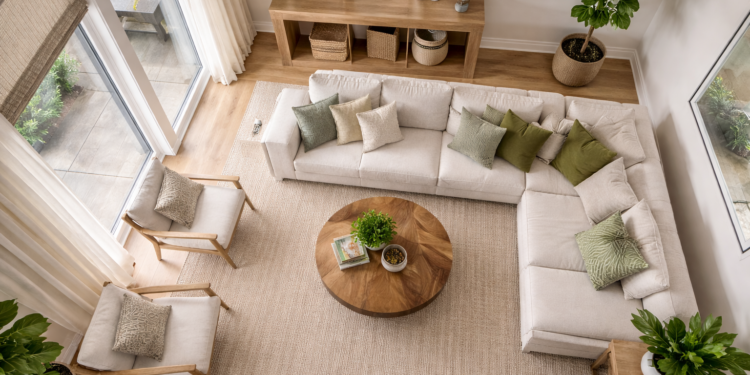
The arrangement of furniture within your home influences much more than visual appeal. It touches aspects of your comfort, mood, and interpersonal dynamics every single day. Thoughtful furniture choices can change how you use your space, affect the way you feel, and even impact your health. Whether you are rearranging a living room or setting up a new home, the layout matters on several levels. For residents looking to transform their living spaces, finding inspiration at local furniture stores in Strongsville can be the perfect starting point for discovering pieces that both beautify and optimize your home.
From encouraging smoother conversations to supporting relaxation and productivity, strategic furniture placement supports a range of lifestyle goals. This subtle art can strengthen your connection to your home and the people who share it. While style plays a role, practical elements, like safety and ease of movement, often have an even greater effect on daily happiness.
Table of Contents
- 1 The Psychological Impact of Furniture Placement
- 2 Encouraging Social Interaction Through Layout
- 3 Reducing Stress with Clear Pathways
- 4 Enhancing Productivity with Thoughtful Arrangements
- 5 Balancing Aesthetics and Functionality
- 6 Adapting to Modern Lifestyles
- 7 Expanding Home Functionality with Flexible Spaces
- 8 Conclusion
The Psychological Impact of Furniture Placement
The human brain is continuously picking up cues from the surrounding environment. Even seemingly minor elements, like a coffee table’s sharp angles pointing toward your favorite reading chair, can have a subtle negative effect. These shapes can quietly put your body on edge, prompting low-level anxiety or discomfort. Studies show that gentle lines and soft curves in furniture tend to calm the mind, while hazardous corners and chaotic placement elevate stress, sometimes subconsciously. Recognizing these triggers lets you design rooms that offer both psychological relief and visual harmony.
Encouraging Social Interaction Through Layout
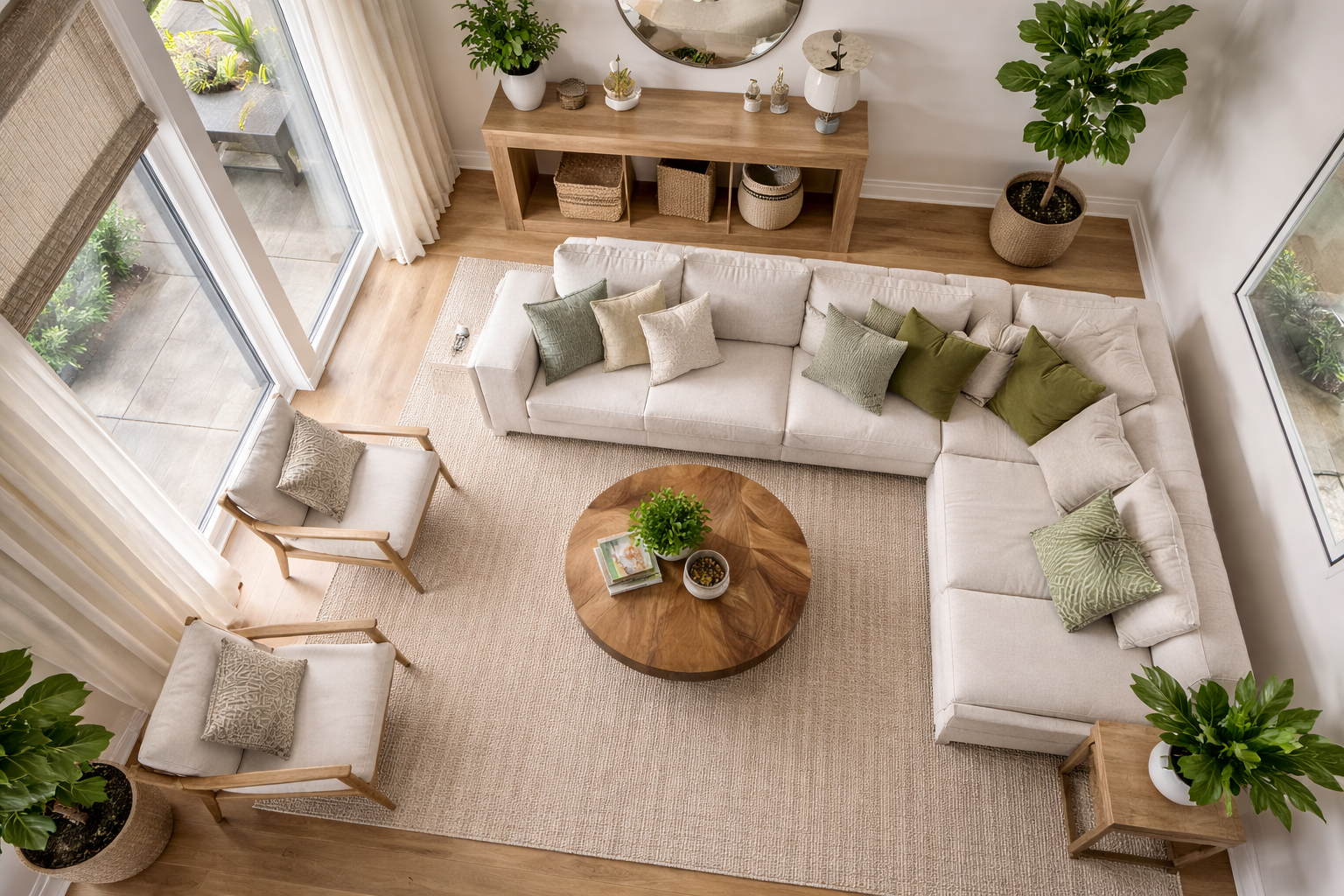
Furniture placement is essential in shaping how people interact within a space. When seats are arranged to face each other, conversation flows more naturally and everyone feels more included. In contrast, a row of sofas against a wall can make conversation awkward or limit engagement. Opting for a circular or U-shaped arrangement encourages eye contact and inclusiveness, which strengthens bonds between family and guests. Such thoughtful layouts transform everyday interactions, making gatherings warmer and more inviting.
Reducing Stress with Clear Pathways
Narrow walkways and cluttered corners can create physical and mental tension. Psychologists note that blocked or crowded spaces often make people feel trapped, raising cortisol levels and creating unnecessary stress. To counteract this, clear and spacious walkways should be maintained. Households benefit from at least 36 inches of open space around essential furniture, which not only eases movement but also generates a sense of calm. Unobstructed paths support mobility for people of all ages, reducing the risk of accidents and making daily routines smoother.
Enhancing Productivity with Thoughtful Arrangements
The link between workspace arrangement and productivity is especially pronounced in the era of remote work. A desk placed near a window provides energizing natural light and makes the environment more enjoyable. Alternatively, isolating a workstation in a dark, cramped corner may hinder focus and creativity. Flexible arrangements and adjustable furniture support different tasks throughout the day. Attention to light, space, and comfort enhances both motivation and mental clarity, which can make working from home more efficient and fulfilling.
Balancing Aesthetics and Functionality
Style is important, but any truly successful furniture arrangement balances looks with usability. Soft-edged couches and rounded decor lend a feeling of tranquility, which is perfect for rooms meant for relaxation. On the other hand, maintaining symmetry and balance prevents feelings of disharmony. Consistent color palettes, complementary textures, and careful alignment of major pieces allow a room to be both attractive and soothing. The key is to let function inform form, rooms should look good and serve your needs seamlessly.
Adapting to Modern Lifestyles
Contemporary homes often require layouts that are adaptable and unfussy. Formal configurations common in living rooms of the past can feel stiff or impractical for today’s multi-use spaces. More and more designers are shifting away from television-centric layouts, opting for arrangements that support conversation and relaxation without technology taking center stage. Creating media-free zones and separating functions by area, like a reading nook away from the TV, gives rooms a sense of flexibility and purpose. Modern arrangements reflect evolving lifestyles, prioritizing both comfort and connection.
Expanding Home Functionality with Flexible Spaces
Many modern homes are moving toward multifunctional spaces that can adapt to changing needs throughout the day and week. By using movable furniture, fold-out desks, or stackable chairs, you can maximize the potential of any room. For example, a dining area might double as a workspace, or a living room can effortlessly shift from a social hub to a serene reading retreat. The use of modular furniture increases versatility, allowing households to quickly rearrange layouts for different activities or occasions without sacrificing comfort or flow. This flexibility is especially valuable in smaller homes, where every square foot counts. Creative zoning using area rugs, shelving, or lighting can further define spaces, giving each area a distinct function while maintaining an open, cohesive look.
In addition to modular solutions, incorporating storage furniture, such as ottomans with hidden compartments or wall-mounted shelves, helps keep rooms organized and clutter-free. When everything has a place, it’s easier to maintain a tidy environment, which in turn contributes positively to both mental clarity and relaxation. Thoughtful design enables your home to evolve with your lifestyle, whether you’re entertaining guests, working from home, or simply unwinding after a long day.
Conclusion
Furniture arrangement does far more than fill a room. It shapes your daily life, defines the way you interact with others, and influences your overall happiness at home. By keeping psychological and practical needs in mind, you can transform your space into a supportive and comfortable environment. Start with a fresh perspective, and explore creative options or seek inspiration from local experts to find a layout that suits your family’s lifestyle and well-being.