
How Floor Plan Design Choices Influence Daily Living

When considering a new home, many people focus on location or exterior aesthetics, yet the interior floor plan deserves equal, if not greater, attention. The layout of a living space subtly but powerfully affects how people interact, how daily routines unfold, and even how restful or invigorating a home feels. Exploring Park City luxury real estate listings with floor plans can reveal just how different design choices shape comfort, connection, and lifestyle adaptability.
The right floor plan can either support a harmonious household or create unexpected frustration. Whether you crave bright open areas for entertaining or quiet nooks for retreat, understanding how design affects daily living can ensure your home truly becomes a haven. Thoughtful design is essential for homes that adapt to changing family needs, diverse routines, and evolving work-from-home habits.
Modern floor plans are no longer simply about separating rooms by function; they strike a balance between privacy and openness, leverage natural light, and consider how spaces flow together. Decisions from wall placement to window orientation and material choice collectively determine how effortless, peaceful, and enjoyable daily life can be. Strategic decisions are more than cosmetic—they’re the foundation of a happy, healthy home.
Even seemingly small elements, such as the position of a kitchen relative to living areas or the inclusion of multipurpose spaces, can make substantial differences in household dynamics. With a new awareness of the connection between our environments and our well-being, architects and homeowners are increasingly prioritizing holistic design solutions that create homes for both living and life. For more insights on how floor plans can impact well-being, review this resource from Architectural Digest.
Table of Contents
Open vs. Closed Floor Plans
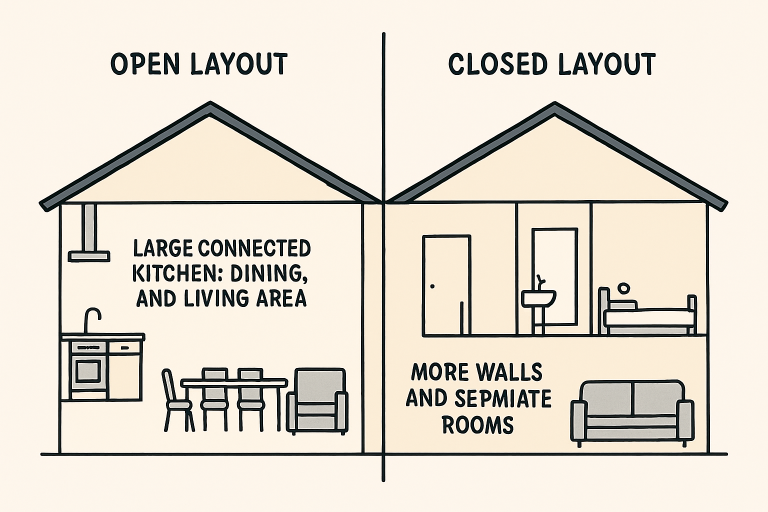
The debate between open and closed floor plans has transformed how homes are designed and lived in. Open floor plans unite key gathering spaces, such as kitchens, dining areas, and family rooms, by eliminating unnecessary walls. This increases the sense of spaciousness and enables natural light to flood the home. Such layouts make smaller homes feel bigger and allow for flexible furniture arrangements or multipurpose spaces.
However, the open layout is not without challenges. With fewer barriers, noise travels freely, and privacy can be compromised. Some families may struggle to escape distractions or separate work from relaxation. On the other hand, closed floor plans create distinct, dedicated rooms—offering privacy, noise reduction, and better temperature control. The downside is that these more segmented homes can feel less connected and may restrict the flow of natural light. Many contemporary designs strive to combine the best of both worlds by using sliding doors, glass partitions, or partial walls to increase adaptability.
Impact on Social Interactions
The structure of a home shapes how easily people gather and converse. Open floor plans foster a communal atmosphere, allowing families and guests to cook, eat, and relax together without physical barriers. The abundance of shared space facilitates spontaneous conversations, collaborative activities, and a strong sense of togetherness. Moreover, it is especially vital for families with children, as parents can maintain sightlines while multitasking.
Conversely, closed layouts introduce more boundaries between rooms, which may disrupt the casual, frequent interactions that foster intimacy. In some cases, these barriers can offer necessary solitude, but in others, they may lead to a more fragmented household experience. The choice between open and closed should reflect the social habits, size, and needs of those living in the home. For an exploration of how layout can shape family dynamics, consult this article from The New York Times.
Influence on Mental Health
Interior architecture is intricately linked to mental wellness. Open layouts can help alleviate feelings of isolation by bringing people together and allowing natural light to illuminate common areas. However, the openness can also make it difficult to recharge or concentrate amid background noise, leading to stress or fatigue over time.
Meanwhile, closed-off spaces provide essential personal retreats—critical for remote workers, parents, or anyone seeking respite from group activity. The key to nurturing mental health often lies in striking a healthy balance: employing an open concept for main living areas while providing quiet corners or rooms for privacy and self-care.
Role of Natural Elements and Color
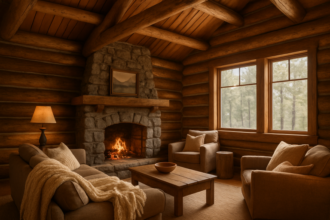
The incorporation of nature within a home’s floor plan can have a profound impact on comfort. Materials such as stone, wood, and living plants introduce warmth and promote a sense of tranquility. Biophilic design—a movement that seeks to connect building occupants more closely to nature—has gained momentum, as studies increasingly show that proximity to natural elements reduces stress and enhances mood.
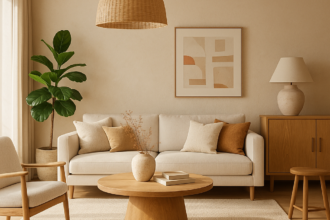
Similarly, chosen color palettes play a significant role. Lighter, cooler shades tend to keep spaces feeling open and serene, while richer, warmer tones can energize and define areas. When planning a floor plan, considering how color flows from one space to the next can ensure a harmonious and uplifting environment throughout the home.
Technological Advancements in Floor Plan Design
Digital design tools have changed the landscape of home planning. Homebuyers and architects now use virtual walkthroughs, smart modeling, and augmented reality simulations to visualize layouts, furniture arrangements, and finishes. These innovations enable individuals to visualize how spaces will function, optimize natural light, and predict how materials or noise will interact—well before construction begins. Customizing a home to fit specific family needs, from home offices to entertainment zones, is easier than ever.
Conclusion
Floor plan selection extends far beyond aesthetics, as it is foundational to comfort, relationships, and overall well-being. By understanding how open and closed plans influence daily life, leveraging the calming effects of natural materials and beneficial color schemes, and embracing advances in technology, homeowners can design living environments that nurture and inspire. Prioritizing intentional design ensures that homes are not only beautiful but also functional, healthy, and genuinely supportive of daily life.