
How Digital Tools Are Enhancing Engagement in Schools

Table of Contents
The Expanding Role of Technology in Education
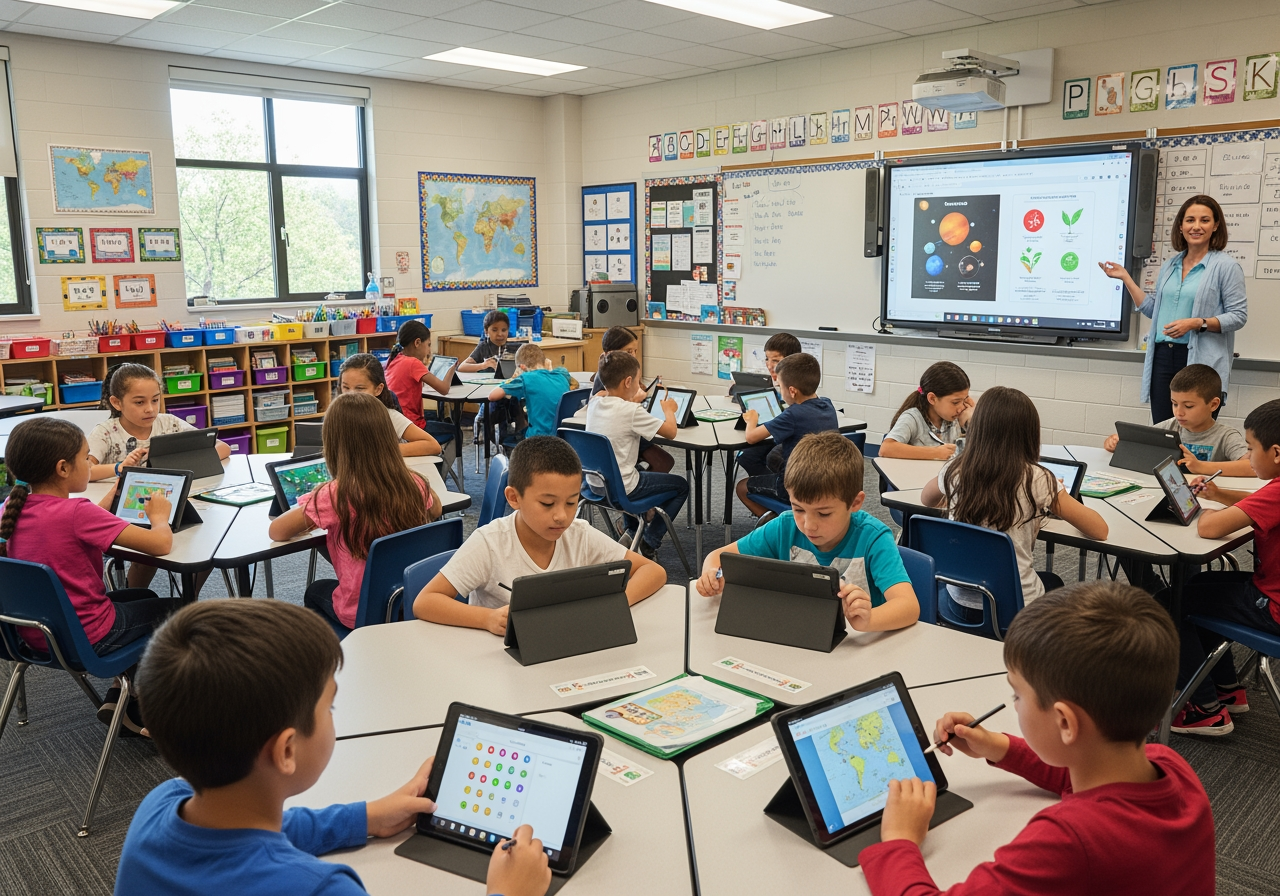 Our classrooms are evolving. Digital tools are changing how students learn and interact with schoolwork. They are not just new devices. They are powerful ways to make education more exciting and personal for every student.
The world around us is changing quickly. So, our schools must change too. Technology helps prepare students for future jobs. It also opens up learning to many more people. This shift is vital for modern education.
In this guide, we will explore the many ways digital tools improve learning. We will see how they boost student engagement and offer personalized learning paths. We will also look at how they empower teachers and increase access to education for all. We will even discuss new frontiers, such as AI-powered education technology, that are shaping tomorrow’s classrooms. Our aim is to understand how these tools can truly improve learning for everyone.
The integration of technology into education, often referred to as EdTech, is not a recent phenomenon, yet its pace of adoption and sophistication have dramatically accelerated. While a 14th-century illustration by Laurentius de Voltolina depicting a university lecture might visually resonate with some traditional classroom settings today, the underlying dynamics of teaching and learning have undergone a profound change. The COVID-19 pandemic, in particular, acted as a global catalyst, forcing a rapid and widespread turn to online platforms and digital tools, strengthening the relationship between technology and education even further. This period highlighted both the immense potential and the critical challenges associated with leveraging technology to sustain and improve educational continuity.
As we dig deeper, it becomes clear that technology’s influence extends far beyond merely digitizing existing practices. It is fundamentally reshaping the educational landscape, offering unprecedented opportunities for innovation, personalization, and global connectivity. However, this evolution also brings forth crucial considerations regarding equitable access, ethical implementation, and the continuous development of both teacher and learner competencies. Our exploration will steer these multifaceted aspects, providing a comprehensive understanding of how digital tools are not just present in schools, but are actively enhancing engagement and shaping the future of learning.
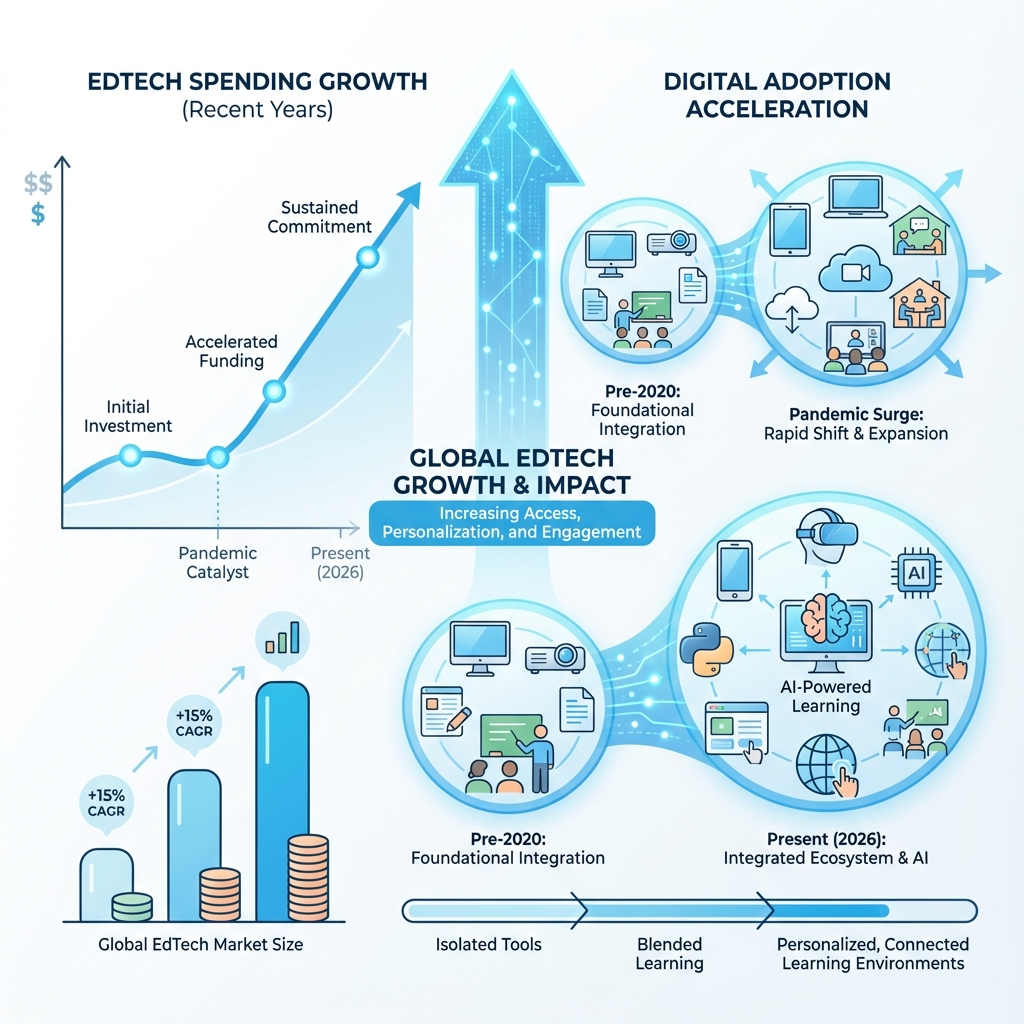
The primary ways technology is currently being used in education have expanded far beyond simple computer labs, evolving into a fully integrated and dynamic experience. Digital tools are now central to how content is delivered, how students interact with material, and how learning is assessed. This integration facilitates a more dynamic and responsive educational environment, moving away from static, one-size-fits-all approaches.
One of the most foundational shifts has been the widespread adoption of Learning Management Systems (LMS) such as Canvas, Moodle, and Blackboard. These platforms serve as central hubs for course materials, assignments, discussions, and grades, streamlining administrative tasks for educators and providing students with a single point of access for their academic needs. Digital textbooks and online research databases have largely replaced or supplemented physical libraries, offering students immediate access to vast amounts of information. This includes access to massive amounts of information (books, audio, images, videos) available at one’s fingertips through the Internet, fundamentally changing how students conduct research and engage with subject matter.
Collaborative tools like Google Docs, Microsoft Teams, and various wikis have revolutionized group projects, allowing students to work together in real-time, regardless of their physical location. This fosters essential teamwork and communication skills, preparing them for future professional environments where virtual collaboration is increasingly common. We’ve seen how these tools enable students to communicate and collaborate beyond their immediate classroom, connecting with experts and peers in other locations. The evolution of touchscreen technology in education has also played a significant role, making interactive whiteboards, tablets, and smartphones intuitive learning devices that encourage direct engagement with digital content. These technologies transform passive learning into an active, hands-on experience, where students can manipulate digital objects, draw, write, and interact directly with educational applications.
Enhancing Student Engagement and Personalization
The integration of technology into the classroom offers significant benefits for both students and teachers, particularly in enhancing engagement and personalizing the learning experience. For students, technology facilitates personalized learning paths, adapting content and pace to individual needs and learning styles. Adaptive learning systems, for instance, use algorithms to assess a student’s proficiency and tailor exercises and explanations accordingly, ensuring that each student is challenged appropriately without being overwhelmed. This contrasts sharply with traditional methods that often struggle to accommodate diverse learning paces within a single classroom.
Gamification, another powerful application, integrates game-like elements such as points, badges, leaderboards, and challenges into learning activities. This approach can significantly boost student motivation and engagement, changing mundane tasks into exciting quests. Interactive simulations and virtual labs allow students to explore complex concepts and conduct experiments in a safe, virtual environment, offering experiences that might be too costly, dangerous, or impractical in a physical classroom. For example, students can dissect a virtual frog, explore the human circulatory system in 3D, or simulate chemical reactions without any risk. These immersive experiences deepen understanding and make learning more memorable.
Beyond engagement, technology fosters the development of crucial 21st-century skills. Students gain digital literacy, learning how to steer online resources, evaluate information critically, and communicate effectively in digital spaces. They also develop problem-solving skills, creativity, and critical thinking as they interact with diverse multimedia content and collaborative projects. The ability to access a wide range of resources, from online lectures to educational videos and interactive apps, allows students to take greater ownership of their learning journey, fostering increased autonomy and self-directed learning. This shift empowers students to become active participants in their education, rather than passive recipients of information.
Empowering Educators and Streamlining Workflows
For teachers, technology acts as a powerful assistant, streamlining administrative tasks and freeing up valuable time for more impactful instructional activities. Automated grading tools for quizzes and certain assignments reduce the burden of manual assessment, allowing teachers to provide more timely feedback. Data analytics platforms collect and analyze student performance data, offering teachers insights into individual and class-wide learning trends. This data-driven approach enables educators to identify areas where students might be struggling, personalize interventions, and adjust their teaching strategies for greater effectiveness. However, it’s crucial that this data is presented in an actionable format, easily accessible and interpretable by teachers, rather than just being used to refine software design.
Access to vast online teaching resources, including lesson plans, multimedia content, and professional development courses, enriches teachers’ pedagogical toolkit. The flipped classroom model, where students learn new content at home through videos or online readings and then apply that knowledge in class with teacher guidance, is heavily reliant on technology. This approach transforms the teacher’s role from a “sage on the stage” delivering lectures to a “guide on the side,” facilitating deeper learning and problem-solving during class time. This shift allows teachers to focus on individualized support, collaborative activities, and addressing student misconceptions in real-time.
Furthermore, technology offers unprecedented opportunities for teachers’ professional growth. Online courses, webinars, and virtual communities of practice allow educators to continuously update their skills, learn new pedagogical approaches, and collaborate with peers globally. This ongoing professional development is crucial for keeping pace with the rapidly evolving technological landscape and effectively integrating new tools into their teaching practices. As highlighted in the Advocacy brief: Teachers, supporting teachers’ digital competence and professional learning is paramount for any technology in education to reach its full potential. By empowering educators with the right tools and training, technology not only improves their efficiency but also lifts the quality of instruction and student outcomes.
Bridging Gaps and Expanding Access
Technology has profoundly expanded access to educational opportunities, democratizing learning on a global scale. Platforms offering Massive Open Online Courses (MOOCs) and various distance learning programs have made high-quality education accessible to millions who might otherwise face geographical, financial, or logistical barriers. Educational content available through online courses nearly doubled in 2015, illustrating the rapid growth in this area. This flexibility allows individuals to pursue learning at their own pace, from any location with an internet connection, making education a lifelong endeavor rather than a confined period of schooling. Mobile phones, broadband, and e-learning platforms now allow children across the globe to access an education, offering flexibility in the way people can study. This is particularly vital for those in temporary situations, such as refugees. For example, the International Rescue Committee launched Connect to Learn in the Domiz refugee camp in Syria, providing technology for students and teachers to access online learning materials. This allows children in conflict zones to continue their education without interruption.
However, despite these advancements, significant limitations persist, primarily revolving around the “digital divide.” While 2.7 billion people worldwide use the internet and 6.8 billion have access to mobile phones, access remains highly unequal. In the poorest countries, only one in ten people is online, and across many developing countries, less than 10% of schools are connected to the Internet. This stark disparity means that the transformative potential of technology is not evenly distributed, perpetuating and sometimes even exacerbating existing inequalities. The lack of adequate infrastructure, including reliable internet connectivity and access to devices, creates a barrier for marginalized groups, preventing them from participating fully in digital learning opportunities. Addressing these infrastructure limitations is crucial for truly bridging gaps in access and ensuring that technology serves as an equalizer rather than a divider.
Promoting Equity and Inclusion with Technology
Leveraging technology to promote equity and inclusion, especially for marginalized groups, is one of its most compelling applications. Assistive technologies play a critical role in making education accessible for students with disabilities. Text-to-speech tools, screen readers, and speech-to-text software empower students with visual impairments or learning disabilities to engage with written content. Customizable interfaces allow students to adjust font sizes, color contrasts, and input methods to suit their specific needs. For example, electronic textbooks can be produced in braille, large print, or with synthesized speech, while curriculum materials can be offered in audio formats with voice commands or speech-to-text options. Students with speech, language, and communication impairments can benefit from text supported by symbols or text-to-voice applications. Video communication is also invaluable for those who use sign language. As emphasized in the Advocacy brief: Learners with disabilities, technology provides new learning opportunities by allowing teachers to adapt lessons and present information in accessible formats.
Beyond disabilities, technology can foster inclusion by connecting students from diverse backgrounds and geographical locations. Global classrooms, facilitated by video conferencing and collaborative online projects, allow students to interact with peers from different cultures, broadening their perspectives and promoting cross-cultural understanding. Culturally relevant content, which can be easily shared and adapted through digital platforms, ensures that learning materials resonate with students’ lived experiences, making education more meaningful and engaging. For marginalized groups, including refugees, displaced populations, and those in remote areas, technology offers a lifeline to education, providing access to learning resources and opportunities that would otherwise be out of reach. This ability to tailor content, connect communities, and overcome physical barriers positions technology as a powerful tool for achieving educational equity.
Overcoming Challenges with Technology in Education
While the potential of educational technology is vast, its effective implementation faces several key challenges. One of the most significant problems is the lack of adequate teacher training. Many educators, particularly those from older generations or in under-resourced areas, may not possess the necessary digital literacy or pedagogical skills to effectively integrate technology into their teaching practices. Without proper professional development, technology can become an underused or misused tool, failing to deliver its promised benefits. This highlights the critical need for continuous training and support for teachers to adapt to new digital pedagogies.
Infrastructure limitations represent another major challenge. As previously noted, the digital divide means that many schools and students, especially in developing countries or rural areas, lack reliable internet access, sufficient devices, or the technical support needed to maintain digital learning environments. Even in well-resourced contexts, outdated hardware, insufficient bandwidth, and a lack of IT personnel can hinder effective technology utilization. The cost of implementing and maintaining educational technology solutions, including hardware, software licenses, and infrastructure upgrades, can also be prohibitive for many educational institutions, particularly those with limited budgets. Spending on education technology in the United States has now exceeded $13 billion, indicating the significant financial investment required.
Furthermore, curriculum development often struggles to keep pace with rapid technological advancements. Integrating new tools and digital competencies into existing curricula requires thoughtful planning and adaptation to ensure that technology serves educational goals rather than becoming an end in itself. There can also be resistance to change from both teachers and students, who may be comfortable with traditional methods or wary of new tools. Addressing these challenges requires a multi-faceted approach, including strategic investment in infrastructure, comprehensive teacher training programs, and flexible curriculum frameworks. As the Using Digital Technology to Improve Learning guidance report suggests, technology use in education should be driven by the goal of improving learning outcomes, and effective integration involves increasing the accuracy of teacher assessment and improving the quality/quantity of pupil practice. This emphasizes that successful EdTech implementation is not just about acquiring technology, but about thoughtfully integrating it into pedagogical practice to genuinely improve learning.
The Future is Now: Emerging Trends in EdTech
The educational technology landscape is continuously evolving, with several emerging trends ready to redefine learning experiences. These innovations promise even more personalized, immersive, and efficient educational environments.
Artificial Intelligence (AI) is at the forefront of this evolution. AI-powered tutors can provide individualized support, adapting to a student’s learning pace and style, offering instant feedback, and guiding them through challenging concepts. AI can also automate administrative tasks like grading and lesson planning, freeing up teachers to focus on more human-centric aspects of instruction. Generative AI, exemplified by chatbots like ChatGPT, which gained prominence in 2023, presents both exciting opportunities and concerns. While educators initially worried about cheating, AI can also be leveraged to generate reading assignments, coach students during the writing process, and assist in content creation. The potential for AI-powered education technology to personalize learning at scale is immense, offering customized content and pathways for every student.
Virtual Reality (VR) and Augmented Reality (AR) are changing how students interact with content, moving beyond traditional textbooks into immersive experiences. VR can transport students to historical sites, inside the human body, or even to distant planets, offering virtual field trips that would be impossible in real life. AR overlays digital information onto the real world, enhancing physical learning materials with interactive elements. Imagine dissecting a virtual frog on a real table or exploring architectural designs overlaid on a classroom model. These technologies create engaging, experiential learning opportunities that deepen understanding and retention.
Gamification, while not entirely new, continues to evolve with more sophisticated designs that integrate learning objectives seamlessly into game mechanics. Adaptive learning systems, often powered by AI, are becoming more refined, offering truly dynamic and responsive educational pathways. These systems continuously assess student performance and adjust the curriculum in real-time, ensuring optimal challenge and support.
The implications of these trends are profound. They promise a future where education is highly personalized, engaging, and accessible. However, as highlighted in the Key findings and recommendations from the UNESCO GEM Report, the effectiveness and ethical implementation of these emerging technologies are paramount.
Current Trends in Technology in Education
Beyond the broad categories, specific applications of emerging technologies are gaining traction. AI-powered tutors are moving beyond simple chatbots to sophisticated intelligent tutoring systems that can diagnose student misconceptions and provide targeted, adaptive instruction. Virtual science labs are becoming increasingly common, allowing students to conduct complex experiments without the need for expensive equipment or hazardous materials. Immersive historical experiences, facilitated by VR, enable students to “walk through” ancient civilizations or witness pivotal historical events, bringing history to life in an unprecedented way.
However, the rapid advancement of these technologies also brings significant ethical and human rights concerns, particularly regarding data privacy and consent. Educational technologies often collect vast amounts of student data—from academic performance to behavioral patterns and even keystrokes. Questions arise about who owns this data, how it is stored and used, and for what purposes. There is a critical need for robust legal and policy frameworks to protect students’ and teachers’ rights in this context. Meaningful consent, especially from minors, is a complex issue, and ensuring that data is used ethically and transparently is paramount. The rise in cyberattacks on K-12 schools in 2023 underscores the urgent need for improved cybersecurity measures to protect sensitive student information. Without clear guidelines and strong safeguards, the potential benefits of these technologies could be overshadowed by risks to privacy and autonomy. It is essential that EdTech is developed and used in accordance with human rights principles and the aims of education in their human rights essence.

Frequently Asked Questions about Digital Tools in Schools
As we integrate more digital tools into our educational systems, common questions arise regarding their impact and implementation. Here, we address some of the most frequently asked questions.
How does technology change the role of the teacher?
The role of the teacher is undergoing a significant change due to technology. Traditionally, teachers were often seen as the primary disseminators of information—the “sage on the stage.” With technology, this role is shifting towards that of a facilitator, mentor, or “guide on the side.” Teachers are becoming curators of digital resources, designing engaging learning experiences, and providing individualized support. They use data analytics to gain insights into student progress, allowing for more data-driven instruction and personalized interventions. This shift empowers teachers to focus on critical thinking, problem-solving, and socio-emotional development, rather than just content delivery. Technology also offers teachers more opportunities for professional development, enabling them to continuously update their skills and pedagogical approaches.
What are the biggest challenges to implementing educational technology?
Implementing educational technology effectively comes with several significant challenges. One of the foremost is the lack of adequate teacher training. Many educators may not be equipped with the necessary digital literacy or pedagogical strategies to integrate technology meaningfully into their classrooms. Insufficient infrastructure and funding also pose substantial problems, particularly in under-resourced schools or developing regions, where reliable internet access and sufficient devices are often lacking. The cost of acquiring, maintaining, and updating technology can be prohibitive. Furthermore, there can be resistance to change from both teachers and students, who may be comfortable with traditional methods. Finally, ensuring digital equity for all students, bridging the digital divide, remains a persistent challenge, as unequal access to technology can exacerbate existing educational disparities.
Is technology in the classroom proven to improve learning outcomes?
The evidence on whether technology in the classroom consistently improves learning outcomes is nuanced and depends heavily on how the technology is implemented. While some studies show mixed results, a significant body of research indicates positive effects. For instance, a review summarizing what 126 studies say about education technology found that educational software, particularly for math, shows significant promise. Of 30 studies on computer-assisted learning programs, 20 reported statistically significant positive effects, with 15 focused on improving math outcomes. Blended learning approaches, which combine online and in-person instruction, have often shown similar or better results compared to traditional face-to-face classes. However, online-only courses may sometimes lead to lower academic achievement. The key takeaway is that technology is a tool; its effectiveness is maximized when integrated thoughtfully into a sound pedagogical framework, with a focus on specific learning goals, rather than merely for technology’s sake. It’s about using technology to augment, not replace, effective teaching strategies.
Conclusion: A Purposeful Approach to EdTech
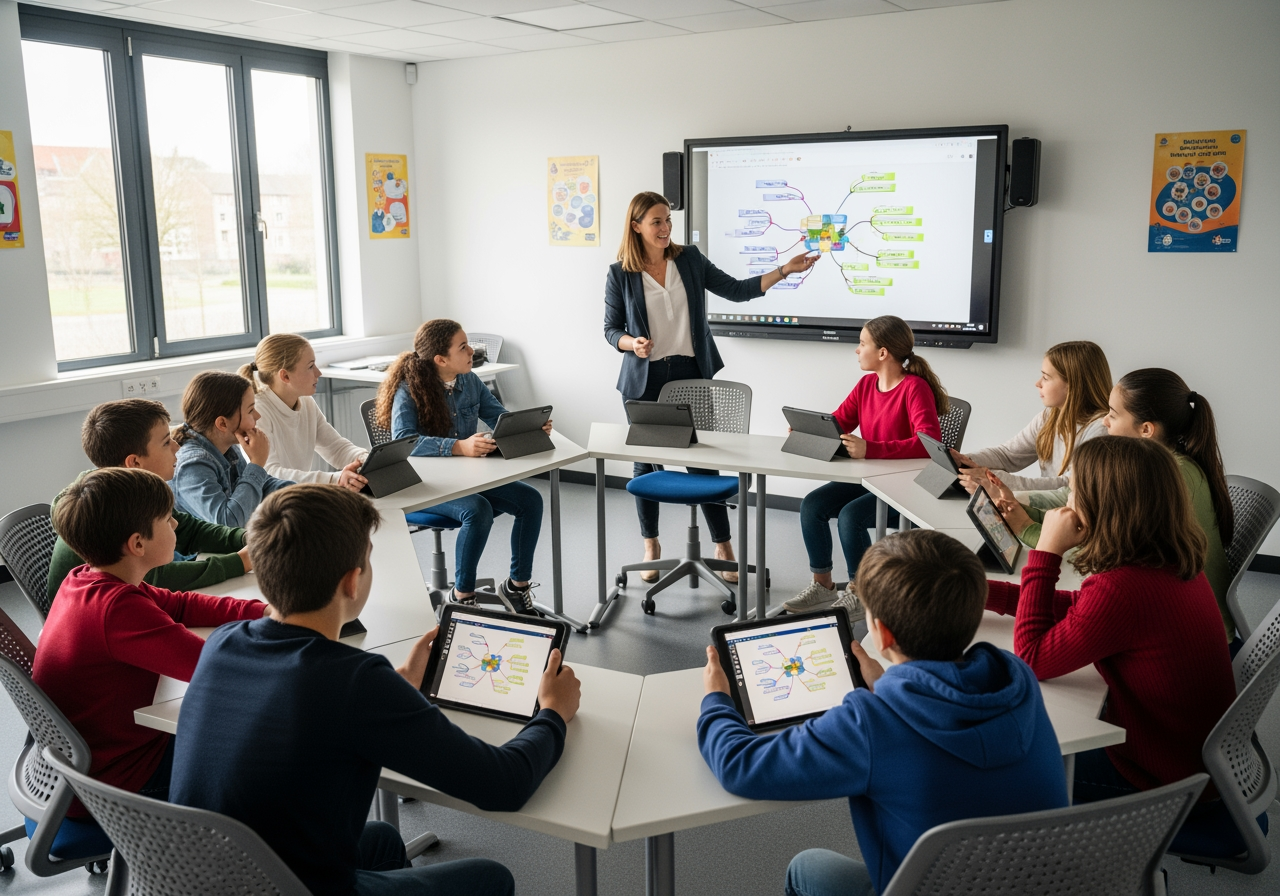
In conclusion, the journey of technology in education is one of continuous evolution and immense potential. We have explored how digital tools are fundamentally reshaping the classroom, enhancing engagement, and offering personalized learning experiences for students. From Learning Management Systems and collaborative platforms to gamification and interactive simulations, technology empowers students to take ownership of their learning and develop crucial 21st-century skills. For teachers, it streamlines workflows, provides data-driven insights, and facilitates professional growth, changing them into dynamic guides and facilitators.
We’ve also seen how technology expands access to education globally, particularly through MOOCs and distance learning, offering lifelines to marginalized groups and those in challenging circumstances. Assistive technologies are critical in promoting equity and inclusion for students with disabilities. However, this transformative power is not without its challenges. The persistent digital divide, infrastructure limitations, the need for comprehensive teacher training, and the ethical concerns surrounding data privacy and consent demand our careful attention and strategic action.
The emerging trends in EdTech, including advanced AI, virtual reality, and augmented reality, promise even more immersive and personalized learning futures. Yet, as we accept these innovations, it is imperative that we adopt a purposeful approach. Technology in education should always be developed and used in accordance with human rights principles and the fundamental aims of education. It is a powerful tool that, when implemented thoughtfully and ethically, can augment and amplify great teaching, rather than replacing it. By focusing on human-centered design, equitable access, and continuous professional development, we can ensure that digital tools truly improve engagement and foster meaningful learning experiences for every student.