
Getting Started in Gold Prospecting: Essential Equipment and Supplies
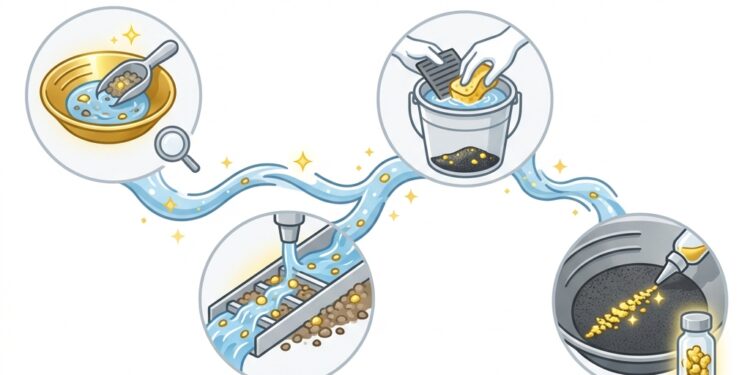
Table of Contents
- 1 Introduction: Unearthing the Modern Gold Rush
- 2 The Prospector’s Starter Kit: Foundational Tools
- 3 Leveling Up: Intermediate and Advanced Gold Prospecting Equipment
- 4 Key Considerations Before You Buy Your Gear
- 5 Frequently Asked Questions about Gold Prospecting
- 6 Conclusion: Your Gold Adventure Awaits
Introduction: Unearthing the Modern Gold Rush
The thought of finding gold has captivated humanity for centuries. From ancient riverbeds to rugged mountains, the quest for precious metal continues. Today, gold prospecting is more accessible than ever before. It offers both adventure and the potential for a glittering reward.
We are entering a new era of the ‘modern gold rush.’ This pursuit relies heavily on the right tools and knowledge. Gone are the days of simple pans for serious recovery. Prospectors now use a range of specialized equipment.
We will guide you through the essential equipment needed for gold prospecting. We will start with beginner tools and move to advanced machinery. We will also cover important considerations. Our goal is to help you equip yourself for a successful and responsible gold-finding adventure.
The Prospector’s Starter Kit: Foundational Tools
For anyone looking to dip their toes into the exciting world of gold prospecting, starting with basic, manual tools is the most practical and cost-effective approach. These foundational tools not only offer a low barrier to entry but also teach invaluable skills about gold recovery and material classification.
Essential Gold Prospecting Equipment for Beginners
Every gold prospector’s journey typically begins with a few fundamental items that are easy to use and transport.
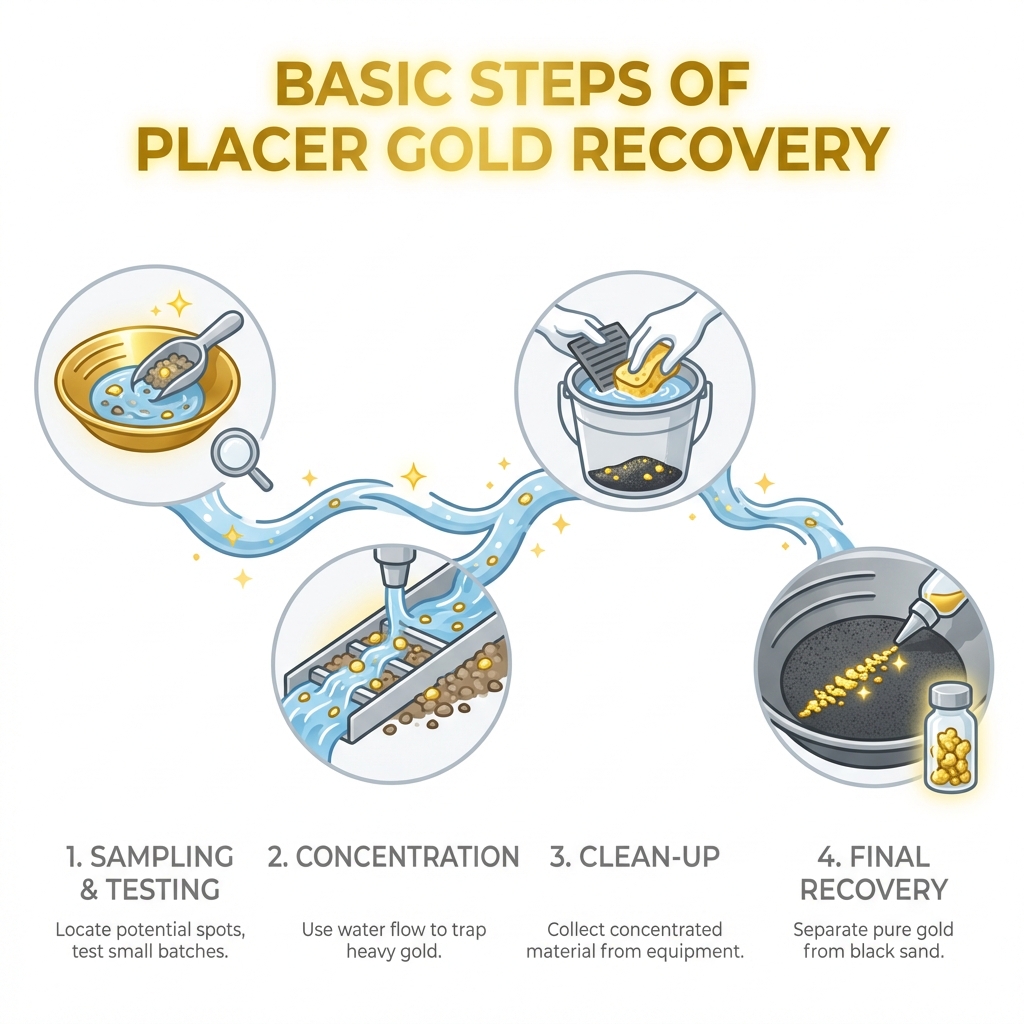
- Gold Pan: This is the iconic symbol of gold prospecting. A gold pan, usually made of plastic or steel, features riffles (small grooves) on one side to help trap heavier gold particles while lighter materials are washed away. Learning to pan effectively is crucial, as it’s often the first step in sampling an area and the final step in concentrating material from other recovery methods.
- Classifier Screens: These are essential for efficient panning and sluicing. Classifier screens fit over a standard 5-gallon bucket and come in various mesh sizes (e.g., 1/2 inch, 1/4 inch, 1/8 inch). Their purpose is to remove larger rocks and debris, allowing only gold-bearing material of a specific size to pass through. This significantly reduces the volume of material you need to process, making recovery faster and more effective.
- Shovel or Trowel: For digging up paydirt from riverbanks, streambeds, or dry washes, a sturdy shovel or hand trowel is indispensable. Depending on the terrain and the amount of material you plan to move, you might opt for a smaller, portable trowel or a full-sized digging shovel.
- Buckets: Several 5-gallon buckets are incredibly useful for transporting excavated material, holding water, and classifying paydirt. They are rugged, readily available, and serve multiple purposes on the field.
- Snuffer Bottle: Once you’ve concentrated your gold into a small amount of black sand at the bottom of your pan, a snuffer bottle (a small squeeze bottle with a nozzle) allows you to easily suck up the tiny gold flakes and fine particles without losing them. This is a must-have for collecting your precious finds.
Mastering the Basics: From Panning to Sluicing
Understanding the principles behind gold recovery is as important as having the right tools. Gold, being much denser than most other materials, will settle to the bottom when agitated in water. This fundamental concept underpins both panning and sluicing.
Gold Panning Technique: The art of panning involves a careful combination of shaking, swirling, and washing. The goal is to stratify the material, allowing the heavier gold to sink to the bottom of the pan while lighter sands and gravel are gently washed out. This process is repeated until only a small, heavy concentrate remains, hopefully containing visible gold flakes.
Stratification and Black Sand: Gold always seeks the lowest point. When you agitate material in water, the densest particles (gold) will settle first. Often, gold is found alongside “black sand,” which is composed of heavy, dark minerals like magnetite. Black sands are a good indicator that you are in a gold-bearing area, as they concentrate in the same way gold does.
For those ready to move beyond just panning, a portable sluice box is the next logical step. A sluice box significantly increases the amount of material you can process and improves your recovery rates compared to panning alone.
Key features to look for in a portable sluice box include:
- Riffles: These are the barriers inside the sluice that create turbulent eddies, trapping heavy gold particles. Various designs exist, including Hungarian riffles, expanded metal, and rubber matting.
- Miners Moss or Matting: Placed beneath the riffles, this material helps to catch and hold fine gold.
- Lightweight and Durable Construction: Aluminum or high-impact plastic are common materials, making them easy to carry and resistant to wear.
- Adjustable Angle: The ability to adjust the sluice box angle is crucial for optimizing water flow and recovery in different conditions.
How a sluice box works is quite simple: you feed gold-bearing material into the upper end of the box, typically with a constant flow of water. As the material travels down the sluice, the heavier gold particles get caught in the riffles and matting, while the lighter sands and gravel are washed away. This method allows you to process much larger volumes of material more efficiently. To dig deeper into optimizing your recovery with this method, consider exploring advanced Sluicing Techniques and Tips.
Leveling Up: Intermediate and Advanced Gold Prospecting Equipment
Once you’ve mastered the basics and are looking to increase your efficiency and production, it’s time to consider more advanced equipment. These tools allow you to process significantly more material, often reaching deeper deposits or working in different environments.
Working the Waterways: An Introduction to Suction Dredges
For serious prospectors targeting placer gold in rivers and streams, a suction dredge represents a significant upgrade. These machines use a powerful pump to create a vacuum, sucking up gravel, sand, and gold from the streambed and processing it through a sluice box mounted on floats.
How Suction Dredges Work: At the heart of a suction dredge is a gasoline-powered engine driving a water pump. This pump creates high-pressure water that is directed through a “jet” or “eductor” system. This high-pressure water creates a powerful vacuum at the end of a suction hose, allowing the operator to suck up material from the riverbed. The material then travels through the hose and is discharged into a sluice box, where gold is separated by gravity, much like a traditional sluice, but on a larger scale.
Engine and Pump Systems: The efficiency and capacity of a dredge are largely determined by its engine and pump combination. For 6-inch gold dredges, common power sources include robust Honda GX series engines, such as the GX200, GX270, or GX390. Some models may also offer Briggs and Stratton Vanguard engines. These engines typically drive powerful water pumps like the HP500 or PHP500, designed to create the necessary suction and water flow for effective material processing. Twin engine setups are popular for larger 6-inch dredges, offering increased power, redundancy, and often better portability as two smaller engines are easier to handle than one very large one.
Sluice Box Recovery: The sluice box on a dredge is engineered for maximum gold recovery. Many modern 6-inch dredges feature advanced multi-stage or three-stage sluice systems. For instance, Keene’s Supermax dredges boast an oversized sluice box (e.g., 8 feet long by 24 inches wide) designed to slow down material velocity, allowing for superior fine gold recovery, even down to 500 mesh. Some incorporate a “wave” classifier that creates a pulsing action, similar to a jig, to help heavier values settle faster. The use of specialized matting (like Miracle Mat or ribbed carpets) and various riffle designs (including corse woven wire, which is often preferred over punch plate for better drag and fine gold capture) further improves recovery.
Nozzle Sizes and Dredge Capacity: The “6-inch” in a 6-inch gold dredge refers to the diameter of the suction hose. This size is considered a sweet spot for many prospectors, offering a substantial increase in processing capacity over smaller dredges while often remaining manageable for one or two operators. A 6-inch dredge can move a tremendous amount of gold-bearing material, with reported working capacities ranging from 12 cubic meters per hour (approximately 15-16 cubic yards per hour). This increased suction power can pull rocks from over a foot away, making it highly effective for clearing overburden and reaching rich paystreaks.
Advantages of Using a 6-inch Gold Dredge:
- Increased Production: They can process significantly more material than smaller dredges or sluice boxes, leading to potentially higher gold recovery.
- Deeper Access: Their powerful suction allows access to deeper gravels and bedrock that are inaccessible with smaller equipment.
- Efficiency in Fine Gold Recovery: Modern 6-inch dredges often incorporate advanced sluice designs specifically engineered to capture micro-fine gold.
- Versatility: Many models are designed for portability, breaking down into manageable components for transport to remote locations, yet offering commercial-grade performance.
Key Features to Look for in a 6-inch Gold Dredge:
- Powerful and Reliable Engines/Pumps: Look for reputable brands like Honda and high-capacity pumps (e.g., HP500, PHP500).
- Advanced Sluice System: Multi-stage or 3-stage sluices with effective riffle designs and matting for fine gold recovery.
- Durable and Stable Floats: Cross-link polyethylene floats with sturdy frame construction are ideal for stability and longevity.
- Ease of Assembly/Disassembly: Important for transport and setup in remote areas. Look for universal frame sections and minimal tool requirements.
- Non-Clogging Jet System: Designs that minimize rock jams (e.g., “sure-flow” hose couplers, oversized jet-flare assemblies) reduce downtime.
- Integrated Air Compressor: For underwater dredging, a T80, 263, or PCA10 air compressor is crucial for diver air supply.
- Winch Leveling System: Allows for precise adjustment of the sluice box angle for optimal recovery.
Typical Price Range: The investment for a new 6-inch gold dredge can be substantial, reflecting its capacity and advanced engineering. Prices typically range from approximately $16,000 to over $24,000, depending on the specific model, engine configuration (single vs. twin), and included features. For serious operations, larger equipment like Gold prospecting 6 inch dredges can process significantly more material, but require a larger investment and understanding of local regulations.
Maintenance: Regular maintenance is critical for the longevity and performance of a 6-inch dredge. This includes routine engine servicing (oil changes, spark plugs, air filters), pump inspection, checking hoses for wear, and thorough cleaning of the sluice box and mats after each use. Proper storage during off-season is also essential.

Opening Up Arid Lands and Finding Nuggets
Not all gold prospecting happens in or near water. For those exploring dry regions or seeking larger gold nuggets, different tools are required.
Drywashers for Desert Prospecting: In arid environments where water is scarce, drywashers are the go-to equipment. These machines use air instead of water to separate gold from sand and gravel. Material is fed into a hopper, and a bellows or fan creates pulsating air currents that vibrate the material over a series of riffles. The lighter materials are blown away, while the heavier gold particles settle and are trapped. Drywashers are effective but require very dry material to operate efficiently.
Metal Detectors for Gold: For finding larger gold nuggets, especially those close to the surface or embedded in bedrock, a specialized gold metal detector is invaluable.
- VLF (Very Low Frequency) Detectors: These are generally more sensitive to smaller gold flakes and can discriminate between different types of metals. They are often good for beginners due to their versatility.
- PI (Pulse Induction) Detectors: PI detectors are less affected by mineralized ground (common in gold country) and can penetrate deeper to find larger nuggets. They are typically more expensive and are favored by experienced prospectors in challenging terrains.
Locating nuggets near bedrock is a common strategy, as gold, being heavy, tends to work its way down to the solid, impermeable layer. Understanding the characteristics and Sizes of Gold can help you choose the right detector and prospecting strategy.
Key Considerations Before You Buy Your Gear
Choosing the right gold prospecting equipment goes beyond just understanding its function. It involves a careful assessment of legal frameworks, environmental responsibilities, and how the gear aligns with your personal prospecting goals.
Understanding the Legal and Environmental Landscape
Before you even consider purchasing a piece of equipment, it is paramount to researching local laws and regulations. Gold prospecting is not permitted everywhere, and restrictions vary significantly by location.
- State and Federal Regulations: Public lands managed by agencies like the Bureau of Land Management (BLM) and the Forest Service often have specific rules regarding mining and prospecting activities. This can include limitations on the type and size of equipment allowed, areas where prospecting is prohibited, and requirements for permits. Some states may have outright bans on motorized equipment like dredges, or specific seasons when they can be operated. It’s crucial to obtain any necessary permits before you start.
- Environmental Impact of Dredging: While a 6-inch gold dredge can be highly effective, its operation does carry environmental considerations. Dredging can disturb streambeds, potentially affecting aquatic habitats, fish spawning grounds, and water quality through increased turbidity. Responsible operators must be aware of these impacts and adhere to best practices to minimize harm. This includes avoiding sensitive areas, operating during appropriate seasons, and ensuring proper sediment control. Ignorance of the law is not an excuse, and violations can lead to hefty fines, equipment confiscation, and even imprisonment. Always check with local, state, and federal agencies for the most current regulations in your target area.

Matching Equipment to Your Prospecting Goals
The vast array of gold prospecting equipment can be overwhelming. To make an informed decision, you need to align the equipment with your personal goals, budget, and the type of prospecting you intend to do.
Consider the following factors:
Feature Gold Panning Sluicing Dredging (e.g., 6-inch) Investment Cost Very low ($20 – $100) Low to moderate ($100 – $500) High ($16,000 – $24,000+) Portability Excellent (fits in a backpack) Good (backpack or small vehicle) Moderate (requires disassembly, multiple trips/people) Production Rate Very low (samples, small finds) Low to moderate (several buckets/hour) High (12m³/hour or 16 YPH) Skill Level Beginner (easy to learn, hard to master) Beginner to Intermediate Intermediate to Advanced (requires mechanical skills) Maintenance Minimal (cleaning) Low (cleaning, mat replacement) Significant (engine, pump, hose, sluice cleaning/repair) Environmental Impact Very low Low Moderate (sediment, habitat disturbance) Key Features Revisited: When choosing a 6-inch dredge, consider its overall design for portability if you plan to access remote locations. Look for models that break down easily into two-man carry components. The power of the engine and pump system dictates suction strength and depth capability. A robust recovery system (multi-stage sluice, specialized matting) is crucial for capturing fine gold.
Maintenance Considerations: While a 6-inch dredge offers high production, it also demands regular and thorough maintenance. Engines require routine servicing (oil, filters, spark plugs). Pumps need to be checked for wear and tear. Hoses can develop leaks or clogs. The sluice box and matting must be carefully cleaned after each use to ensure optimal gold recovery and prevent material buildup. Understanding these requirements is vital for anyone considering such an investment.
Frequently Asked Questions about Gold Prospecting
Starting on a gold prospecting journey often raises many questions. Here, we address some of the most common inquiries from aspiring gold seekers.
What is the difference between placer gold and lode gold?
Understanding the origin of gold is fundamental to prospecting.
- Placer Gold: This refers to gold found in unconsolidated deposits, typically in riverbeds, streambanks, or ancient dry washes. It originated from lode deposits but was freed by erosion and weathering. Over millennia, water currents transported and concentrated these gold particles in specific areas (paystreaks) due to their high density. Most recreational gold prospecting, especially with pans, sluices, and dredges, targets placer gold.
- Lode Gold: This is gold still embedded within its original rock formation, often in quartz veins or other hard rock deposits. Recovering lode gold typically involves hard rock mining techniques, which are far more complex, capital-intensive, and often require specialized heavy machinery and permits compared to placer prospecting.
How much gold can a beginner realistically expect to find?
The amount of gold a beginner can expect to find varies wildly.
- Hobby vs. Profession: For most, gold prospecting is a hobby, and any gold found is a bonus. Beginners often start by finding “flour gold” – tiny, dust-like particles – or small flakes. These finds, while not always financially significant, are incredibly rewarding and fuel the passion for the pursuit.
- Managing Expectations: It’s important to manage expectations. While the dream of striking it rich is powerful, consistent significant finds usually require extensive research, experience, and often more advanced equipment and time commitment. The thrill often comes from the hunt, the outdoor experience, and the occasional glimmer of gold in your pan.
- Importance of Location and Research: Success is heavily influenced by choosing a good location. Researching historical gold finds, geological maps, and local prospecting reports can significantly increase your chances of finding “paystreaks” – areas where gold has naturally concentrated.
Is gold prospecting an expensive hobby to start?
Gold prospecting can be as inexpensive or as costly as you make it.
- Low Entry Cost: You can start with a basic gold pan, classifier, and shovel for under $100. This minimal investment allows you to learn the ropes and determine if the hobby is for you without significant financial commitment.
- Scalable Investment: As you gain experience and decide to pursue it more seriously, you can gradually scale up your equipment. A portable sluice box might be the next step, followed by a highbanker or a small dredge. Each step up involves a greater investment, but also offers the potential for increased efficiency and recovery.
- Used Equipment Market: The used equipment market can be a good source for more advanced tools at a reduced cost, but always inspect items thoroughly before purchase.
- Focusing on Skills Over Gear: Initially, focus on developing your skills in sampling, panning, and reading the river. A skilled prospector with basic tools can often outperform an unskilled one with expensive gear.
Conclusion: Your Gold Adventure Awaits
The world of gold prospecting is rich with history, adventure, and the promise of findy. Whether you’re drawn to the tranquility of a riverbed with a gold pan or the powerful hum of a 6-inch gold dredge, the journey offers unique rewards.
We encourage you to start small, mastering the fundamental skills of panning and sluicing. Learn to read the landscape, understand where gold settles, and develop a keen eye for its tell-tale signs. Crucially, always prioritize understanding and adhering to all local, state, and federal regulations. Responsible prospecting ensures that these natural treasures can be enjoyed for generations to come.
As your skills grow and your passion deepens, consider scaling up your equipment responsibly, perhaps exploring the efficiency of a 6-inch gold dredge for more significant recovery. The modern gold rush is less about overnight riches and more about the rewarding experience of connecting with nature, applying scientific principles, and perhaps, unearthing a piece of history. Your gold adventure awaits, and with the right knowledge and tools, you’re well-equipped to start on it.
Ready to explore the tools that will lift your gold prospecting? Visit our collections for a wide range of hand dredges, gold prospecting equipment, or browse all our products. You can also find metal detectors or rock crushers for other prospecting needs!