

eLabeling: Transforming How Companies Handle Regulatory Data
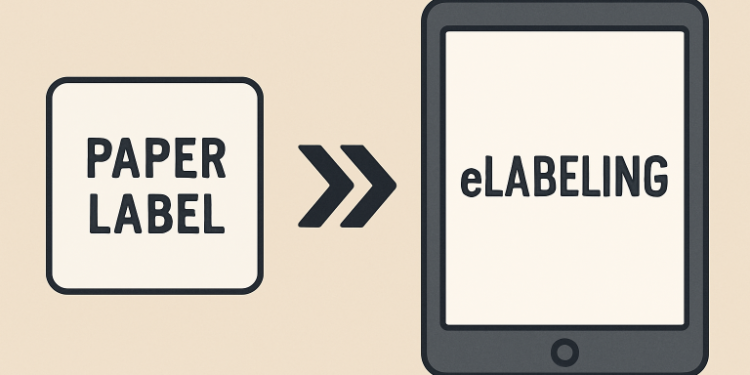
Table of Contents
Introduction
In today’s fast-paced business world, companies are seeking more efficient ways to manage compliance and regulatory data. Increasingly, eLabeling (electronic labeling) is emerging as a crucial solution that streamlines complex processes. With rapidly changing regulations across industries, organizations need solutions that ensure accuracy, agility, and transparency.
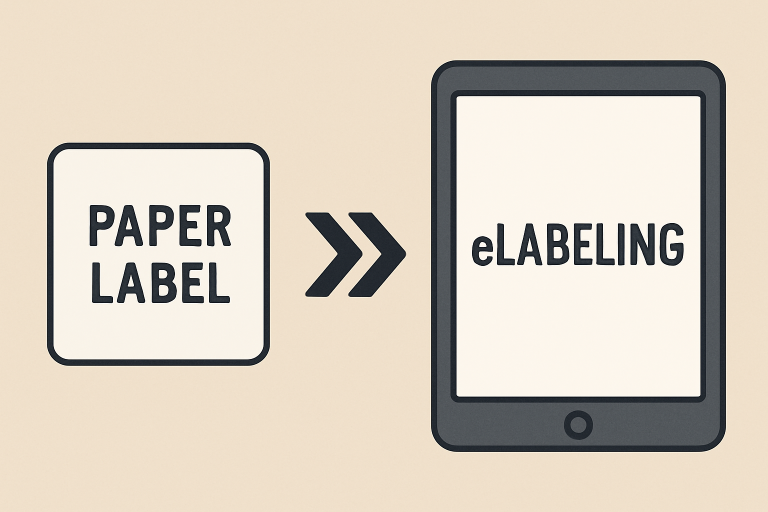
eLabeling delivers on these needs by providing digital product information, replacing many traditional paper-based workflows. This digital transformation enables companies to deliver timely updates, enhance product safety, and keep regulatory data current. As a result, leaders from life sciences to consumer goods are adopting eLabeling as their preferred regulatory strategy.
Beyond compliance, eLabeling is becoming a driver of operational efficiency and improved user experience. Businesses that embrace technological change can better adapt to evolving standards and consumer expectations. In this environment, regulatory authorities worldwide are taking note and encouraging the transition to digital labels.
As digital labeling gains momentum across industries, companies are quickly learning that eLabeling is much more than a trend; it is an operational necessity. Recent developments, for example, demonstrate how quickly eLabeling can be scaled during crises, such as the COVID-19 pandemic.
The Rise of eLabeling
The shift to eLabeling has been accelerated by increasing demands for speed, transparency, and accuracy in regulatory communications. By distributing product information digitally, companies can ensure stakeholders always have access to the most recent and reliable data. eLabeling replaces physical labels, enabling real-time updates and minimizing the likelihood of outdated or incorrect information reaching consumers and healthcare professionals.
For example, during the COVID-19 pandemic, pharmaceutical companies leveraged eLabeling to quickly distribute updated usage instructions, contraindications, and regulatory changes. This rapid communication proved critical in maintaining public safety and meeting emergency guidelines. Digital labeling’s adaptability helped organizations respond dynamically to both local and global regulatory needs, reinforcing its value across a broad spectrum of industries.
Benefits of eLabeling
- Real-Time Updates: eLabeling platforms empower companies to swiftly adjust product labels in response to regulatory changes or new scientific insights, ensuring only the most current information is distributed.
- Cost Efficiency: By reducing or eliminating the need to print and distribute paper labels, organizations save substantial costs on materials, logistics, and labor.
- Environmental Impact: Digital labels significantly reduce paper waste and carbon footprints associated with transportation and traditional supply chains, supporting corporate sustainability goals.
- Enhanced Accessibility: Through digital distribution, product information is more readily accessible to a wider audience, including consumers and medical professionals, regardless of geographic location.
Regulatory Compliance and eLabeling
Regulatory agencies worldwide are increasingly supportive of digital labeling solutions. One notable example is Japan’s Pharmaceuticals and Medical Devices Act, which eliminated the mandate for paper labeling in 2019 and moved to full regulatory enforcement of eLabeling by 2023. This policy transition illustrates a broader international trend in which other regulatory bodies are recognizing the efficiency and reliability of digital strategies.
As eLabeling becomes the norm, organizations must ensure their labeling solutions comply with evolving global standards. Staying ahead of regulatory requirements is crucial for avoiding costly penalties, protecting brand reputation, and sustaining market access. Marketers, regulatory affairs professionals, and quality managers must work together to align eLabeling practices with both industry best practices and region-specific laws.
Challenges in Implementing eLabeling
While the benefits of eLabeling are substantial, adopting this new approach comes with challenges. Many organizations face difficulties with technological integration, as legacy systems may not support modern eLabeling workflows. Migrating to digital platforms often necessitates a significant investment in technology infrastructure, staff training, and change management.
- Technological Integration: Ensuring the compatibility and scalability of digital labeling systems with current IT infrastructure demands foresight, investment, and continuous improvement.
- Data Security: Protecting sensitive, proprietary, and regulatory data from cyber threats is paramount, especially amid increasing cybersecurity risks.
- Stakeholder Adoption: Encouraging both internal teams and external partners, such as healthcare professionals and consumers, to transition from paper to digital labels may pose adoption and training hurdles.
Future Outlook
The landscape for eLabeling will continue to evolve as technology advances and global regulatory standards adapt. Companies that proactively embrace digital transformation are likely to gain a competitive edge, not just in compliance but also in their ability to communicate transparently with consumers and regulators. As data interoperability improves and AI continues to advance, the potential for seamless, automated, and globally compliant labeling solutions will expand.
Stakeholders should monitor the ongoing digital evolution of regulatory practices, participate in pilot programs, and invest in future-ready labeling systems to ensure ongoing compliance and market leadership.
Final Thoughts
As the era of digital transformation accelerates, eLabeling is positioned to change how companies manage regulatory data fundamentally. With its strong benefits in compliance, cost efficiency, environmental responsibility, and accessibility, eLabeling is more than a passing trend. Companies investing in digital labeling infrastructure today stand to not only meet today’s requirements but also set the standard for tomorrow’s regulatory best practices.