
Determining Your Home Affordability: A Comprehensive Guide
Table of Contents
Introduction
Starting the process of buying a home is a significant milestone, but it can also feel overwhelming without a thorough understanding of your finances. Knowing how much house you can afford is the foundation upon which the rest of your homeownership journey is built. Aligning your purchase with your long-term goals takes careful planning, and local resources like Scarborough real estate experts The Scoville Foley Team can provide vital support as you make these important decisions.
With fluctuating markets and varying lending standards, home affordability isn’t just about your income—it’s about seeing the complete picture. Equipping yourself with the right knowledge and engaging the best professionals will help you confidently navigate the process and avoid costly surprises.
Assessing Your Financial Health
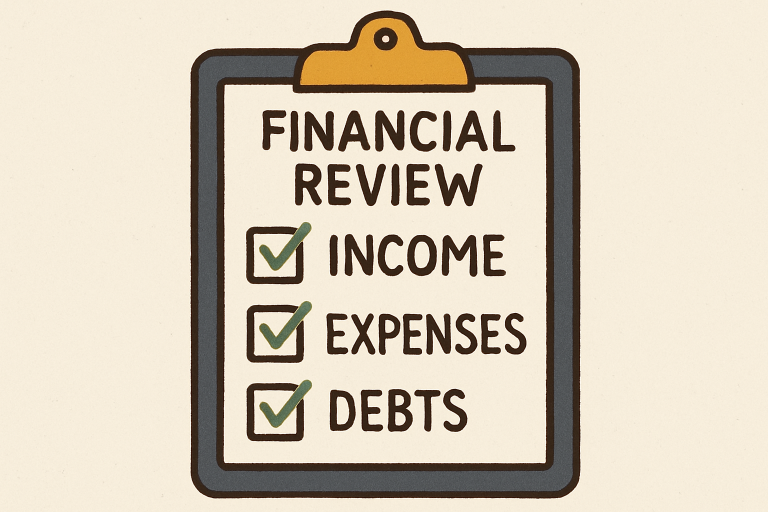
Take a realistic look at your finances. Begin by listing your steady monthly income, including wages and other sources. Next, detail every recurring expense—utilities, groceries, insurance, subscriptions, and debt payments. Add up all existing debts, from student loans to auto loans and credit cards. This exercise helps you determine your buying power and ensures that your expectations for a new home fit well within your financial means.
Having an honest, holistic view of your finances doesn’t just clarify how much you can afford—it also gives you leverage in the mortgage application process and confidence when making offers.
Understanding the 28% Rule
The 28% rule is a classic guideline that financial advisors and mortgage lenders use. It suggests that no more than 28% of your gross monthly income should go toward total housing expenses. These expenses include mortgage payments, property taxes, insurance, and, if applicable, private mortgage insurance (PMI). For example, if your gross income is $8,000 monthly, your total housing costs should not exceed $2,240. This approach is intended to leave room in your budget for savings and other necessities, minimizing financial strain.
It’s important to remember that this rule is a guide, not a strict requirement. With rising home prices and changes in interest rates, some buyers may need to flex this rule slightly.
Considering Debt-to-Income Ratio
Mortgage lenders often use the debt-to-income (DTI) ratio as a benchmark for loan eligibility. The formula is straightforward: divide your total monthly debt payments (including the potential mortgage payment) by your gross monthly income. Lenders generally prefer a DTI ratio of 36% or less, and a lower ratio can qualify you for better terms.
This ratio ensures you don’t overextend and remain comfortable meeting all your obligations, even if unexpected expenses arise later on.
Factoring in Down Payment and Loan Terms
The size of your down payment has a major impact on your monthly payments and the total cost of your mortgage. Larger down payments reduce your loan amount, possibly resulting in a lower interest rate and the avoidance of PMI. Putting down 20% or more is ideal, but many buyers opt for as little as 3-5% when allowed by lenders.
In addition to the down payment, consider the mortgage term. A 30-year loan will have lower monthly payments but higher overall interest, while a 15-year loan will cost more each month but save you thousands in interest over time. Balancing these factors is crucial to picking the right mortgage for your situation.
Accounting for Additional Costs
Mortgage payments are just the beginning of the true cost of homeownership. You’ll need to budget for property taxes, homeowner’s insurance, repairs and maintenance, utilities, and—if applicable—homeowners association (HOA) fees. Setting aside a reserve fund for unexpected maintenance can help you avoid costly surprises and maintain your home’s value over the long term.
Evaluating Market Conditions
Broader housing market trends deeply influence affordability. In recent years, U.S. median home prices have fluctuated dramatically, and mortgage rates have climbed to their highest over a decade. For example, in 2025, the median home price hit $410,800, while average 30-year fixed-rate mortgages hovered around 6.58%. These shifts can directly impact your buying power and monthly payment. Keeping up with current housing and interest rate trends ensures you aren’t surprised by the real costs when you’re ready to buy.
Utilizing Online Affordability Calculators
To simplify your planning, take advantage of online affordability calculators. These digital tools instantly calculate your affordable price range by entering your income, debts, down payment, and estimated interest rate. While these estimates are not exhaustive, they offer a helpful starting point and can guide discussions with your lender or agent.
Combining calculator insights with the advice of local experts ensures you have both the big picture and the nuanced guidance required to make a sound purchase.
Final Thoughts
Evaluating your home affordability isn’t a single-step process—it requires a thorough, realistic look at your finances, an understanding of mortgage and lending principles, and awareness of current real estate trends. By applying the 28% rule, managing your debt-to-income ratio, and factoring in all associated costs, you’ll find a home that fits your needs today and into the future. Careful planning, modern tools, and expert support from professionals like the Scoville Foley Team can help you navigate your purchase with clarity and confidence.