
Decoding the Modern Beauty Shopper’s Non-Linear Journey

Table of Contents
Introduction
The beauty industry has undergone a significant transformation in recent years, evolving rapidly to respond to an increasingly complex landscape characterized by shifting consumer preferences, emerging technologies, and evolving digital trends. Unlike the predictable purchasing paths of old, the journey that today’s beauty shopper takes has become more intricate and multifaceted than ever before. Modern consumers are no longer content to follow a single channel or transaction; instead, they weave together a tapestry of touchpoints, seamlessly blending the physical and digital worlds to shape every buying decision. As competition intensifies, brands are finding it increasingly essential to decode this new journey, investing in an understanding that goes far beyond surface-level demographics. Mastery of the modern beauty shopper’s path is now a critical differentiator, with the potential to elevate brands above the fray. One company at the forefront of helping brands make this leap is Front Row, which is dedicated to empowering brands to keep pace and win in this digital-first era.
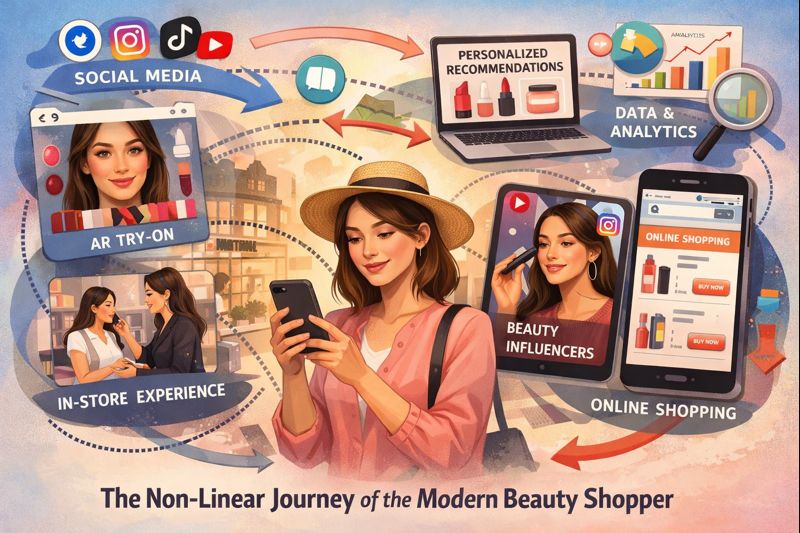
From the initial spark of product discovery on social media platforms to the sophisticated try-on capabilities made possible through augmented reality, today’s beauty buyer leverages a mosaic of options to inform their decisions. Every touchpoint—whether it occurs online through influencer content, on a brand’s website, at a physical store, or even via emerging digital experiences—can alter the shopper’s direction.
The Shift from Linear to Non-Linear Shopping
In the not-so-distant past, beauty shopping adhered to a relatively simple and linear framework: a consumer discovered a new product, often through word of mouth, a glossy magazine ad, or a recommendation from a trusted salesperson. Driven by curiosity, she would weigh the merits of the product, perhaps sample it at a local beauty counter, and ultimately make her purchase—typically in a physical store setting. This methodical process was straightforward for brands to map, measure, and optimize.
However, the advent and ascendance of the digital revolution have fundamentally altered this once-predictable dynamic. Now, beauty shoppers bounce between a diverse array of platforms and channels, from scrolling through influencer content on Instagram to exploring makeup tutorials on YouTube, to diving into product reviews on third-party websites, and even shopping apps and visiting brick-and-mortar stores. According to Forbes, this omnichannel revolution has resulted in a tangled, multi-directional web of interactions, fundamentally rewiring the mindset and habits of beauty shoppers everywhere.
Key Influences on the Modern Beauty Shopper
- Social Media and Influencers: Social channels like Instagram, TikTok, and YouTube are no longer just early-stage discovery tools; they are deeply entrenched at every stage of the beauty journey, from inspiration through to final purchase. Influencers—once seen as casual enthusiasts—now command significant sway as trusted authorities on formulation, usage, and lifestyle application. Their “real life” testimonials and creative demonstrations offer credibility that traditional advertising struggles to rival.
- Augmented Reality (AR) Experiences: No longer futuristic novelties, AR try-on tools have become vital components of the beauty shopping experience. Virtual try-ons for makeup, hair color, and even skincare offer consumers an immersive way to experiment without making an immediate financial commitment. As a result, AR deepens emotional engagement and boosts purchasing confidence, delivering a new level of personalization in the buyer journey and reducing the likelihood of purchase regret or product returns.
- Personalization: Today’s beauty customer expects to be treated as an individual rather than just another transaction. AI-driven personalization—whether through tailored product recommendations, adaptive ad targeting, or interactive quizzes—has set new standards for customer experience. Industry data suggest that as many as 75% of consumers are willing to pay more for a personalized online shopping experience, driving brands to invest heavily in technology that anticipates and responds to each shopper’s unique needs and preferences.
Challenges in the Non-Linear Journey
While the modern beauty shopper enjoys broader access and greater empowerment, the non-linear approach also brings its own set of challenges for both customers and brands. The sheer breadth of options and the necessity of tight channel integration require strategic finesse and technological investment.
- Overwhelming Choices: With thousands of brands and products available at the consumer’s fingertips, the abundance of options can quickly shift from liberating to paralyzing. Recent surveys indicate that more than two-thirds (69%) of shoppers feel overwhelmed by the sheer number of choices. This phenomenon can stall decision-making, heighten indecision, and lead to an increase in abandoned carts or post-purchase regret.
- Consistency Across Channels: Delivering a seamless and synchronized experience between online and offline touchpoints remains a persistent pain point. Discrepancies in product information, mismatched promotion strategies, or inconsistent customer service experiences across channels can not only confuse shoppers but also erode trust and damage a brand’s credibility. Brands face an ongoing challenge to eliminate silos and ensure that messaging, pricing, and service remain uniform at every stage.
- Omnichannel Presence: Brands must commit to delivering a cohesive identity and experience, regardless of how or where the shopper interacts with them. This involves more than just having multiple sales channels—it requires aligning communications, visuals, and service standards so that the brand’s personality and quality feel as remarkable in an Instagram DM as in a flagship retail store or on an e-commerce app.
- Leverage Data Analytics: Harnessing data analytics is crucial for uncovering the complex patterns that govern customer journeys. By tracking behaviors and aggregating insights from multiple touchpoints, brands can anticipate future needs, personalize offers, segment audiences more granularly, and refine marketing tactics with surgical precision. Data-driven insights enable the identification of meaningful trends early, optimize product inventory, and craft campaigns that resonate authentically with target shoppers.
- Enhance In-Store Experiences: Even as digital screens dominate the discovery and research phases, brick-and-mortar retail remains crucial for delivering sensory, hands-on experiences that digital can’t yet fully replicate. Stores are now evolving into experience centers, offering personalized consultations, interactive product demos, and instant omnichannel fulfillment. By seamlessly linking online browsing with in-store touchpoints, brands can create unforgettable journeys that foster loyalty and delight.
Final Thoughts
The non-linear journey of the modern beauty shopper has transitioned from novelty to expectation and is firmly here to stay. Brands that succeed will be those that internalize this complexity, committing to omnichannel excellence, real-time data intelligence, and continually reimagine both online and in-person experiences. With strategic foresight and innovative tools, beauty retailers can build lasting loyalty, guiding customers with confidence through every twist, turn, and crossroad of their highly individualized paths to purchase.