
Common Chimney Problems Homeowners Face and How to Address Them
Maintaining your chimney isn’t just about keeping your fireplace looking good—it’s an essential part of home safety and comfort. When neglected, chimney issues can rapidly escalate, putting your family at risk of fire, water damage, or poor air quality. If you’re seeking reliable solutions or expert care, Ottawa chimney repair specialists can assess, repair, and maintain your chimney, helping you enjoy your fireplace worry-free. Being proactive in recognizing and managing chimney problems ensures your heating system remains efficient and your home stays protected from preventable hazards.
Many homeowners encounter a range of chimney issues throughout ownership, from structural concerns to blockages caused by debris or wildlife. Fortunately, regular maintenance and swift attention to minor matters can prevent major headaches and costly emergency repairs. Understanding common chimney problems and knowing how to address them is the first step to safer, more efficient fireside enjoyment.
Table of Contents
Creosote Buildup
One of the most hazardous chimney problems is the accumulation of creosote. This sticky, tar-like byproduct forms when wood burns at cooler temperatures or when the fire lacks sufficient airflow. Over time, creosote layers can ignite, leading to potentially hazardous chimney fires. According to the U.S. Environmental Protection Agency, annual chimney inspections and cleanings are the most effective way to control creosote buildup. Burning only seasoned hardwood and ensuring proper ventilation in your fireplace can further minimize creosote production.
Cracked or Damaged Chimney Liner
The chimney liner acts as a critical shield, protecting your home’s combustible elements from heat, fire, and the corrosive byproducts of smoke. If the liner becomes cracked or compromised, these hazards can reach unprotected surfaces, increasing the risk of structure fires. Warning signs include visible cracks, pieces of liner in the firebox, or persistent smoky odors. If you notice these, discontinue fireplace use immediately and contact a professional for a thorough inspection and, if necessary, relining.
Blocked Chimney Cap
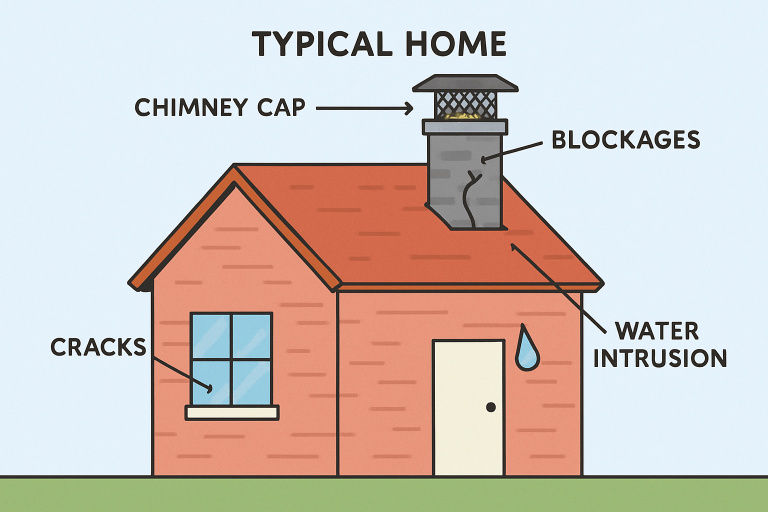
A chimney cap is your home’s first line of defense against rain, falling debris, and animal entry. However, if mesh screens or the cap itself become clogged with leaves, nests, or heavy soot, airflow is severely reduced. This can result in smoke spilling back into the home and decreased heating efficiency. Make it a habit to inspect your chimney cap annually. Simple additions, like animal-resistant mesh, can also deter pests from making a home in your flue.
Water Damage
Continuous exposure to the outdoors makes chimneys especially prone to water damage. Moisture can seep through tiny cracks in masonry, causing bricks and mortar to crumble or “spall.” Symptoms of water-damaged chimneys include white stains (efflorescence) on the exterior surface, rusted fireplace components, and lingering musty odors. Protect your investment by applying a waterproof sealant to the exterior of your chimney and ensuring the flashing is secure. Find more tips on preventing chimney leaks from trusted sources, such as This Old House.
Obstructions Inside the Chimney
Blockages such as twigs, leaves, and even animal nests can cause dangerous ventilation problems in chimneys. These obstructions not only force smoke back into your home but also present the risk of toxic carbon monoxide accumulation. Regular professional inspections help detect blockages before they pose a threat to your safety. Installing a properly fitted chimney cap significantly reduces the likelihood of animals and debris clogging your chimney flue.
Chimney Scams
Scam artists target unsuspecting homeowners by advertising cheap inspections, only to “discover” fake problems that require expensive repairs. To protect yourself, hire only certified, reputable chimney professionals and avoid companies that use high-pressure tactics or unsolicited sales pitches. Checking company licensing, insurance, and reviews through organizations like the Better Business Bureau can help you avoid costly fraud.
Structural Issues
Age, shifting foundations, or severe weather can lead to structural chimney problems, such as cracks, leaning masonry, or separation from the main structure of your home. If left unaddressed, minor defects can quickly escalate into severe issues, putting your home and safety at risk. Schedule annual inspections to catch any problems early and repair them before they deteriorate and require major reconstruction.
Poor Indoor Air Quality
A compromised chimney can allow harmful gases, smoke, and fine soot to seep into your living spaces, impacting indoor air quality. Common symptoms include persistent odors, black marks around your fireplace, and even increased respiratory issues in household members. Ensuring your chimney is well-maintained and properly vented is crucial to maintaining a healthy and safe home.
Being proactive about chimney care minimizes risk and maximizes comfort by ensuring your fireplace functions safely and efficiently throughout the year. Regular inspections help identify soot buildup, structural damage, or ventilation issues before they escalate into costly or hazardous problems. Partnering with qualified professionals provides expert guidance and reliable solutions tailored to your home’s specific needs. When you address repairs promptly and maintain consistency, you not only preserve the performance of your chimney but also protect your home from fire hazards. This attentive approach lets you enjoy the ambiance and warmth of your fireplace all season long—without worry.