

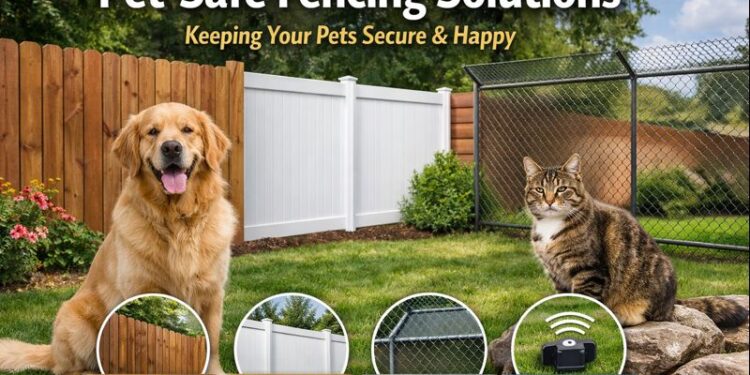
As pet owners, guaranteeing the safety of our furry friends is always a top priority. One of the most effective ways to protect pets from wandering off, encountering traffic, or meeting other hazards is by installing a secure and well-designed fence. However, with so many fencing options available, choosing the right one for your pet can feel overwhelming. Factors such as the type of pet, size, breed, and your property layout all influence the best fencing solution. This guide will help you understand the options and select a fence that keeps your pets safe while complementing your home. To ensure your pets stay safe and secure, it’s best to work with an experienced Leesburg fence builder who can recommend the right materials and design for your yard.
Table of Contents
Understanding Your Pet’s Needs
Before choosing a fence, it’s essential to understand your pet’s behavior and physical abilities. Dogs, for example, vary widely in size and agility. A small Chihuahua may only need a low fence to prevent wandering, while an active Labrador or Border Collie may require a tall, reinforced structure to stop jumping or digging. Cats, on the other hand, are natural climbers and escape artists, so traditional fencing may not be sufficient. Consider the following questions:
- How high can your pet jump or climb?
- Does your pet tend to dig or chew?
- Is your pet easily excitable around other animals or people?
- Do you need the fence to provide complete visual privacy, or just a boundary?
Answering these questions will guide you toward the most suitable fence type.
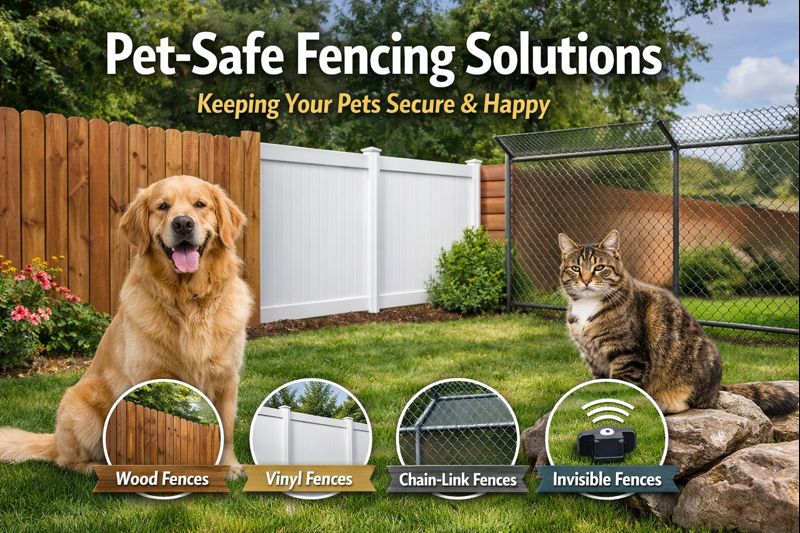
Popular Fence Options for Pet Safety
1. Wood Fences
Wood fences are a classic choice for pet safety and home aesthetics. They offer solid barriers that prevent pets from seeing outside distractions, which can reduce attempts to escape. For most dogs, a wooden fence at least 6 feet tall is ideal. To prevent digging, bury the fence a few inches into the ground or install a small concrete footer along the base. Wood fences are durable and can be tailored to match your landscaping, but they do require maintenance to prevent rotting, warping, or splintering, especially if pets are prone to chewing.
2. Chain-Link Fences
Chain-link fences are a practical, budget-friendly option, offering visibility and security. Standard heights are usually 4 to 6 feet, but taller versions are available for larger or more agile dogs. While chain-link fences are strong and low-maintenance, they may not be ideal for escape-prone pets. Dogs can climb or squeeze through gaps, and cats can easily scale them unless you add a mesh topper or angled barrier.
3. Vinyl Fences
Vinyl fencing is popular due to its durability, low maintenance, and pet-friendly design. Unlike wood, vinyl doesn’t splinter, rot, or require painting, making it safe for pets that like to chew. Vinyl fences come in various heights and designs, from solid panels for privacy to picket-style fences that keep dogs contained while enhancing curb appeal. They are more expensive than wood or chain-link, but the long-term maintenance savings often justify the initial cost.
4. Electric or Invisible Fences
Invisible or underground electric fences are a controversial but effective option for some pet owners. These systems involve a buried wire and a collar that delivers a mild correction when your pet approaches the boundary. They’re best suited for obedient pets that respond well to training and supervision. While invisible fences preserve your yard’s aesthetics, they do not protect pets from outside dangers, such as aggressive animals or traffic, making them less ideal for pets that spend a lot of time unsupervised outdoors.
5. Pet-Specific Fencing Solutions
For those with escape artists or multiple pets, pet-specific fencing solutions may be worth considering. For instance, metal or PVC panels can create smaller, contained areas within a yard to manage multiple pets safely. “Catio” enclosures for cats allow outdoor access without the risk of wandering. For dogs that jump, add extensions or netting to the top of fences to prevent escapes.
Additional Safety Considerations
Regardless of the type of fence you choose, there are additional safety measures to keep in mind:
- Check for Gaps: Make sure there are no gaps at the bottom or sides where pets can squeeze through or dig under.
- Use Non-Toxic Materials: Avoid treated woods or paints that may be harmful if chewed.
- Regular Inspections: Over time, fences can weaken due to weather, pet activity, or age. Inspect regularly for holes, loose boards, or rust.
- Consider Gates and Latches: A secure gate with a pet-proof latch is essential to prevent pets from escaping when someone enters or leaves the yard.
Balancing Safety and Aesthetics
While safety is the top priority, the fence you choose should also complement your property. Modern fencing materials like vinyl or composite can provide a polished look while ensuring durability. Landscaping around the fence can also improve privacy and discourage pets from pushing against the barrier.
Conclusion
Choosing the right fence for pet safety requires careful consideration of your pet’s behavior, breed, and physical abilities, along with your budget and property layout. Wood, vinyl, and chain-link fences remain popular for their durability and security, while specialized fencing solutions or invisible fences may suit certain pets or situations. Always prioritize a fence that prevents escapes, reduces hazards, and provides peace of mind for you and your pet. By investing in a well-planned fencing solution and maintaining it regularly, you can create a safe outdoor space where your pets can play, explore, and thrive.