
Careers in Rehabilitation Science: Opportunities and Pathways
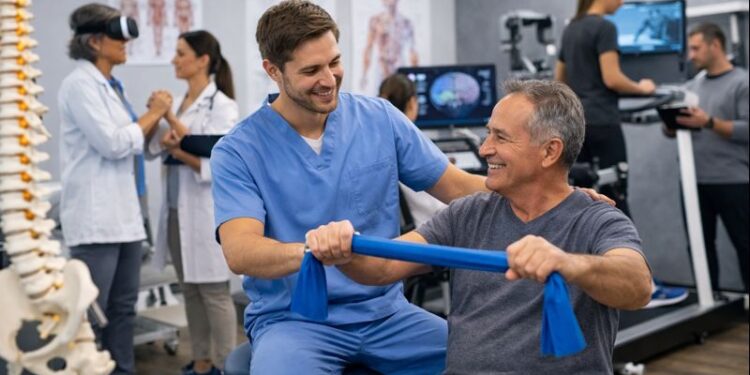
Rehabilitation science is a thriving, multidisciplinary field that focuses on helping individuals with disabilities and chronic conditions achieve greater independence and improve their quality of life. As populations age and the need for evidence-based rehabilitative care continues to increase, this sector offers robust career growth and meaningful employment opportunities. Aspiring professionals can begin with foundational degrees or certifications, such as an online respiratory therapy program, before pursuing broader roles in rehabilitation science.
The field’s reach extends from hospitals and research centers to community care settings and innovative tech labs. With expanded roles in prevention, treatment, and long-term care, rehabilitation science professionals have an opportunity to make a substantial difference for patients on both individual and community-wide scales.
As society becomes more aware of the value of inclusive health practices, professionals in rehabilitation science are uniquely positioned to shape future standards of care, technology, and accessibility. They work collaboratively with interdisciplinary teams, including physicians, engineers, and educators, to achieve the best possible outcomes for individuals in need of rehabilitation services.
Universities and professional organizations now offer specialized pathways and career guidance for those interested in entering or advancing within rehabilitation science. Whether students pursue certification or a bachelor’s, master’s, or doctoral program, educational investment is critical for developing the expertise, leadership, and advocacy skills essential to this field.
Table of Contents
Educational Pathways in Rehabilitation Science
The journey to a career in rehabilitation science often starts with targeted education. Today, many universities offer bachelor’s and master’s degrees tailored to the fields of disability, allied health, or rehabilitative sciences. For example, the Northern Kentucky University Bachelor of Science in Disability Studies and Rehabilitation Science focuses on disability inclusion, health promotion, and preparing graduates for a broad range of professional opportunities. These programs emphasize the importance of hands-on experience, critical thinking, and a holistic approach to client care.
Students can choose to specialize further with advanced coursework or certification in areas such as physical therapy, occupational therapy, speech-language pathology, or assistive technology. For those interested in technology-supported healing modalities, options such as an assistive technology specialization demonstrate the integration of engineering and health sciences to address real-world challenges.
Diverse Career Opportunities
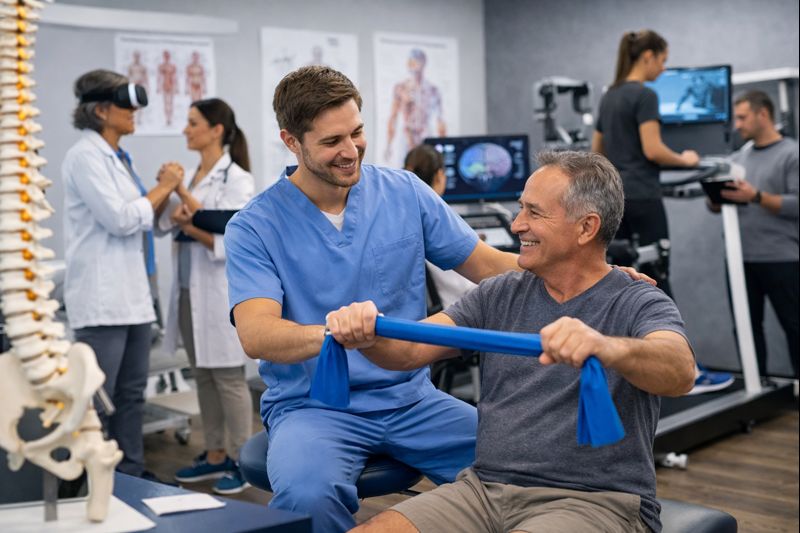
Graduates of rehabilitation science programs are eligible for a myriad of dynamic, people-centered roles, including:
- Rehabilitation Counselor: Guides clients through social, vocational, and personal obstacles to foster independence and achievement.
- Clinical Research Coordinator: Designs and manages studies that evaluate therapy outcomes, emerging technologies, and intervention efficacy for diverse patient populations.
- Design Engineer: Works on developing innovative assistive devices and adaptive technologies that transform mobility, communication, and daily living for those with disabilities.
- Academic or Health Educator: Teaches future practitioners and empowers communities with knowledge to support inclusivity and access to care.
Each role offers a direct avenue to improve health and social outcomes, providing both personal fulfillment and broader societal impact through advocacy and innovation.
Advancements in Rehabilitation Science Education
Expanding educational offerings is crucial for meeting the growing demand across the healthcare and technology sectors. These programs not only furnish theoretical grounding but also foster practical skill sets and leadership attributes increasingly valued by employers.
Partnerships with hospitals, rehabilitation centers, and industry leaders help ensure program graduates are “career ready” from day one. Many universities have now incorporated hands-on research and clinical placements as graduation requirements, bridging the gap between academic coursework and workplace realities.
The Role of Research in Rehabilitation Science
Research is the backbone of innovation in rehabilitation science. Doctoral programs, such as the Ph.D. in Rehabilitation Science, are designed to equip future faculty and researchers with advanced research skills and expertise. Their work underpins the development and validation of clinical therapies, outcome measures, and new care delivery models.
These contributions are essential, as rehabilitation often involves multifaceted interventions and requires evidence-based strategies tailored to each patient’s unique profile. Strong research also fuels policy advocacy and leads to more effective resource allocation for rehabilitation services—ensuring that even more people benefit from advancements in this critical area.
Emerging Trends and Technologies
Technological innovation has rapidly expanded the possibilities for rehabilitation science. The integration of virtual and augmented reality, “serious games,” wearable sensors, and robotics enables therapists to monitor progress in real-time and engage patients in novel ways. For instance, apps and virtual therapies can track mobility or cognitive exercises, increasing convenience and adherence outside traditional clinical settings.
However, successful adoption of these tools requires robust therapist training and rigorous outcomes validation. Ethical considerations, such as equitable access and patient privacy, must also be taken into account. Pioneering professionals are helping to establish best practices and advocate for responsible and inclusive technology adoption.
Conclusion
Rehabilitation science is a vibrant, impactful field with routes spanning direct patient care, research, education, and technology innovation. With increasing demand, evolving educational programs, and breakthroughs in digital health, the opportunities to contribute and advance are immense. Dedicated professionals in this arena play an integral role in shaping the future of inclusive, effective health services—empowering individuals and strengthening communities for years to come.