
All-on-4 Dental Implants: A Comprehensive Guide to Full-Arch Restoration
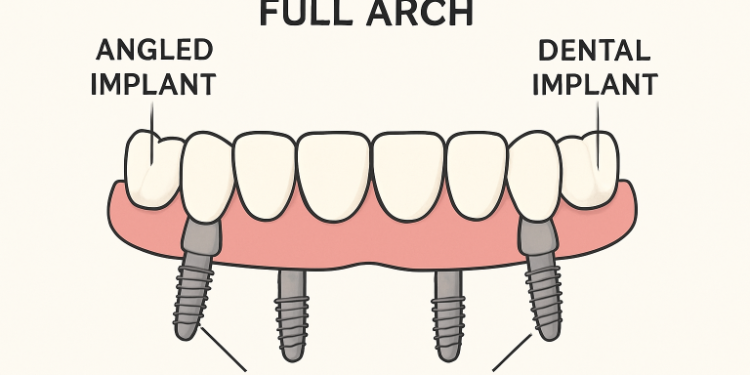
Table of Contents
Understanding All-on-4 Dental Implants
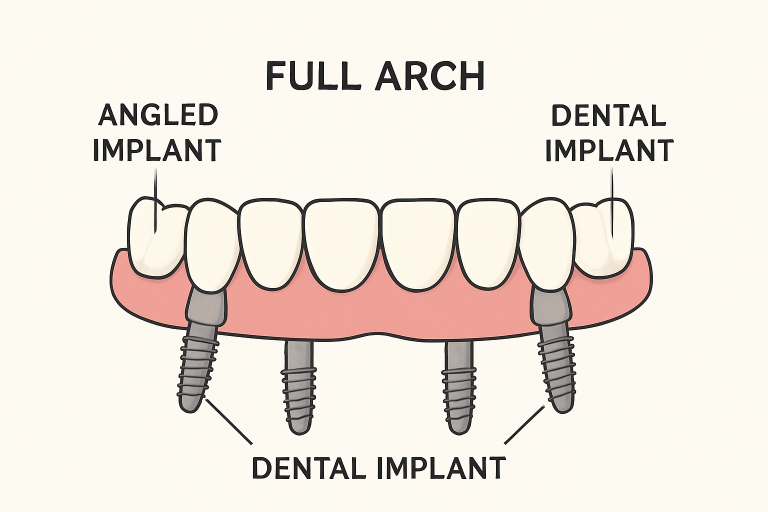
All-on-4 dental implants have revolutionized full-arch restoration for individuals who have lost most or all of their teeth. Rather than replacing each tooth individually, this technique anchors a complete set of prosthetic teeth to just four dental implants, strategically positioned to maximize support. The rear implants are angled to make optimal use of available bone, often eliminating the need for bone grafting, streamlining the journey to a restored smile.
For those seeking an alternative to traditional dentures, All-on-4 offers a long-lasting and natural-looking solution that restores both function and confidence. People in the St. Louis area can learn more about their options for All On Four Dental Implants St. Louis, MO, by consulting a local implant specialist.
Unlike removable dentures—which can slip and cause discomfort—All-on-4 implants are fixed in place and feel more like natural teeth. The design allows for immediate functionality in most cases, helping patients eat, speak, and smile without delay.
This innovative technique is popular not only for its transformative effects on appearance and function, but also for its predictable outcomes and shorter overall treatment time compared to conventional implant methods.
The Procedure: Step-by-Step
- Initial Consultation: The process begins with a thorough clinical evaluation, including dental imaging such as 3D scans to assess bone quality and structure.
- Treatment Planning: A customized plan is developed, mapping out precise implant locations and prosthetic design tailored to the patient’s needs.
- Surgical Placement: Four implants are placed in the jawbone—two toward the front and two posterior implants angled to utilize existing bone.
- Immediate Loading: Often, a provisional prosthetic arch is attached on the same day, allowing patients to regain essential oral function almost immediately.
- Healing and Osseointegration: Over three to six months, implants fuse with the jawbone, ensuring stability and success.
- Final Prosthesis: Once healing is complete, a custom, final prosthetic is secured, providing a natural look and feel.
Advantages of All-on-4 Implants
- Immediate Results: Many patients leave the clinic with a complete set of functional teeth the day of surgery.
- Bone Preservation: Angled implant placement optimizes the use of existing bone, reducing or eliminating the need for grafting and helping maintain facial contours over time.
- Cost-Effective Approach: Using only four implants per arch significantly reduces costs compared to treatments that require more implants and multiple surgeries.
- Improved Comfort and Function: Fixed prosthetics eliminate the worry of dentures slipping or causing sore spots, and they restore the ability to chew a broader range of foods comfortably.
The All-on-4 approach is gaining popularity not just for its convenience, but for the life-changing boost in confidence and well-being that patients experience after treatment.
Determining Candidacy
Not everyone is a candidate for All-on-4 dental implants. Successful outcomes depend on several key factors:
- Bone Density: Adequate bone volume is required to support the implants, and advanced imaging can help assess it.
- General Health: Chronic conditions such as uncontrolled diabetes or a history of heavy smoking can hinder healing and increase the risk of implant failure.
- Commitment to Oral Health: Patients must be willing to maintain proper oral hygiene and follow professional maintenance protocols.
For further reading on dental implant candidacy, see this resource from the WebMD dental implant guide. It’s essential to have a thorough consultation with a qualified dental professional to evaluate your individual situation. Early assessment can help identify potential challenges and improve long-term success rates.
Post-Operative Care and Maintenance
Following All-on-4 surgery, diligent care is critical. Effective habits ensure long-term implant success, including:
- Oral Hygiene: Daily brushing, flossing, and the use of tools designed for implants are essential to prevent infection and maintain gum health.
- Routine Dental Visits: Regular check-ups enable professionals to monitor for potential issues and provide thorough cleaning in hard-to-reach areas.
- Diet Adjustments: In the initial weeks after surgery, a soft diet is necessary to avoid stressing the new implants and encourage proper healing.
Potential Risks and Considerations
As with all surgical and restorative dentistry options, All-on-4 implants carry certain risks and considerations:
- Infection: Poor oral hygiene can lead to peri-implantitis, a severe infection threatening both bone and implant stability.
- Implant Failure: Insufficient bone or improper force on the implants can lead to failure. Identifying at-risk patients in advance is vital.
- Prosthetic Maintenance: Over the years, even the best-made prosthetics may need adjustment or replacement due to normal wear or changes in the mouth.
Conclusion
All-on-4 dental implants have truly transformed full-arch restoration for those with significant tooth loss, offering a stable, aesthetic, and functional solution. By understanding the process, advantages, and essential maintenance involved, prospective patients can make confident, informed choices for their oral health—restoring both smile and quality of life.